


Summary
-
Oil prices surged 35% in a single week after the outbreak of war in Iran. The largest one-week gain since oil futures began in 1983. -
It is hard to see how this conflict is resolved over the short term, and more volatility could be on the way for investors. -
Surging oil prices could well knock the global economy into a recession if they are sustained, as AI-related tech spending is one of the few drivers of GDP growth.

matejmo/iStock via Getty Images
Oil rose 35% in one week following the opening salvos of the war in Iran last week. It was the biggest one-week move since oil futures began trading in 1983. Not surprisingly, stocks sold off not only in the U.S. but globally. For the week, the Dow was off three percent, the S&P 500 lost two percent, and the small-cap Russell 2000 fell roughly four percent.
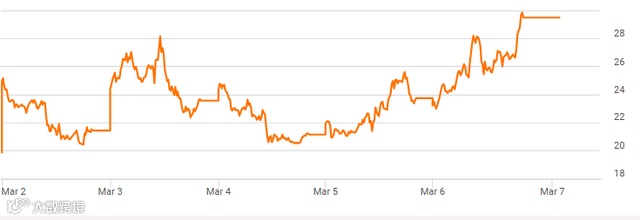
VIX 5-Day Stock Chart (Seeking Alpha)
Volatility moved up sharply throughout the week. And unfortunately, outside of the U.S. declaring victory and a ceasefire, whose chances feel like they are slim and none right now, the most likely path for the conflict is to continue to escalate. Drones and other recent technological advances have allowed asymmetrical war to become more effective. A smaller foe is now more capable of holding back and inflicting considerable damage on a much larger force. Ukraine being the prima facie example, as their conflict with Russia is now in its fifth year. It should also be noted that Iran is multiple times larger than Iraq in both landmass and population.
While using multi-million-dollar interceptors to bring down $25,000 Shahed drones might work very well for the profits of Raytheon (RTX), it is not a sustainable strategy. U.S. air defense assets have already been depleted significantly after one week of conflict.
As an investor, I am struggling to figure out what the 'end game' is for this conflict. If the U.S. goal is to impose 'regime change,' it is hard to see how this gets accomplished even after the decapitation of much of Iran's leadership at the start of this war. No significant regime change in history has been accomplished via airpower alone. And there is no appetite to put boots on the ground in Iran, either with the American public or in Congress, which would have to approve that action.
There is no established armed resistance in Iran to overthrow the current regime. One may form over time, but that would likely result in a drawn-out civil war that results in millions of refugees. This is how things played out in Syria.
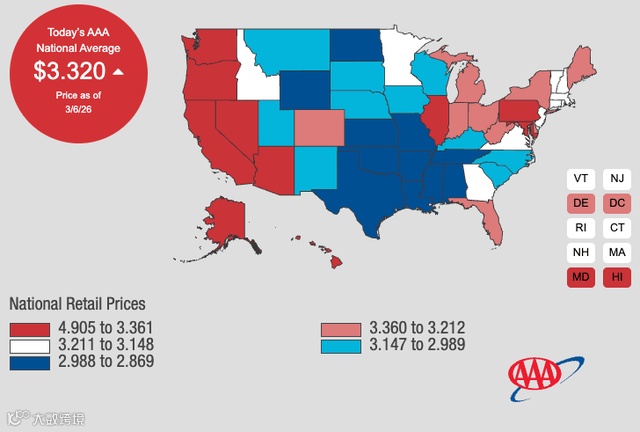
AAA
And this conflict presents a major problem for investors. Much higher oil prices are a significant tailwind for higher inflation and will negatively impact economic growth as well. National gas prices have already increased 11% to $3.32 a gallon. And if oil stays where it closed on Friday, four-dollar-a-gallon gasoline is just around the corner. And it could get much worse from here if this conflict expands and/or drags on.
This week, the energy minister of Qatar just stated that if oil exports continued to be locked in and not able to pass through the Strait of Hormuz (where approximately 20% of global oil exports transit), Gulf states could quickly shut down production. This could push oil to $150 a barrel.
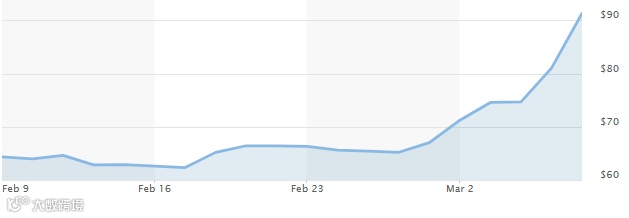
WTI Oil - 1-Month Chart (MarketWatch)
And oil at $100 a barrel or higher for a sustained time could quickly put the U.S. economy in recession, much like it did following the 1973 and 1979 OPEC embargoes.
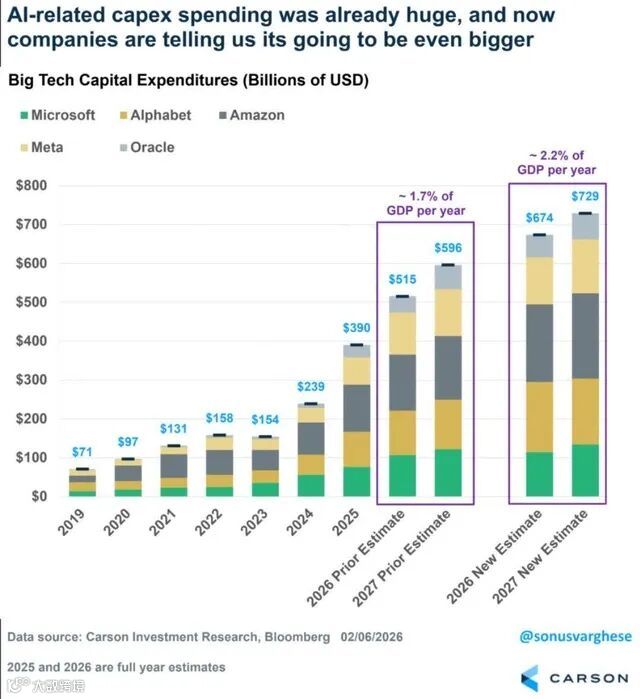
Bloomberg, Carson Investment Research
This is especially true given that outside of the huge surge of tech spending due to the AI Revolution, the U.S. economy has few significant growth engines going right now.
StockMarketNews
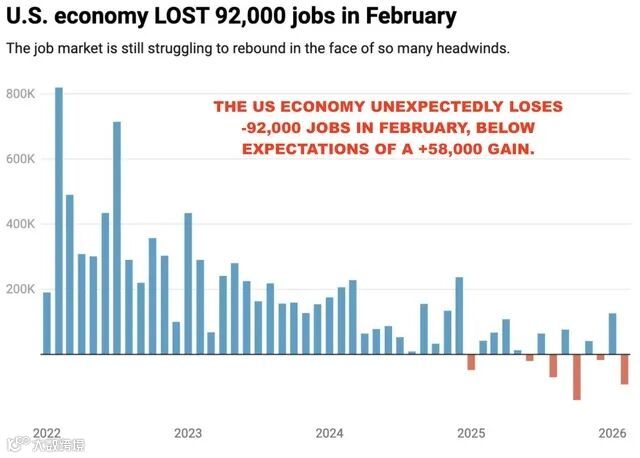
After recent revisions, job growth for 2025 averaged an anemic 15,000 positions a month. And on Friday, the February BLS jobs report showed 92,000 positions were lost in February. It is also unclear what impact AI will have on job growth in the months and quarters ahead.
Bloomberg
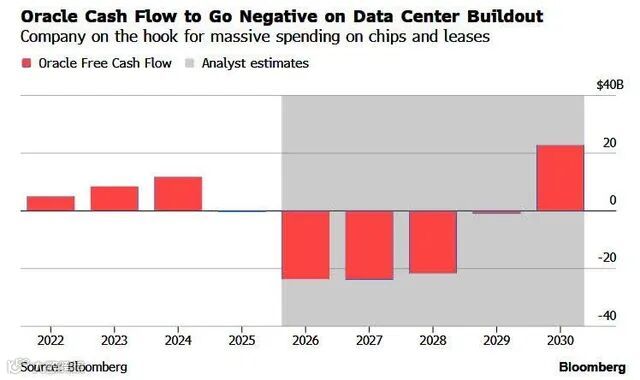
Block (laying off 40% of its entire workforce, ostensibly due to AI. Oracle (employees to free up funds for its massive AI data center buildout.
Mortgage News Daily
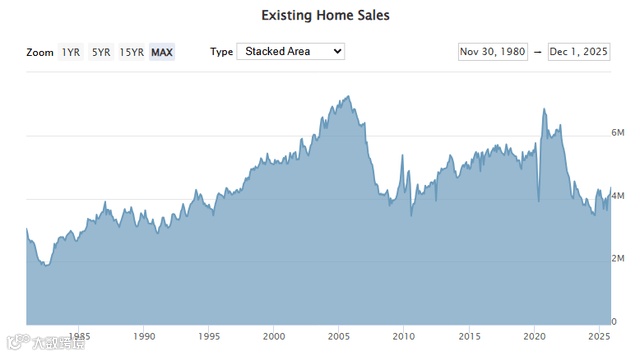
Residential real estate, which accounts for roughly one-sixth of GDP when all housing-related activity is factored in, continues to struggle. Existing home sales have been at their lowest annual levels since 1995 for three years now. And the U.S. population was roughly 20% lower 30 years ago.
Trepp - January 2026
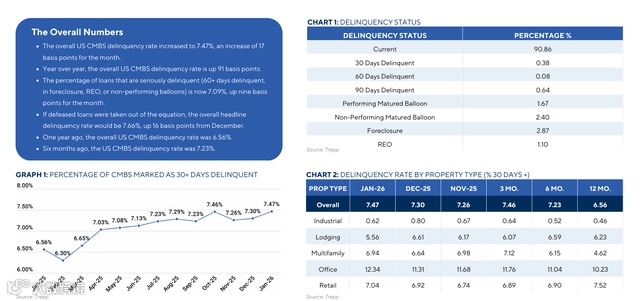
Commercial real estate continues to be problematic, especially in Office and Multi-Family which accounts for roughly $3.5 trillion of the $4.9 trillion of CRE debt outstanding. In addition, more cracks continue to develop in the private credit markets. BlackRock (announced it is curbing redemptions at a huge private credit fund, HPS Corporate Lending Fund. This is after 9.3% of funds were requested for redemption, above BlackRock's cap of five percent. The stock of the largest alternative investing entity in the U.S. fell another nine percent in trading last week.
The landscape for consumer loans is also deteriorating, with delinquencies against student debt, auto loans, and credit card payments all moving significantly higher in recent quarters.
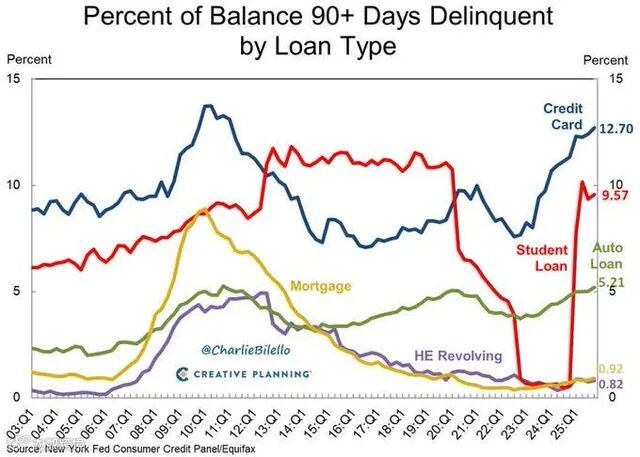
New York Fed, Equifax
In summary, if the conflict in the Middle East continues and oil prices stay elevated or move higher, this well could be the proverbial straw that breaks the back of the U.S. economy. Therefore, my portfolio continues to be allocated roughly 25% to short-term treasuries and cash, which I will very incrementally deploy back in the market using covered call orders on further dips. If the VIX moves over $30, I will get a bit more aggressive as I want to see some more signs of fear in the markets.
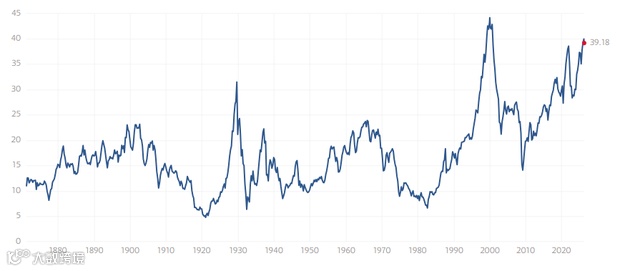
Shiller PE Ratio (Multpl)
The rest of my portfolio is already within covered call holdings around the few stocks I am finding with reasonable valuations within a still overbought market. My portfolio barely budged last week even as the markets sold off. Part of this performance was due to energy being the second largest sector allocation in my portfolio. My biggest allocation is to healthcare, which includes biopharma and biotech. It is one of the few parts of the economy that has little exposure to surging oil prices, disruption from AI, or the deteriorating private credit markets.
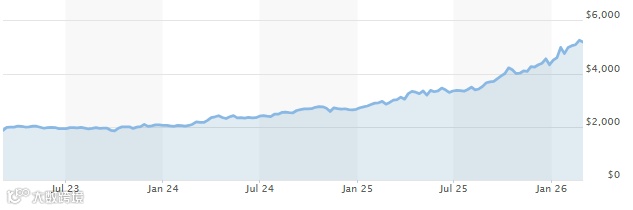
3-Year Gold Chart (MarketWatch)
One final thought: gold will likely rally further if oil continues to surge higher. During the 1973 OPEC embargo, gold doubled from $90 to $180/oz in 12 months. In the 1979 OPEC event, the yellow metal went from $220 to $850 an ounce in a year.