Cheng’s British Drinking Culture Tour starts now — weekly insights into the UK’s rich and spirited traditions!
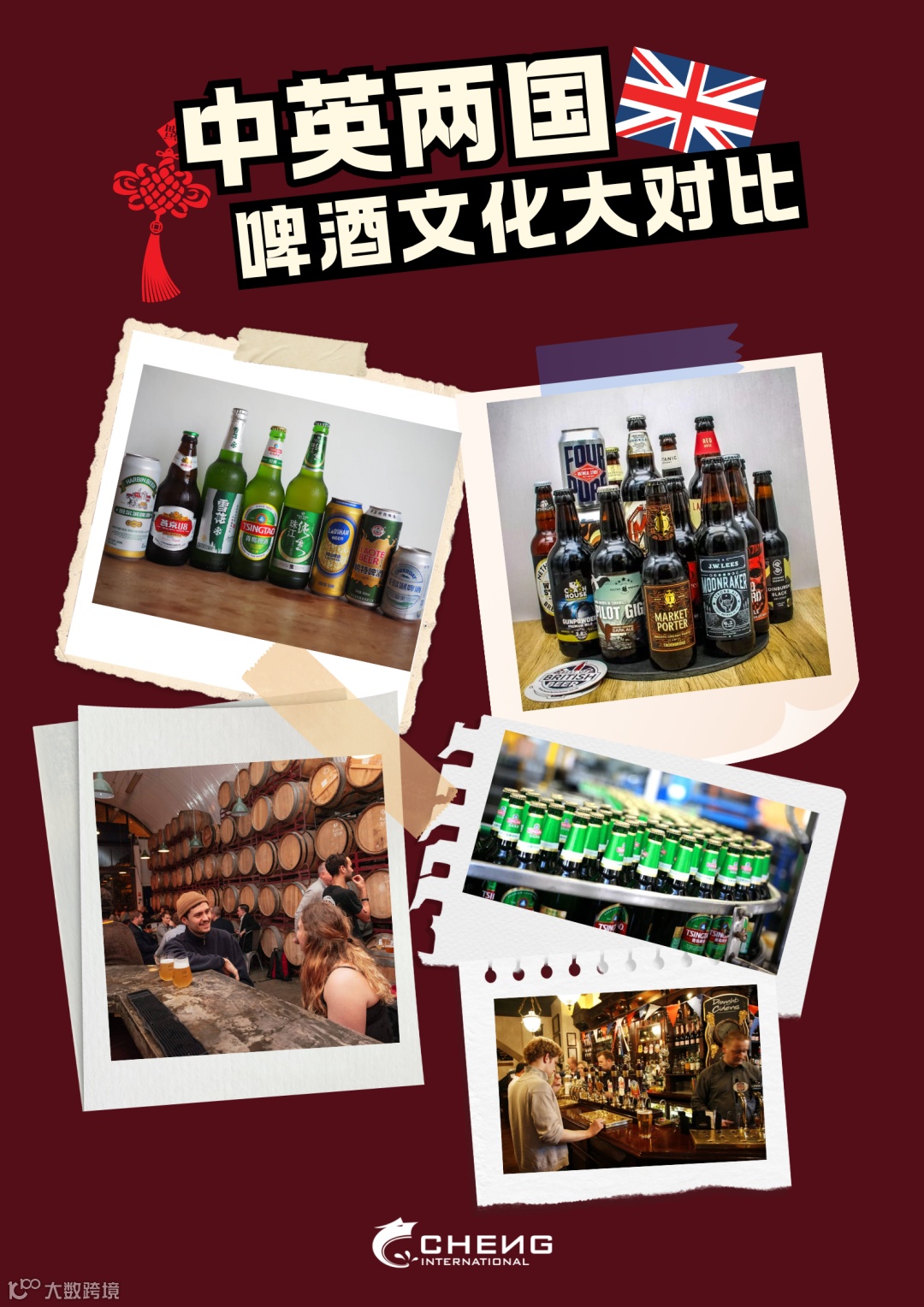
Beer is one of the world’s most loved drinks—but what it means and how it’s enjoyed varies widely across cultures. In this piece, we explore how China and the UK differ when it comes to brewing styles, flavour preferences, and the role beer plays in daily life.
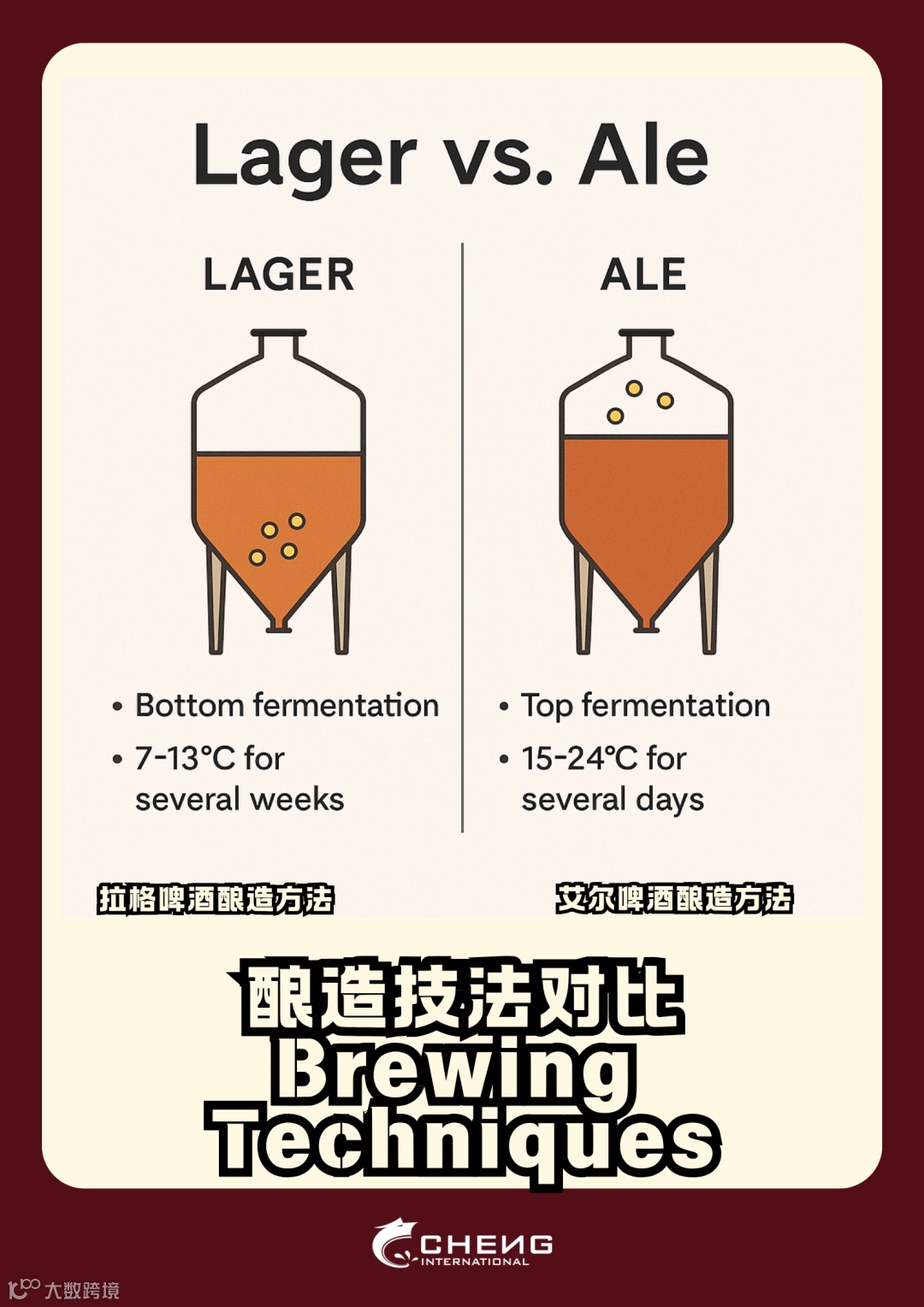
🏭Brewing Styles: Lager vs Ale
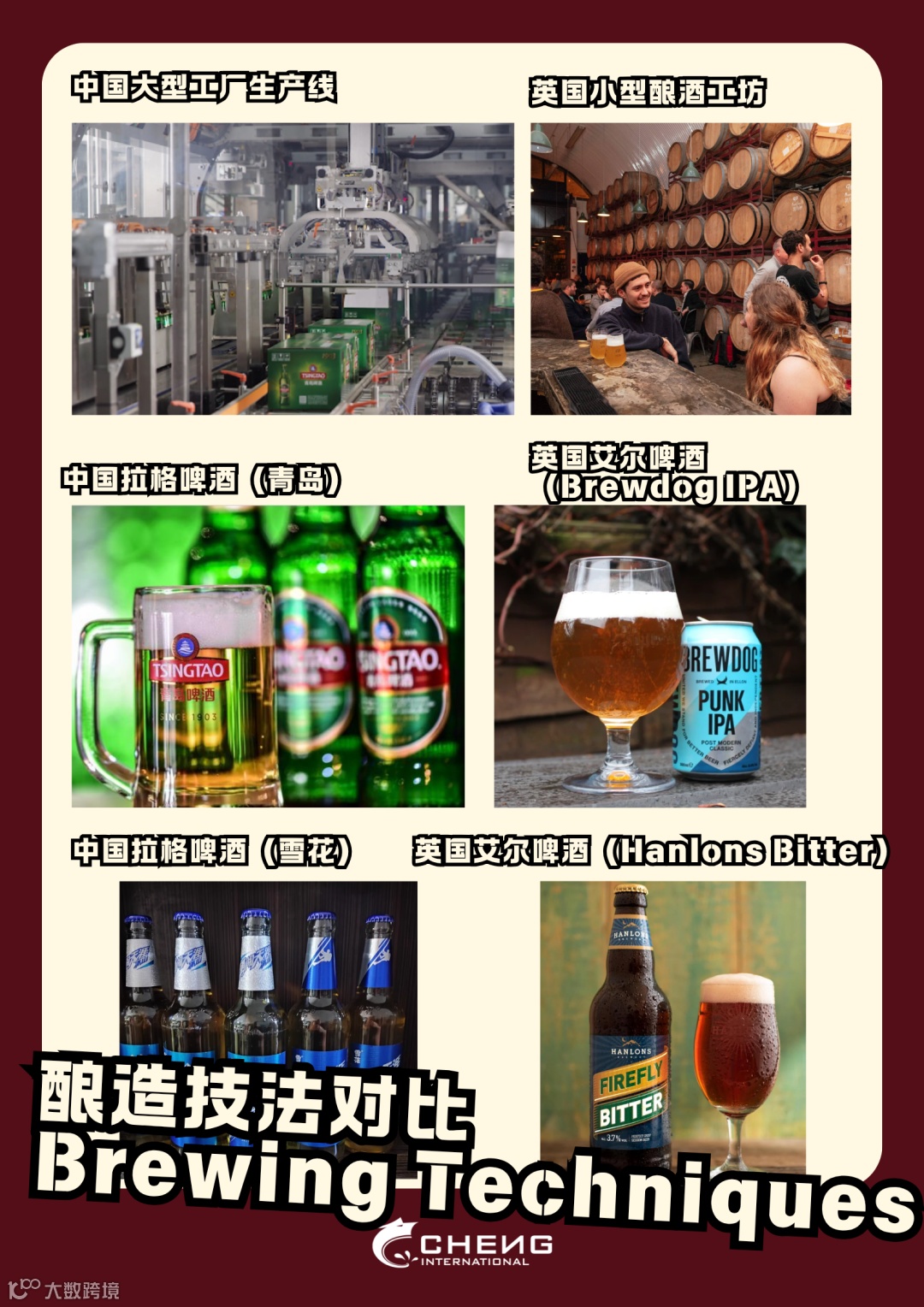
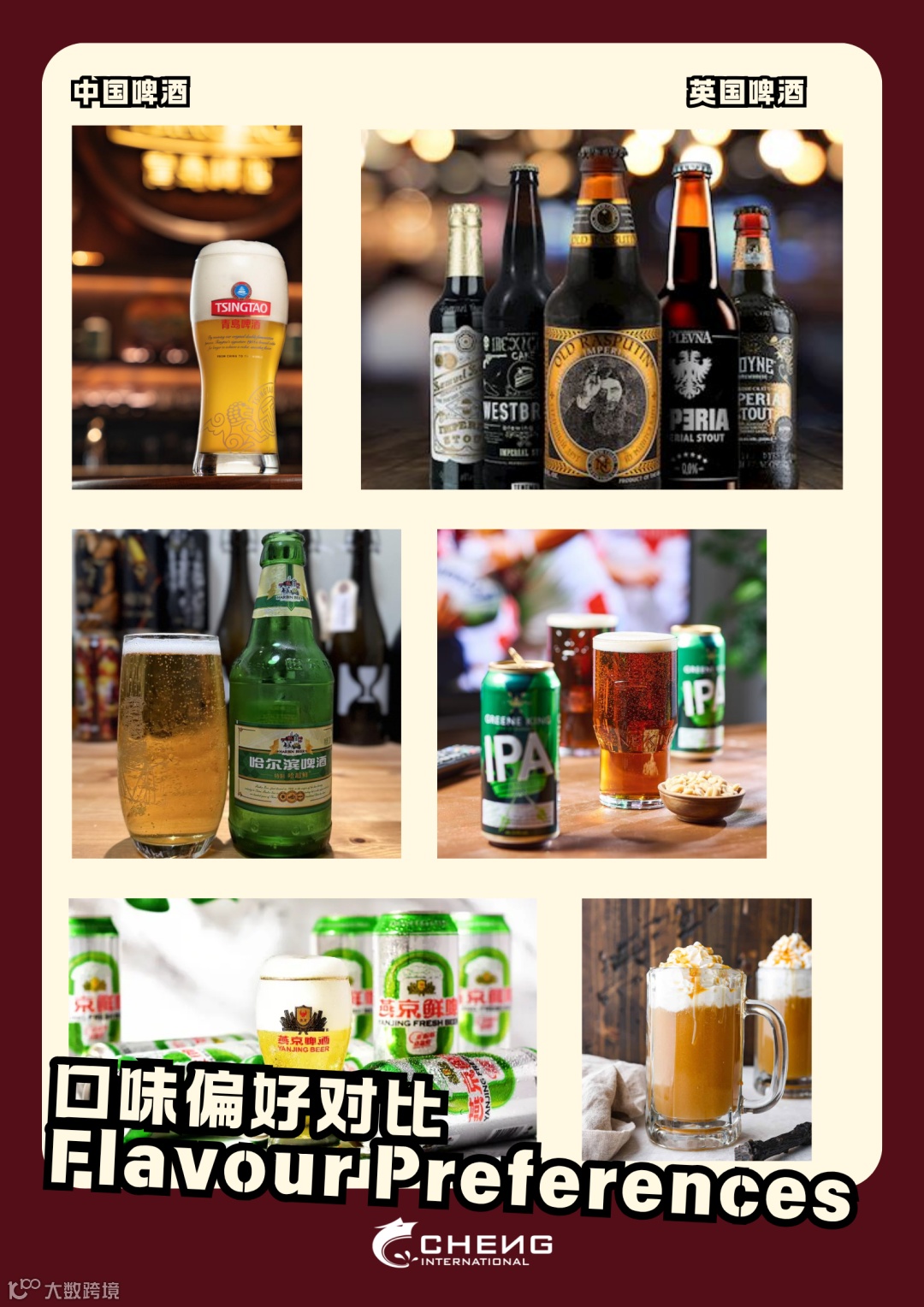
China’s beer industry is led by giants like Snow, Tsingtao, and Yanjing, mostly producing lagers using bottom-fermenting yeast at cool temperatures (7–13°C). Many brewers use rice to lighten the flavour and reduce bitterness, creating smooth, easy-drinking beers that suit local food and climate.
In the UK, lagers are common, but ales remain central. Brewed with top-fermenting yeast at warmer temperatures (15–24°C), ales like Bitter, Pale Ale, and Porter offer richer, more complex flavours.
While China favours large-scale production, the UK is home to over 2,000 microbreweries and craft breweries. These small-scale producers embrace the Craft Beer Movement—prioritising bold flavours, small batches, and a strong sense of local identity—examples include St Austell Brewery in Cornwall, Black Sheep Brewery in Yorkshire, and BrewDog in Scotland.
🍺 Taste Preferences: Light vs Bold
Chinese drinkers often go for light, low-ABV lagers—think Tsingtao or Snow—known for their crispness and drinkability. British drinkers, on the other hand, lean towards hoppy, flavour-packed brews. BrewDog’s Punk IPA, for instance, is iconic in the UK but often too bitter for first-time Chinese drinkers.
The UK market is also more open to experimental styles. You’ll find beers flavoured with coffee, chocolate, ginger—even chilli. These creative brews fuel a culture of “beer explorers,” while in China, such styles remain niche.
🍻 Cultural Context: Beer as Beverage vs Identity
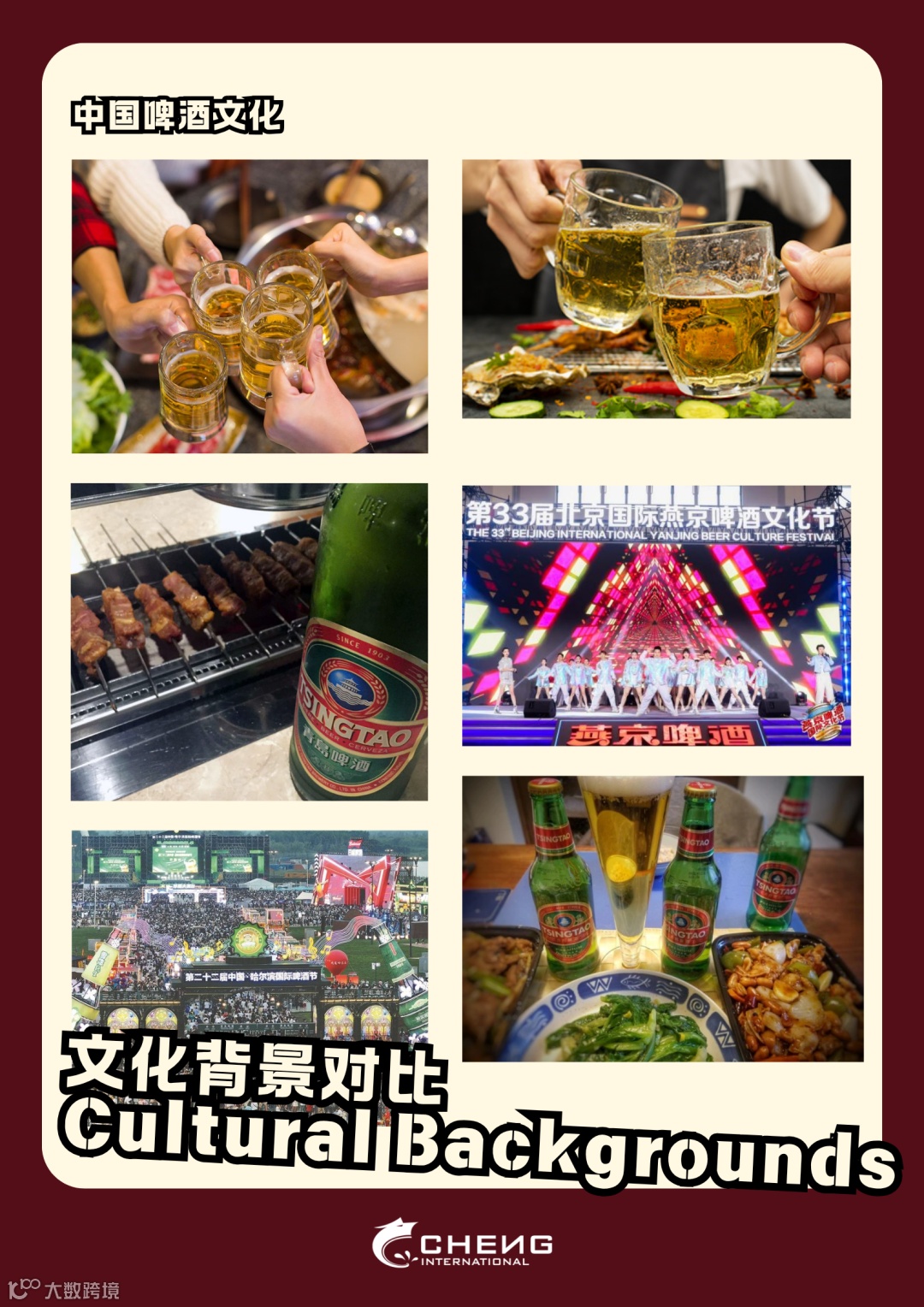
In China, beer is a refreshment—meant to be cold, light, and easy to drink during BBQs, hotpot feasts, and family gatherings. It’s about quenching thirst and toasting with friends, not necessarily savouring flavour.
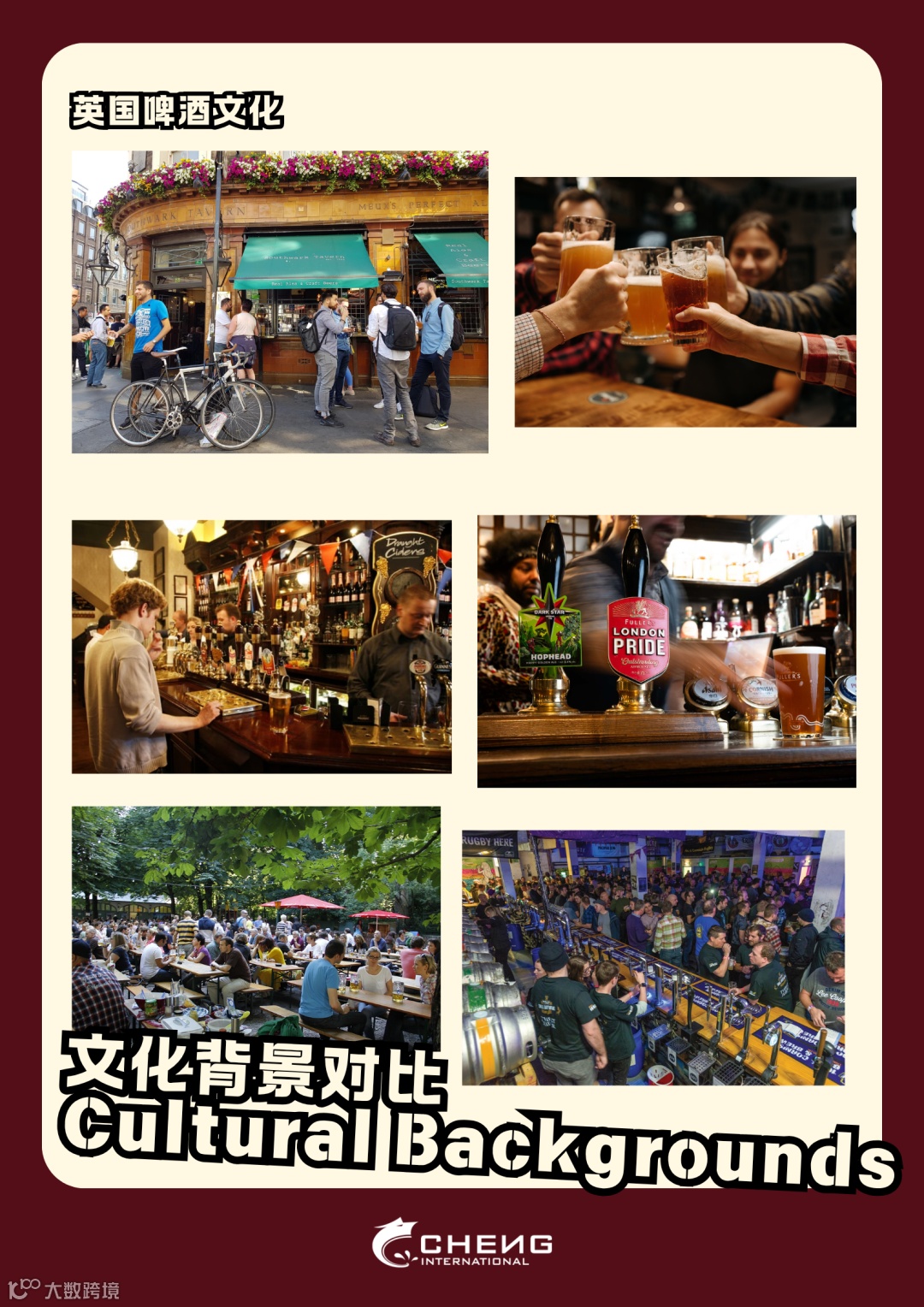
In the UK, beer is deeply tied to pub culture and community. A trip to the pub is a daily ritual for many, and beer preferences often reflect personal identity—whether by region, age, or football club.
The UK also boasts a vibrant beer festival scene, with events like the London Craft Beer Festival celebrating independent brewers. In contrast, Chinese festivals tend to focus more on big-brand promotions and entertainment.
A glass of beer is never just a drink—it reflects taste, place, and culture. Whether it’s a crisp lager shared over hotpot in China or a bold ale enjoyed in a British pub, both express a genuine love for beer and the joy it brings.
So next time you raise a glass, step outside your comfort zone—and discover what beer means on the other side of the world.