
皮肤伤口愈合是一个复杂的生物整合过程, 包括细胞外矩阵分子、可溶性介质及细胞因子等向伤口处的聚集、多种细胞的增殖及迁移、胞外基质沉积及血管新生等。然而, 在一些慢性疾病中, 这些有序的整合过程被破坏。其中, 糖尿病是影响皮肤伤口愈合的慢性疾病之一。根据 2013 年国际糖尿病联盟公布的数据, 全球年龄在 20~79 岁的成人中糖尿病的患病率为8.3% 且患者人数已达3.82亿, 估计到2035年全球将有近 5.92亿人患糖尿病。2013 年, 全球 1/4 的糖尿病患者为中国人, 中国糖尿病人数已超过1亿, 位列全球第一。11% 中国成年人为糖尿病患者, 其中 50% 处于糖尿病前期。糖尿病患者常伴有难愈性足部溃疡, 即使接受最好的治疗, 愈合率也仅为 50%, 且复发率高, 并最终导致截肢等严重后果。同时, 糖尿病患者极易发生血管病变, 如血管生成障碍、内源性再生反应受阻, 血管内多种生长因子水平降低、胶原合成减少及蛋白水解酶增加, 血管和组织生成障碍等。糖尿病患者伤口愈合障碍严重影响人们的日常生活,有效的预防和治疗糖尿病伤口愈合障碍具有重要的临床意义。目前, 临床上常规治疗方法包括清创和局部伤口用药等。近年来, 临床上出现了一些新的治疗方法, 如电刺激、生长因子和负压治疗等, 均难以改善糖尿病伤口愈合情况。随着分子生物学的发展, 干细胞 (stem cells, SCs) 和 microRNA 以及再生医学研究已成为临床转化医学方面最有前景的研究领域。干细胞是一类具有自我复制和更新能力的多潜能细胞。按照发育阶段, 干细胞可分为胚胎干细胞 (embryonic stem cells, ESCs) 和成体干细胞 (adult stem cells, ASCs)。其中成体干细胞包括间充质干细胞 (mesenchymalstem cells, MSCs)、内皮祖细胞 (endothelial progenitor cells, EPCs)、脂肪干细胞 (adipose-derived stem cells, ADSCs) 及造血干细胞 (hemopoietic stem cell, HSCs) 等。一定条件下, 成体干细胞可分化成多种功能细胞。干细胞的这种多向潜能性使其在组织修复中发挥重要作用。近年来, 干细胞对糖尿病伤口治疗作用的研究取得突破性的进展, 有望成为新的治疗手段并应用于临床。
干细胞移植治疗糖尿病伤口愈合的机制
干细胞是一类未成熟细胞, 可以通过添加特异的诱导因子或抑制分化因子, 将干细胞诱导分化成各种不同类型的细胞[9]。通过干细胞技术和组织工程学技术, 可诱导干细胞定向分化, 使其分化为特定的细胞以替代功能障碍的细胞并修复受损的组织。干细胞移植可直接促进伤口局部细胞创伤修复, 成为干细胞促进皮肤创伤愈合的重要途径。
干细胞移植治疗糖尿病伤口的作用机制有以下几点:
①干细胞的多潜能性: 干细胞移植后可在诱导因子的作用下分化成多种功能性细胞。
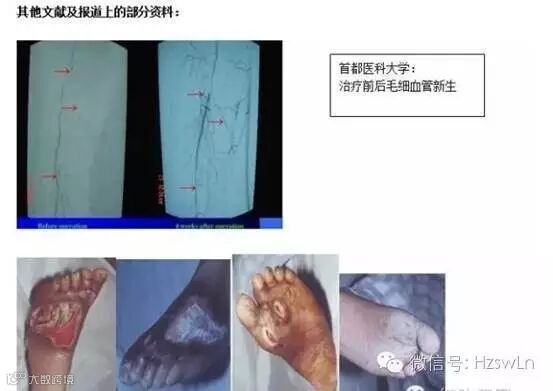
②血管新生作用:干细胞移植后可在体内长期存活, 并调节形成新生血管, 促进成纤维细胞迁移及肉芽组织增厚。
③分泌细胞因子: 干细胞移植后能分泌多种细胞因子, 通过自分泌或旁分泌途径促进伤口局部细胞增殖和血管再生。
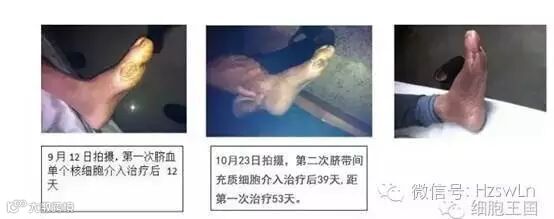
除上述机制外, 有研究表明干细胞移植后可通过调控 microRNA (miRNA) 的表达促进糖尿病伤口愈合。目前 miRNA 在糖尿病伤口愈合中的作用研究仍在初级阶段, 已有研究发现糖尿病患者体内存在多种 miRNAs 表达异常, 而这些参与血管新生、细胞增殖及细胞迁移等多种生理过程的 miRNAs 是伤口愈合过程中不可缺失的部分, 并在机体功能修复过程中发挥重要作用。其中, miR-21 参与并调控成纤维细胞的迁移, 而成纤维细胞的迁移可促进生长因子的分泌及其他细胞的迁移, 因而在伤口愈合过程中发挥重要作用。Madhyastha 等研究发现野生型小鼠伤口愈合 8 天后miR-21表达上调 30倍。多基因遗传2型糖尿病雄性小鼠 (KKAY 鼠) 皮肤中miR-21 表达比同品系野生型小鼠高 15 倍, 但在KKAY鼠伤口愈合过程中 miR-21表达显著降低。 miR-146a 是一种重要的炎症反应调节因子, 通过下调相关促炎症反应靶基因参与并调控间充质干细胞促糖尿病伤口愈合。目前对于 miRNA在糖尿病伤口愈合中的作用研究相对较少, 更多的实验研究聚焦于干细胞对糖尿病伤口愈合的作用, 设想可否将 miRNA 和干细胞同时应用于糖尿病伤口, 这将成为一个新的研究方向。
1 胚胎干细胞移植胚胎干细胞 (embryonic stemcells, ESCs) 是来源于哺乳动物早期胚胎细胞团中的二倍体细胞, 体外培养后, 胚胎干细胞仍具有稳定分化成各胚层的潜能。如可通过添加特异的诱导因子或抑制分化因子, 促使胚胎干细胞分化成皮肤组织的多种类型细胞而用于皮肤创伤治疗。Lee 等将小鼠胚胎干细胞移植到雄性糖尿病大鼠伤口处后, 发现干细胞可明显促进糖尿病大鼠伤口愈合。在伤口愈合的第 5 天和第 10 天, 移植胚胎干细胞后糖尿病大鼠伤口面积明显减小, 在糖尿病伤口愈合早期阶段, 干细胞移植可通过增加表皮生长因子、血管内皮生长因子和纤连蛋白的表达量, 促进表皮细胞再生, 肉芽组织形成, 血管新生以及成纤维细胞的增殖。从而纠正由于以上功能不足而导致的糖尿病伤口愈合障碍的病理性缺陷。目前对于人胚胎干细胞的研究很少, 且只停留在体外的诱导研究。虽然胚胎干细胞移植具有重要临床意义, 但是其来源却成为最大问题。主要原因包括: 胚胎干细胞必须由胚胎取得, 牵涉到伦理与道德的问题; 建立和扩增细胞株系比较困难; 干细胞移植后, 体内环境下干细胞的扩增和分化不易控制, 易出现排斥反应等。
2 成体干细胞移植成体干细胞 (adult stemcells, ASCs) 是指存在于已分化组织中的未分化细胞。这种细胞能够自我 更新并且能够分化形成相应类型组织的细胞。成体干细胞存在于机体的各种组织器官中, 在病理状态或外因诱导下可以表现出不同程度的再生及自我更新能力。自身成体干细胞移植在应用时不存在组织相容性问题, 理论上可以避免移植排斥反应和免疫抑制剂的使用。成体干细胞致瘤风险低, 伦理学争议少。因此, 成体干细胞已成为当前临床应用的理想选择。
3 骨髓间充质干细胞 骨髓间充质干细胞 (bone marrow-derived mesenchymal stemcells, BM-MSCs), 也称间质祖细胞, 可以分化为多种不同类型的细胞, 如脂肪细胞和成纤维细胞等。研究发现, 不仅从真皮中分离培养的干细胞可以促进皮肤伤口愈合, 骨髓间充质干细胞也可以促进皮肤难愈性创面的愈合。Wan等将骨髓间充质干细胞移植到雌性 BALB/c 小鼠伤口周围, 可促进正常小鼠及糖尿病小鼠伤口愈合。移植骨髓间充质干细胞的糖尿病小鼠5天后伤口面积明显减小, 在伤口愈合的第 8和11天伤口处结痂自然脱落。移植的骨髓间充质干细胞可以在皮肤内分化成角蛋白细胞、上皮细胞和内皮细胞, 并且促进表皮细胞再生, 细胞重塑以及血管新生, 伤口处的骨髓间充质干细胞可表达 CD34+、形成特有的角化细胞并分泌角质蛋白促进腺体的形成, 同时, 培养过骨髓间充质干细胞的培养液也可以促进上皮细胞管腔结构的形成。以上研究表明骨髓间充质干细胞可通过分化和释放促血管生成因子而促进伤口愈合。
4 脂肪来源干细胞 脂肪来源干细胞 (adipose- derived stem cells, ADSCs) 是多潜能干细胞, 能够分化成多种细胞, 并可分泌血管生长因子, 为治愈糖尿病伤口带来了新希望, 在伤口愈合和组织修复方面具有巨大应用前景。许多研究表明, 脂肪来源干细胞可明显促进糖尿病伤口愈合, 并且无任何不良反应。已有研究发现, 糖尿病可以改变脂肪来源干细胞的固有性质, 损害脂肪来源干细胞的功能, 降低其促进皮肤修复愈合的能力。文献报道 1 型糖尿病小鼠基质血管中获得的脂肪来源干细胞, 其在皮肤修复中起到重要作用的细胞因子如肝细胞生长因子、胰岛素样生长因子和血管内皮生长因子释放均减少, 同时, 也降低了促进角质形成细胞及成纤维细胞增殖和迁移能力。表明糖尿病小鼠的脂肪干细胞处理及修复创伤能力减弱, 因此移植由正常小鼠获得的脂肪来源干细胞可替代因糖尿病受损的脂肪干细胞对皮肤的修复作用。 Maharlooei 等在糖尿病大鼠伤口模型中移植正常的脂肪组织干细胞发现能显著加速糖尿病模型鼠伤口愈合并增加上皮和肉芽组织沉积。脂肪干细胞可自发地分化成上皮细胞和内皮细胞, 并能分泌促血管生成的生长因子, 如血管内皮生长因子、肝细胞生长因子和成纤维生长因子, 进而增加血管生成, 增强伤口愈合能力, 加速伤口愈合。
5 内皮祖细胞 内皮祖细胞 (endothelial progenitor cells, EPCs) 是血管内皮细胞的前体细胞, 具有游走特性, 是能进一步增殖分化的内皮细胞。内皮祖细胞缺乏成熟内皮细胞的特征性表型, 不能形成管腔样结构, 但在各种生长因子作用下可分化为内皮细胞家族的细胞, 进而形成有完整功能的血管。研究证明, 内皮祖细胞参与血管新生和伤口修复及出生后缺血组织的血管发生和血管损伤后的修复, 在难愈性糖尿病伤口治疗中有着很好的应用前景。研究发现,1 型和 2 型糖尿病患者体内循环的内皮祖细胞数量减少、功能失调, 细胞迁移、黏附、促血管生成的能力减弱。Marrotte 等分别将正常小鼠及2型糖尿病小鼠 (db/db 鼠) 的内皮祖细胞移植到 2 型糖尿病小鼠 (db/db 鼠) 伤口周围, 观察16天后, 发现正常小鼠的内皮祖细胞促进伤口的愈合能力明显高于糖尿病小鼠, 说明糖尿病小鼠的内皮祖细胞功能已经受损, 导致糖尿病性难愈性伤口的发生, 移植正常的内皮祖细胞可缓解难愈性糖尿病伤口的发生。正常的内皮祖细胞可以分化成内皮细胞, 参与形成管腔结构并促进血管新生。且内皮祖细胞可分泌多种细胞因子和生长因子, 如血管内皮生长因子、促生长因子和成纤维生长因子等, 促进内皮周围血管新生, 进而形成具有完全功能的新生血管以促进伤口愈合。
6 脐带血干细胞 新生儿脐带血保存在我国医学界逐渐流行。临床上, 脐带血是造血干细胞的丰富来源。研究发现, 脐血干细胞 (umbilical cordderived stem cells, UC-DSCs) 具有与骨髓干细胞相似的特性。 Romanov 等发现脊髓血管中含有大量类似于间充质干细胞样的细胞, 这些细胞可形成成纤维细胞集落并可成功在体外扩增培养。Shrestha 等将来源于脐带的间充质干细胞移植到糖尿病小鼠伤口周围, 发现其可通过促进表皮细胞再生、旁分泌因子的分泌和血管新生等途径促进糖尿病小鼠伤口愈合。同时也有研究表明, 来源于脐带血的干细胞在体外条件下可以被分化成上皮细胞而应用于有缺陷的皮肤表层。
7 皮肤干细胞 研究发现, 分离出的皮肤干细胞 (cutaneous stemcells, CSCs) 具有巨大的应用潜能。毛发滤泡具有自我更新能力, 成为一种新兴的多潜能干细胞的代表。Roh 等报道, 人的毛囊隆突区来源的毛囊干细胞可分化为上皮和分泌脂质细胞。这类干细胞更易进入皮肤组织, 相信这将成为新兴的治愈皮肤伤口的有效方法。
展望
干细胞治疗伤口愈合已经从一个纯粹的科学实验研究慢慢转向临床应用研究。目前研究已初步阐明干细胞增殖和分化的机制, 证明其在细胞治疗学发展中的本质, 并说明不同的干细胞在体内和体外的可塑性以及未来在临床方面的应用。然而, 在干细胞促进伤口愈合方面仍需面临一些问题, 如最佳靶细胞的选择、连续治疗方法的选取、机体的免疫排斥等。因此, 只有深入研究干细胞具有多能性的分子机制及其特有的分化途径, 才能将其更好地应用于疾病的治疗中。随着干细胞理论的日臻完善和研究技术的迅猛发展, 相信干细胞疗法必将在疾病治疗和生物医药等领域取得划时代的成果。
References
[1] Jeffcoate WJ, Harding KG. Diabetic foot ulcers [J]. Lancet, 2003, 361: 1545−1551. [2] Wu YJ,Chen LW, Scott PG, et al. Mesenchymal stem cells enhancewound healing through differentiation and angiogenesis [J]. Stem Cells,2007, 25: 2648−2659. [3] Boulton AJ, Vileikyte L, Ragnarson-Tennvall G, et al. The global burden of diabetic foot disease [J]. Lancet, 2005, 366:1719−1724. [4] Lee KB, Choi J, Cho SB, et al. Topical embryonic stemcells enhance wound healing in diabetic rats [J]. J Orthop Res, 2011, 29:1554−1562. [5] Meng H, Wang ZX, Wang WP, et al. Effect of osteopontin inregulating bone marrow mesenchymal stem cell treatment of skin wounds indiabetic mice [J]. Diabetes Metab Res Rev, 2014, 30: 457−466. [6] NavoneSE, Pascucci L, Dossena M, et al. Decellularized silk fibroin scaffoldprimed with adipose mesenchymal stromal cells improves wound healing in diabeticmice [J]. Stem Cell Res Ther, 2014, 5: 7. [7] Kim SW, Zhang HZ, Guo L, etal. Amniotic mesenchymal stem cells enhance wound healing in diabeticNOD/SCID mice through high angiogenic and engraftmentcapabilities [J]. PLoS One, 2012, 7: e41105. [8] Kim JY, Song SH, Kim KL,et al. Human cord blood-derived endothelial progenitor cells and theirconditioned media exhibit therapeutic equivalence for diabetic wound healing[J]. Cell Transplant, 2010, 19: 1635−1644. [9] Wakayama T, Tabar V,Rodriguez I, et al. Differentiation of embryonic stem cell linesgenerated from adult somatic cells
by nuclear transfer [J]. Science,2001, 292: 740−743. [10] Stocum DL. Stem cells in regenerative biologyand medicine [J]. Wound Repair Regen, 2001, 9: 429−442. [11] Saretzki G,Walter T, Atkinson S, et al. Downregulation of multiple stress defensemechanisms during differentiation of human embryonic stem cells [J]. StemCells, 2008, 26: 455− 464. [12] Johnson KE, Wilgus TA. Vascularendothelial growth factor and angiogenesis in the regulation of cutaneous woundrepair [J]. Adv Wound Care (New Rochelle), 2014, 3: 647−661. [13]Dushnik-Levinson M, Benvenisty N. Embryogenesis in vitro: study ofdifferentiation of embryonic stem cells [J]. Biol Neonate, 1995, 67:77−83. [14] Bruce SJ, Gardiner BB, Burke LJ, et al. Dynamic transcriptionprograms during ES cell differentiation towards mesoderm in serum versusserum-freeBMP4 culture [J]. BMC Genomics, 2007, 8: 365. [15] Cha JS,Falanga V. Stem cells in cutaneous wound healing [J]. ClinDermatol, 2007, 25: 73−78. [16] Kane NM, Thrasher AJ, Angelini GD, et al. Concise review: microRNAs as modulators of stem cells and angiogenesis[J]. Stem Cells, 2014, 32: 1059−1066. [17] Stadler BM, Ruohola-Baker H. SmallRNAs: keeping stem cells in line [J]. Cell, 2008, 132: 563−566. [18]Singh SK, Kagalwala MN, Parker-Thornburg J, et al. REST maintainsself-renewal and pluripotency of embryonic stem cells [J]. Nature, 2008,453: 223−227. [19] Barcelos LS, Duplaa C, Kränkel N, et al. Human CD133+progenitor cells promote the healing of diabetic ischemic ulcersby paracrine stimulation of angiogenesis and activation of Wnt signaling [J]. Circ Res, 2009, 104: 1095−1102. [20] Roncalli JG, Tongers J, Renault MA,et al. Endothelial progenitor cells in regenerative medicineand cancer: a decade of research [J]. Trends Biotechnol, 2008, 26:276−283. [21] Falanga V, Iwamoto S, Chartier M, et al. Autologous bonemarrow-derived cultured mesenchymal stem cells delivered in afibrin spray accelerate healing in murine and human cutaneouswounds [J]. Tissue Eng, 2007, 13: 1299−1312. [22] Wu YJ, Wang JF, ScottPG, et al. Bone marrow-derived stem cells in wound healing: a review [J]. Wound Repair Regen, 2007, 15: S18−S26. [23] Cross KJ, Mustoe TA. Growth factors in wound healing [J]. Surg Clin North Am, 2003, 83:531−545. [24] Chen LW, Tredget EE, Wu PYG, et al. Paracrine factors of mesenchymal stem cells recruit macrophages and endothelial lineagecells and enhance wound healing [J]. PLoS One, 2008, 3: e1886. [25]Hocking AM, Gibran NS. Mesenchymal stem cells: paracrine signaling anddifferentiation during cutaneous wound repair [J]. Exp CellRes, 2010, 316: 2213−2219. [26] Madhyastha R, Madhyastha H, Nakajima Y, et al. MicroRNA signature in diabetic wound healing: promotive role of miR-21 infibroblast migration [J]. Int Wound J, 2012, 9: 355−361. [27] Poliseno L,Tuccoli A, Mariani L, et al. MicroRNAs modulate theangiogenic properties of HUVECs [J]. Blood, 2006, 108: 3068−3071. [28]Sand M, Gambichler T, Sand D, et al. MicroRNAs and the skin: tiny playersin the body’s largest organ [J]. J Dermatol Sci, 2009, 53: 169−175. [29]Bostjancic E, Glavac D. Importance of microRNAs in skin morphogenesis anddiseases [J]. Acta Dermatovenerol Alp Pannonica Adriat, 2008, 17: 95−102.[30] Xu JW, Wu WJ, Zhang LP, et al. The role of microRNA-146a in thepathogenesis of the diabetic wound-healing impairment: correction withmesenchymal stem cell treatment [J]. Diabetes, 2012, 61: 2906−2912. [31]Bennett SP, Griffiths GD, Schor AM, et al. Growth factors inthe treatment of diabetic foot ulcers [J]. Br J Surg, 2003, 90: 133−146.[32] Dogan S, Demirer S, Kepenekci I, et al. Epidermal growthfactor-containing wound closure enhances wound healing in non-diabetic anddiabetic rats [J]. Int Wound J, 2009, 6: 107−115. [33] Ingrid K, MargaretAG. The therapeutic potential of stem cells from adults [J]. BMJ,2002, 325: 372−376. [34] Thomson JA, Itskovitz-Eldor J, Shapiro SS, et al. Embryonic stem cell lines derived from human blastocysts [J]. Science, 1998, 282: 1145−1147. [35] Erdo F, Buhrle C, Blunk J, et al. Host-dependent tumorigenesis of embryonic stem cell transplantation inexperimental stroke [J]. J Cereb Blood Flow Metab, 2003, 23: 780−785.[36] Sapienza C. Imprinted gene expression, transplantation medicine, andthe "other" human embryonic stem cell [J]. Proc Natl Acad Sci US A, 2002, 99: 10243−10245. [37] Griffith LG, Naughton G. Tissueengineering − current challenges and expanding opportunities [J]. Science, 2002, 295: 1009−1014. [38] Wan JB, Xia LL, Liang WJ, et al. Transplantation of bone marrow-derived mesenchymal stemcells promotes delayed wound healing in diabetic rats [J]. J Diabetes Res,2013, doi: 10.1155/2013/647107. [39] Harris RG, Herzog EL, Bruscia EM, et al. Lack of a fusion requirement for development of bone marrow-derivedepithelia [J]. Science, 2004, 305: 90−93. [40] Wu YJ, Zhao RCH, TredgetEE. Concise review: bone marrow-derivedstem/progenitor cells in cutaneous repair and regeneration [J]. StemCells, 2010, 28: 905−915. [41] Javazon EH, Keswani SG, Badillo AT, et al. Enhanced epithelial gap closure and increased angiogenesis in wounds ofdiabetic mice treated with adult murine bone marrow stromal progenitor cells[J]. Wound Repair Regen, 2007, 15: 350−359. [42] Li HH, Fu XB, Ouyang YS,et al. Adult bone-marrow-derived mesenchymal stem cells contribute towound healing of skin appendages [J]. Cell Tissue Res, 2006, 326:725−736. [43] Amos PJ, Kapur SK, Stapor PC, et al. Human adipose- derived stromal cells accelerate diabetic wound healing: impact of cell formulation and delivery [J]. Tissue Eng Part A, 2010, 16:1595−1606. [44] Cianfarani F, Toietta G, Di Rocco G, et al. Diabetesimpairs adipose tissue-derived stem cell function and efficiency in promotingwound healing [J]. Wound Repair Regen, 2013, 21: 545−553. [45] MaharlooeiMK, Bagheri M, Solhjou Z, et al. Adipose tissue derived mesenchymal stemcell (AD-MSC) promotes skin wound healing in diabetic rats [J]. DiabetesRes Clin Pract, 2011, 93: 228−234. [46] Nie CL, Yang DP, Xu J, et al. Locally administered adipose- derived stem cells acceleratewound healing through differenttiation and vasculogenesis [J]. CellTransplant, 2011, 20: 205−216. [47] Asai J, Takenaka H, Kusano KF, et al. Topical sonic hedgehog gene therapy accelerates woundhealing in diabetes by enhancing endothelial progenitor cell-mediatedmicrovascular remodeling [J]. Circulation, 2006, 113: 2413−2424. [48]Loomans CJ, De Koning EJ, Staal FJ, et al. Endothelial progenitor cell dysfunction: a novel concept in the pathogenesis of vascularcomplications of type 1 diabetes [J]. Diabetes, 2004, 53: 195−199. [49]Marrotte EJ, Chen DD, Hakim JS, et al. Manganese superoxidedismutase expression in endothelial progenitor cells accelerateswound healing in diabetic mice [J]. J Clin Invest, 2010, 120: 4207−4219.[50] Case J, Ingram DA, Haneline LS. Oxidative stress impairs endothelialprogenitor cell function [J]. Antioxid Redox Signal, 2008,10: 1895−1907. [51] Krenning G, Van Luyn MJ, Harmsen MC. Endothelial progenitor cell-based neovascularization: implications for therapy[J]. Trends Mol Med, 2009, 15: 180−189. [52] Dubois C, Liu X, Claus P, etal. Differential effects of progenitor cell populations onleft ventricular remodeling and myocardial neovascularization after myocardialinfarction [J].
J Am Coll Cardiol, 2010, 55: 2232−2243.[53] Huss R. Isolation of primary and immortalized CD34- hematopoietic and mesenchymal stem cells from various sources [J]. Stem Cells, 2000, 18: 1−9. [54] Hows JM. Status of umbilical cordblood transplantation in the year 2001 [J]. J Clin Pathol, 2001, 54: 428−434.[55] Romanov YA, Svintsitskaya VA, Smirnov VN. Searching foralternative sources of postnatal human mesenchymal stem cells: candidateMSC-like cells from umbilical cord [J]. Stem Cells, 2003, 21: 105−110.[56] Shrestha C, Zhao LL, Chen K, et al. Enhanced healing of diabeticwounds by subcutaneous administration of human umbilical cord derived stemcells and their conditioned
media [J]. Int J Endocrinol, 2013,doi: 10.1155/2013/592454. [57] Tark KC, Hong JW, Kim YS, et al. Effectsof human cord blood mesenchymal stem cells on cutaneous wound healing in leprdb mice [J]. Ann Plast Surg, 2010, 65: 565−572. [58] KamolzLP, Kolbus A, Wick N, et al. Cultured human epithelium:human umbilical cord blood stem cells differentiate into keratinocytes under invitro conditions [J]. Burns, 2006, 32: 16−19. [59] Oshima H, Rochat A,Kedzia C, et al. Morphogenesis and renewal of hair follicles from adultmultipotent stem cells [J]. Cell, 2001, 104: 233−245. [60] Roh C, Lyle S. Cutaneous stem cells and wound healing [J]. Pediatr Res, 2006, 59:100R−103R.
转自:齐鲁细胞治疗