


【友情提示】世界那么大,为防走散,请将AYS规划设计事务所加星标!关注AYS爱易设,关注AYS规划设计事务所,点击上方名片-点右上角弹出菜单栏设为星标即可。

随着2022年北京冬奥会的成功举办,中国及全球多个国家对冰雪运动的关注度大幅提升。中国政府出台了一系列政策支持冰雪产业发展,如《冰雪运动发展规划(2016-2025年)》《关于以2022年北京冬奥会为契机大力发展冰雪运动的意见》等,推动了滑雪场的建设和滑雪运动的普及。
滑雪旅游成为冬季旅游热点:滑雪场不再仅仅是运动场所,而是集休闲、度假、娱乐于一体的综合性旅游目的地。滑雪度假村模式逐渐成为主流,如瑞士的圣莫里茨、日本的北海道、中国的崇礼等地,吸引了大量国内外游客。
室内滑雪场兴起:受限于气候条件,许多低纬度地区难以建设户外滑雪场,因此室内滑雪场(如广州融创雪世界、迪拜Ski Dubai)成为新趋势。这类滑雪场不受季节限制,全年运营,市场潜力巨大。
科技赋能滑雪体验:滑雪场正在引入智能化技术,如VR滑雪模拟器、AI滑雪教学、智能雪道监测等,提升游客体验。此外,滑雪装备的智能化(如智能滑雪板、可穿戴设备)也推动了行业发展。
可持续发展成为重点:环保滑雪场(如使用人工造雪节水技术、可再生能源供电)受到关注。欧洲部分滑雪场已开始采用碳中和运营模式,以减少对环境的影响。
With the successful hosting of the 2022 Beijing Winter Olympics, the attention paid to winter sports in China and many other countries around the world has significantly increased. The Chinese government has introduced a series of policies to support the development of the ice and snow industry, such as the "Ice and Snow Sports Development Plan (2016-2025)" and the "Opinions on Vigorously Developing Ice and Snow Sports with the 2022 Beijing Winter Olympics as an Opportunity", which have promoted the construction of ski resorts and the popularization of skiing.
Skiing tourism has become a hot spot in winter travel: Ski resorts are no longer merely sports venues, but comprehensive tourist destinations integrating leisure, vacation and entertainment. The ski resort model is gradually becoming mainstream. Places like St. Moritz in Switzerland, Hokkaido in Japan, and Chongli in China have attracted a large number of domestic and foreign tourists.
The rise of indoor Ski resorts: Limited by climatic conditions, it is difficult to build outdoor ski resorts in many low-latitude areas. Therefore, indoor ski resorts (such as Sunac Snow World in Guangzhou and Ski Dubai in Dubai) have become a new trend. This type of ski resort is not restricted by seasons and operates throughout the year, with huge market potential
Technology empowers skiing experience: Ski resorts are introducing intelligent technologies such as VR skiing simulators, AI skiing tutorials, and smart ski slope monitoring to enhance the experience of tourists. In addition, the intelligence of skiing equipment (such as smart skis and wearable devices) has also driven the development of the industry.
Sustainable development has become a key focus: eco-friendly ski resorts (such as those using artificial snow-making water-saving technologies and powered by renewable energy) have drawn attention. Some ski resorts in Europe have begun to adopt carbon-neutral operation models to reduce their impact on the environment.

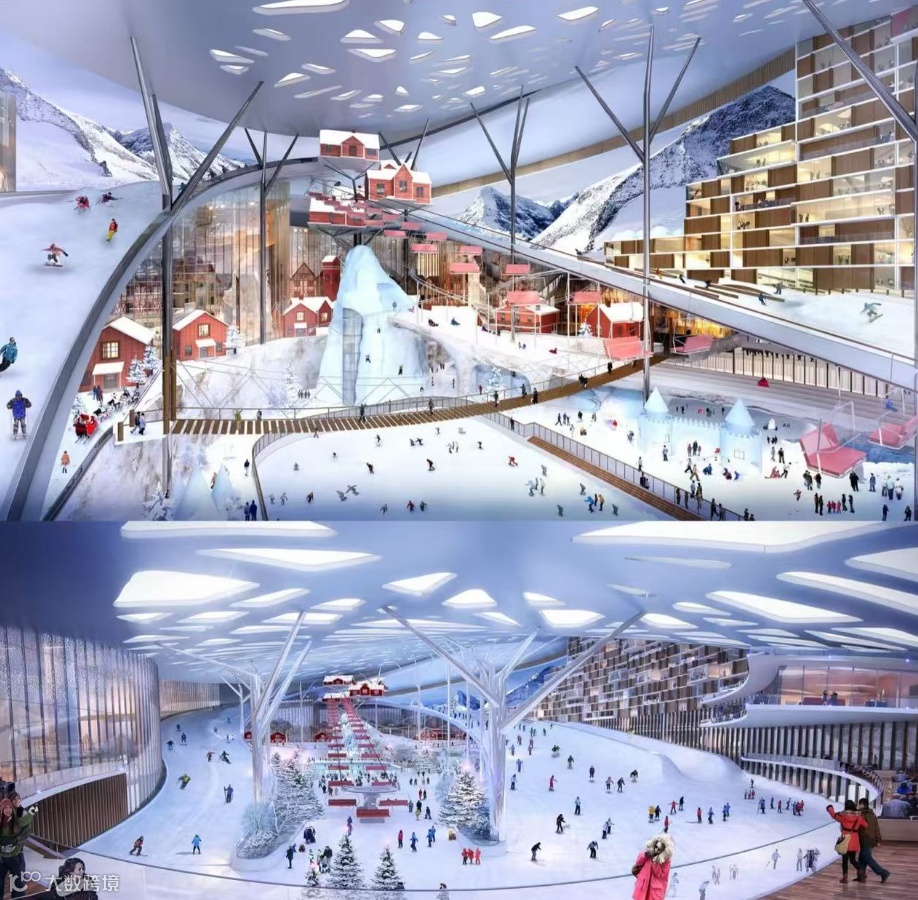
一、滑雪场市场发展现状
全球滑雪场市场概况:全球滑雪产业主要集中在欧洲、北美和亚洲。欧洲(如法国、瑞士、奥地利)拥有成熟的滑雪市场,北美(如美国、加拿大)则以大型滑雪度假村为主。亚洲市场增长迅速,尤其是中国、日本和韩国。
中国滑雪场市场现状:中国滑雪产业起步较晚,但发展迅速。根据《2023中国滑雪产业白皮书》:中国滑雪场数量已超过800家,其中大型滑雪度假区(如万龙、太舞、亚布力)占比约10%。滑雪人次突破2500万,但人均滑雪次数仍较低,市场仍处于培育期。主要客群集中在一二线城市,年轻人和家庭游客是主力消费群体。
主要挑战:运营成本高:滑雪场依赖人工造雪、设备维护,运营成本较高。季节性强:北方滑雪场主要依赖冬季,南方市场依赖室内滑雪场。专业人才短缺:滑雪教练、雪场管理人才供不应求。同质化竞争:部分中小滑雪场缺乏特色,盈利能力有限。
I. Current Development Status of the Ski Resort Market
Overview of the global ski resort market: The global ski industry is mainly concentrated in Europe, North America and Asia. Europe (such as France, Switzerland and Austria) has a mature ski market, while North America (such as the United States and Canada) is dominated by large ski resorts. The Asian market is growing rapidly, especially in China, Japan and South Korea. The current situation of the ski resort market in China: The ski industry in China started relatively late, but has developed rapidly. According to the "2023 China Ski Industry White Paper", the number of ski resorts in China has exceeded 800, among which large-scale ski resorts (such as Wanlong, Taiwu, and Yabuli) account for approximately 10%. The number of skiers has exceeded 25 million, but the average number of skiers per person is still relatively low, and the market is still in the cultivation period. The main customer groups are concentrated in first - and second-tier cities, with young people and family tourists being the main consumer groups. The main challenge: High operating costs: Ski resorts rely on artificial snow-making and equipment maintenance, resulting in relatively high operating costs. Strong seasonality: Northern ski resorts mainly rely on winter, while the southern market depends on indoor ski resorts. Shortage of professional talents: Ski instructors and ski resort management personnel are in short supply. Homogenized competition: Some small and medium-sized ski resorts lack distinctive features and have limited profitability.
二、滑雪场未来发展前景
市场增长潜力巨大:中国将成为全球重要滑雪市场:预计到2030年,中国滑雪人次将突破5000万,滑雪产业规模达万亿级别。南方市场崛起:随着室内滑雪场的建设,华南、华东地区滑雪消费将快速增长。青少年市场培养:冰雪运动进校园政策推动青少年滑雪培训市场发展。
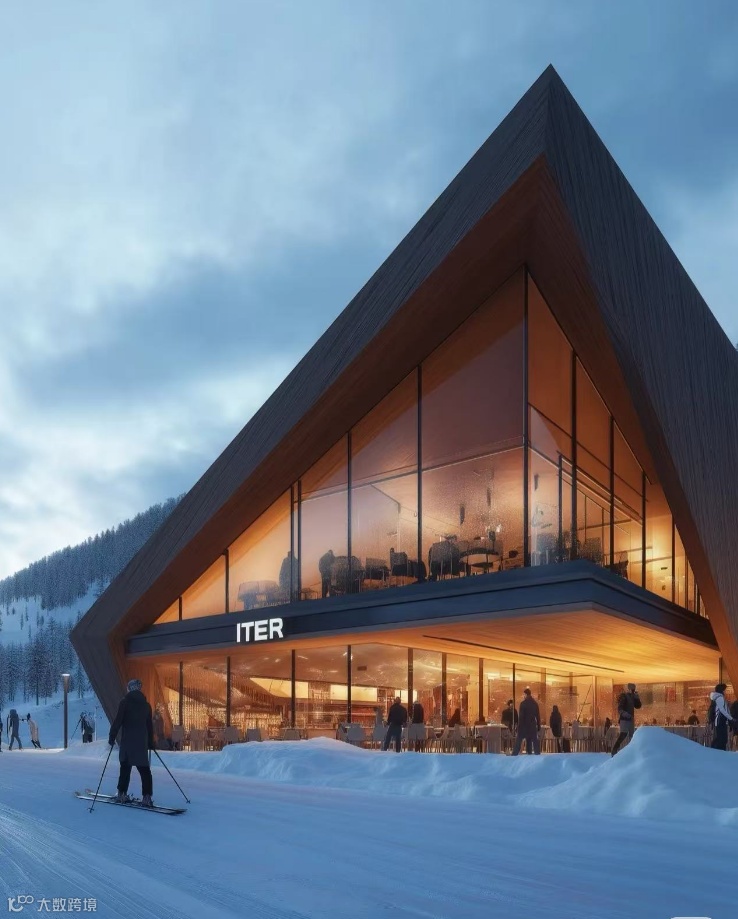
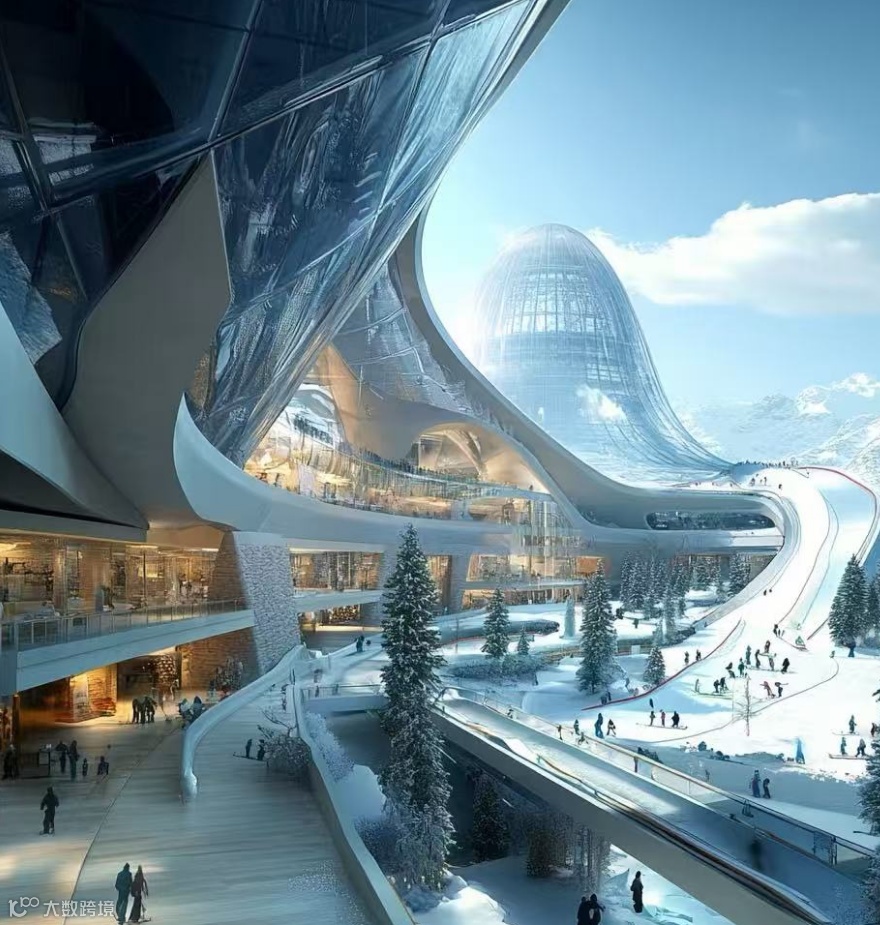
滑雪度假区模式成为主流:未来的滑雪场将向“滑雪+度假+娱乐”综合模式发展,如:滑雪+温泉(日本北海道)滑雪+购物(迪拜Ski Dubai)滑雪+赛事(冬奥会举办地延庆、崇礼)
科技与智能化提升体验:虚拟现实(VR)滑雪培训:降低初学者门槛。智能雪场管理:通过大数据优化客流、雪道维护。无人驾驶压雪车:提高雪场运营效率。
可持续发展趋势:绿色滑雪场:采用可再生能源(如太阳能造雪)、生态友好型建设。碳中和服务:部分高端滑雪场推出碳中和滑雪旅行产品。
Ii. Future Development Prospects of Ski Resorts
The market growth potential is huge: China will become an important global skiing market: It is expected that by 2030, the number of skiers in China will exceed 50 million, and the scale of the skiing industry will reach the trillion-yuan level. The rise of the southern market: With the construction of indoor ski resorts, skiing consumption in South China and East China will grow rapidly. Youth market cultivation: The policy of bringing winter sports into schools promotes the development of the youth skiing training market.
The Ski resort model has become mainstream: Future ski resorts will develop towards an integrated model of "skiing + vacation + entertainment", such as: skiing + hot springs (Hokkaido, Japan) skiing + shopping (Ski Dubai, Dubai) skiing + events (Yanqing, Chongli, the host cities of the Winter Olympics)
Technology and intelligence enhance experience: Virtual Reality (VR) skiing Training: Lowering the threshold for beginners. Intelligent ski resort management: Optimizing visitor flow and ski slope maintenance through big data. Unmanned snow compilers: Enhance the operational efficiency of ski resorts. Sustainable development trends: Green ski resorts: Utilizing renewable energy (such as solar snow-making) and eco-friendly construction. Carbon-neutral services: Some high-end ski resorts have launched carbon-neutral skiing travel products.
三、滑雪场盈利模式与产品业态
滑雪场的盈利不再仅依赖门票和滑雪装备租赁,而是通过多元化业态实现收益最大化:
核心收入来源:滑雪门票及雪具租赁:基础收入,占比约30%-50%。滑雪教学:私教课程、团体培训,利润率较高。会员体系:年卡、季卡锁定忠实客户。
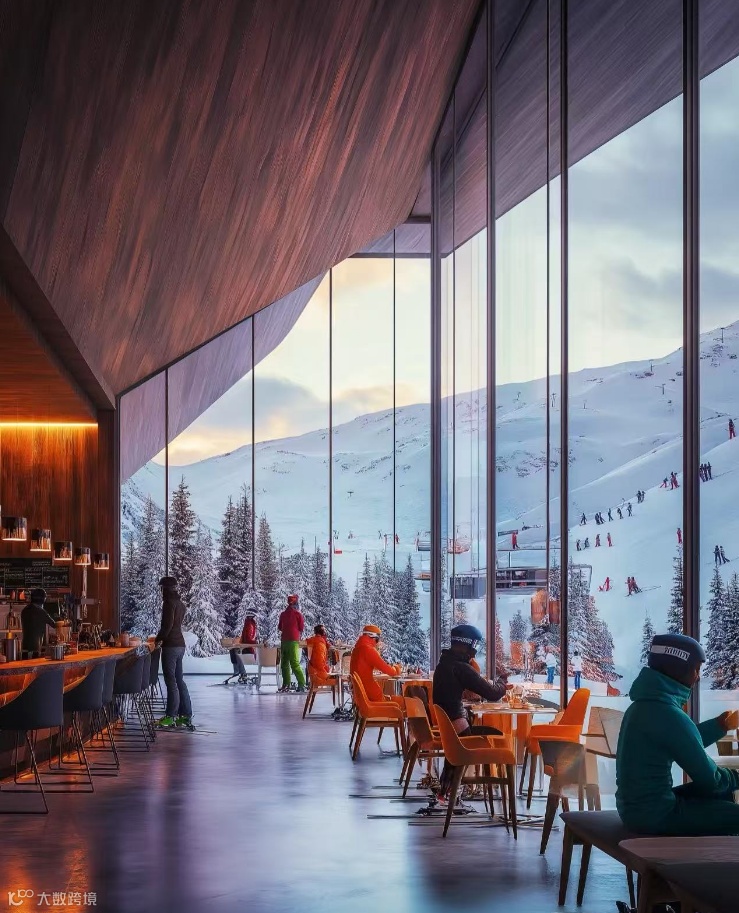
配套服务与衍生消费:住宿(滑雪酒店、民宿):高端度假村主要盈利点。餐饮(山顶餐厅、酒吧):提升客单价。零售(滑雪装备、纪念品):品牌合作或自营商店。
四季运营模式:夏季项目:山地自行车、滑草、露营、音乐节等。会议与团建:企业包场、冰雪主题团建活动。IP合作:如迪士尼冰雪主题乐园、联名赛事。
旅游联动模式:滑雪+观光:结合当地旅游资源(如长白山、阿尔山)。滑雪+文化体验:如日本“滑雪+温泉+日式料理”套餐。
Iii. Profit Model and Product Format of Ski Resorts
The profitability of ski resorts no longer solely relies on ticket sales and ski equipment rentals, but rather achieves maximum revenue through diversified business models: Core income sources: ski ticket sales and ski equipment rentals: basic income, accounting for approximately 30% to 50%. Skiing teaching: Private training courses and group training, with relatively high profit margins. Membership system: Annual and quarterly cards lock in loyal customers. Supporting services and derivative consumption: Accommodation (ski hotels, homestays) : The main profit point of high-end resorts. Catering (Hilltop restaurant, bar) : Increase the average transaction value. Retail (skiing equipment, souvenirs) : Brand cooperation or self-operated stores. Four-season operation mode: Summer projects: mountain biking, grass skiing, camping, music festivals, etc. Meetings and team-building activities: Company-owned venues, ice and snow-themed team-building activities. IP cooperation: such as Disney's ice and snow theme park, co-branded events. Tourism linkage model: Skiing + sightseeing: Integrating local tourism resources (such as Changbai Mountain, Arxan). Skiing + cultural experience: Such as the "skiing + hot spring + Japanese cuisine" package in Japan.

- END -
内容整理|北京爱易设科技、AYS规划设计事务所
素材来源|部分文案及图片来源于网络
文章声明|文章及图片内容仅供参考,我们尊重原创和知识产权,所有转载或改编均会明确标注出处;若不慎侵犯了第三方权益,请立即联系我们,我们将尽快处理。

易老师联系方式:13717943868
▼