


澳大利亚储备银行 (以下简称RBA) 董事会于 2021 年 7 月 6 日星期二举行会议决定货币政策。会议决定为澳大利亚经济继续提供支持。目标是实现低失业率并使通胀率保持在 2% 至 3% 的目标范围内。
尽管就业强劲复苏,但通胀和工资增长仍然低迷。RBA目前预计通胀和工资增长会暂时增加。预计 2021 年通货膨胀率为 1.5%,到 2023 年中期为 2%。随着COVID-19 相关限制的放松,CPI 通胀预计将在截至 6月季度的一年中暂时上升至 3.5% 左右。
RBA确认其量化宽松计划将每周购买价值40 亿澳元的政府债券,直到 11 月中旬为止。目前的1000 亿澳元收购计划将于 9 月结束。
具体而言,该决定包括:
1. 维持2024年4月国债作为收益率目标债券,维持10个基点的目标利率。
2. 在9月初本期债券购买计划完成后,继续购买政府债券。将每周购买 40 亿澳元的债券,直到最早 11 月中旬。
3. 维持现金利率目标在 10 个基点,央行ES结算余额账户的利率为零(注:ES账户为商业银行开设在RBA的账户,可以将多余流动性转回RBA)。
目标利率
去年 3 月在新冠病毒大流行期间推出的 三 年期收益率目标旨在降低融资成本并支持经济。现在 3 年期债券的到期日已移至 2024 年 4 月。董事会决定维持 2024 年4 月的债券作为目标债券,而不是到期日为 2024 年 11 月的债券。董事会还决定维持 10 个基点的(注:收益率曲线控制的)目标利率,与目标现金利率相同。
债券购买
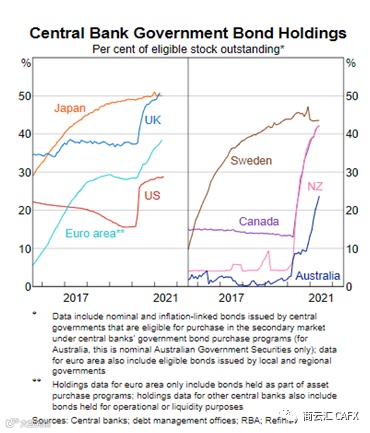
鉴于澳大利亚尚未实现其就业和通胀目标,RBA 将继续购买国债和州政府债券。然而,董事会正在通过调整每周采购量来应对强于预期的经济复苏和改善的前景。后续的审核将在 11 月进行,董事会将回应当时的经济状况。
6 月下旬,根据定期融资机制,商业银行进行了最后一次提款。商业银行通过该工具共提取了 1880 亿澳元,为澳大利亚银行系统增加了流动性。该工具将提供为期 3 年的低成本固定利率资金,并将继续支持低借贷成本,直到 2024 年年中。
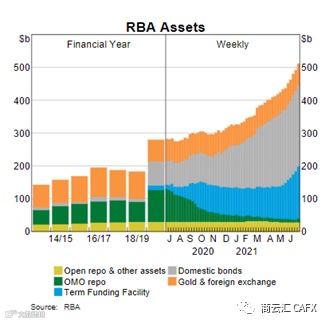
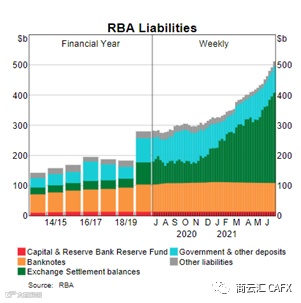
RBA资产负债表(2021 年 7 月 7 日最新更新):
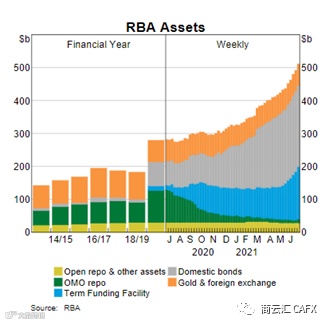
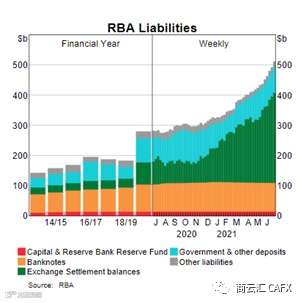
注:回购(Repo)是两方之间的协议,根据该协议,一方将证券出售给另一方,并承诺在以后回购该证券。
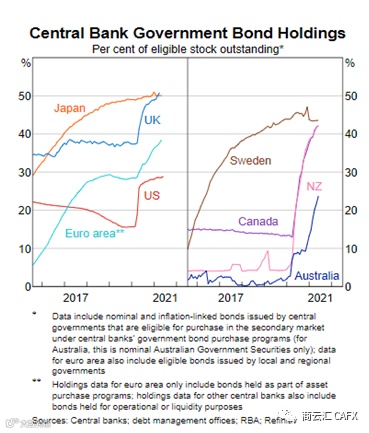
RBA 政府债券购买情况(2021年 7 月 7 日最新更新):
非常规货币政策
当使用改变政策利率以外的工具时,就会出现非常规货币政策。这些工具包括:
· 前瞻性指导
· 资产购买
· 定期融资便利
· 调整市场操作
· 负利率
资产购买
资产购买涉及 RBA 从私营部门购买资产,RBA 通过创建“中央银行准备金”(即 ES 余额)来支付这些资产。
RBA 将为其购买的资产数量或资产的目标价格设定目标。量化宽松是指资产购买的数量目标。RBA 通常购买资产是为了降低无风险资产的利率。
价格目标集中在三年期澳大利亚政府债券的收益率上。RBA 的目标是实现三年期收益率目标,与现金目标利率相同,为0.1%。
数量目标是指RBA大量购买由澳大利亚政府和州与和领地政府发行的政府债券,通常期限在 5 至 10 年左右。目标是降低收益率曲线右侧的利率(长期)。
定期融资便利
定期融资便利涉及 RBA 向金融机构提供低于大多数现有资金来源成本的资金。它降低了借款人的利率并支持向经济提供信贷。
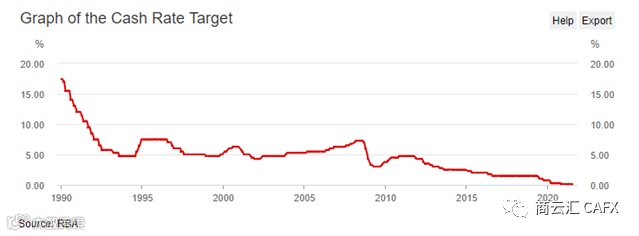
现金利率目标:
现金利率是银行间无抵押贷款的利率。它大约等于澳元的无风险基准 (RFR)。货币政策决定涉及设定现金利率目标,并在每次 RBA 会议后的下午 2:30 发布。
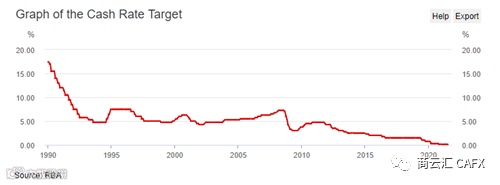
RBA 的现金利率目标历史:
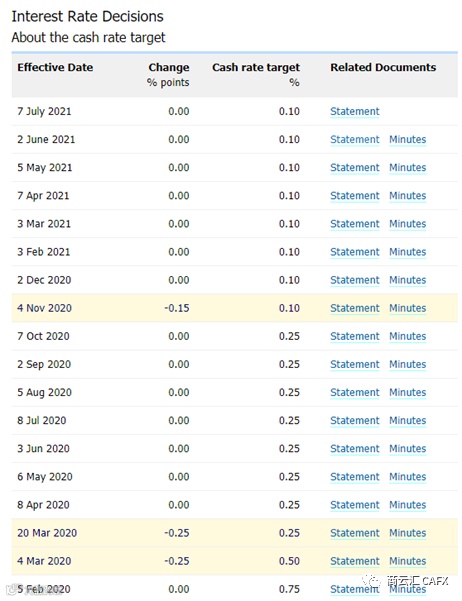
近期利率决定:
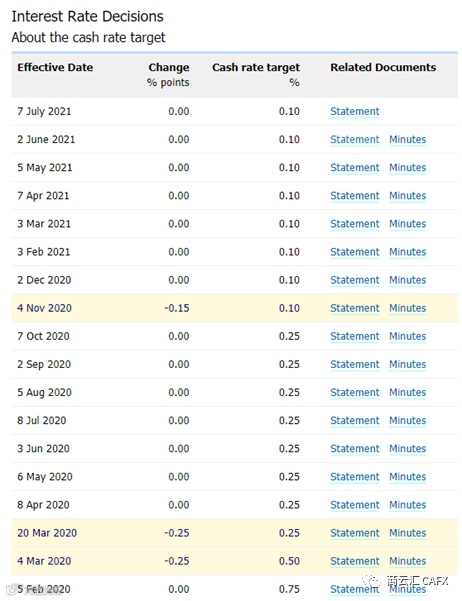
货币政策传导:
RBA的通胀目标平均在 2% 到 3% 之间。现金利率用于影响通货膨胀,以实现这一灵活的中期目标。货币政策的传导是指现金利率的变化如何影响市场利率、经济活动、就业和通货膨胀。
当 RBA 降低现金利率(收紧货币政策)时,经济中的其他利率将下降。支出受到刺激,企业将增加借贷,从而导致经济活动增加。这最终会导致更高的通货膨胀。抬升利率(收紧货币政策)将产生相反的效果。
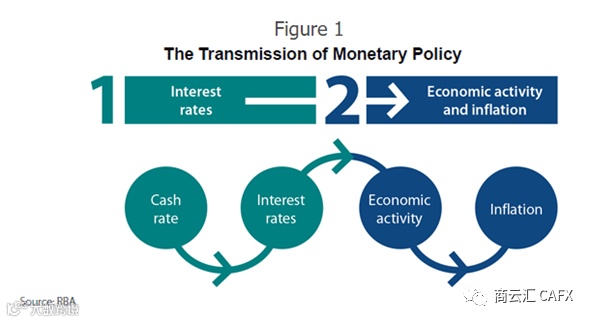
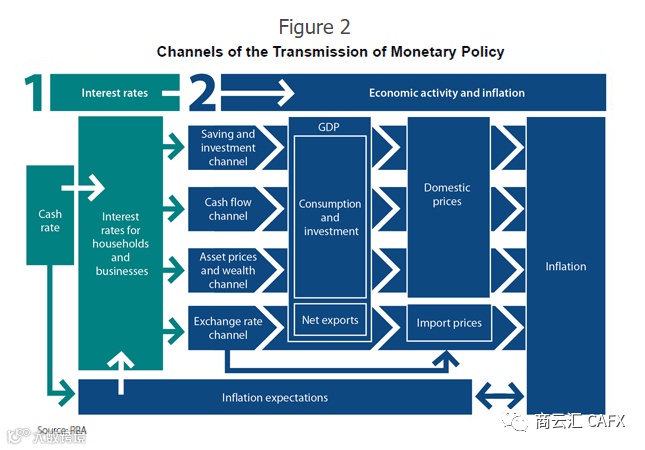
货币政策传导有两个阶段:
1. 现金利率的变化影响经济中的其他利率
2. 这些利率的变化影响经济活动和通货膨胀
货币政策的传导也受市场通胀预期的影响。对通胀的更高预期会导致更高的实际通胀。
货币政策传导的两个阶段:
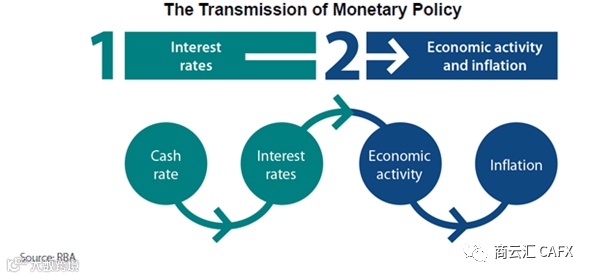
一、货币政策传导的第一阶段
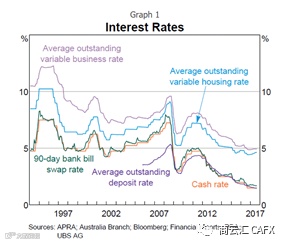
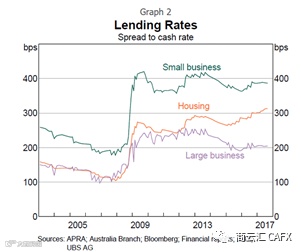
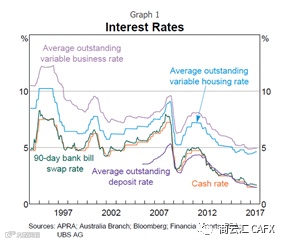
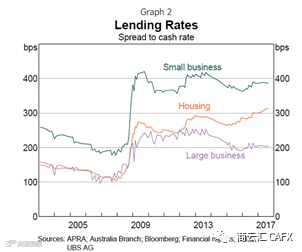
货币政策传导的第一阶段是指现金利率的变化如何影响市场上的其他利率。现金利率被定义为RBA 对商业银行之间的隔夜贷款收取的利率。现金利率会影响金融机构的融资成本、贷款以及家庭和企业的存款利率。
下图显示了利率和贷款利率随时间的变化:
二、货币政策传导的第二阶段
传导的第二阶段是指谁改变利率进一步影响经济活动、就业和通货膨胀。这将通过各种渠道发生(图 2)。
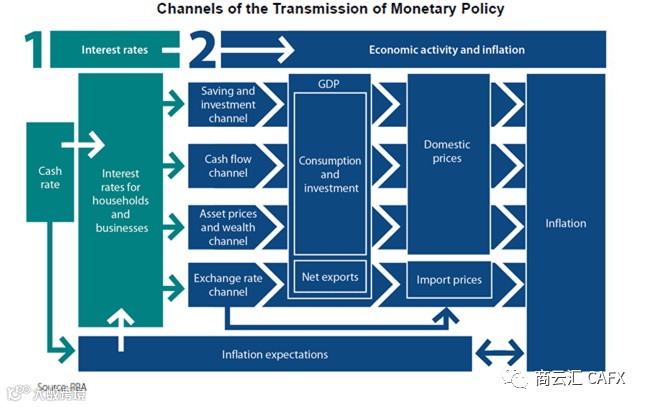
降息将如何影响不同渠道?
现金流渠道
· 对于借款人:较低的贷款利率将减少他们所欠的浮动利率还款,从而导致拥有更高的处置收入。
· 对于贷方:降低债券和银行存款等生息资产的利率将减少利息收入,从而导致可支配收入减少。
· 在澳大利亚,借款人的现金流渠道更为强劲,因为澳大利亚家庭部门是净债务人。较低的利率将导致整个澳大利亚经济的现金流增加。
资产价格与财富通道
· 财富渠道:较低的利率导致对股票和住房等资产的需求增加,从而提高了这些资产的价格。资产价格的上涨也将增加家庭和企业的财富,从而导致更多的支出。
· 资产负债表渠道:较低的利率将增加家庭和企业的借贷能力。
汇率通道
· 现金利率的降低将降低澳大利亚市场相对于世界其他地区的利率。澳大利亚资产相对于外国资产的回报将降低,导致澳元需求下降,从而导致澳元贬值。
· 澳元贬值将降低澳大利亚商品和服务在国际市场上的价格,导致对澳大利亚商品和服务的需求增加。与此同时,国外产品与服务相对于国内产品与服务的价格将更加昂贵。因此,澳元贬值将导致出口量增加和进口量减少(净出口增加)
· 由于进口价格上涨,澳元贬值将导致更高的进口通胀。
市场预期
澳联储重申将维持目前的历史低点现金利率,直到劳动力市场恢复充分就业且通胀率在 2% 至 3% 的目标范围内,预计将在 2024 年实现。下一次 RBA 会议 将于8月3日举行。
研究人员表示,如果经济复苏继续强劲,RBA可能会比当前的指导方针更早地准备调整其现金利率。他们还表示,最近的数据表明,央行在明年将有可能收紧政策。
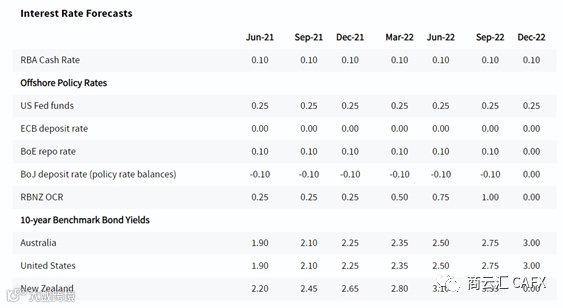
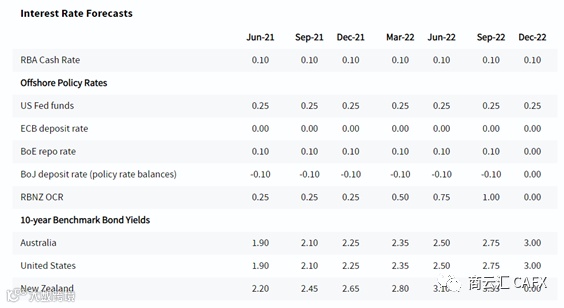
NAB的利率预测:
参考资料:
Cash Rate Target, RBA, https://www.rba.gov.au/statistics/cash-rate/
Today’s monetarypolicy decision, RBA https://www.rba.gov.au/speeches/2021/sp-gov-2021-07-06.html
The Transmission of MonetaryPolicy: How Does It Work? https://www.rba.gov.au/publications/bulletin/2017/sep/1.html
Unconventional monetary policy, https://www.rba.gov.au/education/resources/explainers/unconventional-monetary-policy.html
Central bank balance sheet and bondpurchases, https://www.rba.gov.au/chart-pack/central-bank-balance-sheets-bond-purchases.html
RBA flags change to housing marketand interest rates as economy bounces back, https://www.theage.com.au/politics/federal/rba-keeps-rates-unchanged-but-starts-winding-back-emergency-levels-of-support-20210706-p587b0.html
英文版
RBA
TheBoard of Reserve Bank of Australia (RBA) met on Tuesday 6th July2021 to decide the monetary policy. The policymakers decided to provide ongoingsupport for the Australian economy. The goal is to achieve a low unemploymentrate and keep the inflation rate consistent with the target range of 2 to 3percent.
Despitethe strong recovery in employment, the inflation and the wage growth outcomesremain subdued. RBA currently expects a temporary increase in inflation andwage growth. Inflation is expected to be 1.5 percent over 2021 and 2 percent bymid-2023. CPI inflation is expected to rise temporarily to about 3.5 percentover the year to the June quarter as the easing of COVID-19 relatedrestrictions.
The RBA confirms that under its quantitative easing program, RBA will purchase $4billion worth of government debt until at least mid-November. The current $100billion round of purchase is due to end in September.
Inparticular, the decision includes:
1. Retain the April2024 bond as the bond for the yield target and retain the target of 10basis points.
2. Continue purchasinggovernment and semi-government bonds after the completion of the currentbond purchase program in early September. We will purchase $4 billion of bondsa week until at least mid-November.
3. Maintain the cashrate target at 10 basis points and the interest rate on Exchange Settlementbalances of zero percent.
Yield Target:
The3-year yield target introduced in March last year during the pandemic aimed tolower the funding costs and support the economy. Now the maturity date for a3-year bond has moved to April 2024. The Board decided to maintain the April2024 bond as the target bond, rather than using the bond with a maturity dateof November 2024. The Board also decided to remain the target of 10 basispoints, which is the same rate as the target cash rate.
Bond Purchase
RBAwill continue to purchase bonds given Australia has not yet achieved itsemployment and inflation objectives. However, the Board is responding to thestronger-than-expected economic recovery and improves outlook by adjusting theweekly amount purchased. Further review will be conducted in November and theBoard will respond to the state of the economy at that time.
Inlate June, the final drawdowns under the Term Funding Facility were made. $188billion has been drawn down under this facility in total, adding liquidity tothe Australian banking system. The facility is providing low-cost fixed-ratefunding of 3 years tenor and will continue to support low borrowing costs untilmid-2024.
RBA Balance sheet (latest updateon 7 July 2021):
Note: A repo is an agreement between two parties under which one party sells asecurity to the other, with a commitment to buy back the security at a laterdate.
RBA government bond purchase(latest update on 7 July 2021)
UnconventionalMonetary Policy
Unconventionalmonetary policy occurs when tools other than changing a policy interest rateare used. These tools include:
forward guidance
asset purchases
term funding facilities
adjustments to market operations
negative interest rates
AssetPurchases
Assetpurchases involve the purchase of assets by the RBA from the private sector andRBA pays for these assets by creating ‘central bank reserves’ (ExchangeSettlement or ES balances).
RBAwill set a target for the quantity of assets it will purchase or atarget price of an asset. Quantitative Easing refers to thequantity target for asset purchase. RBA usually purchase assets in order tolower interest rate on risk-free assets.
Theprice target focused on the yield on a three-year Australian Governmentbond. RBA aims to achieve the target for three-year yield, which is the same asthe cash target rate at 10 basis points.
TheQuantity Target refers to the RBA purchasing a large amount ofgovernment bond, typically around 5 to 10 years maturity, issued by theAustralian government and the state and territory government. The goal is tolower the interest rate at the right side of the yield curve (long term).
TermFunding Facilities
Termfunding facilities involves RBA providing funding to financial institutionsthat are lower than the cost of most existing funding sources. It reduces theinterest rate for borrowers and supports the supply of credit to theeconomy.
Cash Rate Target:
Thecash rate is the interest rate on unsecured loans among banks. It isapproximately equal to the risk-free benchmark (RFR) for AUD. Monetary policydecision involves setting a cash rate target and it is released at 2:30 pmafter each RBA meeting.
RBA’s past target cash rate:
RecentInterest rate Decision:
The Transmission of Monetary policy:
TheRBA has an inflation target in a range between 2 and 3 percent on average. Thecash rate is used to influence inflation in order to achieve this flexiblemedium-term target. The transmission of the monetary policy refers to how achange in cash rate impacts the interest rate in the market, economic activity,employment, and inflation.
WhenRBA lowers the cash rate (tightening monetary policy), other interest rates inthe economy will fall. Spending is stimulated and business will increaselending and borrowing, resulting in an increase in economic activity. This willeventually lead to a higher inflation. A hike of interest rate a tightening of monetary policy) will have the opposite effect.
Thetransmission of monetary policy has two stages:
1. Changes to the cash rate affects other interest rate in theeconomy;
2. Changes in these economic activity and inflation affected by interestrates.
Thetransmission of monetary policy is also influenced by the market expectation ofinflation. The higher expectations for inflation can lead to higher actualinflation.
Figures: The two stages of the transmission of monetary policy:
1. The First Stage of Monetary Policy Transmission
Thefirst stage of monetary policy transmission refers to how changes to the cashrate affect other interest rates in the market. The cash rate is defined asthe rate of interest which the RBA charges on overnight loans among commercialbanks. The cash rate influences the funding cost of financial institutions,lending, and deposit rate for households and businesses.
Thefollowing graphs show the change in the interest rate and lending rate overtime:
2. The Second Stage of Monetary Policy Transmission
The second stage of transmission refers to how changeson interest rate influences economic activities, employment, and inflation.This occurs through various channels (Figure 2).
Howwill a reduction in interest rate affect different channels?
Thecash flow channel
· For borrowers: lower lending rate will reduce the variable raterepayment they owe, resulting in a higher disposal income.
· For lenders: lower rates on interest-earning assets such as bondsand bank deposits will reduce interest income, resulting in a reduction indisposable income.
· In Australia, the cash flow channel is stronger for borrowerssince the Australian household sector is a net debtor. Thus, a lower interestrate will lead to a higher cash flow in the whole Australian economy.
Theasset price and wealth channel
· The wealth channel: a lower interest rate leads to higher demandof assets such as equities and properties, raising the prices of these assets.An increase in asset price will also increase the wealth of households andbusinesses, leading to more spending.
· The balance sheet channel: lower interest rate will increase theborrowing capacity of households and businesses.
Theexchange rate channel
· A reduction in the cash rate will lower the interest rate in theAustralian market relative to the rest of the world. The Australian asset willhave a lower return relative to foreign assets, resulting in a lower demand ofAUD and hence leads to a depreciation in the AUD.
· A depreciation in the AUD will reduce the price of Australiangoods and services in the international market, resulting in a higher demandfor Australian goods and services. In the meantime, foreign products services willbe more expensive relative to domestic products. Thus, a depreciation in AUDwill lead to a higher export volume and a lower import volume (higher netexport)
· Depreciation in AUD will lead to higher imported inflation due toan increase in import prices.
Market Expectation
RBAreiterated that it will maintain the cash rate at its current all-time lowuntil the labour market returns to the full employment, approximately low 4%,and inflation are in the target range of 2 to 3 percent, which is expected tobe achieved by 2024. The next RBA meeting will be held on the 3rd ofAugust.
Researcherssuggest that RBA may be preparing for an adjustment on its cash rate earlierthan the current guideline if the economic recovery continues to be strong.They also indicate that recent data flow suggests tighter policy next year iscertainly possible.
Interestrate forecast from NAB:
References:
Cash Rate Target, RBA, https://www.rba.gov.au/statistics/cash-rate/
Today’smonetary policy decision, RBA https://www.rba.gov.au/speeches/2021/sp-gov-2021-07-06.html
The Transmission of Monetary Policy: How Does It Work?https://www.rba.gov.au/publications/bulletin/2017/sep/1.html
Unconventionalmonetary policy, https://www.rba.gov.au/education/resources/explainers/unconventional-monetary-policy.html
Central bankbalance sheet and bond purchases, https://www.rba.gov.au/chart-pack/central-bank-balance-sheets-bond-purchases.html
RBA flagschange to housing market and interest rates as economy bounces back, https://www.theage.com.au/politics/federal/rba-keeps-rates-unchanged-but-starts-winding-back-emergency-levels-of-support-20210706-p587b0.html
如果您的生意有外汇结售汇,外汇风险控制的需求,我们欢迎您随时联系CorporateAlliance FX (CAFX)。

欢迎联系我们的National Sales Manager
获取更多服务信息

商云汇(CAFX)官方微信订阅号涉及的内容仅供参考,不构成对所述金融产品的出价、征价、要约或要约邀请,不构成任何合同或承诺的基础,不构成买卖任何投资工具或者达成任何交易的推荐,亦不构成财务、法律、税务、投资建议、投资咨询意见或其他意见,对任何因直接或间接使用本微信涉及的信息和内容或者据此进行投资所造成的一切后果或损失,商云汇不承担任何法律责任。
商云汇Corporate Alliance Group Pty Ltd T/A Corporate Alliance FX (CAFX) (ABN 58 167 119 226, AFSL 523351) (即CAFX)。
CAFX独立持有澳洲金融服务牌照No. 523351 (AFSL),因此CAFX受澳洲证券与投资委员会(ASIC)监管,尽管ASIC是监管严格的规管机构,但其并不对特定的金融产品进行背书。ASIC对CAFX的监管应用于CAFX持有的金融牌照下的所有服务,包含外汇结售汇,外汇付款,外汇风险控制,套期保值等衍生品的发行,做市和提供金融建议咨询。