1. 中国以1.401亿美元净额领跑巴基斯坦二月外商直接投资
China leads Pakistan’s February FDI with $140.1m in net inflows
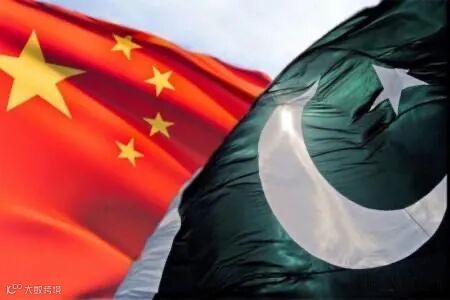
根据巴基斯坦国家银行周一发布的最新统计数据,巴基斯坦在2月份吸引了2.135亿美元的净外国直接投资,其中中国占据了最大份额。
当月,中国的资本毛流入额为1.512亿美元,记录到的资本流出为1110万美元,因此其净投资额为1.401亿美元。这占巴基斯坦2月份外商直接投资总额的65.62%。
累计来看,在本财年(2025-26财年)的前八个月(7月至2月),巴基斯坦共吸引了11.9亿美元的净外商直接投资。在此期间,仅中国就贡献了6.357亿美元。
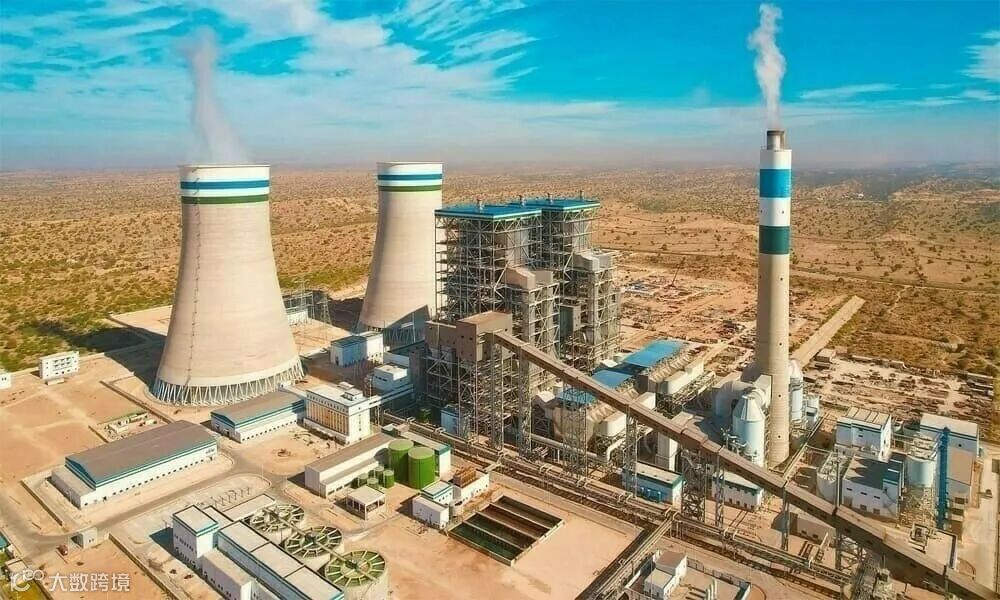
按行业划分,电力、燃气、蒸汽和空调供应部门吸引了最高的投资,达6.558亿美元。制造业部门获得了2.81亿美元,其次是建筑业,为9480万美元,其余部分分布在其他部门。
Pakistan attracted $213.5 million in net foreign direct investment (FDI) in February, with China accounting for the largest share, according to the State Bank of Pakistan’s (SBP) latest statistics released Monday.
China contributed $151.2 million in gross inflows during the month, while $11.1 million was recorded as outflow, bringing its net investment to $140.1 million. This represents 65.62% of Pakistan’s total FDI for February.
Cumulatively, during the first eight months of FY 2025-26 (July–February), Pakistan attracted a total net FDI of ($1.19 billion. Of this total, $635.7 million was attributed to China alone during the period.
Sector-wise, the electricity, gas, steam, and air conditioning supply sector attracted the highest investment at $655.8 million. The manufacturing sector received $281 million, followed by construction with $94.8 million, while the remainder distributed across other sectors.
2.卡拉奇新开通一条国产电动巴士线路
New route for China-made EV buses opens in Karachi
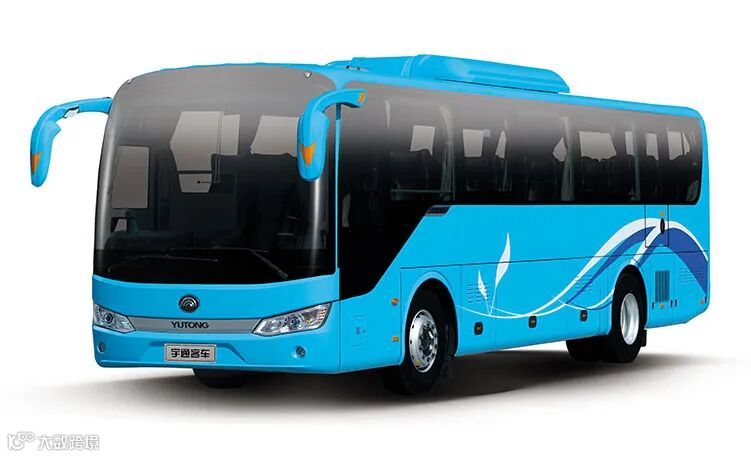
周二下午,信德省交通部组织了新线路的开通仪式,交通部长沙吉勒·伊纳姆·梅蒙、卡拉奇市长穆尔塔扎·瓦哈卜及其他官员出席。
梅蒙在活动上表示,引入电动巴士是卡拉奇交通系统现代化进程中的一个重要里程碑,同时也有助于减少碳排放并提升通勤者的舒适度。
官员们指出,通过中巴经济走廊合作得到强化的中国技术伙伴关系,正使巴基斯坦得以采用更清洁的交通解决方案和现代化城市基础设施。
该部长还强调了包括粉红巴士服务和粉红电动车在内的其他举措,这些举措旨在提升女性的出行便利和赋能,他称这些是迈向包容性城市发展的变革性步骤。
新的电动巴士线路将特别惠及古尔山-梅马尔地区的居民,解决该地区长期存在的交通难题。
Reflecting the expanding scope of Pakistan-China cooperation from infrastructure to sustainable urban development, the Sindh provincial government has inaugurated a new route for China-manufactured electric buses, marking another step toward environmentally friendly public transport in line with China-Pakistan Economic Corridor (CPEC)’s modernization vision.
The inauguration ceremony, organized by the Sindh Transport Department on Tuesday afternoon, was attended by Senior Minister Sharjeel Inam Memon, Karachi Mayor Murtaza Wahab, and other officials.
Speaking at the event, Memon said the introduction of EV buses represents a major milestone in modernizing Karachi’s transport system while reducing carbon emissions and improving commuter comfort.
Officials noted that Chinese technology partnerships, strengthened through CPEC cooperation, are enabling Pakistan to adopt cleaner mobility solutions and modern urban infrastructure.
The minister highlighted additional initiatives including the Pink Bus Service and Pink Scooties, which are aimed at improving women’s mobility and empowerment, calling them transformative steps toward inclusive urban development.
The new EV bus route will particularly benefit residents of Gulshan-e-Maymar, addressing long-standing transportation challenges in the area.
3.巴基斯坦前八月工业生产增长5.75%,1月产出同比跃升超10%
Pakistan factory output grows 5.75% in eight months, January output jumps over 10%
巴基斯坦的大规模制造业在2025-26财年的7月至1月期间录得5.75%的增长,其中2026年1月的产出加速显著,其制造业量指数跃升至144.00,这标志着同比增长10.54%,较2025年12月环比增长12.08%。
2025-26财年7月至1月的累计制造业量指数为121.46,高于去年同期的114.85,反映出关键制造领域的广泛复苏。
从月度数据看,工业产出显示出强劲势头,1月份的指数显著高于2025年1月的130.27和2025年12月的128.48。
分行业数据显示,汽车成为表现最强劲的领域,1月份增长67.31%,7月至1月期间累计增长67.38%。
服装业也呈现显著扩张,1月增长10.82%,累计增长8.02%;同期水泥产量在1月增长10.83%,在七个月期间累计增长11.49%。
石油产品在1月增长2.36%,而在7月至1月期间有更强劲的11.71%增长,表明能源领域需求持续。
其他贡献增长的行业包括食糖(1月增长24.25%,累计增长6.95%),以及棉纱和棉布(1月分别小幅增长1.59%和0.14%)。
相比之下,化肥产量在1月下降1.09%,累计期内下降1.26%;而钢铁产量在1月收缩8.87%,7月至1月期间收缩5.10%。
大规模制造业整体5.75%的增长主要由服装(贡献1.34个百分点)、汽车(1.61个百分点)、石油产品(0.85个百分点)、水泥(0.64个百分点)和食品(0.58个百分点)拉动。
额外的增长贡献来自烟草(0.16个百分点)、纺织品(0.28个百分点)、电气设备(0.25个百分点)、其他运输设备(0.24个百分点)和家具(0.18个百分点)。
然而,有几个行业对整体增长产生了下行压力。医药行业使增长率降低了0.29个百分点,钢铁降低0.22个百分点,化工降低0.11个百分点,机械设备降低0.07个百分点,纸和纸板降低0.04个百分点。
详细的行业趋势显示,7月至1月期间食品生产增长3.28%,饮料增长5.54%,烟草增长10.71%。
纺织品在累计期内录得1.65%的增长,而服装增长8.02%,表明附加值较高的领域表现相对更强。
包括水泥在内的非金属矿物产品增长10.44%,电气设备增长9.97%,反映出工业需求有所改善。
汽车制造业仍然是关键驱动力,得益于7月至1月期间67.38%的增长,同时其他运输设备增长40.59%。
家具产量在累计期内也扩张了13.05%,而包括足球生产在内的其他制造业增长24.99%。
在下降的方面,7月至1月期间皮革制品收缩1.02%,木制品下降1.42%。
化工产品下降1.52%,化肥下降1.26,而医药行业在此期间则录得更大幅度的收缩4.82%。
钢铁产品下降5.10%,而机械设备在2025-26财年7月至1月期间录得最急剧的收缩,达18.83%。
Pakistan’s Large Scale Manufacturing Industries (LSMI) recorded a growth of 5.75% during July–January FY2025-26, with output accelerating sharply in January 2026 as the Quantum Index of Manufacturing (QIM) rose to 144.00, marking a 10.54% increase year-on-year and a 12.08% rise compared to December 2025.
The cumulative QIM for July–January FY2025-26 stood at 121.46, compared to 114.85 in the same period last year, reflecting broad-based recovery across key manufacturing segments.
On a monthly basis, industrial output showed strong momentum, with January’s index significantly higher than 130.27 recorded in January 2025 and 128.48 in December 2025.
Sector-wise data indicates that automobiles emerged as the strongest-performing segment, posting a 67.31% increase in January and 67.38% growth over the July–January period.
Garments also showed notable expansion, rising 10.82% in January and 8.02% cumulatively, while cement output increased by 10.83% during the month and 11.49% over the seven-month period.
Petroleum products recorded a 2.36% increase in January and a stronger 11.71% growth over July–January, indicating sustained demand in the energy sector.
Other sectors that contributed to growth included sugar, which rose 24.25% in January and 6.95% cumulatively, as well as cotton yarn and cotton cloth, which posted modest gains of 1.59% and 0.14% respectively for January.
In contrast, fertilisers declined by 1.09% in January and 1.26% over the cumulative period, while iron and steel output contracted by 8.87% in January and 5.10% during July–January.
The overall 5.75% growth in LSMI was supported primarily by garments (1.34 percentage points), automobiles (1.61 points), petroleum products (0.85 points), cement (0.64 points), and food (0.58 points).
Additional contributions came from tobacco (0.16 points), textiles (0.28 points), electrical equipment (0.25 points), other transport equipment (0.24 points), and furniture (0.18 points).
However, several sectors exerted downward pressure on overall growth. Pharmaceuticals reduced growth by 0.29 percentage points, iron and steel by 0.22 points, chemicals by 0.11 points, machinery and equipment by 0.07 points, and paper and board by 0.04 points.
Detailed sectoral trends show that food production increased by 3.28% during July–January, while beverages rose 5.54% and tobacco expanded by 10.71%.
Textiles recorded 1.65% growth over the cumulative period, while wearing apparel rose 8.02%, indicating relatively stronger performance in value-added segments.
Non-metallic mineral products, which include cement, grew by 10.44%, while electrical equipment increased by 9.97%, reflecting improved industrial demand.
Automobile manufacturing remained a key driver, supported by a 67.38% rise during the July–January period, alongside a 40.59% increase in other transport equipment.
Furniture output also expanded by 13.05% cumulatively, while other manufacturing, including football production, rose by 24.99%.
On the declining side, leather products contracted by 1.02% during July–January, while wood products fell by 1.42%.
Chemical products posted a 1.52% decline, fertilizers dropped by 1.26%, and pharmaceuticals recorded a sharper contraction of 4.82% over the period.
Iron and steel products declined by 5.10%, while machinery and equipment recorded the steepest contraction at 18.83% during July–January FY2025-26.

中巴经贸