


Charting China’s Next Chapter: Insights from the Fourth Plenary Session

作者:本刊(l l A B)联合国观察员/Qaiser Nawab BRISD 主席
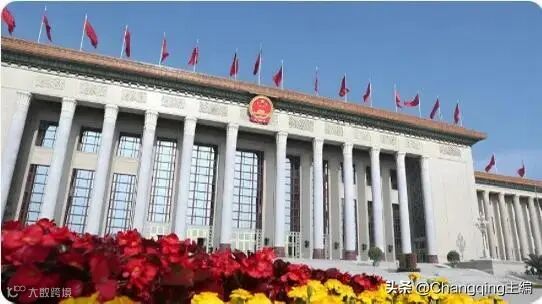
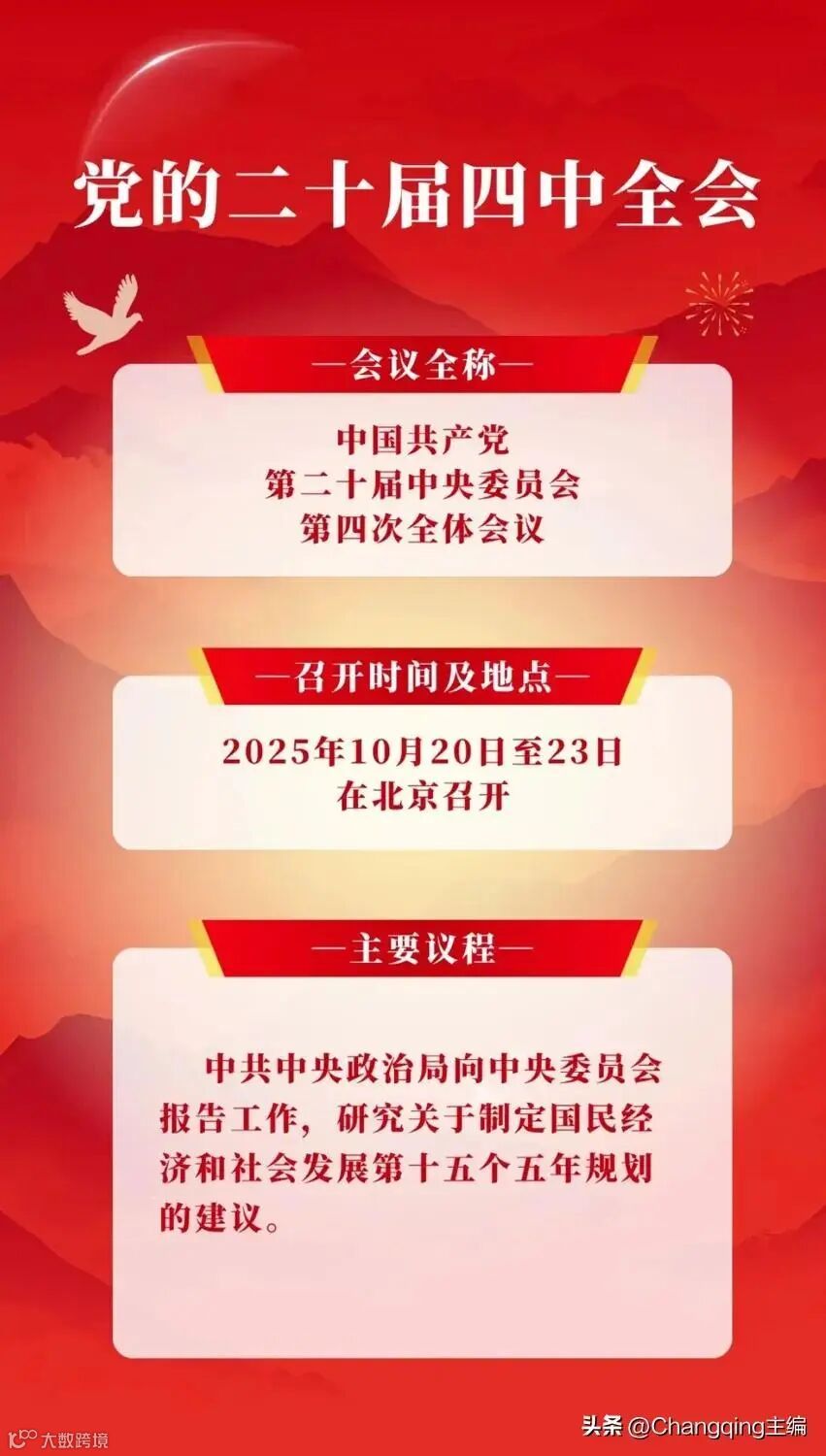
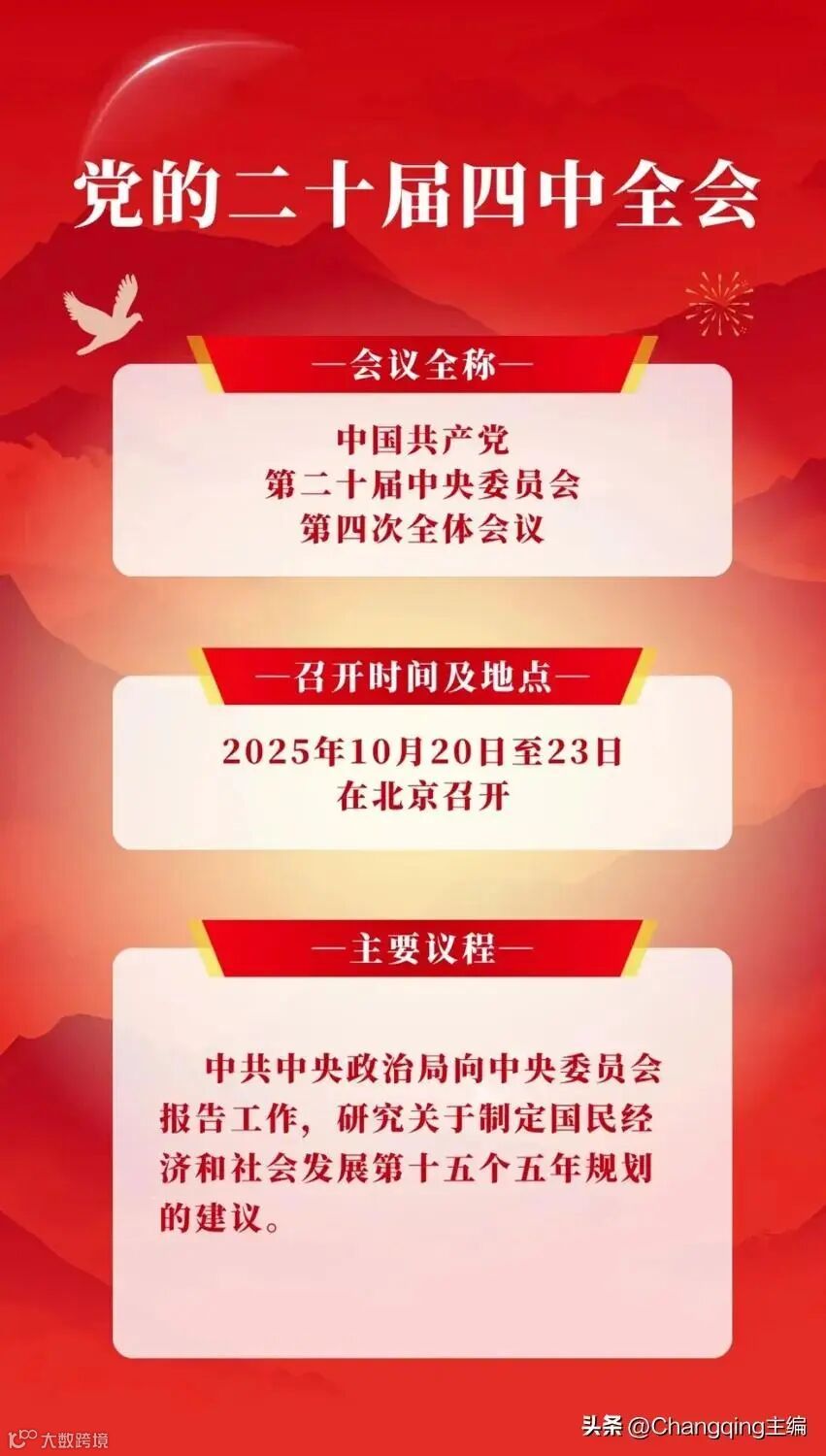
中国共产党第20届4中全会10月在北京闭幕,这次盛会为中国经济和社会的长远发展指明了方向。在为期4天的审议中,会议回顾了“十四五”期间(2021-2025年)取得的进展,为制定“十五五”规划(2026-2030年)奠定了基础。
会议结束时,重点很明确:中国寻求迈向“高质量发展”阶段——这个阶段不仅取决于增长速度,还取决于创新、可持续性和与全球经济的融合。会议重申了中国政策规划传统的连续性,同时适应了快速变化的国内和全球格局。
A、巩固“十四五”成果
4中全会议强调了在正在进行的“十四五”规划期间取得的重大进展。在经济方面,尽管全球环境充满挑战,包括供应链中断、地缘政治紧张局势和全球需求低迷,但中国仍设法保持稳定增长。在强大的制造业基础、持续的基础设施发展和有弹性的国内消费的支持下,该国的 GDP 在几个季度内增长超出预期。
产业升级是其中最显著的成果之一。高技术制造业在工业总产值中的比重稳步上升,半导体、可再生能源、电动汽车等行业实现创纪录增长。这些转变标志着从对低成本制造业的依赖向创新驱动型产业的战略转变——这是中国政策制定者现在所说的“新质生产力”的基础。”
除了工业之外,社会发展也在全体讨论中占据了重要地位。医疗保健、教育和数字治理方面的进展扩大了中国的社会安全网,改善了公民获得基本服务的机会。人均可支配收入的稳步增长,加上扶贫和乡村振兴政策,反映了对城乡平衡发展的更广泛承诺。
环境管理作为“十四五”规划的另一核心支柱,也取得了进展。通过在可再生能源、绿色金融和碳减排等方面的重大政策干预,中国将继续实现其双碳目标——2030年前排放达峰和2060年前实现中和。全体会议重申了这些承诺,将环境责任定位为中国未来经济架构不可或缺的一部分,而不是边缘问题。
B、共建未来:“十五五”规划

四中全会的核心是“十五五”规划的概念框架,这是指导中国2026年至2030年政策方向的蓝图。审议体现了在发展“新质生产力”的旗帜下,高度重视技术创新、产业融合和现代化建设。
这一概念体现了从传统增长模式向以科学、技术和数字化转型为主导的增长模式的转变。人工智能、绿色技术、生物技术和先进制造有望定义下一阶段。强调促进研究机构和行业之间的协同效应标志着创新与生产的更深层次融合——中国希望这种充满活力的融合能够增强其全球竞争力。
即将出台的计划还有望进一步扩大中国的国内市场潜力——在全体会议文件中被称为“巨大的市场优势”。“中国人口超过 14 亿,消费格局正在迅速发展,其特点是向更高价值的商品和服务转变。从电动汽车到智能家电和数字娱乐,国内消费正在成为该国经济结构的稳定力量。
领导层重新关注“消费升级”和“进口潜力”,这表明中国旨在将自己定位为生产国和全球消费中心。扩大先进设备、农产品和服务进口的努力符合这种双重方法——确保中国的增长继续为全球需求做出贡献。
预计金融改革也将伴随着这一转变。会议强调需要稳定的资本市场、加强金融服务的开放以及加强监管机制以防范系统性风险。这些措施表明,第15个五年计划不仅将优先考虑增长,还将优先考虑韧性和可持续性。
四中全会的特色之一是重申“高标准开放”。这句话现已成为中国政策词典中不可或缺的一部分,标志着中国致力于通过“一带一路”倡议(BRI)等平台深化国际合作和推进共同发展。
自十多年前提出以来,“一带一路”倡议已从以基础设施为主导的愿景发展成为互联互通、贸易和技术伙伴关系的多方面框架。全体公报强调了该倡议在促进可持续发展和加强全球经济一体化方面的作用。目前有超过150个国家参与“一带一路”合作,涵盖交通走廊、绿色能源项目和数字贸易网络。
在此背景下,会议的成果具有超越中国国界的意义。对于发展中国家——特别是亚洲、非洲和拉丁美洲的国家——来说,对包容性增长和基础设施合作的重新重视为共同进步提供了机会。
同样重要的是,在全球日益分裂的时代,中国对多边主义的追求。通过参与全球治理机构、贸易论坛和气候对话,北京继续倡导以对话为基础的解决方案来应对国际挑战。“互利共赢”的承诺虽然经常以外交术语来表达,但也反映了务实的经济考虑:维持开放的市场和稳定的供应链仍然符合所有人的利益。
四中全会还重申了中国维护国家主权、维护社会稳定的决心,标志着国内治理的连续性。通过强调政治统一、制度现代化和长期战略规划,领导层旨在确保政策在连续规划周期中的一致性——这一特点长期以来使中国的治理模式与众不同。
本周在北京提出的愿景反映了对内实力和对外参与之间的平衡——这种结合不仅将塑造中国未来五年,而且将塑造未来十年更广泛的全球经济格局。
作者简介:
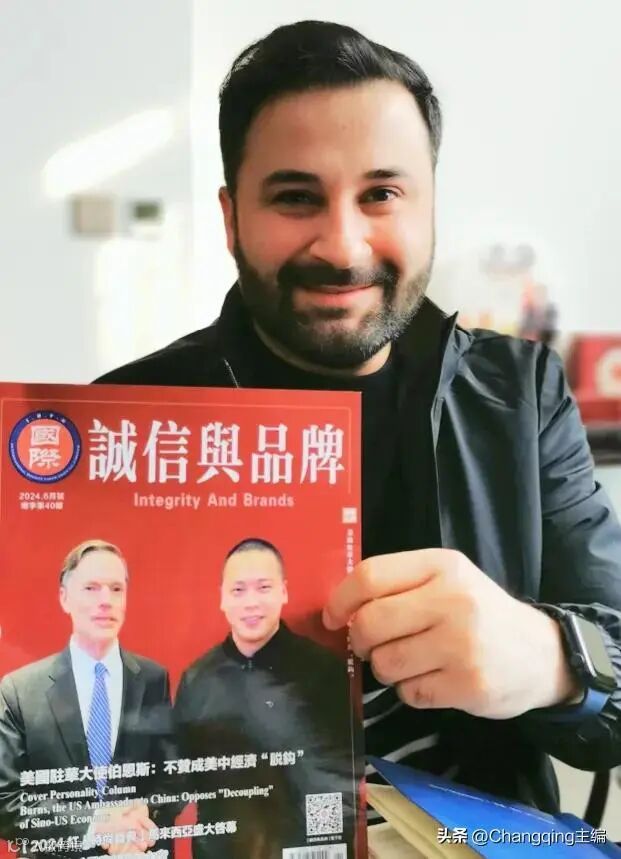
作者是本刊(l l A B)巴基斯坦高级代表Qaiser Nawab 还是“一带一路”可持续发展倡议 (BRISD) 主席,该倡议是一个专注于促进亚洲、非洲和拉丁美洲合作与创新的国际平台。
英文内容:
Qaiser Nawab, Chairman BRISD
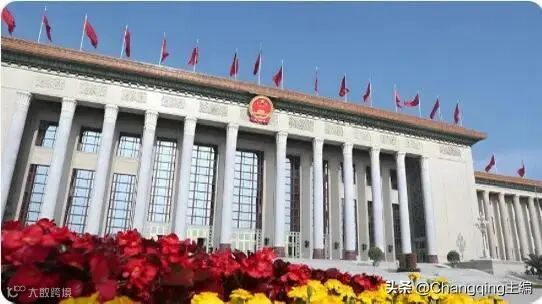
The Fourth Plenary Session of the 20th Central Committee of the Communist Party of China (CPC) concluded in Beijing this week, setting the course for the nation’s long-term economic and social trajectory. Over four days of deliberations, the meeting reviewed the progress made during the 14th Five-Year Plan period (2021–2025) and laid the groundwork for the formulation of the 15th Five-Year Plan (2026–2030).
As the meeting concluded, the emphasis was clear: China seeks to advance toward a phase of “high-quality development” — one defined not merely by the pace of growth, but by innovation, sustainability, and integration with the global economy. The session reaffirmed the continuity of China’s policy planning tradition while adapting to a rapidly evolving domestic and global landscape.
Consolidating Gains of the 14th Five-Year Plan
The plenary session underscored the significant progress achieved during the ongoing 14th Five-Year Plan period. In economic terms, China managed to maintain steady growth despite a challenging global environment marked by supply chain disruptions, geopolitical tensions, and subdued global demand. The nation’s GDP expanded beyond expectations in several quarters, supported by a robust manufacturing base, sustained infrastructure development, and resilient domestic consumption.
Industrial upgrading stood out as one of the most notable achievements. The proportion of high-tech manufacturing in overall industrial output has steadily increased, with sectors such as semiconductors, renewable energy, and electric vehicles witnessing record growth. These shifts mark a strategic departure from dependence on low-cost manufacturing toward innovation-driven industries — a foundation for what Chinese policymakers now term “new quality productive forces.”
Beyond industry, social development also featured prominently in the plenary discussions. Progress in healthcare, education, and digital governance has expanded China’s social safety net and improved citizens’ access to essential services. The steady rise in per capita disposable income, coupled with poverty alleviation efforts and rural revitalization policies, reflects a wider commitment to balanced development between urban and rural regions.
Environmental stewardship, another core pillar of the 14th Five-Year Plan, has also advanced. Through major policy interventions in renewable energy, green finance, and carbon emissions reduction, China remains on course to meet its dual carbon goals — peaking emissions before 2030 and achieving neutrality by 2060. The plenary session reaffirmed these commitments, positioning environmental responsibility as integral to China’s future economic architecture rather than a peripheral concern.

Building the Future: The 15th Five-Year Plan
At the heart of the Fourth Plenary Session was the conceptual framework for the 15th Five-Year Plan — the blueprint that will guide China’s policy direction from 2026 to 2030. The deliberations reflected a strong focus on technological innovation, industrial integration, and modernization, under the banner of developing “new quality productive forces.”
This concept embodies a shift from traditional growth models to one led by science, technology, and digital transformation. Artificial intelligence, green technologies, biotechnology, and advanced manufacturing are expected to define this next phase. The emphasis on fostering synergy between research institutions and industries signals a deeper fusion of innovation and production — a dynamic China hopes will enhance its global competitiveness.
The upcoming plan is also expected to further expand China’s domestic market potential — referred to in the plenary documents as the “huge market advantage.” With a population exceeding 1.4 billion, China’s consumption landscape is evolving rapidly, marked by a shift toward higher-value goods and services. From electric mobility to smart appliances and digital entertainment, domestic consumption is emerging as a stabilizing force in the country’s economic structure.
The leadership’s renewed focus on “consumption upgrading” and “import potential” suggests that China aims to position itself as both a producer and a global consumer hub. Efforts to expand imports of advanced equipment, agricultural products, and services align with this dual approach — ensuring that China’s growth continues to contribute to global demand.
Financial reforms are also expected to accompany this transformation. The session emphasized the need for stable capital markets, greater openness in financial services, and enhanced regulatory mechanisms to guard against systemic risks. These measures indicate that the 15th Plan will not only prioritize growth but also resilience and sustainability.
One of the defining features of the Fourth Plenary Session was its reaffirmation of “high-standard opening up.” This phrase, now integral to China’s policy lexicon, signals a commitment to deepening international cooperation and advancing shared development through platforms such as the Belt and Road Initiative (BRI).
Since its inception over a decade ago, the BRI has evolved from an infrastructure-led vision to a multifaceted framework for connectivity, trade, and technology partnership. The plenary communiqué highlighted the initiative’s role in fostering sustainable development and enhancing global economic integration. Over 150 countries are now engaged in BRI cooperation, spanning transport corridors, green energy projects, and digital trade networks.
In this context, the outcomes of the session carry significance beyond China’s borders. For developing nations — particularly those in Asia, Africa, and Latin America — the renewed emphasis on inclusive growth and infrastructure cooperation offers opportunities for shared progress.
Equally important is China’s pursuit of multilateralism at a time of increasing global fragmentation. Through engagement in global governance institutions, trade forums, and climate dialogues, Beijing continues to advocate for dialogue-based solutions to international challenges. The commitment to “mutual benefit and win-win cooperation,” though often framed in diplomatic terms, also reflects pragmatic economic considerations: sustaining open markets and stable supply chains remains in the interest of all.

The Fourth Plenary Session also reaffirmed China’s determination to safeguard national sovereignty and maintain social stability, signaling continuity in domestic governance. By emphasizing political unity, institutional modernization, and long-term strategic planning, the leadership aims to ensure policy consistency across successive planning cycles — a feature that has long set China’s governance model apart.
The vision articulated in Beijing this week reflects a balance between inward strength and outward engagement — a combination that will shape not only China’s next five years but the broader global economic landscape in the decade ahead.
敬请关注大型华文国际期刊《国际诚信与品牌》(ⅡAB)和网络媒体《今日头条》(中国)《中质V新闻》(北京)《诚信与品牌》(ⅡAB)《华人头条》(西班牙)《可持续发展网》(巴基斯坦)《科技信用.中国》(广东)《锐眼聚焦》(江西)《全球气候变化青年领袖》(联合国)《金砖訪谈》(金砖国家)《中宏网品牌栏目》(国家发改委)等ⅡAB海内外合作媒体。
Please pay attention to the large-scale Chinese international journal "International Integrityand Brand" (IIAB) and the online media "Today's Headlines" (China) "Middle Quality V News" (Beijing) "Integrity and Brand" (IIAB) "Chinese Headlines" (Spain) "Sustainable Development Network" (Pakistan) "China Science and Technology Information" (Guangdong) "Ruiyan Focus" (Jiangxi) "Global Climate Change Young Leaders" (United Nations) "BRICS Interview" (BRICS) "China Hong Network Brand Column (National Development and Reform Commission) and other IIAB cooperative media at home and abroad.

责任编辑:博伦
I l A B中英双刊+ 10大网媒阅读量:10 w +