



On the evening of Tuesday, March 3, 2026, GLA hosted a live online roundtable on the latest developments in international logistics. Connecting frontline logistics entrepreneurs and industry experts from the Middle East, India, and beyond, the session cut through the smoke of conflict to explore a critical question: Amid shifting regional dynamics, route adjustments, and cost volatility, how can international logistics companies respond with resilience, optimize their networks, and achieve sustainable growth?

On the Frontlines
Soaring Freight, Port Closures,
Flight Cancellations, and Suspended Insurance
In her opening remarks, Ms. Grace Sun, Founder & President of the GLA, highlighted the core challenge facing the industry: the need for greater agility in responding to a dynamically changing external environment. "We've grown accustomed to stable schedules and predictable operations," she stated. "But 2026 is reminding us: we cannot control external changes, but we can continuously optimize how we respond." True enterprise resilience, she argued, lies in rapid response capability and the power of resource integration.

Grace Sun, Muhammad Akram
Guests provided firsthand accounts of the operational realities on the ground:

GLA Malik
Kamran Hafeez Malik, Director of Marketing at GLA, shared his personal experience with mass flight cancellations in Dubai, which left numerous travelers and business professionals stranded. While local authorities offered temporary visa concessions, logistics chains were directly severed. Some companies are now attempting alternative land routes through Saudi Arabia, but this comes with significantly increased transit times and costs.

Sonya Screedharan
Sonya Sreedharan, CEO of Air Ocean International Import & Export LLC based in Kuwait, reported on conditions in Kuwaiti ports. Key ports like Shuiba and Shuikeh are partially closed, with on-site staff attendance as low as 30%, severely impacting cargo transshipment efficiency. Shipping lines are widely suspending new bookings, with rate increases on certain routes reaching thousands of dollars per container. The reality, she noted, is that "goods cannot be moved in or out, even when available."
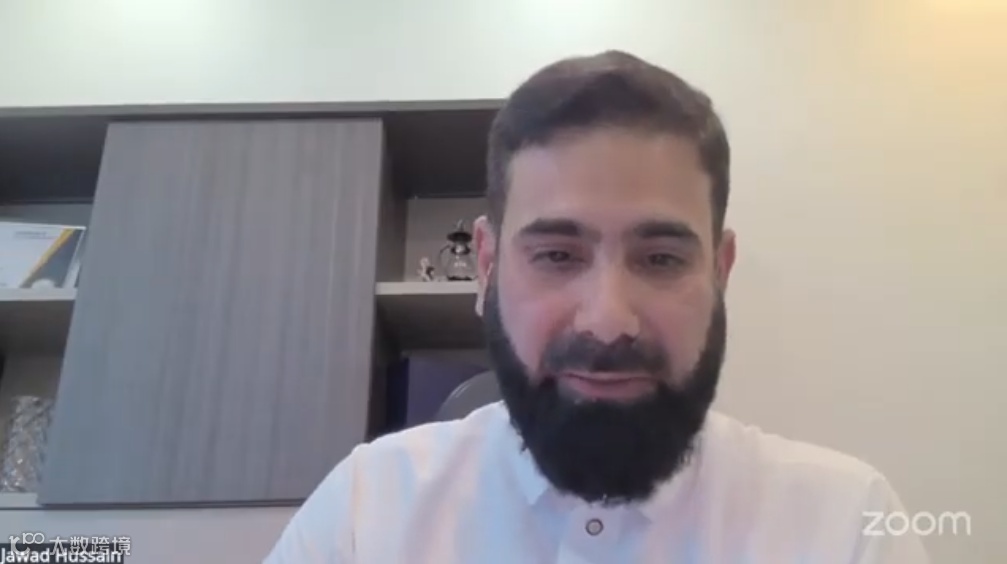
Jawad Hussain
Jawad Hussain, CEO of Advanced Power Logistics Services Co. (APL) in Saudi Arabia, provided a maritime perspective, outlining three key developments:
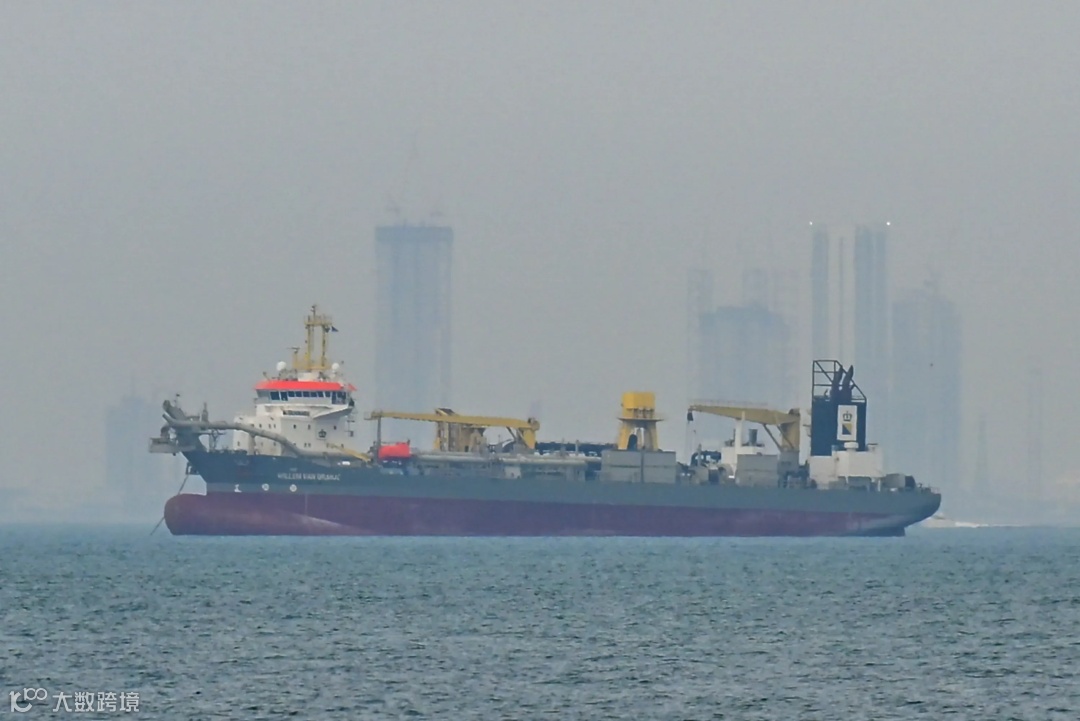
1. Capacity on Red Sea routes is being adjusted, with many vessels opting for the longer Cape of Good Hope route, adding 10–20 days to transit times.
2. Major carriers like CMA CGM and MSC are implementing emergency surcharges ranging from $2,000 to $4,000 per container.
3. Several marine insurers have revised their underwriting policies for vessels operating in Gulf region waters, leading to increased risk premiums.
The conflict in the Middle East is triggering a butterfly effect across global supply chains. Dr. Mostak Ahamed Galib, Director of the Cross-Cultural Communication and BRI Research Center at Wuhan University of Technology, illustrated the profound impact with simple everyday items: "The pen in your hand, the synthetic fibers in your clothes, the materials in your glasses—most originate from petrochemicals. And the transport of petroleum is heavily dependent on the Strait of Hormuz. Conflict in one region leads to price hikes worldwide."
Protecting the Bottom Line
What Can Companies Actually Control in a Crisis?
Faced with such uncertainty, how can logistics companies safeguard their operational foundation? Shameer Marathodi, CEO of Globwin Logistics LLC in Dubai, offered a direct answer: "Cash flow is the critical pillar supporting a company's stable operations."

Shameer Marathodi
Drawing on 28 years of risk management experience, he provided several concrete recommendations:
For Overdue Accounts: Implement special collection procedures immediately. Delay is not an option.
For Upcoming Payments:Begin sending reminders 30 days before the due date, preparing for four to five rounds of communication if necessary.
Credit Policies: Immediately reassess your credit benchmarks. Until the situation stabilizes, exercise extreme caution when extending credit.
For Cross-Border Operations: Ensure you have support from local advisors and lawyers, and even budget for potential litigation.
"This isn't about distrusting your partners," Marathodi emphasized. "It's about mutual survival." He stressed that once a debtor develops a habit of defaulting, legal intervention is often the only effective solution.
Long-term Strategy
Beyond Waiting—Three Proactive Steps for Logistics Companies
A consensus emerged among the panelists that industry volatility is likely the new normal for the foreseeable future. Beyond addressing immediate challenges, companies must also focus on proactive, long-term strategic adjustments.
Strengthen Communication for Enhanced Coordination: Malik emphasized that when freight rates, schedules, and operational terms are in constant flux, proactive, transparent, and thorough communication is vital. It minimizes misunderstandings, improves collaboration, and helps keep operations running smoothly.
Develop "X+1" Supply Chain Solutions: Dr. Galib proposed a crucial strategy: "Don't put all your cargo on one route or in one country. If your primary supply chain is in Country A, you must have a backup plan ready in Country B." Exploring alternative routes and options beyond the core channel diversifies risk associated with single-line dependencies and enhances overall resilience.
Abandon Isolation, Leverage Networks for Collective Strength: The GLA team noted in their summary that periods of industry volatility are also critical tests for collaborative ecosystems. Alliances and networks that enable information sharing, rapid space booking, resource exchange, and mutual trust will become the strongest moat for logistics companies.
Conclusion
However Fierce the Storm,
Logistics Professionals Will Forge a New Path
As the live discussion drew to a close, the speakers conveyed a unified message of reason and confidence.
Dr. Galib offered an inspiring perspective: "This is the Year of the Horse. May all our logistics colleagues embody the perseverance and indomitable spirit of the Arabian stallion. The 5,000-year journey of Chinese civilization shows us that challenges are constant, but wisdom and unity will ultimately guide us forward."

Dr. Galib
As a vital communication and cooperation platform for the global logistics community, GLA remains committed to serving as a bridge and hub. It will continue to bring together high-quality global resources, synchronize frontline market intelligence, and connect businesses with reliable partners, helping them mitigate risk, seize opportunities, and enhance competitiveness amidst a changing landscape.
In 2026, the global logistics industry continues to navigate multiple transformations. Yet, every professional in the field holds firm to the belief that the supply chain, as a vital link connecting the world, will ultimately emerge stronger and more stable, forging a new path forward through continuous adaptation and optimization.