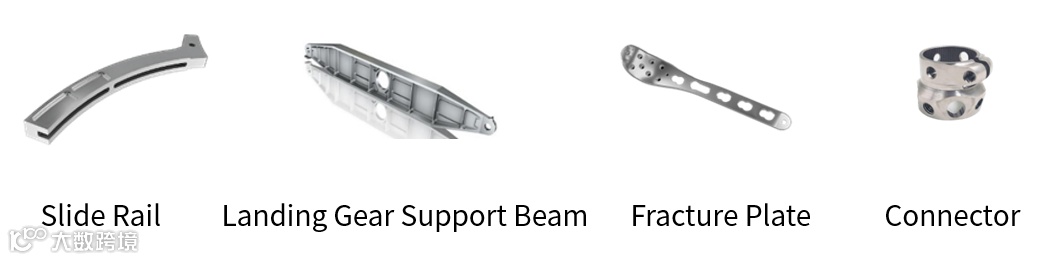
Titanium alloys are widely used in aerospace, energy, medical and other fields due to their high strength, low density, corrosion resistance. In the aerospace field, titanium alloy structural components are mainly used in key parts such as aircraft fuselage and wings, and are the "important backbone" in the aerospace field.
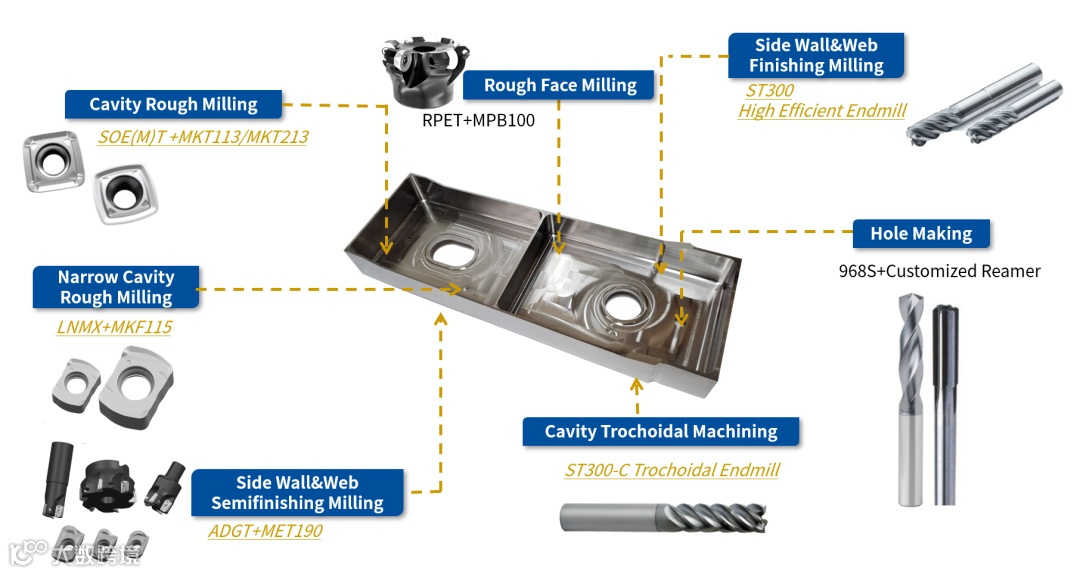
Titanium alloy structural components are typically difficult-to-machine parts due to their small elastic modulus, high processing temperature, severe tool wear, and poor part rigidity. Additionally, the large amount of material removal results in low processing efficiency. With the rapid development of the industry, the pursuit of efficiency, economy, and intelligence is an important trend in the processing of titanium alloy structural components. With years of experience in product development and part solutions, and combined with market customer needs, Xiamen Jinlu has optimized process plans and developed high-quality tools to release a titanium alloy structural components solution at the 2023 G-pak conference.
01Product Highlight
01:Triple Vibration Suppression
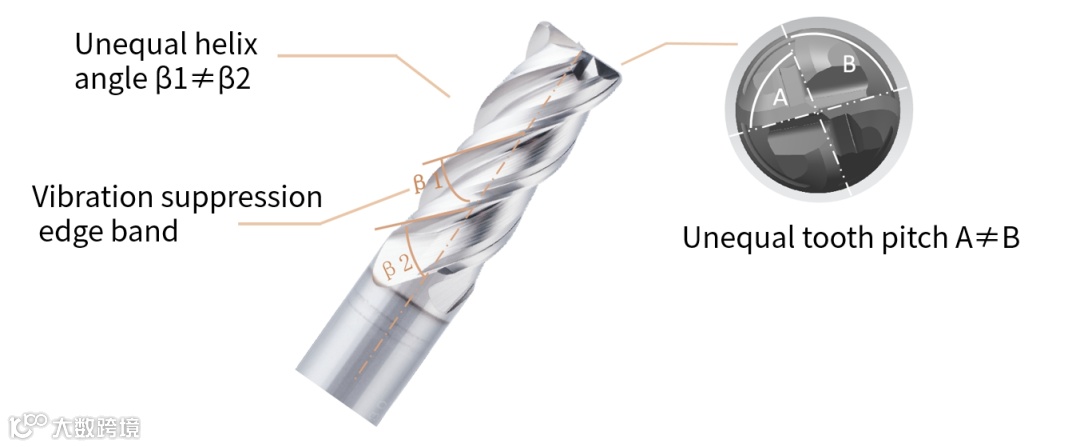
The three-in-one chatter suppression design of unequal helical, unequal tooth pitch, and vibration-suppressing blade-with-cutting edge utilizes Fourier functions for extensive data calculation and simulation, combined with experimental testing, to minimize the frequency spectrum of the three components in the X, Y, and Z directions at all frequencies, suppressing undesirable resonances during the machining process, effectively suppressing vibration, and improving the surface quality of the processed parts and tool life.
02:Special Flute Geometry
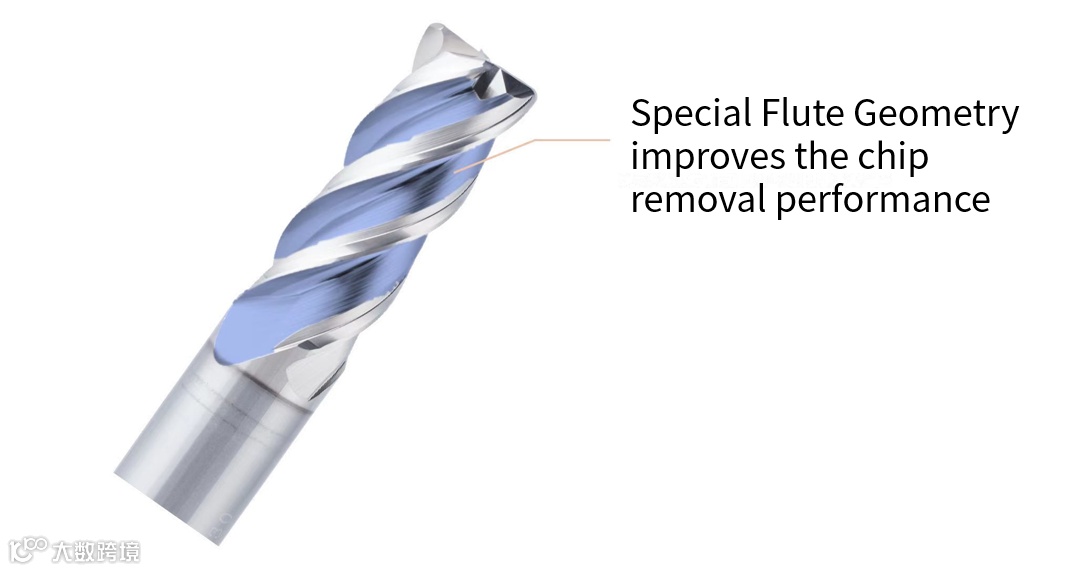
Combining the demand for high metal removal rate and the deformation characteristics of titanium alloy chips, the shape of the groove curve is optimized, with increased helix angle and enhanced core, to ensure that titanium alloy chips remain intact, curl well, and evacuate smoothly during machining, effectively avoiding chip crushing, severe extrusion deformation, tool vibration, chip breakage, premature failure, or poor workpiece surface quality, achieving extraordinary chip evacuation performance.
03:Optimize Rounded Corner Desigh
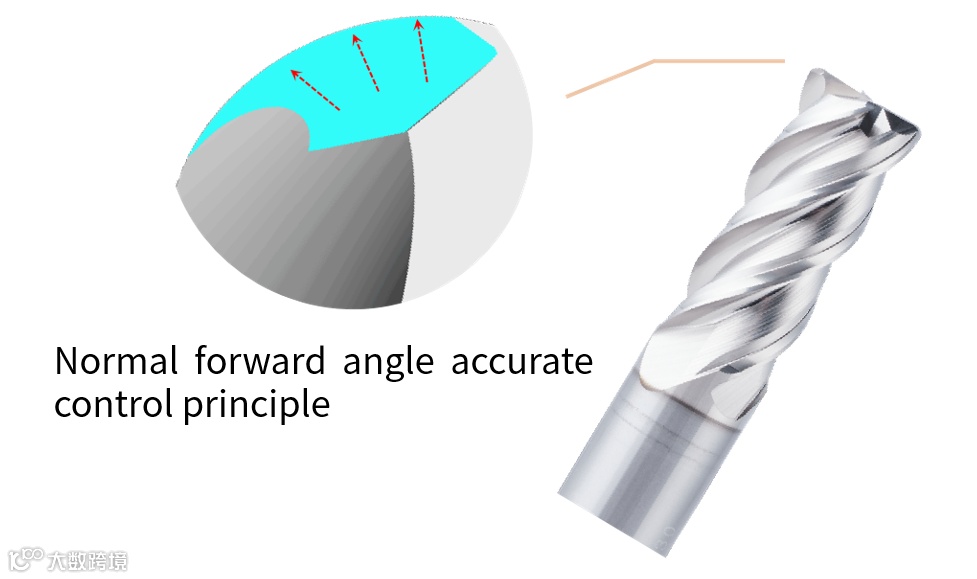
Using the principle of precise control of the forward angle of the circular arc surface method, the fillet of the tool is simulated and analyzed to optimize the forward angle, reduce the cutting force, reduce the vibration caused by the fillet, effectively control the deformation of thin-walled parts, and improve the tool life, resulting in a better and more stable machining experience.
04:With the New GSR7115 Titanium Alloy Special Grade

The new titanium alloy dedicated grade GSR7115 is based on the GEFOTECH technology platform, using specially designed target materials, optimizing the process, achieving control of droplet particle size, making the surface of the coating smooth and flat, and achieving the effect of suppressing adhesion. At the same time, the organizational structure of the substrate is optimized, the threshold of crack generation is increased, the crack propagation is suppressed, and the ability of the cutting edge to resist periodic alternating stress is improved, achieving an upgraded anti-chipping capability. The new titanium alloy dedicated grade GSR7115 helps to improve the tool life and meet the efficient and high-quality processing of titanium alloys.
01Processing Examples and Conclusions
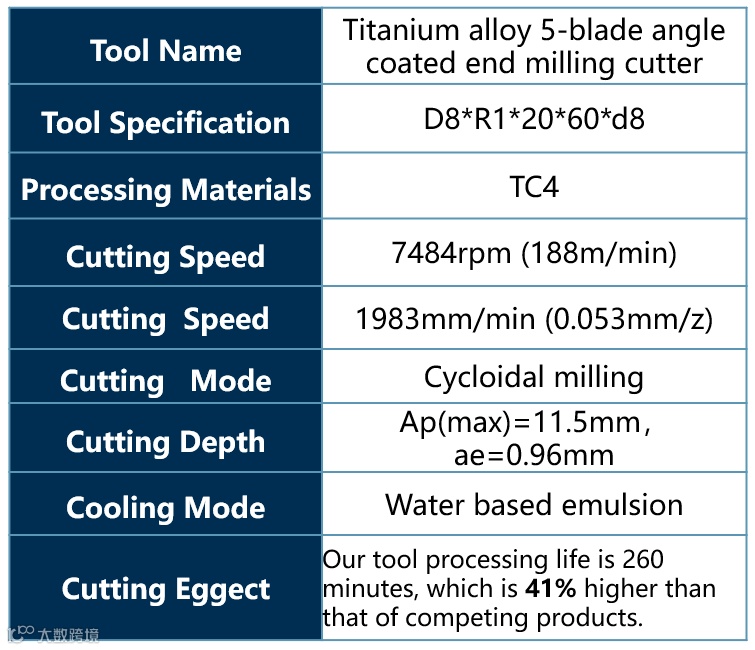
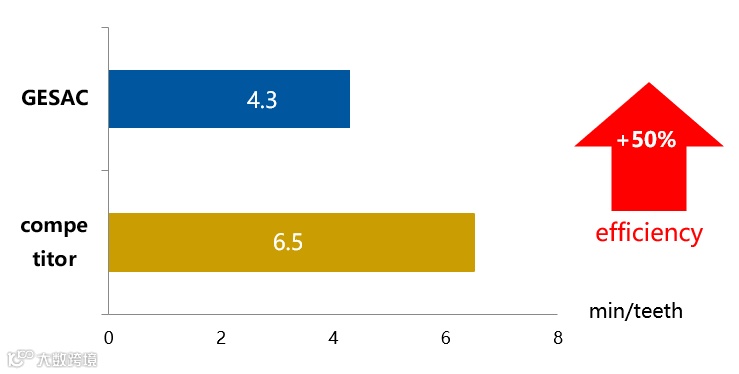
The new Silver Sparrow series ST300 titanium alloy high-performance end mills from Xiamen Golden Heron, with their three-stage overall vibration suppression, special high-efficiency groove design, rounded corners, and new titanium alloy grade GSR7115, offer excellent titanium alloy high-efficiency and high-quality machining performance, providing customers with a solid foundation for efficient titanium alloy machining and helping them soar into a higher and farther future.
Case 1:Aerospace Industry: Itanium alloy frame - TC4 -Side Wall, Roughing

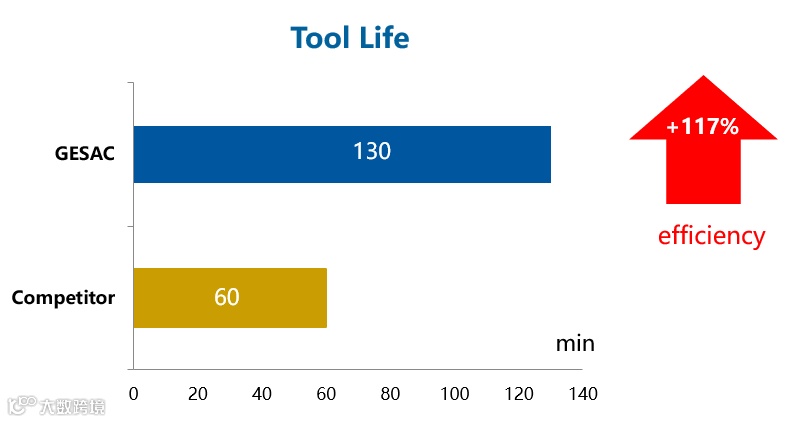
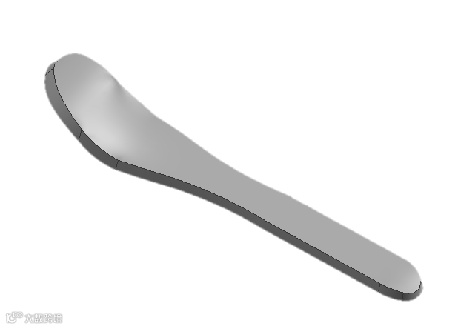
Case 2:Medical Industry: Bone Plate-TC4-Trochoidal, Roughing