




▲ ©SHIYUFANXING YM
毕马兰(Bimaran),位于阿富汗贾拉拉巴德以西11公里的一处小村庄,毕马兰以发现公元前1世纪至公元1世纪左右贵霜时期的佛塔遗迹而著名,其中2号佛塔内发现的存放佛教舍利的金制“毕马兰舍利函(舍利盒)”最为出名,毕马兰村附近有五座古代佛塔,最大的Nb.1号佛塔为帕萨尼佛塔(Passani Stupa),Nb.2号佛塔位于Nb.1号佛塔东侧350米,现五座古塔都残损严重,且Nb.2号佛塔南侧25米为砖厂,遗址现今破坏严重。
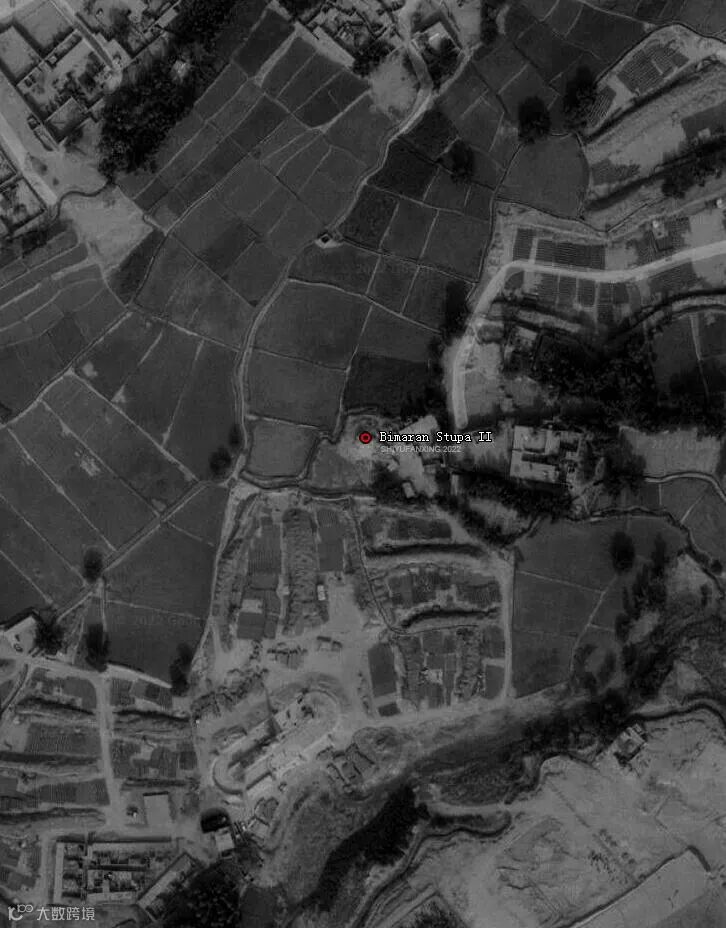
▲ ©SHIYUFANXING YM
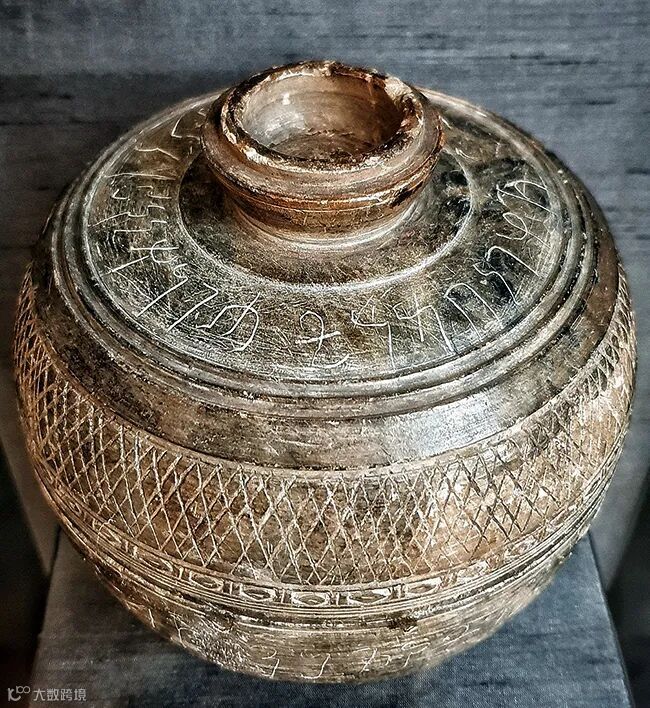
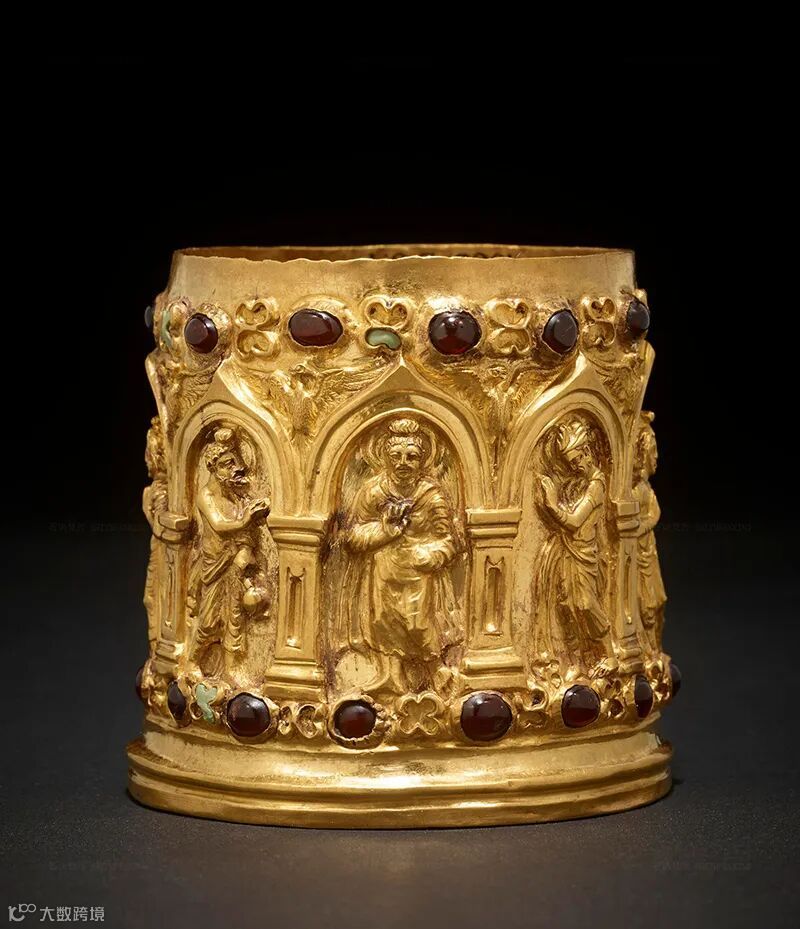
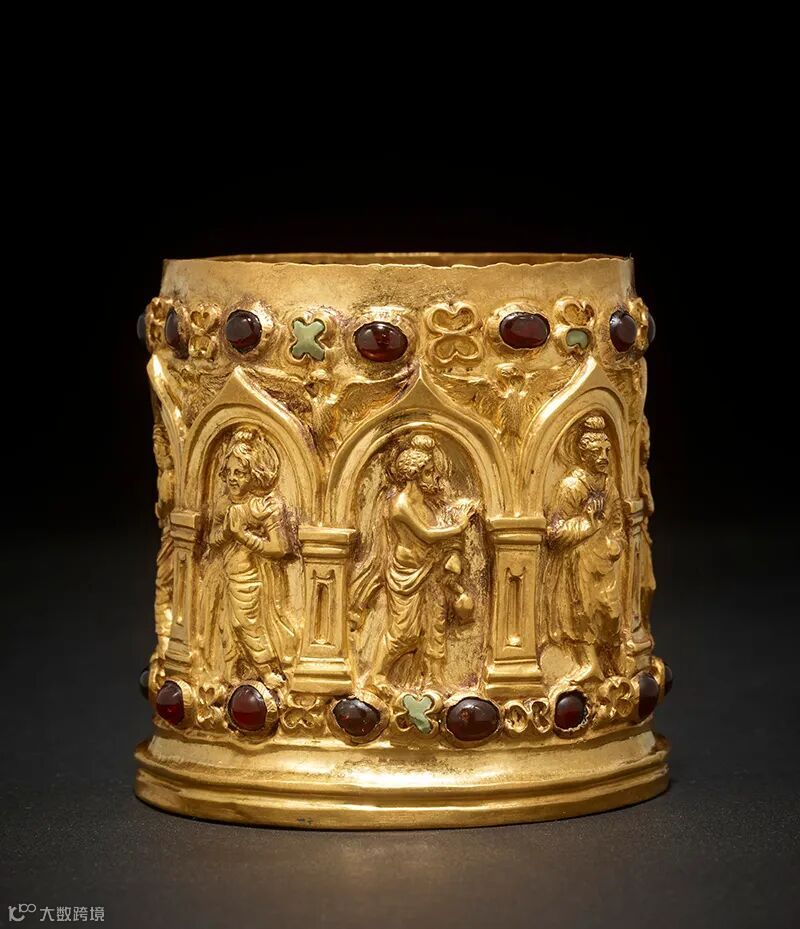
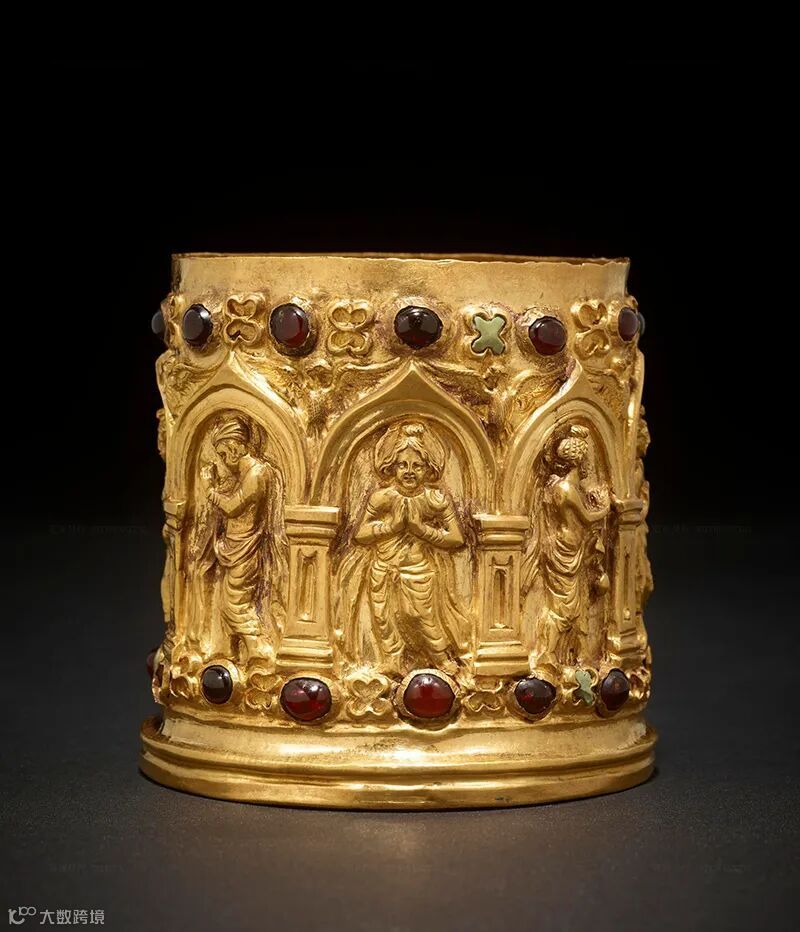
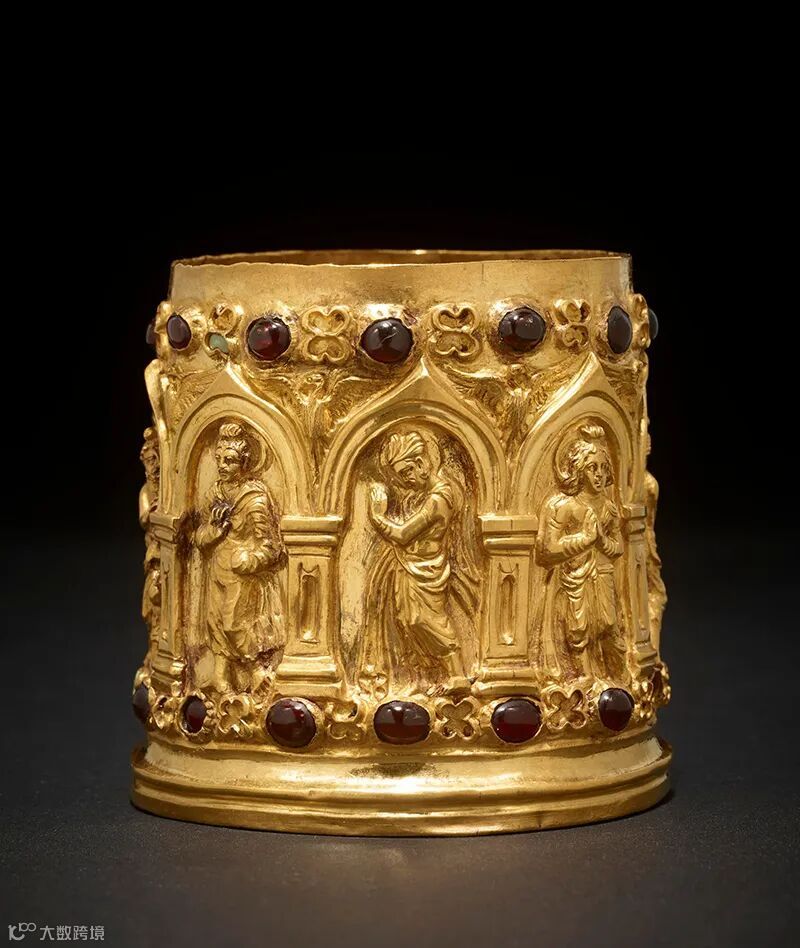
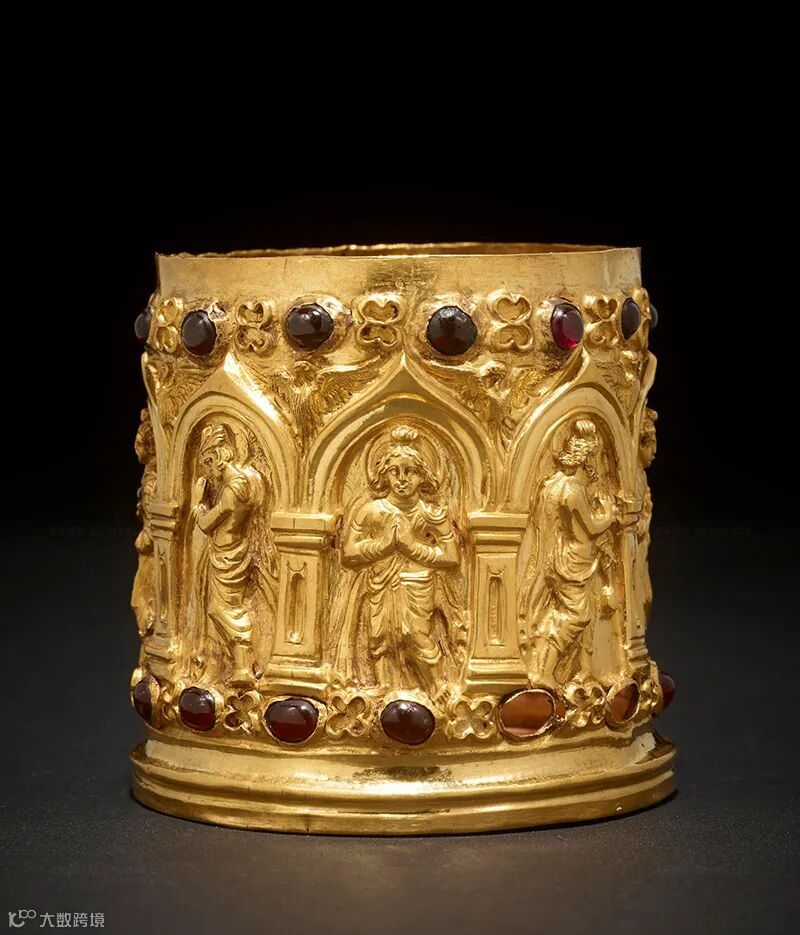
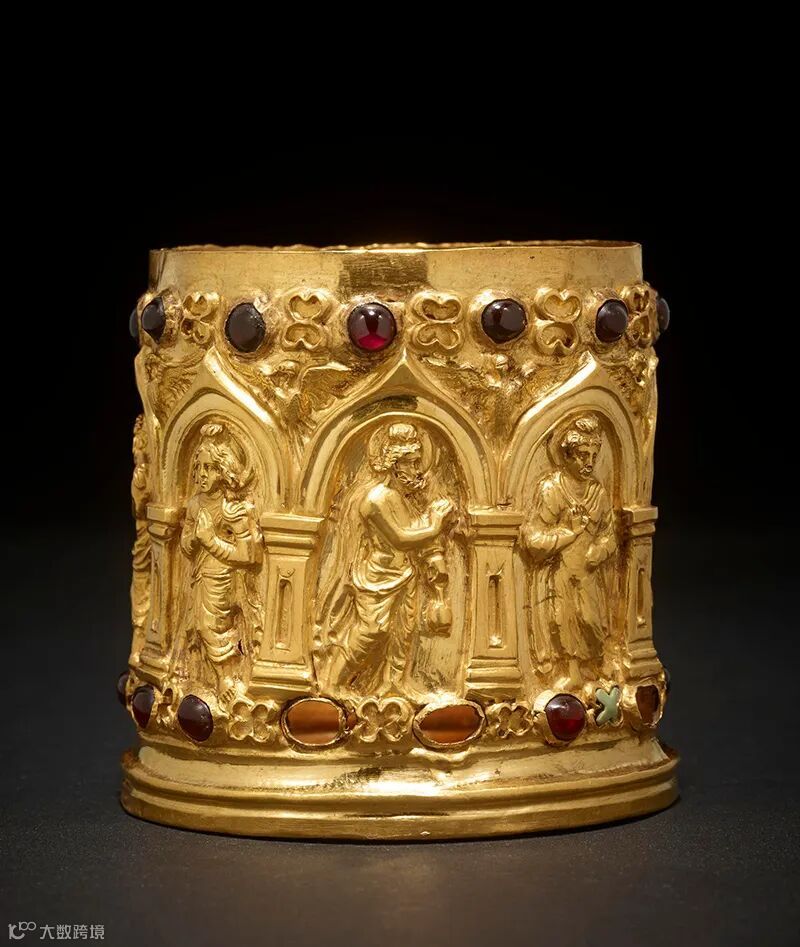
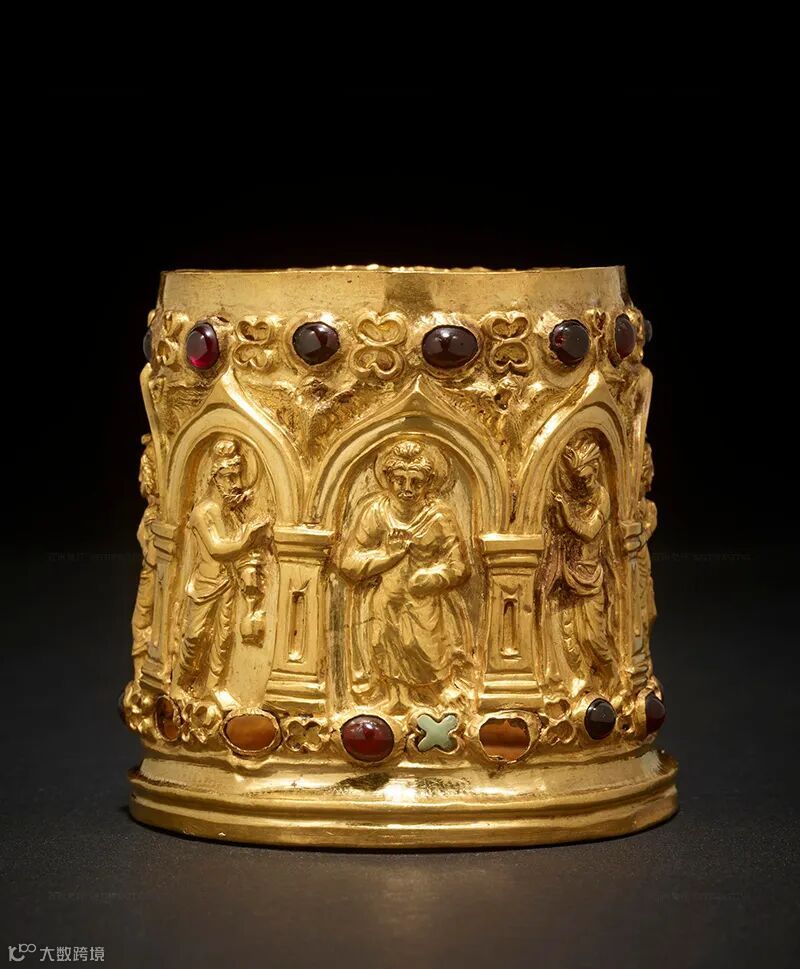
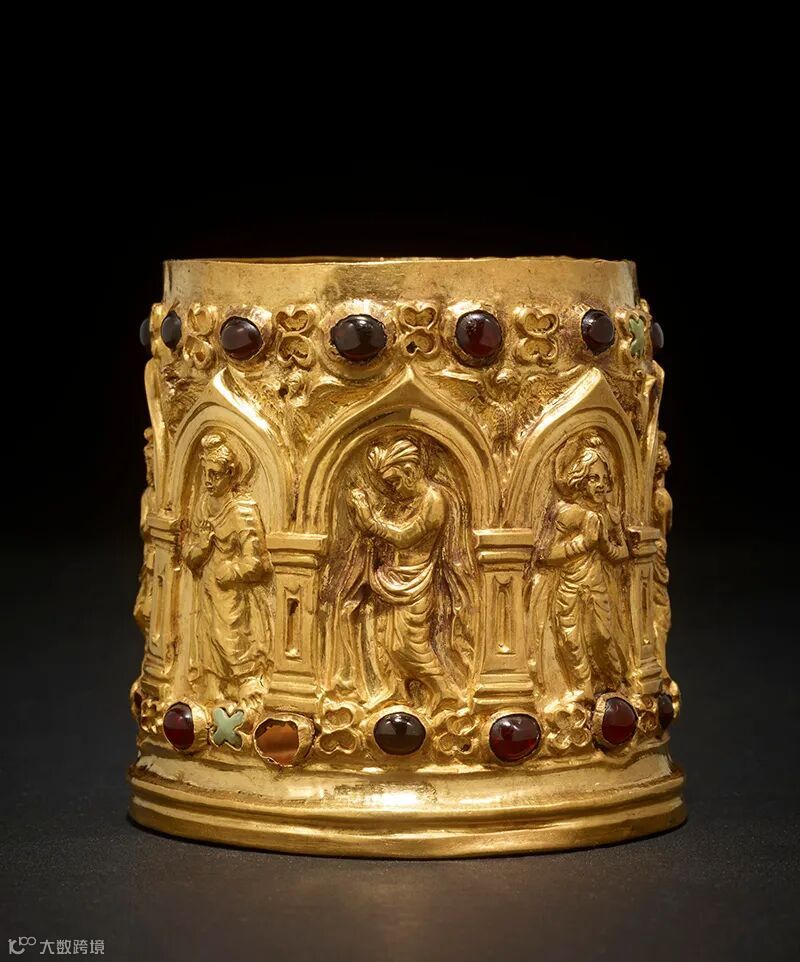
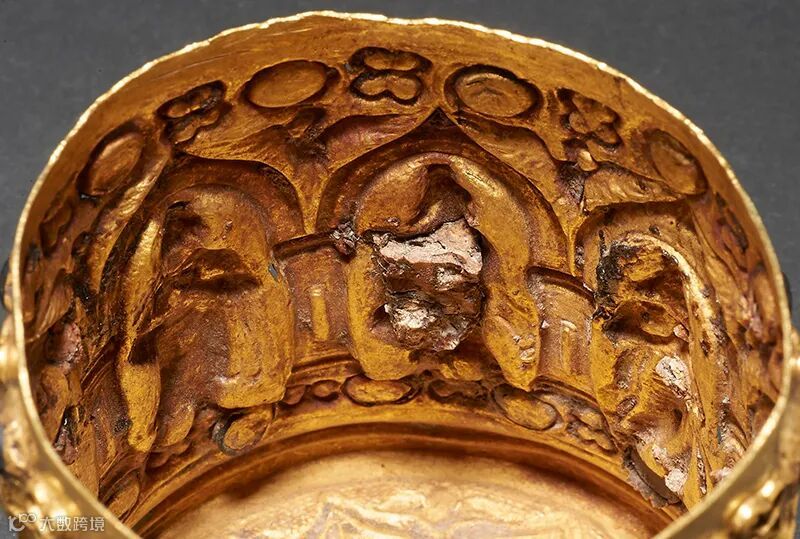
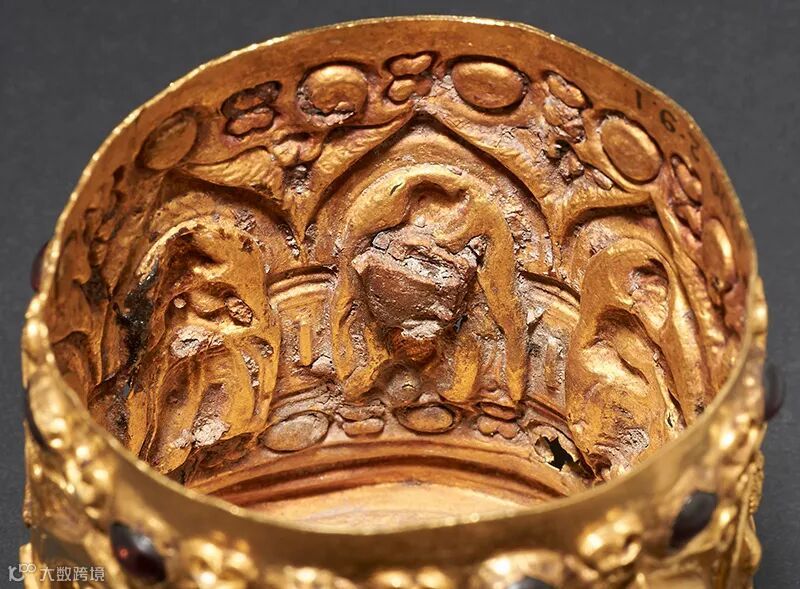
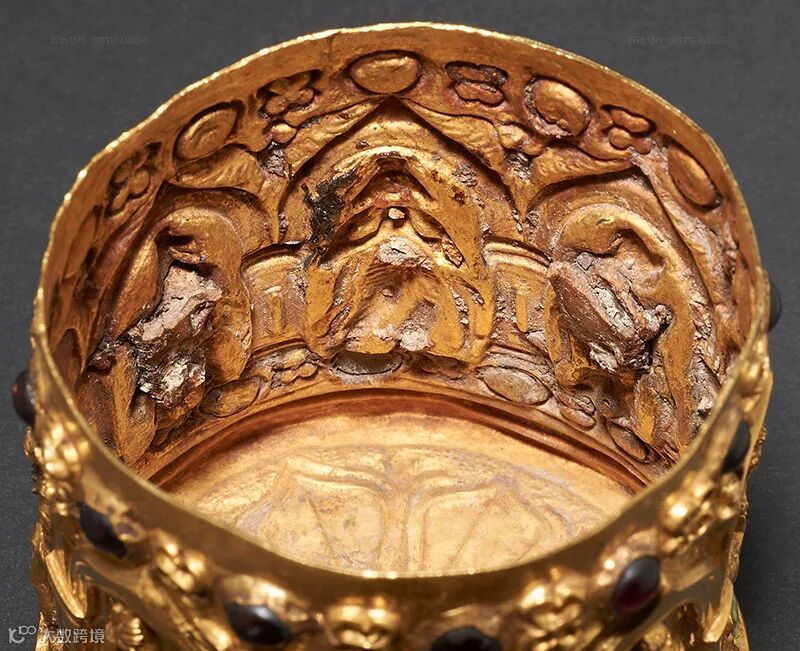
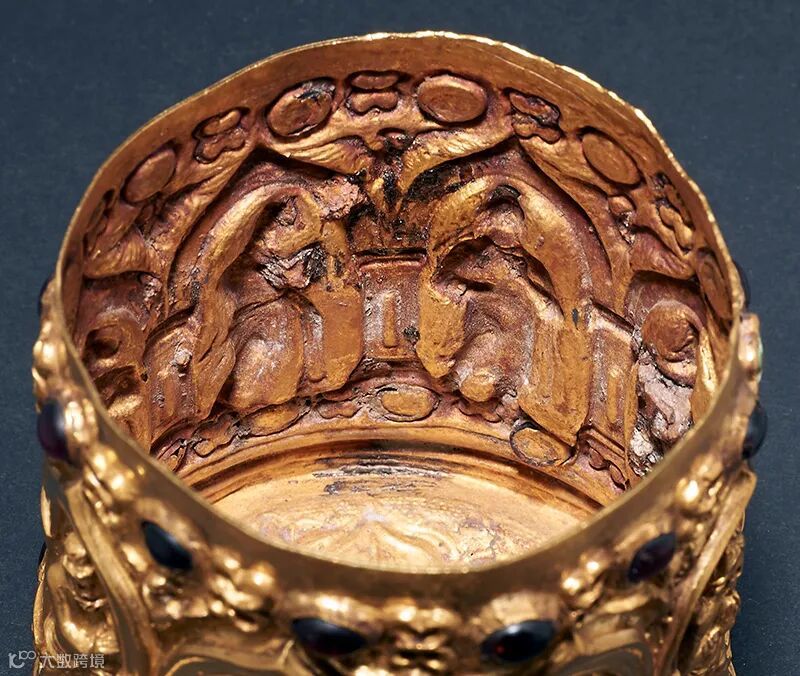
毕马兰舍利函,镶嵌宝石,四周造像,隔间形成两组人物,每一组有一中心佛陀立像,这是早期佛陀形象的重要记录。舍利函原本存放在球形滑石函中,另有30件圆形金属小装饰、一些珊瑚、珍珠、宝石和水晶珠子、心形镶嵌绿松石以及10件小十字形镶嵌绿松石,后者应本为舍利函原有的装饰。另还有4块约1世纪的钱币。
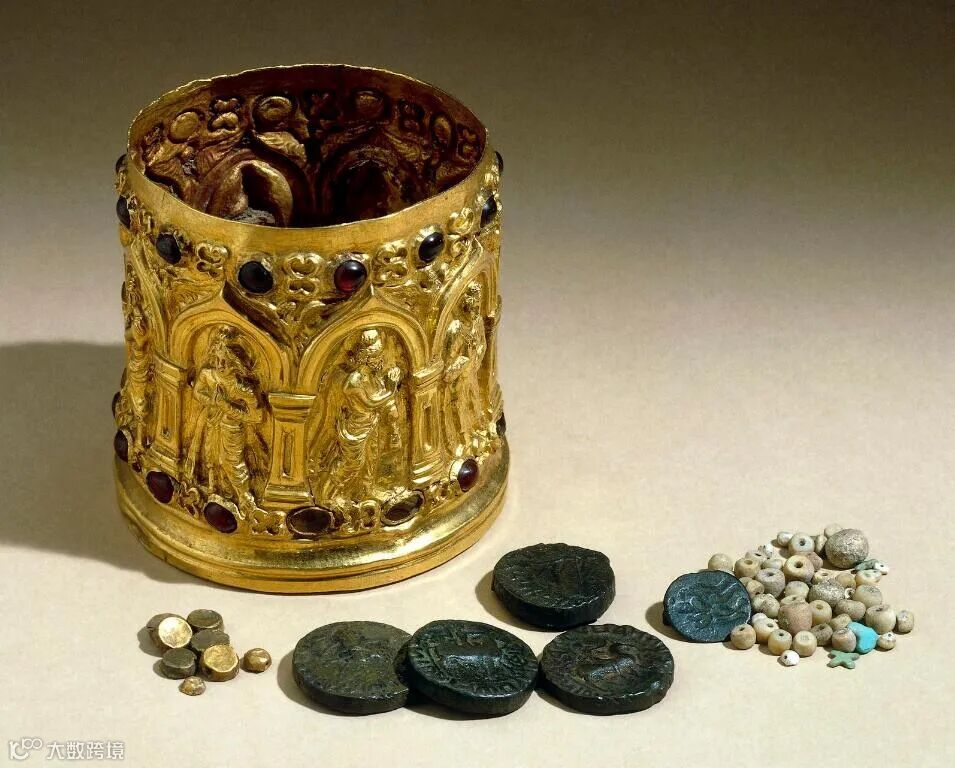
▲ ©The British Museum
毕马兰舍利函由查尔斯·马森 ( Charles Masson)于 1833 年至 1838 年间在阿富汗发掘佛塔遗址时发现,1833年至1838年间,查尔斯·马森在阿富汗东南部的喀布尔和贾拉拉巴德周围挖掘了50多处佛教遗址,并收集了大量的文物和古代钱币。
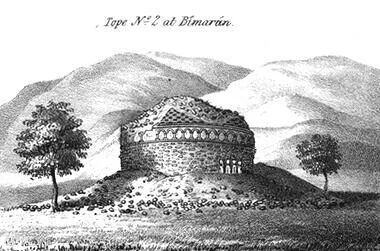
▲ ©Charles Masson
毕马兰舍利函内装有印度-斯基泰国王Azes II的钱币,尽管研究人员最近的研究表明阿泽斯二世 Azes II 从未存在,并且发现归因于他的统治可能应该重新分配给Azes I。然而,最近的一项研究(2015 年)将这些硬币归因于印度-斯基泰国王Kharahostes或他的儿子Mujatria,他们以 Azes 的名义铸造了。
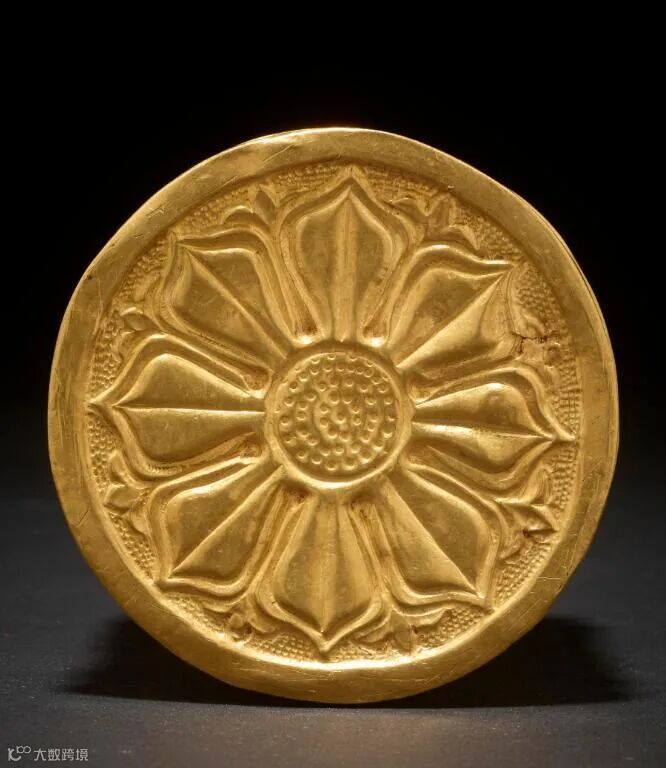
▲ ©The British Museum
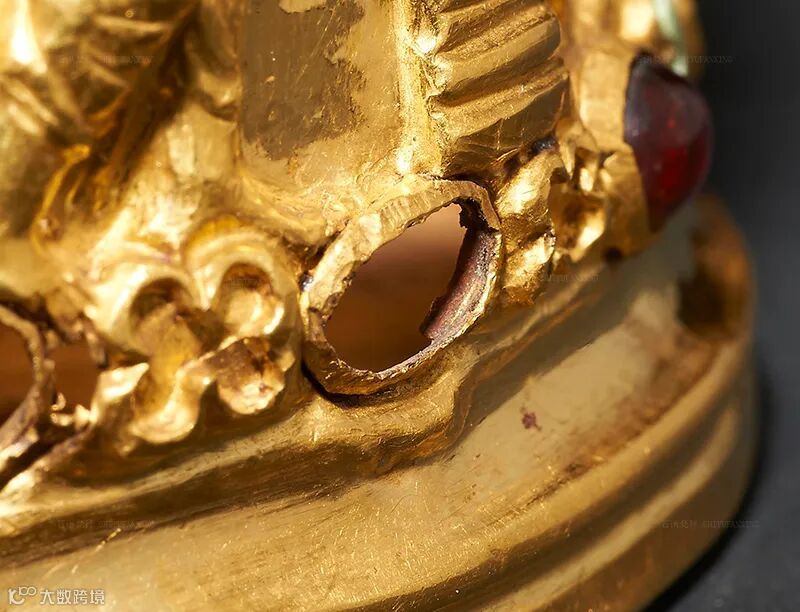
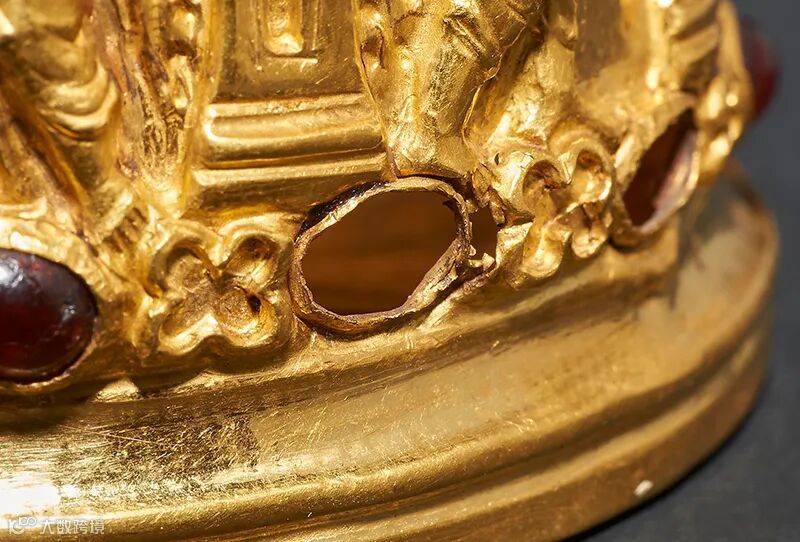
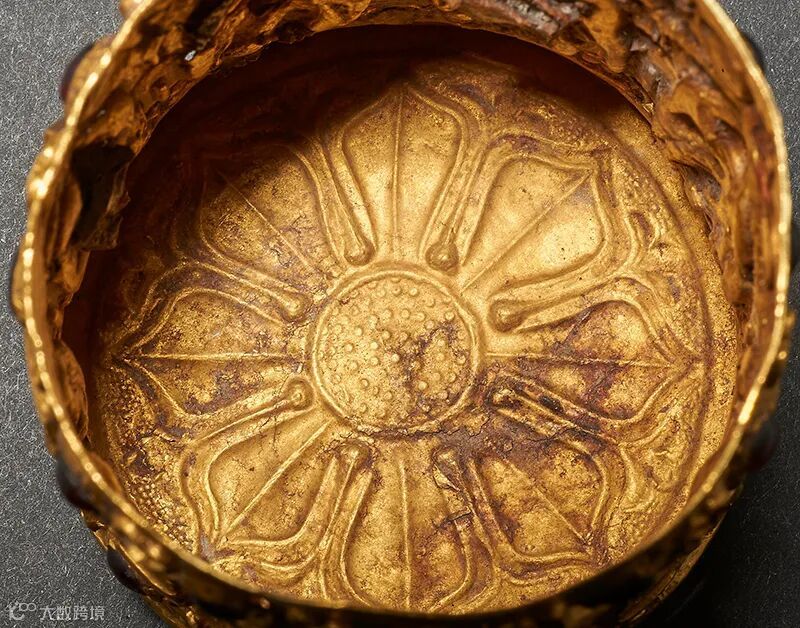
毕马兰舍利函的特点是佛陀的希腊化表现,在拱形壁龛内(称为“hommearcade”或caitya)的希腊罗马建筑被梵天和帝释天包围。有八尊高浮雕人物(两组相同的婆罗门、佛陀、帝释天,中间有两名信众或菩萨)和上下两排宝石沟,它被发现时没有盖子,盖子是否出土后遗失待考,舍利函底部有莲花装饰。舍利函由金色凸纹制成,非常小,高7厘米,它被认为是犍陀罗希腊式佛教艺术品。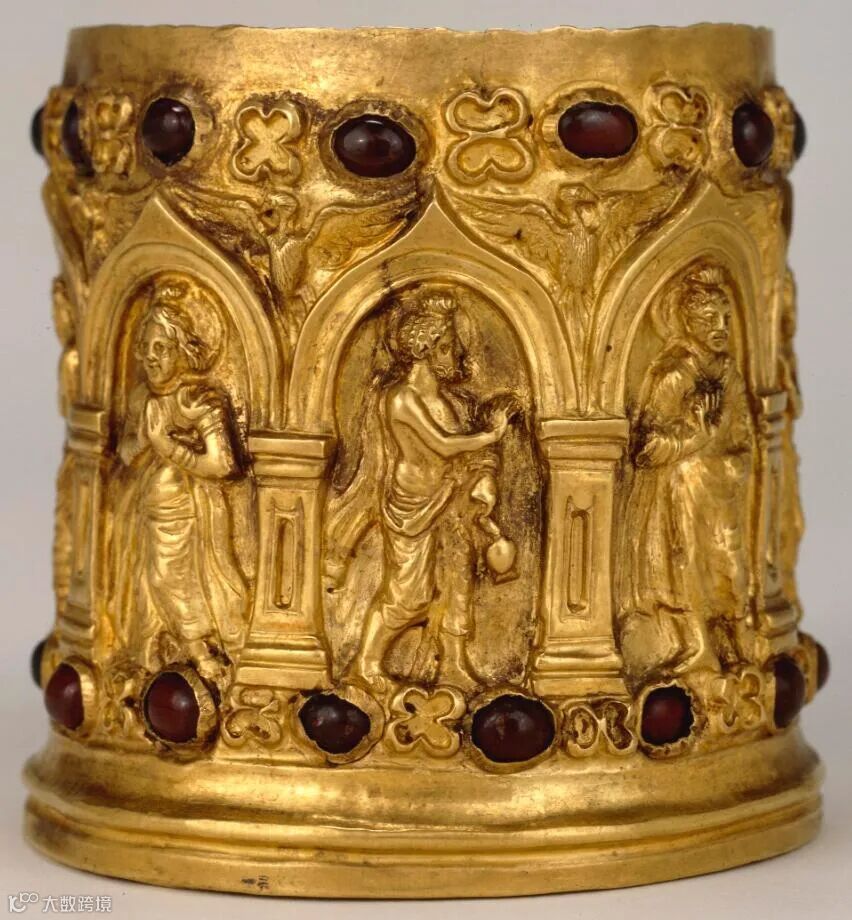
▲ ©The British Museum
毕马兰舍利函被保存在一个滑石石函中,上面刻有铭文,上面写着它包含一些佛陀的遗物。盒子里没有可辨认的遗物,而是一些烧焦的珍珠、宝石和半宝石珠子,以及阿泽斯二世的四枚硬币。石函上的铭文:盖子外 “Bhagavata śarirehi Śivarakṣitasa Muṃjavaṃdaputrasa daṇamuhe” ,石函外底部 “Śivarakṣita son of Mujavada's donation offered with relics of the Lord in honour of all the Buddhas”

▲ ©The British Museum
根据钱币分析,毕马兰舍利函的年代有时可追溯到公元0-15年(福斯曼 Fussman),更普遍的是公元50-60年(大英博物馆),有时甚至更晚(公元2世纪),仅基于艺术假设。它目前在大英博物馆的收藏中。这件独特的贵霜王朝艺术品的年代与佛教艺术的年表和佛像的创作有着密切的关系,因为其精致的造像艺术,暗示着早期佛造像艺术形式,已经存在了相当长的一段时间。这种思想认为希腊式佛教艺术已经在公元前 1 世纪在印度-希腊国王(Indo-Greek kings)的赞助下已经蓬勃发展,这观点最初是由Alfred A. Foucher等人提出的,尽管考古证据出土很少。
▲ ©The British Museum
▲ ©The British Museum
▲ ©The British Museum
▲ ©The British Museum
▲ ©The British Museum
▲ ©The British Museum
▲ ©The British Museum
▲ ©The British Museum
▲ ©The British Museum
▲ ©The British Museum
▲ ©The British Museum
▲ ©The British Museum
▲ ©The British Museum
▲ ©The British Museum
▲ ©The British Museum
▲ ©The British Museum
▲ ©The British Museum
Description(下英文为大英博物馆介绍文字,供大家参考)
Reliquary casket, cylindrical in shape; made of gold and inset with garnets.
The casket tapers slightly towards the rim and lacks a lid. The arcading round the side consists of eight pointed caitya-arches resting on pilasters. Each arch has a plain recessed face and the pilaster capitals consist of a plain fillet above a torus and a fillet. The pilaster shafts have each a recessed oblong panel with an outlined border curved at the top and the base mouldings repeat those of the capitals in a contrary sequence. The compartments form two groups (A and B) of three at opposite sides to each other, each group having an almost identical central Buddha flanked by closely similar, worshipping deities in profile, and the three are separated at both ends by a single similar compartment containing the same frontal worshipping figure.
The Buddha stands frontally in slight 'dehanchement', but his left leg is flexed and its foot raised, while his right leg points sideways as if he is walking. His right hand is raised, palm outwards, to the centre of his breast in a less usual, perhaps archaic abhayamudra, while the left hand rests somewhat indistinguishably at the hip, not very clearly holding the robe which seems also to be wrapped round the wrist and falling from it; a length of the robe also appears to hang from the right arm. The neckline on Buddha A is coherently in relief, while on Buddha B it is more diffused and linear; Buddha A is generally more finely executed, a thinner and taller figure with a long oval face and a more pronounced peak of the undulating hair where the face of the other is rounder, more youthful and with a less clear moustache. On both the robe hangs with some effect of wet drapery. Both Buddhas are haloed, but on Buddha A the halo has a raised border and the uṣṇīṣa is much larger and, with the open eyes and moustache, recalls an early Buddha type in stone.
On each Buddha's left stands a haloed turbaned figure of Indra in profile, his head somewhat inclined, the left leg flexed a little backwards, the left arm, with a bracelet and armlet, raised and hand(s) joined. He wears a paridhāna, and unusually the uttarīya hangs front and back over his right shoulder and loops round the left waist; on figure A a short length also hangs over the left shoulder. Other differences are in the position and relief of the lower left leg and in the more abundant drapery of the uttarīya on figure B.
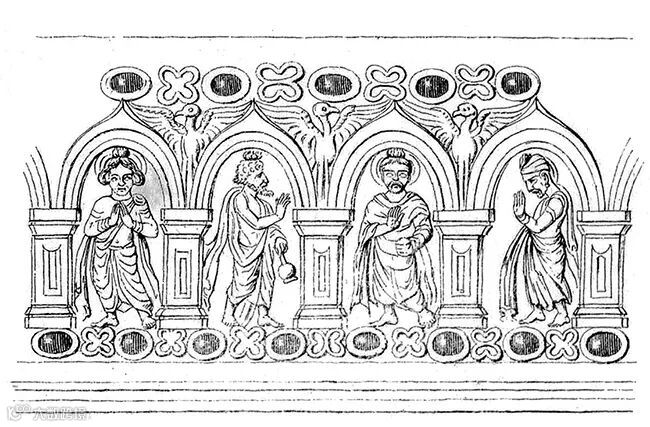
On each Buddha's right a haloed and bearded figure of Brahmā, with a large chignon and a water pot held in his left hand, walks towards the Buddha and raises his right hand no higher than the Buddha's; it is seen from the back with the fingers curved forwards. He wears a paridhāna, and the uttarīya over his left shoulder, with a long fluttering fall at his back, appears on the left arm and loops in the narrow mode round the right of the body. Differences between the two are the finer tooling and relief of the taller and erect figure of group A, while that of B seems more squat and has a more bowed posture; both make a distinctly classicising impression.
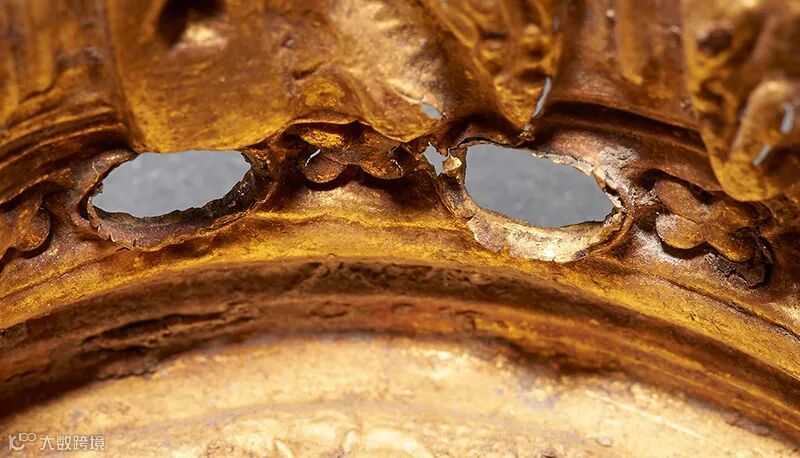
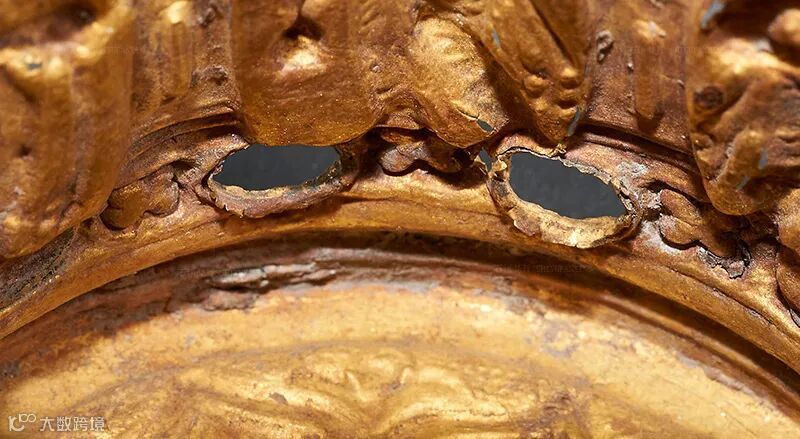
The haloed dividing figure is youthful and stands frontally, his flexed left leg and his right foot recalling the Buddha's stance; his hands are brought together before his breast and he wears a paridhāna and uttarīya with two long ends falling on each side; the uttarīya crosses the body in the narrow mode from the left shoulder where it also forms a horizontal semiloop. Both arms wear an armlet and bracelets. The hair is in a chignon drawn in at its base; below it falls from a parting to form pronounced 'bouffant' locks at the sides, especially on the figure behind the Indra of group B, whose expression is much more of a beatific smile. Like that of Buddha A, his halo shows a raised border. Figure A, standing behind Indra A, also appears taller and in greater and clearer relief and his expression seems more austere. Huntington holds these figures to be a Bodhisattva (1985, p.115), while Cribb has discussed them as perhaps Maitreya (1985, pp.82-3).~Above and below the arcade is a row of garnets in gypsy settings separated by a motif of four petals or lobes, some more like pairs of linked heart shapes. In the spandrels are distinct and well-articulated eagles soaring with outspread wings and heads turned to each other to form pairs, their feathers carefully indicated by shallow grooves and punched dots. At the bottom of the casket are mouldings as of a pillar base with a plinth and a rather small torus under a large cavetto. On the underside is a blown lotus of eight double-outlined and centrally grooved petals narrowing towards the gynoecium, which is punched with large dots; between the petals and the border is a field densely punched with smaller dots, and between the points of the petals are small, standing, opening lotuses in the fashion seen on 1899,0609.39 (Zwalf 1996).
~~ END ~~
*文章经授权转自微信公众号“石语梵行”
--------------------
*欢迎关注平台其他公众号:
象蕴在各平台链接:

-
象蕴文化,以深度体验的方式,组织各种形式对我国历史文化为主题的游学 -
涉及内容:古建、雕塑、碑刻、青铜玉器、金银瓷器、墓葬遗迹、古典书画等等 -
游学形式:主题讲座、公益免费讲座、各地文保项目实地考察、博物馆看展览、非物质遗产 项目课程
-
资深的专家讲师,更深更专业的学习体验; -
纯粹的考察游学,专业的领队,细致的服务; -
有共同兴趣的人一起 探索历史;
-
团员年龄从9岁-60岁,不同项目,不同深度,不同体验; -
根据不同地区不同项目计划定制,提供定制服务 ; -
专门体验当地社会口碑高的特色餐饮; -
小团行动,每团6-20人。