公益讲座
生态文明转型
东西方生态智慧
时间:2017年6月24日下午3~5点
地点:北京海淀区凤凰岭凤凰公社
主办单位:北京凤凰耕读书院
合办单位:梁漱溟乡村建设中心
报名方式:188 1007 3056
186 1382 5538

本次讲座意在通过观察工业化经济发展中不合理一面,进而探索一条由生命维系的生态经济发展的路径,以此推动我们与自然之间的关系的再平衡。
资本导向的工业经济模式附带产生了严重的污染。中国政府正在领导历史性的生态文明转型。以往资本导向型经济增长根植于机械的科学观,这种观念把世界理解成为的线性的条件-反射关系下没有生命的机器。在这次讲座中,我们会去探讨假如当经济模式是基于生态和整体的科学而发生,它会是什么样子的?为了能让自然和人类共同协调发展,社会经济该如何学习自然界中的规则?
同時,这次讲座还会比较中国的传统生态智慧和哲学,看东西思想文化根源中是如何师法自然的。
主讲人
朱莉 理查森
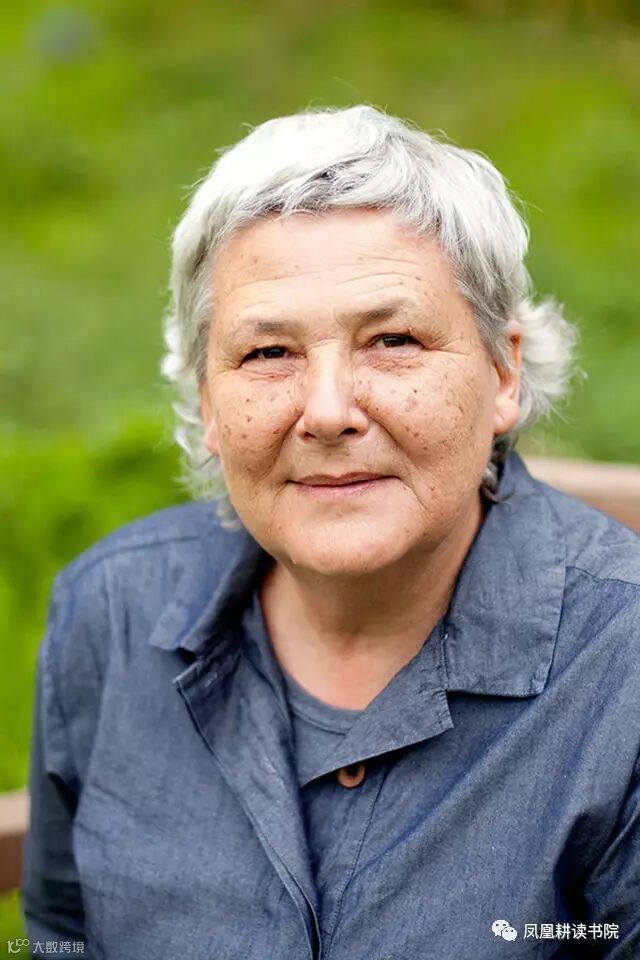
英国舒马赫学院国际项目部主任
转型经济专业主任
朱莉曾在伦敦大学和萨塞克斯大学任教生态经济学和国际发展课程,在可持续发展领域工作了20多年,足迹遍布非洲、亚洲、拉丁美洲和欧洲。这些经历改变了她对“发展”的看法──这些经历让她相信我们可以从其他文化的智慧中学到很多可持续生活观,重塑人类社会和自然间的健康关系。朱莉把系统思维和复杂科学运用在可持续发展的多个领域──包括可持续设计,组织变革和环境政策。
TRANSITIONING TO
THE LIFE SUSTAINING ECONOMY
This lecture will explore what is wrong with the industrial growth economy and forge a pathway to a life sustaining ecological economy that re-balances our relationship with the natural world.
The Chinese central government is taking the lead with its vision to transform the industrial capital oriented economic mode, with its heavy pollution burden, into a new historical period of “Ecological Civilization.” The capital orientated economic growth model is rooted in mechanistic science that views the world as a dead machine with linear cause and effect relationships. In this session, we will explore what an economy looks like if it is based on ecological and holistic science. What can human economies learn from nature about principles for creating and sustaining life?
Finally the session will explore any parallels that can be drawn with traditional ecological wisdom and philosophy in China.

About Julie Richardson

Julie Richardson is Senior Lecturer in Economics at Schumacher College in the UK and Director of the Schumacher Worldwide Programme. She teaches on various programmes including MA in Economics for Transition, the Gross National Happiness Master Class, the Right Livelihood Programme as well as the Transitioning to an Ecological Civilisation Dialogues between East and West (a collaboration between Schumacher College and the Institute of Rural Reconstruction at Southwest University in China).
Previously she has been a lecturer in ecological economics and international development at the Universities of London and Sussex and has worked in sustainable development for over 20 years in Africa, Asia, Latin America and Europe. This experience changed her view of ‘development’ – believing there is much we can learn from the wisdom of other cultures about sustainable livelihoods and restoring healthy relationship between human society and nature. Julie has applied systems thinking and complexity science to different aspects of sustainability – including sustainable design, organizational change and environmental policy.
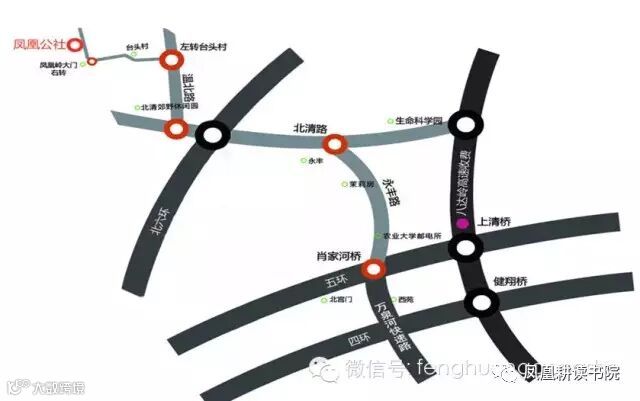
乘车路线
1、地铁4号线颐和园或北宫门站,乘346路公交车,在终点站凤凰岭下车,前行500米至凤凰岭公园石牌门外右转,步行约300米至凤凰岭路19-1即到。
2、地铁16号线至终点北安河站,步行至北安河西口,乘坐346路公交车,在终点站凤凰岭下车。前行500米至凤凰岭公园石牌门外右转,步行约300米至凤凰岭路19-1即到。
3、乘坐968路到西北旺,原地转乘坐346路公交车,在凤凰岭总站下车后前行500米右转,一直沿马路走看见凤凰岭路19-1即到 。
自驾路线
自三环的苏州桥,或四环的万泉河桥,或五环的肖家河桥一直向北,走永丰路,左转上北清路,直行过六环后至温北路口右转上温北路,见到凤凰岭旅游标指路牌,左转直行直至凤凰岭公园石牌坊,右转前行约500米,过桥后左侧青砖大门即是。