
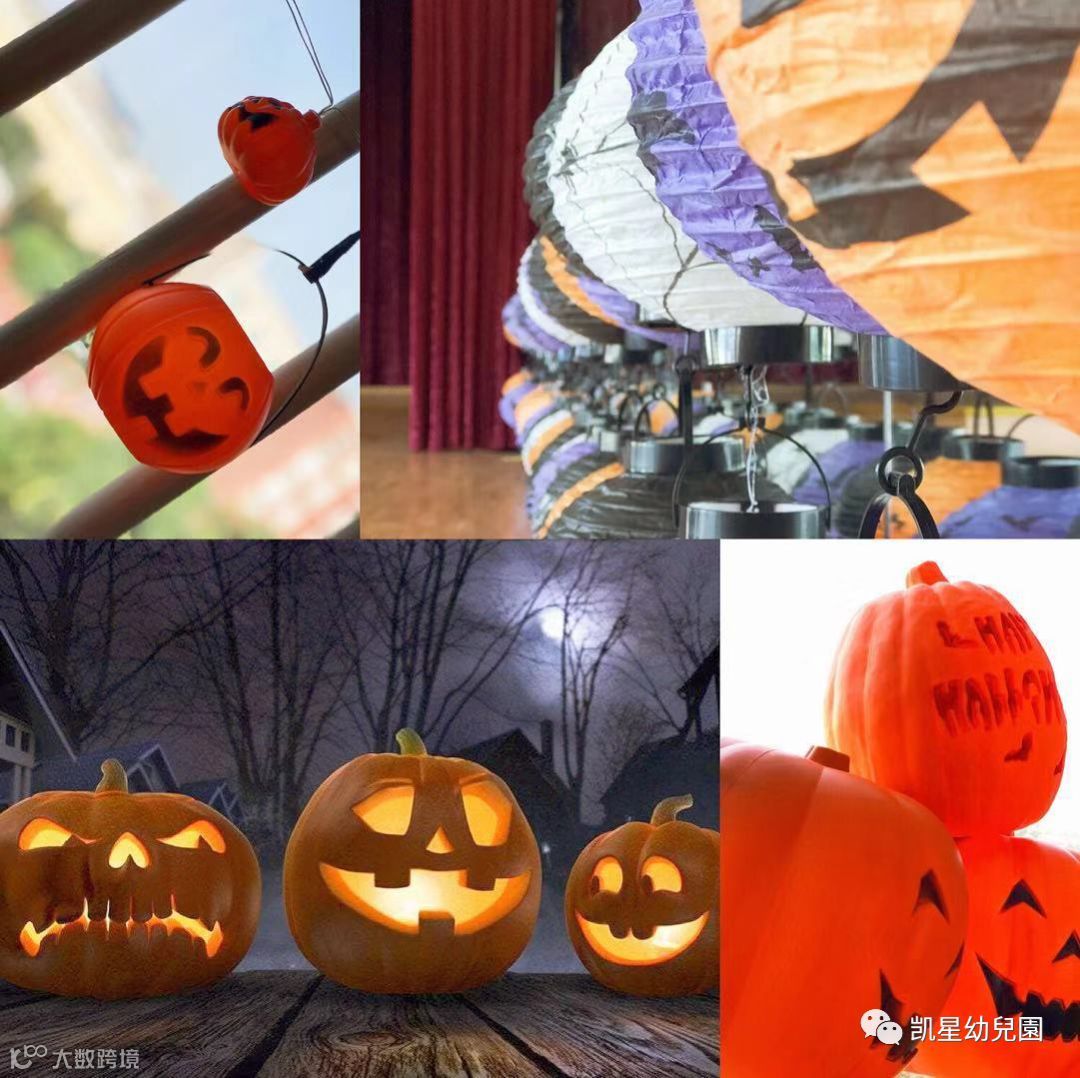
Halloween is a great opportunity to take the classroom outdoors. Whether learning math by counting candy or developing arts and crafts skills through costume creation, kindergarten Halloween activities are fun and help keep students’ love of learning alive. Here at KIK, the foreign teachers hosted a one-day activity day full of surprises and fun, Let’s see!

Where is the candy?!
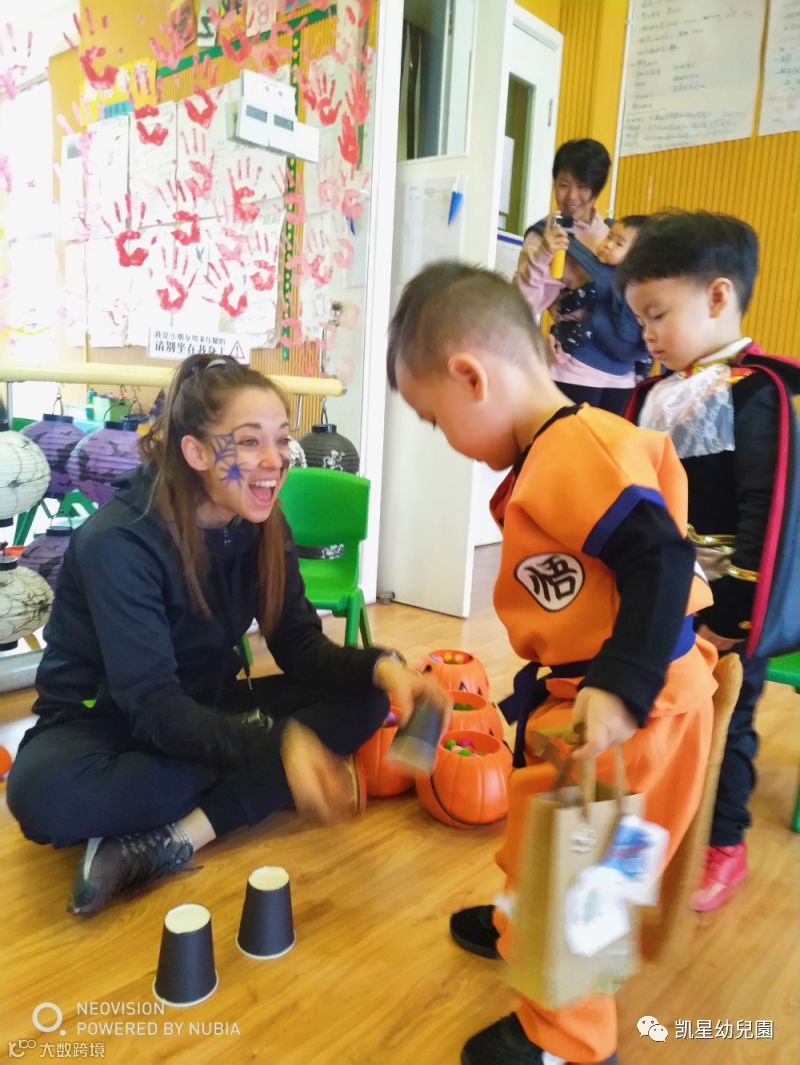
This station is divided into two activities. First part is a big group activity where the kids need to guess where candy is under one out of three cups. Teacher Shelly make it challenging by keep switching the cups around, the kid who focus and remember where the candy is. Get the candy!
The second part is, each kid has to find the special candy that is hidden inside a pumpkin bucket that is filled up with colourful softballs. During the searching process, teacher Shelly will ask them what the colour are the softballs meanwhile the kids are experiencing a sensory blast. The station is challenging for kids all ages because they need to focus and utilize their fine motor skills.



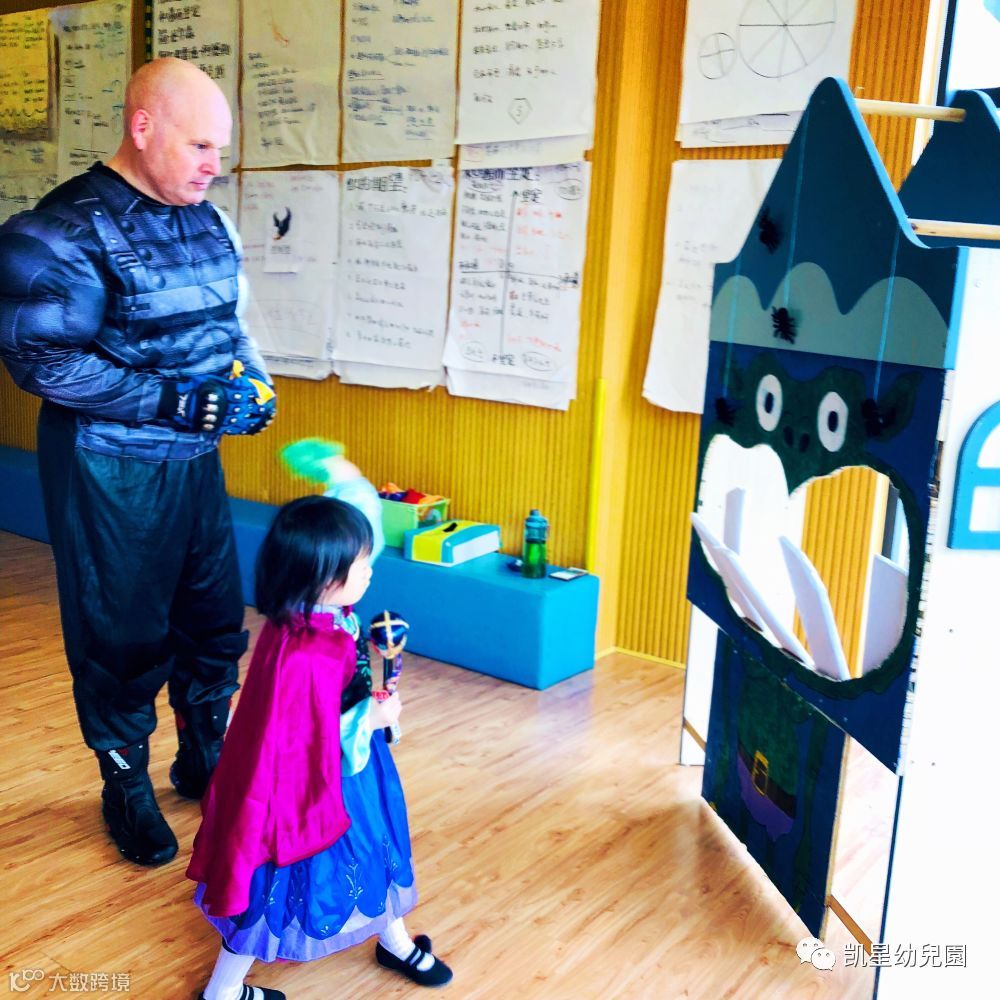
Monster Teeth Throw
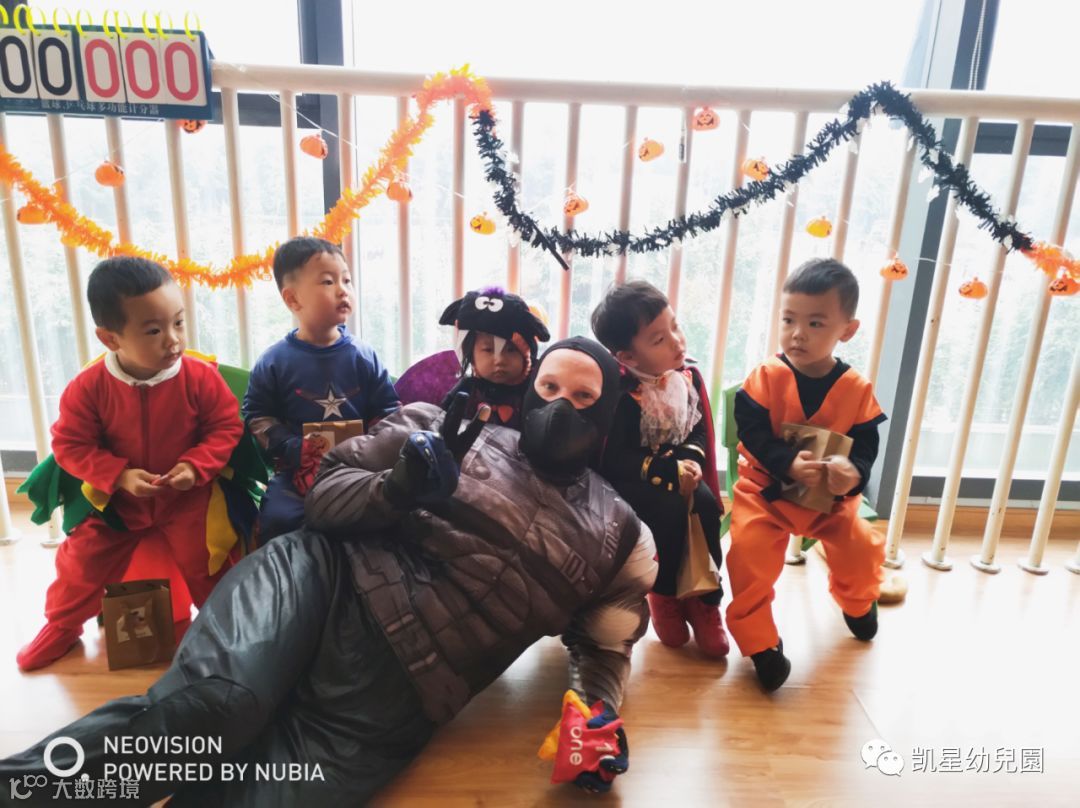
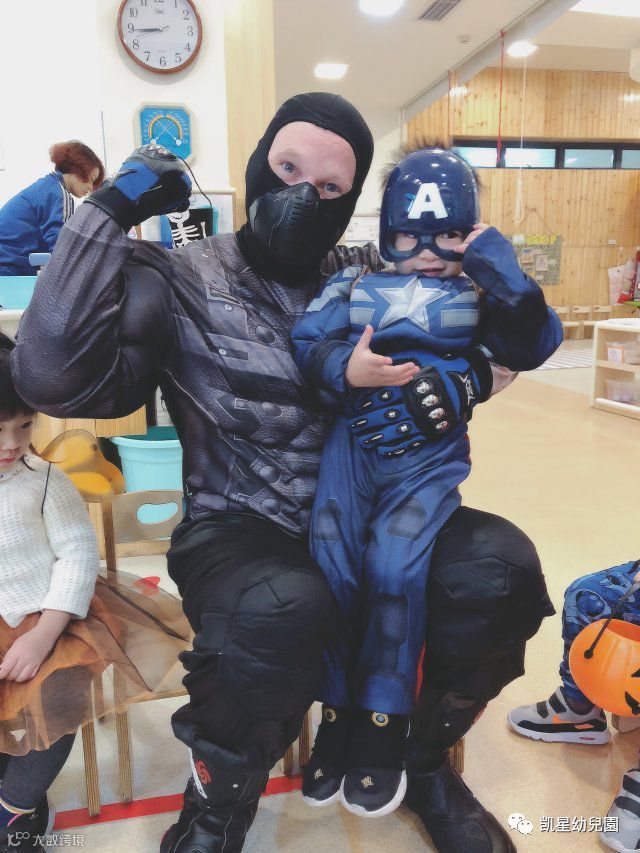
This activity is designed and handmade by our teacher Winter Solider David. He made the and cut the monster teeth out of wood and use sand bags for throwing. Depends on how many teeth that kids are knocking down they can get candy. The activity helps the kids with their hand eye coordination. To learn how to throw and be patient as they waited for their turn.

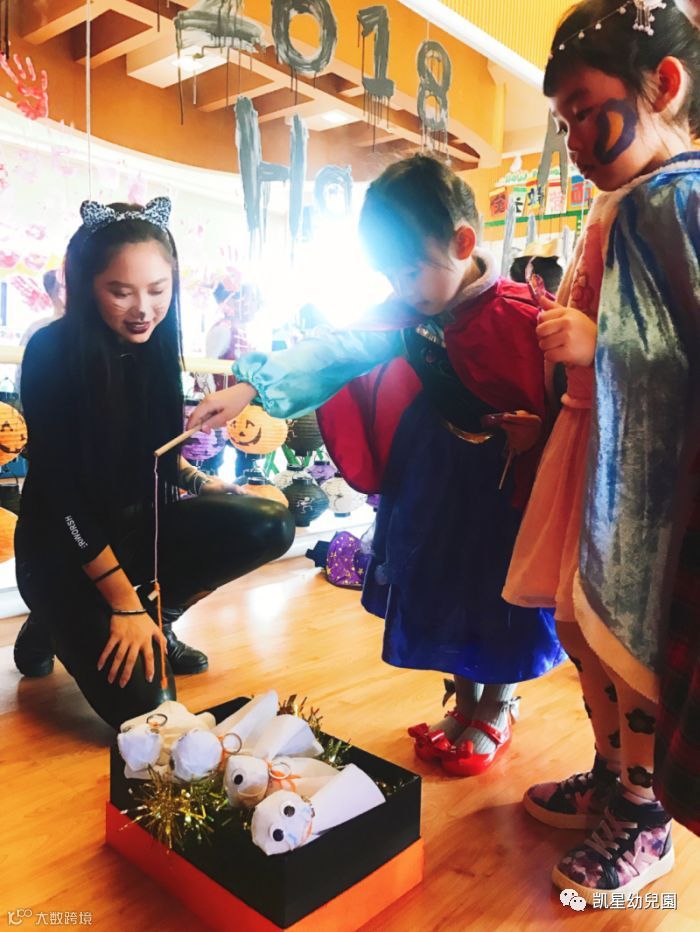
Fishing Ghost activity
5 little emotion ghosts are lying down in the pumpkin basket. When a child comes to play the game. They use the specially designed hook to fish the ghosts of their desires. While focusing so hard on aiming the hook to the loop on such a small object. I have to say. It is not an easy game. It is an amazing opportunity to train their fine motor skills and the duration of focusing. When they finally get it. They are so HAPPY!! That is the satisfaction they deserved and earned. The moment when they successfully hook up the ghost. It is when the Cat Woman opens the ghost and there are candies hidden inside. Kids can’t be more thrilled for that moment. They screamed “Trick or Treat! Happy Halloween” together.
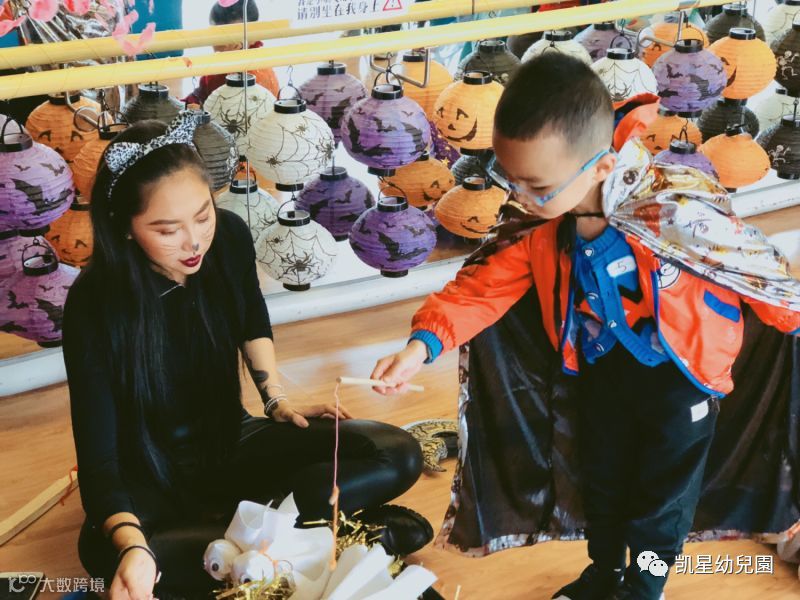

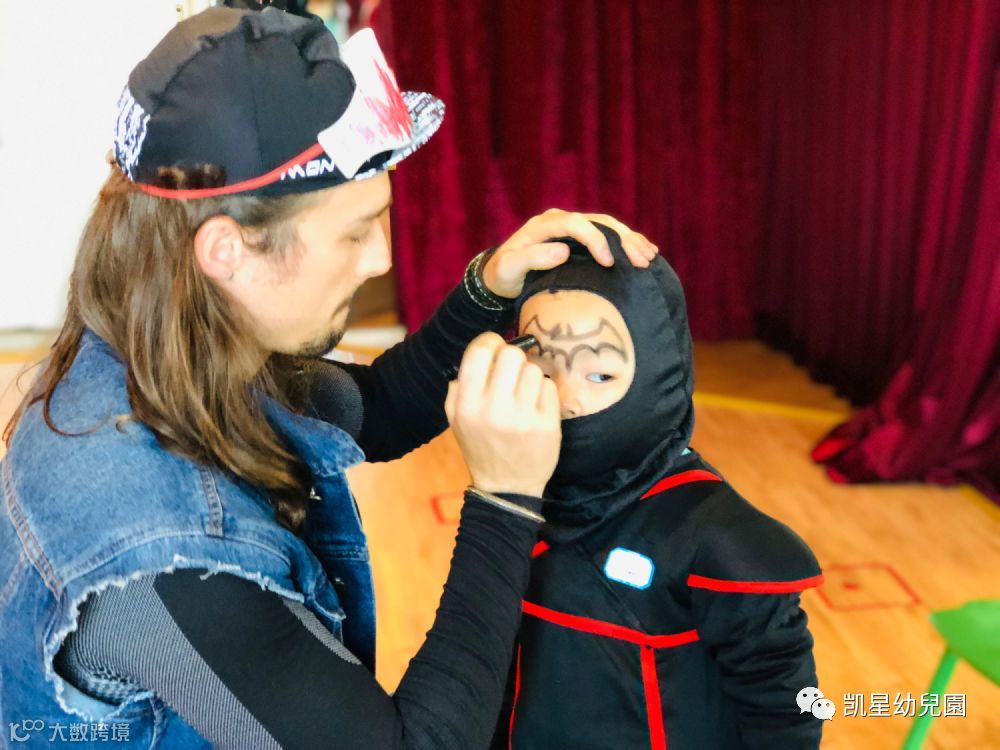
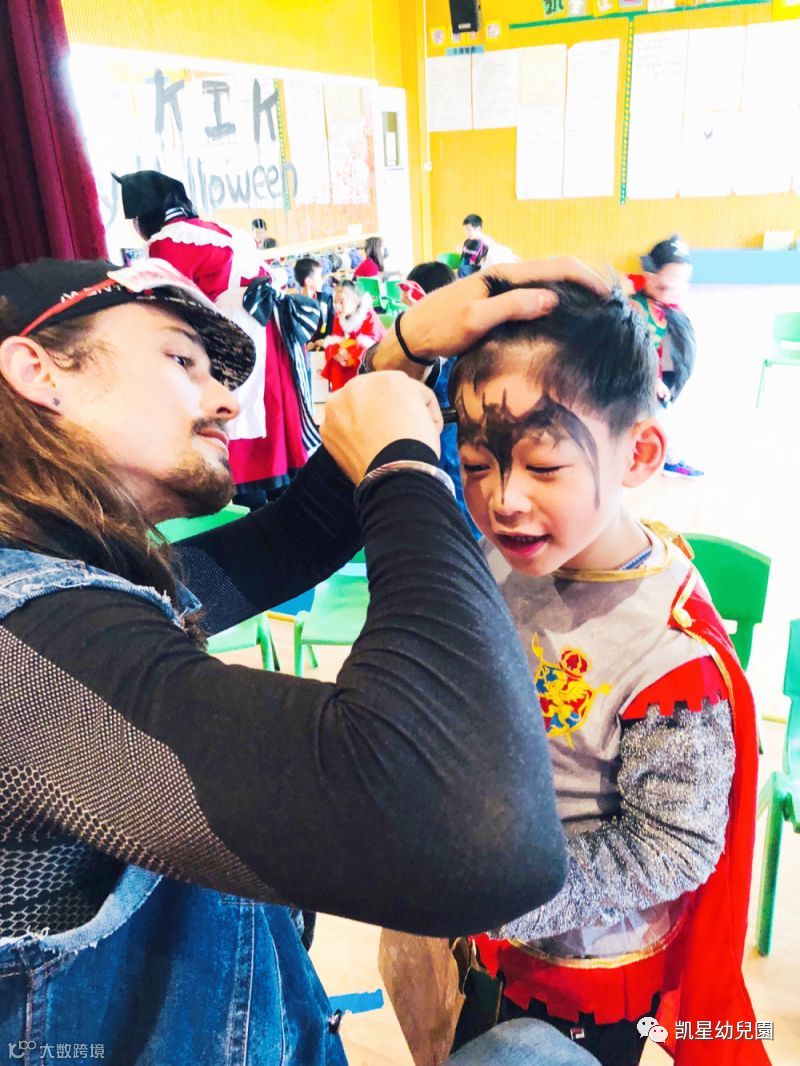
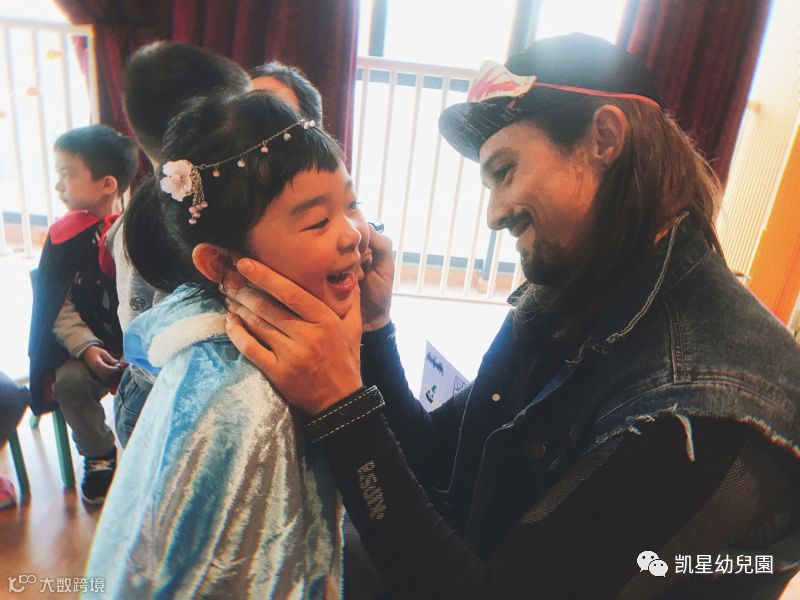
Face Painting
Teacher Robbie is able to put his art skills to use with the little ones at KIK. Through face painting! Children are able to choose from various pictures such as a spider web, snake, and jack o lantern! This enables some natural language production when the kids are talking about what color and shapes they want. This activity let the kids experience art and creativity.

Monster Mountain
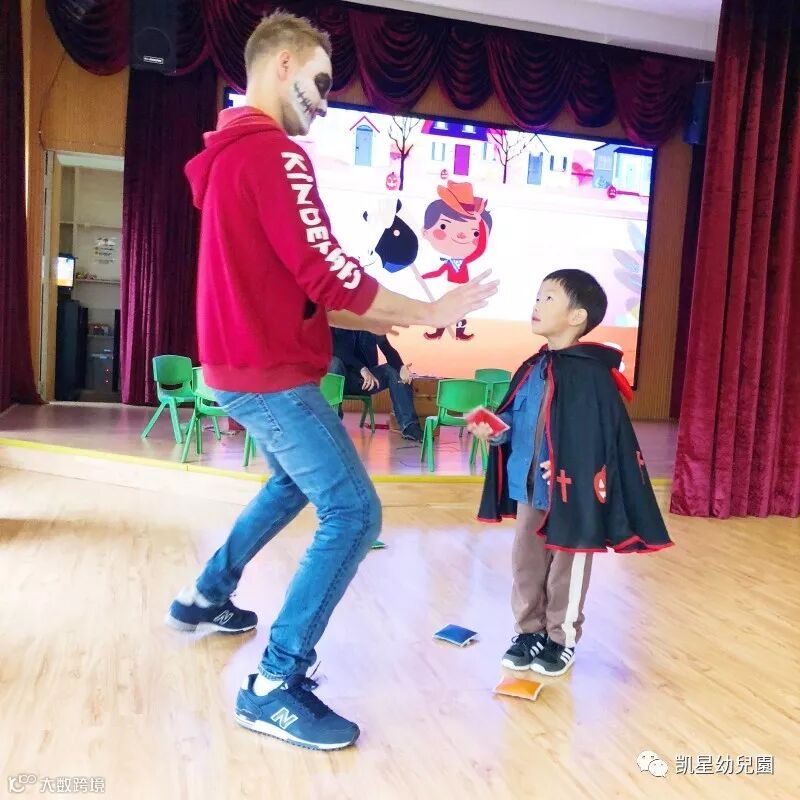
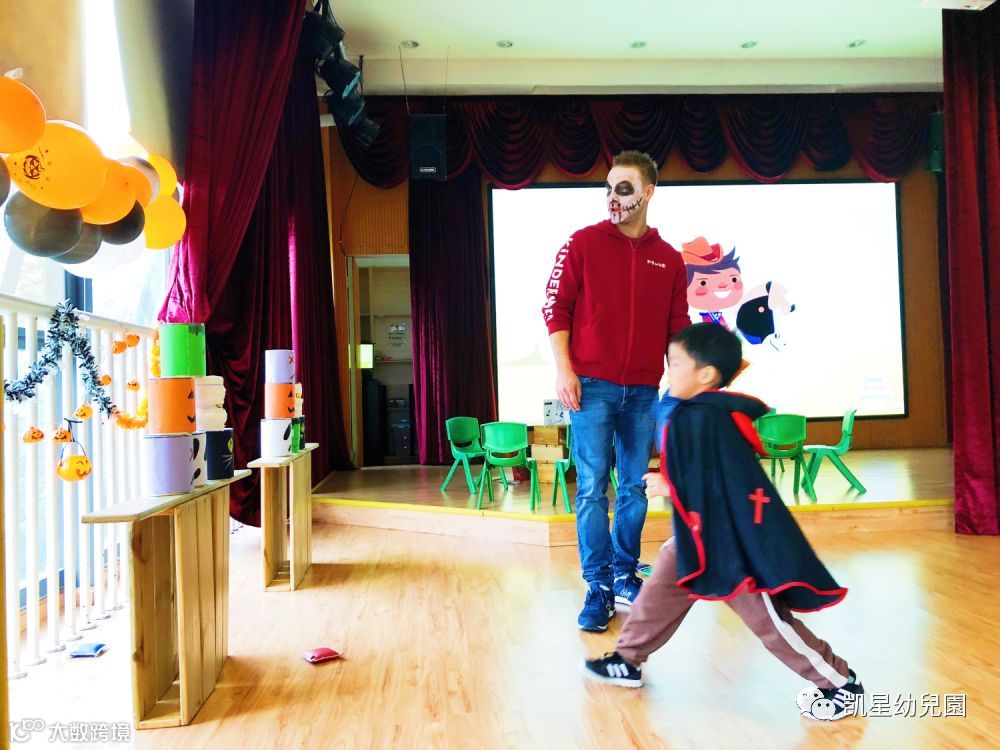
Teacher Aron paint his face as a skeleton. He paints 12 cans as monster faces and arranges 6 cans into a small mountain. Kids can use 3 bean bags and tried to knock down monster faces cans off an elevated block. This activity can practice kids’ gross motor and build their sense of competence. When they knock down more than 3 blocks. They get a candy!
Key Developmental Indicator (KDIs)
A. Approaches to Learning
1. Initiative: Children demonstrate initiative as they explore their world.
2. Engagement: Children focus on activities that interest them.
3. Problem solving: Children solve problems encountered in play.
4. Use of resources: Children gather information and formulate ideas about their world.
5. Reflection: Children reflect on their experiences.
B. Social and Emotional Development
6. Sense of competence: Children feel they are competent.
7. Emotions: Children recognize, label, and regulate their feelings.
8. Community: Children participate in the community of the classroom.
9. Building relationships: Children build relationships with other children and adults.
10. Cooperative play: Children engage in cooperative play.
11. Conflict resolution: Children resolve social conflicts.
C. Physical Development and Health
12. Gross-motor skills: Children demonstrate strength, flexibility, balance, and timing in using their large muscles.
13. Fin-motor skills: Children demonstrate dexterity and hand-eye coordination in using their small muscles.
14. Body awareness: Children know about their bodies and how to navigate them in space.
D. Chinese Language, Literacy, and Communication
15. Comprehension: Children understand language.
16. Speaking: Children express themselves using language.
17. Vocabulary: Children understand and use a variety of words and phrases.
18. Phonological awareness: Children identify distinct sounds in spoken language.
19. Concepts about print: Children demonstrate knowledge about environmental print.
20. Book knowledge: Children demonstrate knowledge about books.
21. Writing: Children write for many different purposes.
22. Chinese language learning: (If applicable) Children use Chinese and their home language(s) (including sign language).
E. Mathematics
23. Number words and symbols: Children recognize and use number words and symbols.
24. Counting: Children count things.
25. Shapes: Children identify, name, and describe shapes.
26. Spatial awareness: Children recognize spatial relationships among people and objects.
27. Measuring: Children measure to describe, compare, and order things.
28. Unit: Children understand and use the concept of unit.
29. Patterns: Children identify, describe, copy, complete, and create patterns.
F. Creative Arts
30. Art: Children express and represent what they observe, think, imagine, and feel through two-and three-dimensional art.
31. Music: Children express and represent what they observe, think, imagine, and feel through music.
32. Movement: Children express and represent what they observe, think, imagine, and feel through movement.
33. Appreciating the arts: Children appreciate the creative arts.
G. Science and Technology
34. Observing: Children observe the materials and processes in their environment.
35. Classifying: Children classify materials, actions, people, and events.
36. Experimenting: Children experiment to test their ideas.
37. Predicting: Children predict what they expect will happen.
38. Drawing conclusions: Children draw conclusions based on their experiences and observations.
39. Communicating ideas: Children communicate their ideas about the characteristics of things and how they work.
40. Natural and physical world: Children gather knowledge about the natural and physical world.
41. Tools and technology: Children explore and use tools and technology.
H. Social Studies
42. Community roles: Children recognize that people have different roles and functions in the community.
43. Decision making: Children participate in making classroom decisions.
I. English Language, Literacy, and Communication
44. Comprehension: Children understand language.
45. Vocabulary: Children understand and use a variety of words and phrases.
46. Phonological awareness: Children identify distinct sounds in spoken language.
47. Alphabetic knowledge: Children identify letter names and their sounds.
48. Reading: Children read for pleasure and information.
49. Concepts about print: Children demonstrate knowledge about environmental print.
50. Book knowledge: Children demonstrate knowledge about books.
51. Writing: Children write for many different purposes.
52. English language learning: (If applicable) Children use English and their home language(s) (including sign language).

图/文 / Ring(陈韵颖)
微信编辑 / 蒲黎文
封面制作 / 许 丹
责任总编 / 王 雯
往期精彩回顾: