


专家简介
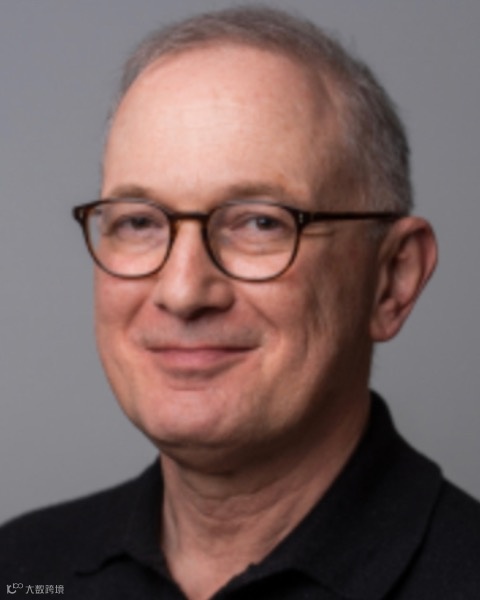
Murat Akova 教授
土耳其安卡拉哈西德佩大学
Murat Akova是土耳其安卡拉哈西德佩大学医学院传染病系的医学教授。他毕业于伊斯坦布尔大学,在哈西德佩大学医学院完成了内科和传染病住院医师培训。他的研究生学习包括在英国伦敦医院医学院的医学微生物学系,以及在美国波士顿塔夫茨大学医学院的适应性耐药性和微生物学中心。他曾在欧洲癌症研究和治疗组织(EORTC)国际抗菌治疗小组、欧洲临床微生物学和感染病学会(ESCMID)和国际免疫受损宿主学会(ICHS)的执行委员会任职。ESCMID的前任总裁(2014~2016年)和ICHS的现任总裁(2022~2024年)。Murat Akova 教授还曾作为土耳其临床研究协会的创始成员和前任主席之一,并担任土耳其伤寒中性粒细胞减少症协会的现任主席,以及土耳其科学院成员。他的研究兴趣包括免疫功能低下宿主的感染、革兰氏阴性菌的抗微生物耐药性、临床药物和疫苗试验以及医学教育。
《感染医线》:早上好,您的演讲非常精彩,感谢您接受我们的采访。关于第一个问题,您在传染病领域进行了广泛的研究,特别是针对免疫功能低下的患者。能否请您概括介绍下最近的工作以及它们是如何帮助我们来理解这一患者群体的感染?
Murat Akova教授:非常感谢您的问题。我在免疫功能低下领域工作了很长一段时间,在这些年中,我观察到了该领域的重大变化。在中性粒细胞减少性发热的癌症患者中主要转变为从长期治疗到短期治疗。与此同时,影响这种转变的另一个因素是中性粒细胞减少性发热患者的风险分类。在过去,所有中性粒细胞减少性发热的癌症患者都被视为单一的风险类别。因此,他们通常在医院接受广谱抗菌治疗,并在中性粒细胞减少性发热的整个过程中使用这些抗生素。然而,我们现在知道,中性粒细胞减少性发热的癌症患者并不是单一同源群体,而是有高风险、低风险以及中风险组患者。例如,对于接受实体器官癌症治疗的中性粒细胞减少症低风险患者和化疗强度较低的低强度患者,如果病情稳定可以耐受口服抗菌药物治疗,无任何合并症,我们通常在门诊使用口服抗生素进行治疗,这是一种非常有效的治疗方法。而对于高风险组患者,我们通常会让他们在最初的48、72小时内入院直到病情稳定,对他们进行广谱的经验性抗菌治疗,一旦得到诊断或患者病情稳定后,我们会尝试缓和治疗,切换到窄谱抗生素治疗,或者正如我在演讲中提到的,也可以全面停止治疗。这些都是变化,多年来我做了几项研究——这方面的几项随机试验,贡献了几部指南,特别是欧洲白血病相关感染会议(ECIL)指南和欧洲临床微生物学和感染病学会(ESCMID)指南。
Good morning, Dr It was a great talk and thank you for doing this interview with us. And for the first question, you've conducted extensive research in the field of infectious diseases, particularly in immunocompromised patients. Could you provide an overview of your recent work and how it's contributing to our understanding of infections in this patient population?
Well, thank you very much for this question. I mean, I have been on the field of immunocompromised those for long years and over all these years, I mean, I have observed significant changes in the area. So the main shift was that from prolonged therapy to shorter therapy in those febrile and neutropenic cancer patients. And just along with that, the other factor which affects this type of therapy is that risk categorization of febrile and neutropenic patients. In all days, all febrile and neutropenic cancer patients were considered a single risk category. So we admit them to the hospital, gave them broad antimicrobial therapy, particularly anti-sodermonal therapy. And these antibiotics were given during the entire course of febrile and neutropenia. However, we know these days that the febrile and neutropenic cancer patients are not a single homologous population. There are high risk group of patients, there are low risk group of patients and intermediate risk group of patients. For example, in those low risk neutropenic patients which are solid organ cancer treatment and less intensive patients with less intensive chemotherapy, we usually treat them in the outpatient setting with oral antibiotics. If the patient is stable, can tolerate oral antimicrobial therapy, doesn't have any comorbidity. And this is a very effective therapy. So those patients are not exposed, you know, highly resistant bacteria when they are going to be admitted to the hospital. On the other hand, in high -risk group of patients, we usually admit them to the hospital for the first, you know, 48, 72 hours until they get stabilized, give them broad spectrum empirical antimicrobial therapy, but we attempt to de-escalate once we have the diagnosis or the patient defervesse immediately and stable, then we can easily switch a narrower spectrum of antibiotic therapy or as I was mentioning in my talk, we can overall stop the therapy as well. So these are the changes and over years I have done several research, several randomized trials in that respect and I contributed several guidelines, particularly ECIL guidelines and the ESCMID guidelines on that respect.
《感染医线》:您的演讲题目是“顺其自然,中性粒细胞减少性发热何时停用抗生素”。可否请您再深入介绍一下,以及临床医生在决定对中性粒细胞减少性发热患儿停用抗生素时应牢记的关键因素和注意事项?
Murat Akova教授:我可能已经在第一个问题中回答了部分内容,但基本信息是,抗生素治疗时间越短越能避免其治疗并发症。首先,广谱抗生素已被明确证实,尤其是在干细胞移植的致敏患者中,从长远来看可能会对发病率和死亡率造成不利影响,因为它们会导致微生物组的变化,而这些变化可能会改变移植过程,甚至导致更高的死亡率。因此,越来越多的证据表明,广谱抗生素不应继续使用,直到患者从中性粒细胞减少症中康复。可以提前停止,如果患者病情稳定或者出现早期不同,那么可以停用抗生素,并在中性粒细胞减少性发热的整个过程中观察患者。另一方面,在患者停止治疗后是否应改用口服氟喹诺酮类药物进行预防存在争论。一些中心倾向于在经验性抗菌治疗前继续进行氟喹诺酮预防。但最近有数据表明,喹诺酮类抗生素可能会对死亡率造成不利影响。因此,一些中心提前停用抗生素,不再使用任何抗生素,只观察患者。我认为这取决于当地的流行病学情况和经验,但主要信息是不要无限期地使用广谱抗生素治疗这些患者。
Thank you and your presentation is titled, Let it Go, Once You Just Continue Antibiotics and Fatal Natural Panion. Put your back deeper into this topic and end. and explain the key factors and considerations that clinicians should keep in mind when deciding when to discontinue antibiotics in pediatric patients with ribaroma and panula.
Well, probably I have answered some part of this questions in the first question, but the basic message is that the shorter the antibiotic therapy, the better avoidance of the complications of the antimicrobial therapy. First of all, I mean, broad spectrum antibiotics have been shown clearly, particularly in those patients with allergenic stem cell transplantation might adversely affect the morbidity and mortality in long term because they cause changes in the microbiome and these changes may alter the course of the transplantation and may indeed cause a higher mortality. So the accumulating evidence indicate that the broad spectrum antibiotics should not continue until the recovery from neutropenia. You can stop them early. If your patient is stable, if the patient differs early, then you can stop the antibiotics and observe your patients through the entire course of febrile neutropenia. Well, on the other hand, there is a debate whether these patients should switch to oral fluoroquinolones as prophylaxis after stopping the therapy. Some centers prefer to continue fluoroquinolone prophylaxis just before the empirical antimicrobial therapy. But these days, there are data emerging saying that quinolone antibiotics might adversely affect mortality. So some centers stop the antibiotics early and do not give any more antibiotics, just observe patients. So I think it depends the local epidemiology, local experience, but the main message is that do not treat these patients with broad spectrum antibiotics indefinitely.
《感染医线》:最后一个问题是,您一直在积极参与癌症同意立场声明的制定,例如推进免疫功能低下患者感染事件的标准化报告。针对免疫功能低下患者的感染性疾病,目前是否有利于临床实践和研究的标准化报告?
Murat Akova教授:是的,正如前面所说,我参与了ECIL指南的制定。它是由30多个国家的欧洲专家组成的小组,自2005年以来一直致力于指南的制定。专家小组每隔一年召开一次会议,讨论免疫功能缺陷宿主的各个方面。这些指南主要是针对执业医生,特别是初级医生,提供一些指导和建议。当然,并不是总是要按照指南来,指南只是通过回顾文献试图提供一些治疗患者的标准规则,而因为流行病学和患者类型存在差异,总会有一些例外。不过我认为这些指南对执业医师还是非常有用,我很高兴能够有所贡献。非常感谢!
Thank you. And for the last question, you've been actively involved in the development of cancer's consents position statements, such as the one of advancing the standardized reporting of infection events in immunocompromised patients. Are there standardized reporting practices that benefits both clinical practice and research in the context of infectious disease in immunocompromised patients?
Yeah, I mean, as I said, I have been involved in ESIL guidelines. This is a group of European experts with several countries, more than 30 countries, and several experts from those countries are involved. So ESIL has been producing guidelines since 2005. Those group of scientists convene every other year and then discuss different aspects of immunocompromised host. So I think these guidelines are mainly targeting the practicing physicians, those physicians, well, particularly junior physicians, they need some guidance when they are alone. So these guidance are just to give advice for these physicians as well. But on the other hand, of course, these guidelines are not suggesting that you should do this all the time, but it's a simple guidance to give some idea, you know, reviewing the literature and trying to provide some rules of standards of treating the patients. But of course, there are going to be some exceptions all the time because there are differences in epidemiology, differences type of patients. But I think they are very useful for the practicing physicians. So I'm very happy to be able to contribute these guidelines. Thank you so much.
声明:本文仅供医疗卫生专业人士了解最新医药资讯参考使用,不代表本平台观点。该信息不能以任何方式取代专业的医疗指导,也不应被视为诊疗建议,如果该信息被用于资讯以外的目的,本站及作者不承担相关责任。