

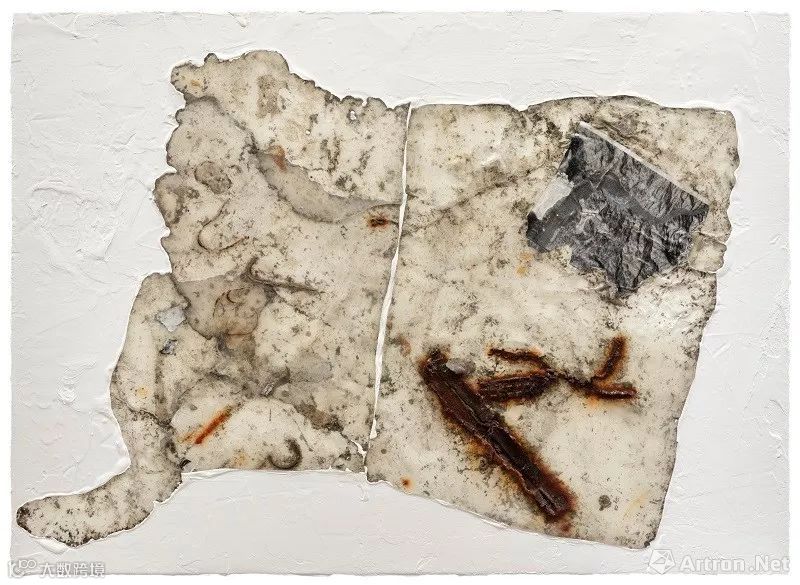
坏书-文学 布面综合材料 93cmX128cm 2018
原标题:
山水之坏和真理之坏(文/汪民安 )
在1980年代的《黄河船夫》中,尚扬就流露出他对人和大地关系的兴趣,在这幅画中,船夫,黄河,大地融入一片共同的黄色之中,他们是一体化的。哪怕每个船夫都苦苦挣扎,但他们彼此之间还是有一种和谐的整体性。在这里,人和人相互依存,而人和自然既相互依存,也相互砥砺——作为技术中介的工业和机器在此尚未出现。
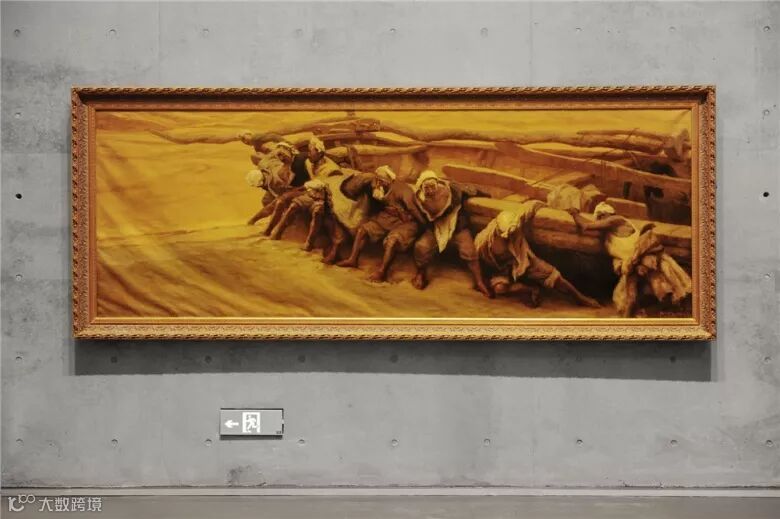
尚扬《黄河船夫》140×381cm布面油画 1981年作
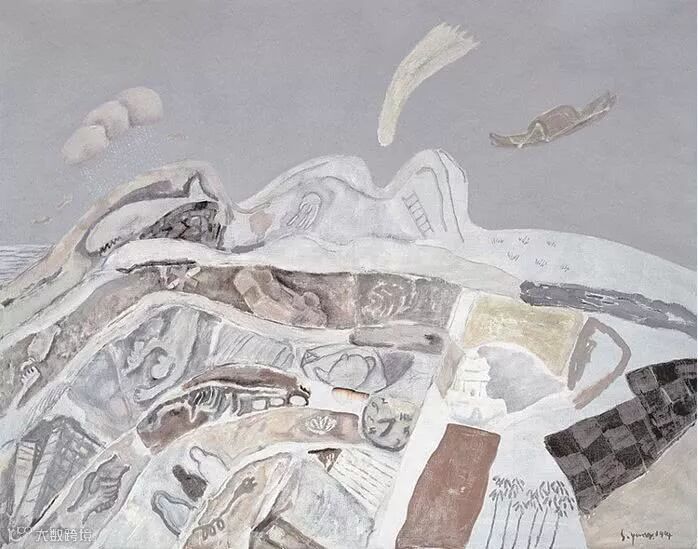
许多年的大风景-1 布面油彩、丙烯 153×193cm1994
但是,从1990年代的《大风景》开始,尚扬就剔除了画面上的人物,“大风景”意味着全新的风景,一个新的没有人的风景,一个碎片化的风景和自然。对尚扬来说,自然和风景像被刀切割过一样。而且,碎片化的大风景既是自然风景,也是社会风景,或者说,自然风景和社会风景是一体化的。它们同时在这个时候解体。1990年代确实是个分化和解体的时代,自然的解体,乡村的解体,伦理的解体,各种各样先前共同体的解体。这些解体一方面来自工业机器大规模的运转(世界工厂的启动,对自然和大地不顾一切的开垦和折磨),另一方面来自市场的无情淘洗(人们的衡量纽带唯有金钱),工业主义和市场机制携手启动。尚扬碎片化的景观(自然风景和社会风景)是对此的一个敏锐寓言。
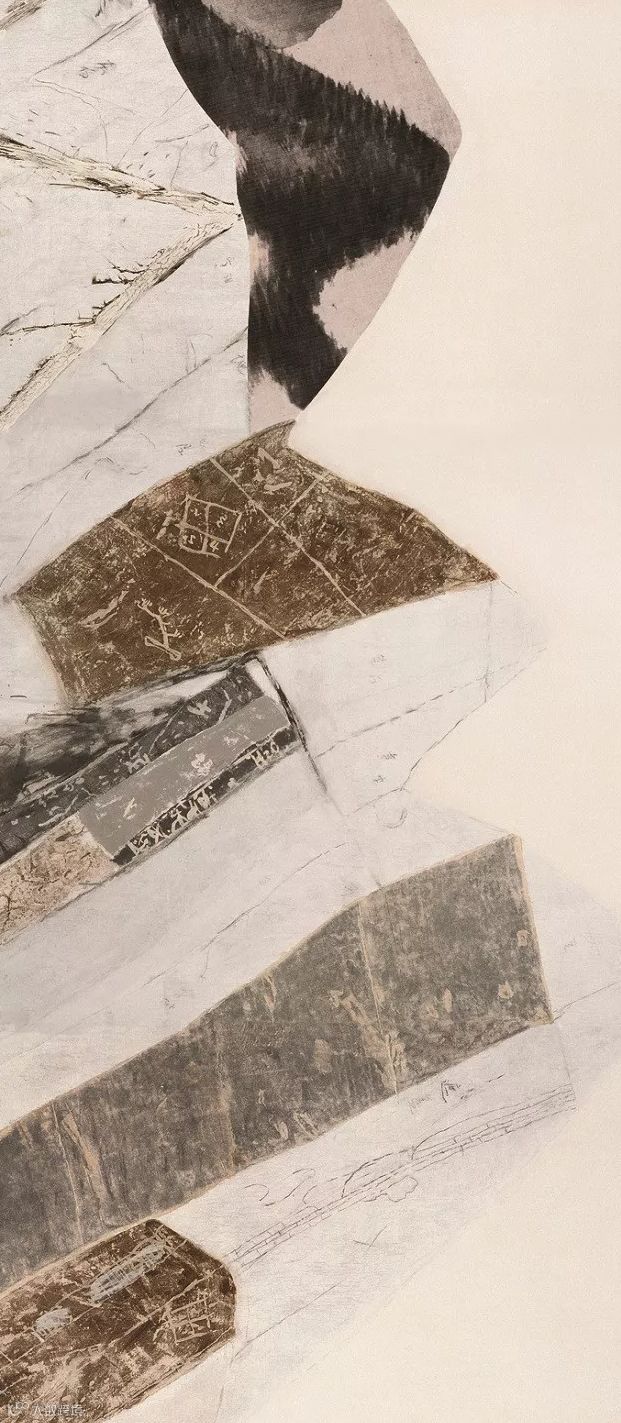
董其昌计划-3 布面综合材料 233×505cm 2006(局部)
这个“风景”一开始就取消了秩序,深度和中心性,它们平面,支离破碎,块状地拼贴,碎片般地堆砌——这是尚扬所预示和发现的1990年代的景观社会,即双重的破裂景观:社会的破裂和自然的破裂。这种破裂越来越显著,以至于尚扬随后就出现了反思和怀旧的情绪:他不仅注意到此刻的自然的破损,还不无留恋地勾勒了这个破损之前的完整的自然,还试图让这个破损之前的自然风景再现,它让破碎的风景和完整的风景并置,让它们剧烈地对照,让它们在历史中对照,也就是说,存在着一种关于自然的历史,关于自然被不断地损坏的历史——《董其昌计划》就是以三联画的方式将自然遭到残暴地开掘而不断地破碎的历史进程表达出来。
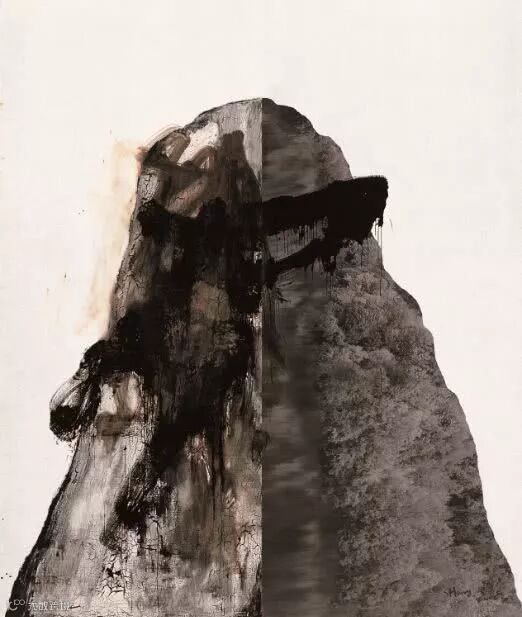
董其昌计划-20 布面综合材料 360x306m 2008
如今,自然全然破碎,山水完全浑浊。董其昌式的山水杳无踪迹。这令尚扬的作品越来越出现一种触目惊心的粗犷。在先前的作品中,对完整的山水还有依恋之感,甚至还会将自然山水作为要素以各种方式引入作品中,人们在那里看到了一个完整山水的苦苦折磨,它们被各种外物所刺伤,它们在痛苦地呻吟,它们的呻吟似乎在召唤挽救。
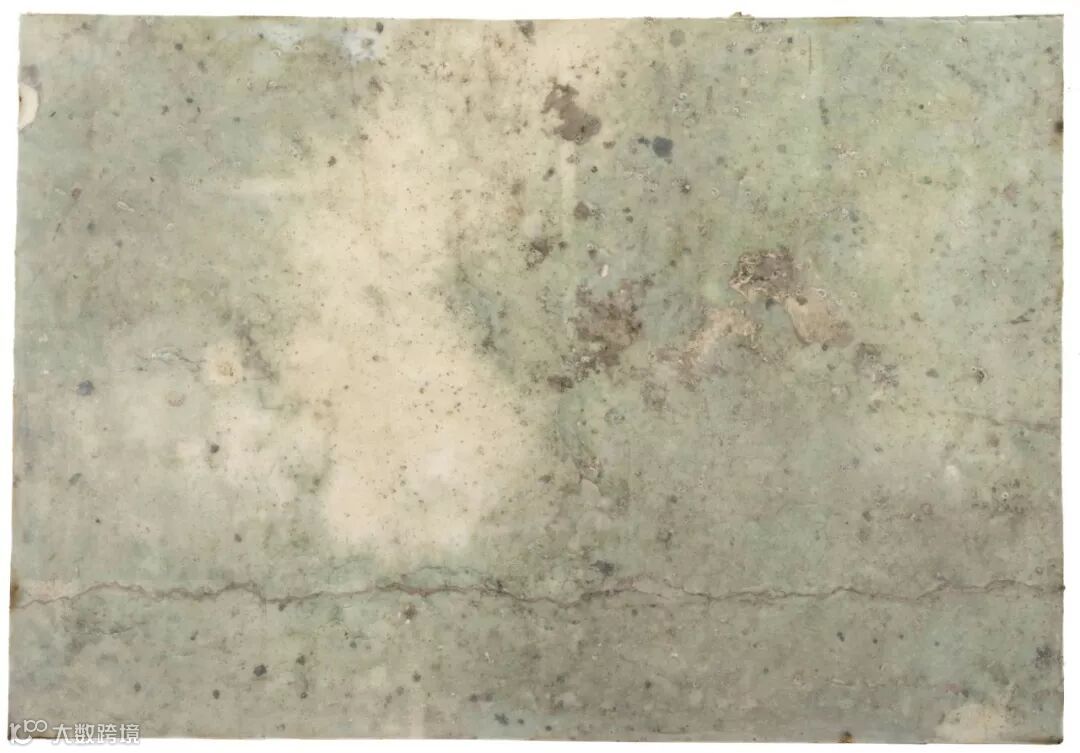
SHY-PTG-18003 Cataract – Section No.1 白内障- 切片 No.1
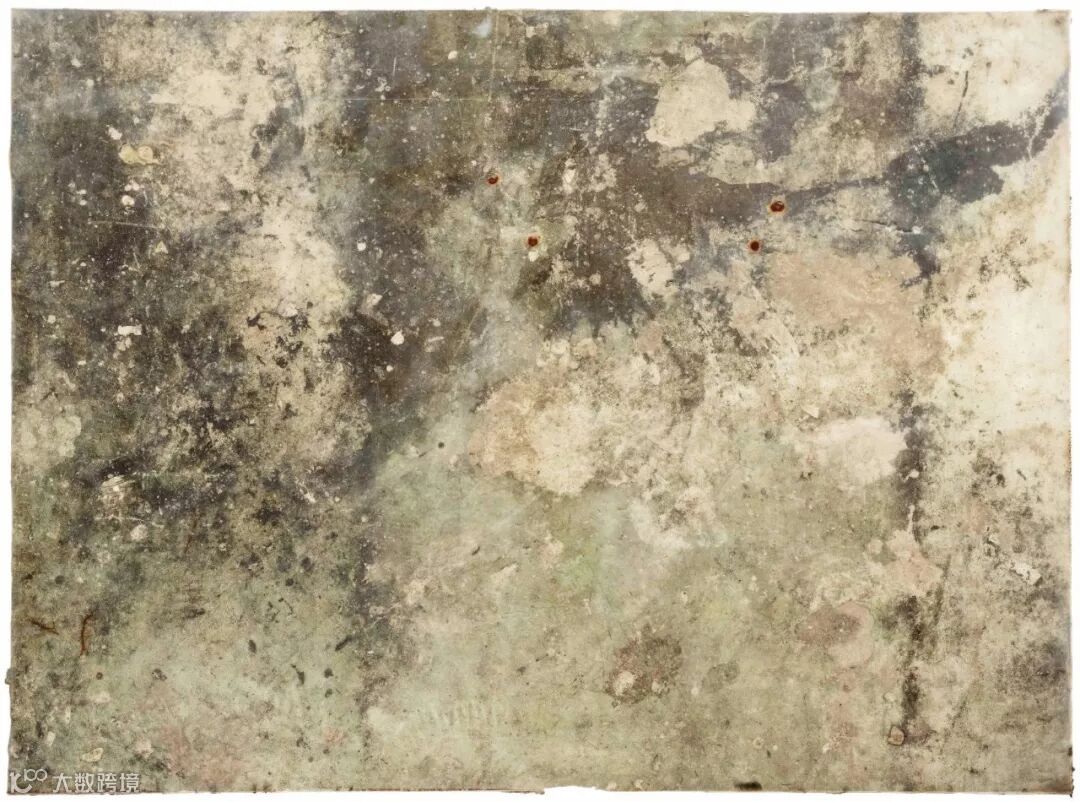 白内障-切片4布面综合材料169.5cm×230cm 2018
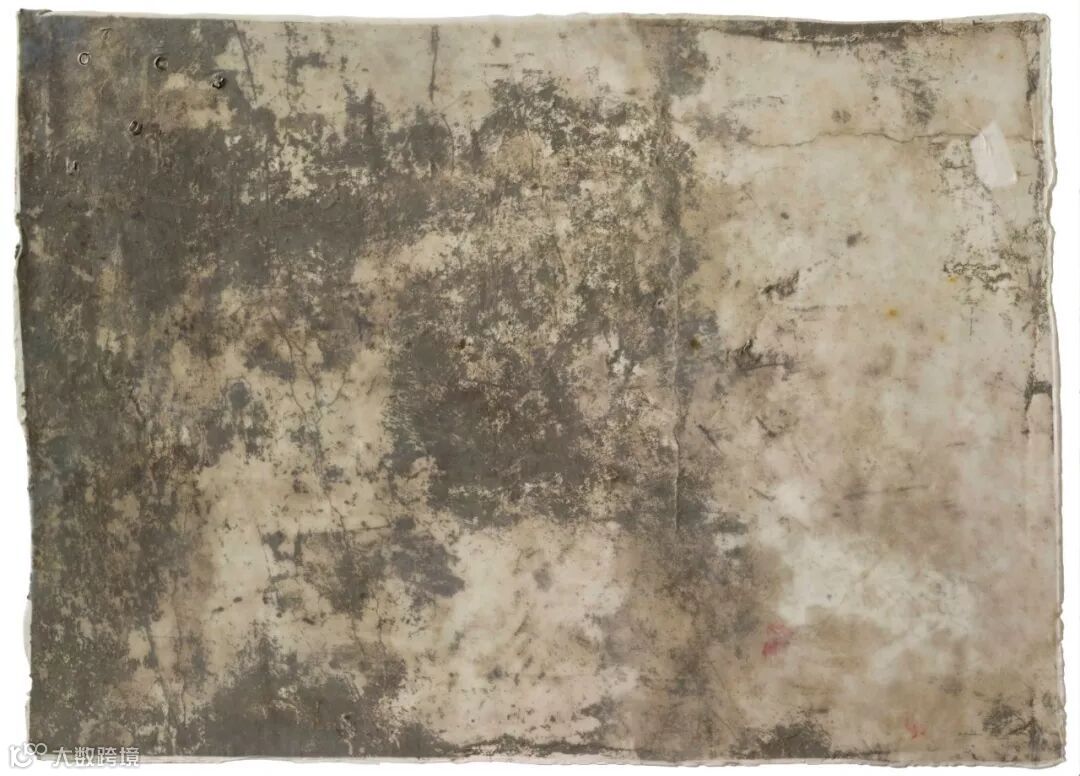 白内障-切片5 布面综合材料 173cm×242cm 2018
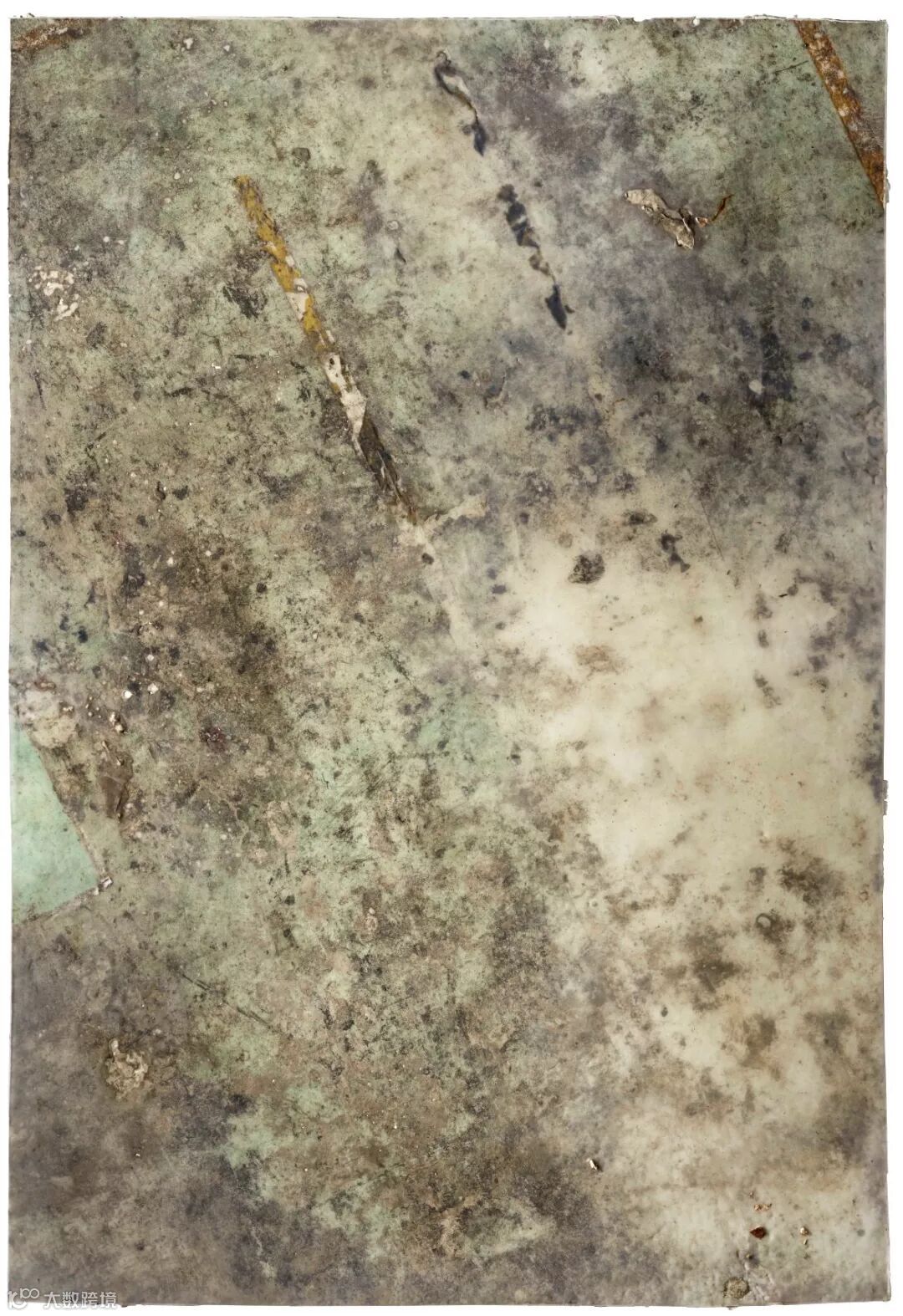
Cataract – Section No.6 白内障- 切片 No.6
但是,现在,山水的总体性彻底消失,偶尔在画面上出现了山水,也是一种彻底的败坏——这是无可挽回的颓败图景。因此,尚扬干脆就将他的新作品命名为“坏山水”。就像人们要将山水不顾一切地毁掉一样,尚扬似乎要将画面也不顾一切地毁掉,他的画面仿佛就是山水,他奋力地制作出山水,但也奋力地毁灭这山水。他拿着大刷子在这些山水上疾戳,他在山水周围愤怒地书写指控;他甚至在整张大画上直截了当地宣告了山水和自然的decay(腐烂);这像是在判决,在宣示,在抗议。
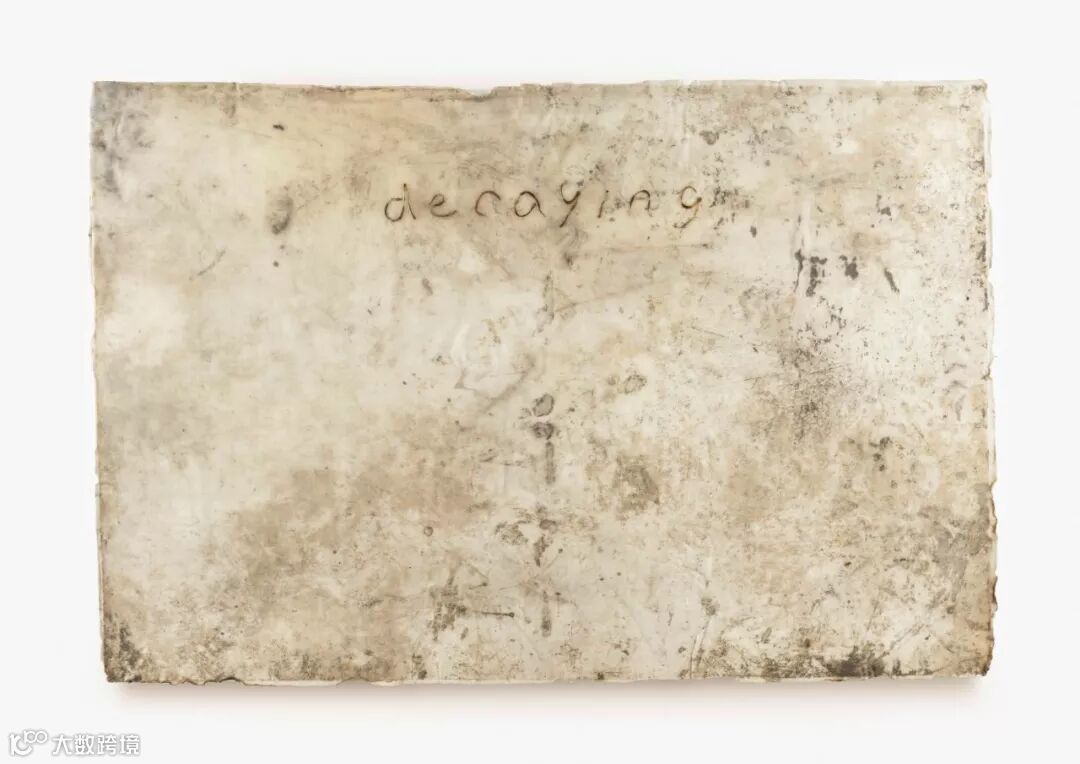
SHY-PTG-18001 Decaying
如果说,尚扬先前的绘画既有冷静的反思(黄河船夫),有理性的质疑(大风景),有历史的感伤(董其昌计划),有具体的哀悼(吴门楚语),如果说,所有这些都对自然的复建尚存希望的话,那么现在,尚扬似乎已经不抱任何期待,他不仅在毁坏画布上的山水,还在毁坏画布本身,他干脆自己动手,自己来摧毁——我们看到了他的愤怒,我们看到他作品中的撕裂,破败和衰竭的图式——画布无力承载山水,画布本身已经凋零,画框已经摇摇欲坠——因为目光之中已无风景,唯有剩余的撕裂残片。失去的似乎已经不可能再回来了,除了抗议之外还有何办法?
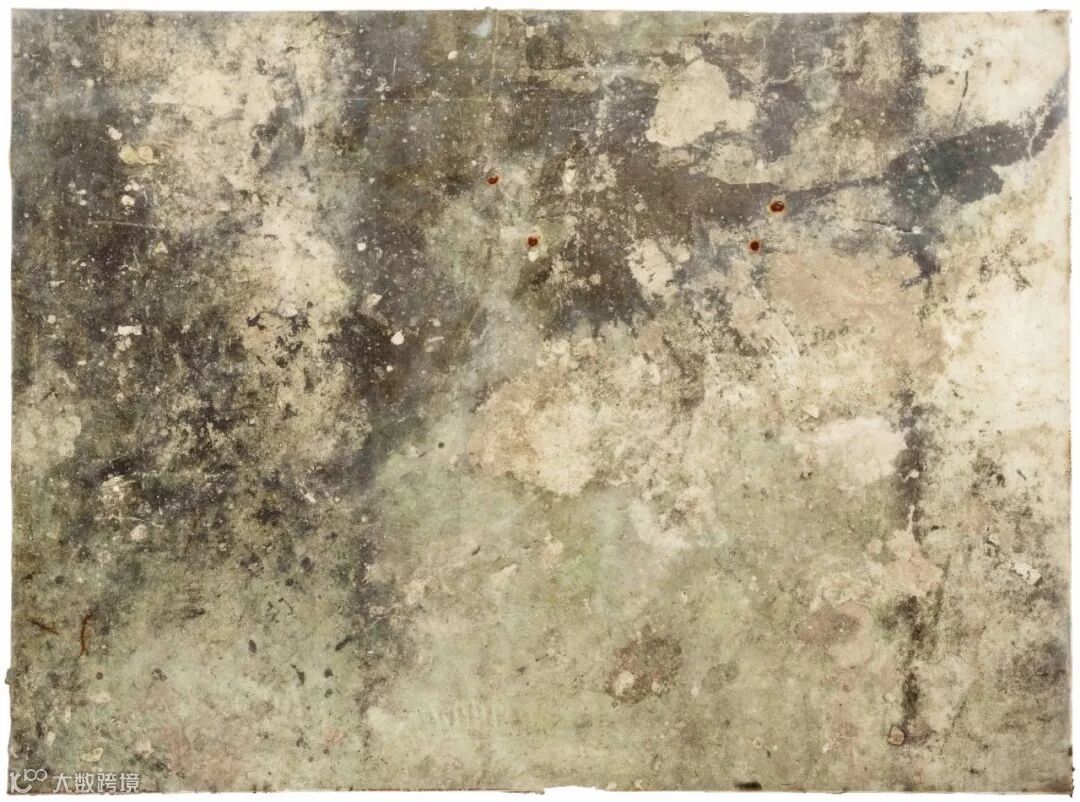
SHY-PTG-18004 Cataract – Section No.4
白内障- 切片 No.4
但今天的问题远远不是山水的破败,既不是艺术传统中的山水,也不是作为自然风景的山水。人类不仅仅改变了山水——山水的破碎已经显而易见——更大的问题在于,人类改变了地球本身。这种改变如此之显著,以至于现在被称为“人类纪”。地球已经进入到一个新的阶段:即人类凭自身之力足以改变地球的时代。人类已经不再是地球的安宁的栖居者和虔敬的守护者,而是地球自大狂妄的占领者和操纵者,人发明了工具-技术,且借助这种技术来宰制自然,人也因此越来越和地球处于某种对抗关系和张力关系,以至于地球是作为人类的对象,作为人类的视觉图像而展示给人的。对于人来说,地球是一张有距离的巨大图像。
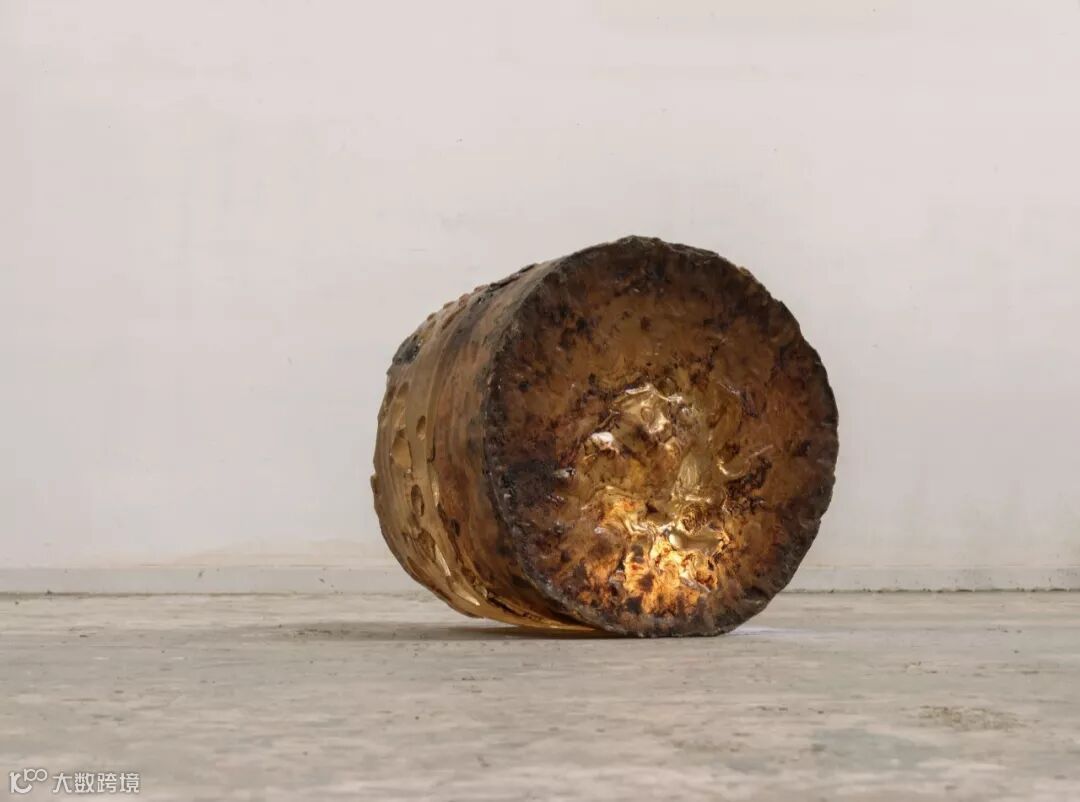
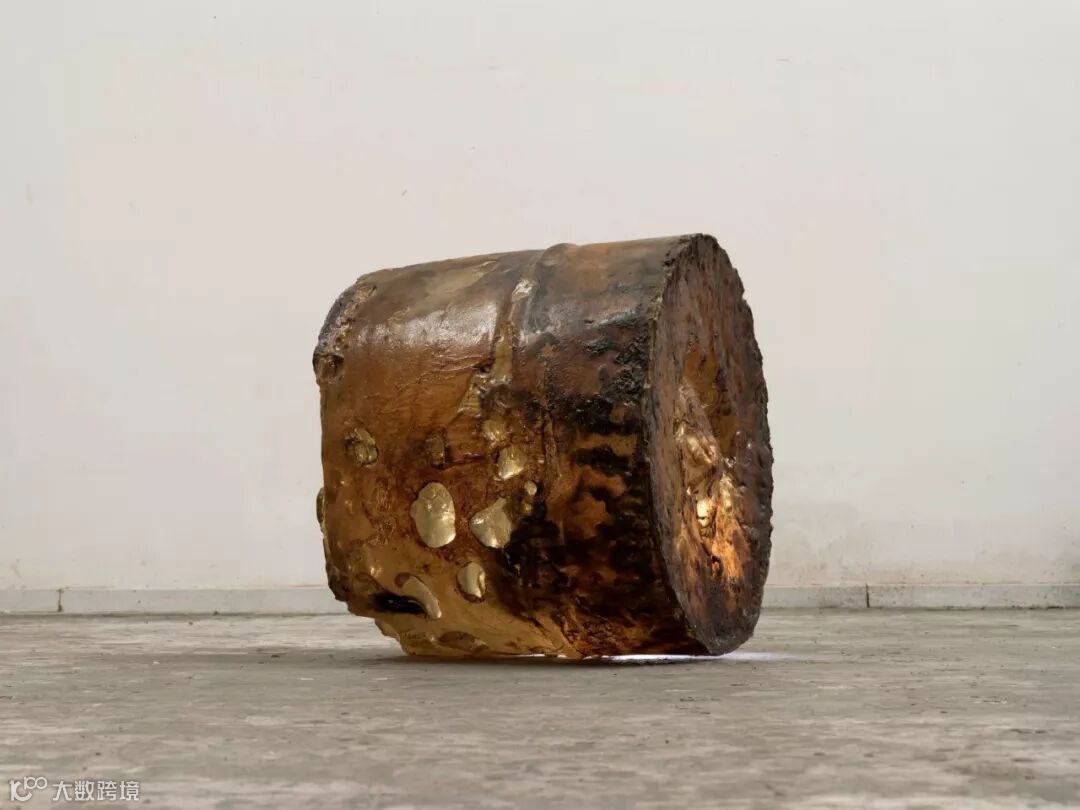
白内障 - 未知物,2018树脂 57x 57 x 49 cm
但是,它是一张被蹂躏的图像(尚扬的画面正是这蹂躏的图像)。海德格尔在五六十年代指出这一点的时候,正是人类所谓技术大加速的启动时刻,技术发展得越快,对地球的征用和挖掘就越强烈,人类对地球的影响就越巨大,人类纪的形成也就越稳靠。地球也因此陷入巨大的改变之中:气候变暖,物种灭绝,海平面上升,空气,土壤和水都被污染——这些人们都耳熟能详。如果说,人将自身不断地改变和打造以至于人在自我摆脱从而向某种后人类转化的话,那么,人是不是也促使地球向某种后地球转化?

SHY-PTG-17001 Cataract No.1 白内障 No.1
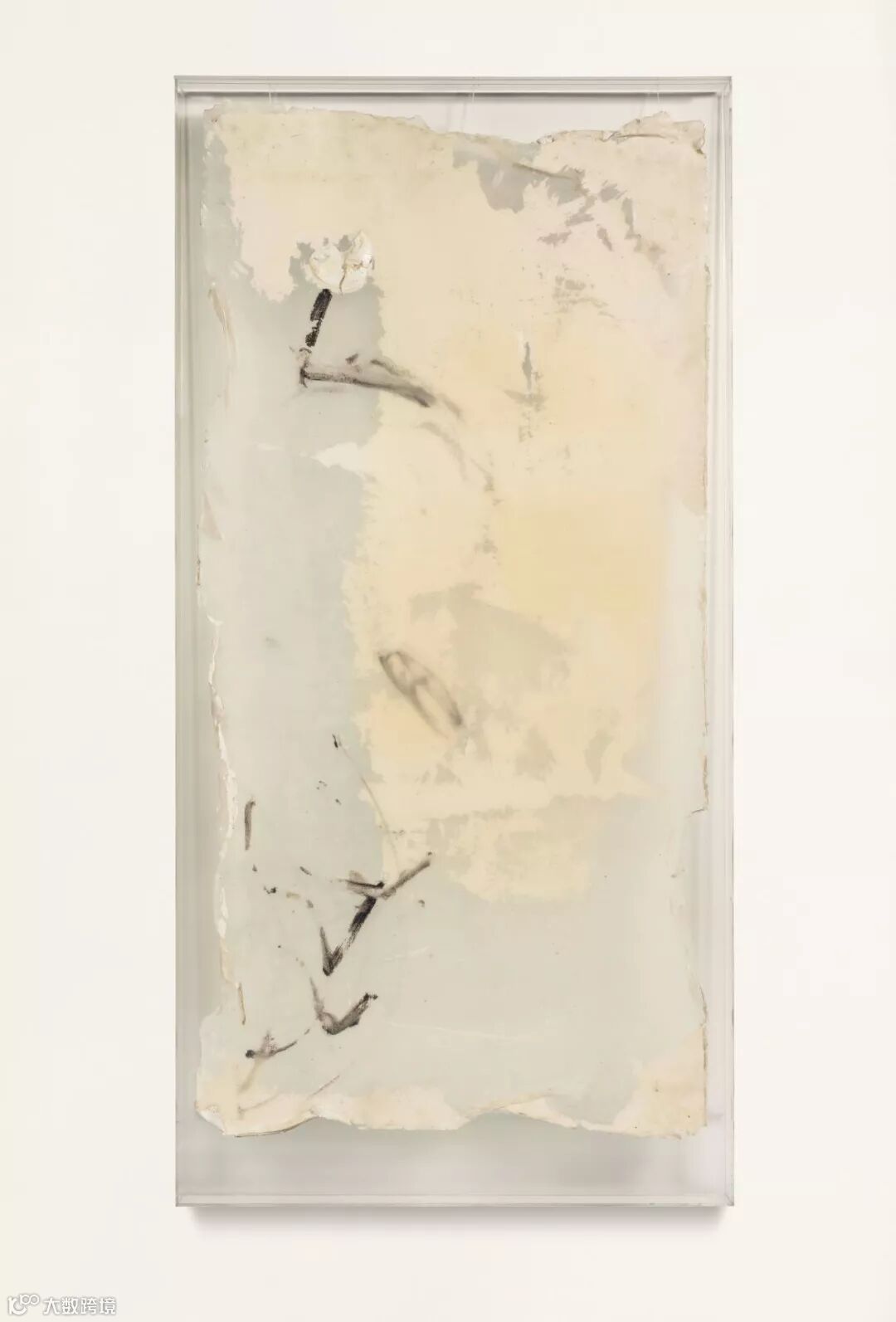
白内障No.4,2017 综合材料184x 92 x 7.8 cm
地球到底是怎样受到人类的影响和改造的?或者说,到底是怎样具体的手段来改造地球?在《白内障》系列中,尚扬直接将化学物质(各种化学产品)作为现成材料,将它们贴在画布或木板上,或者直接将它们制作成画布和画面,也就是说,它们是以现成物的方式而被制作成一种“画面”、一件作品,就像他以前用钢筋、沥青等材料制作画面一样,这次他甚至直接用大量的液态的化工产品(乙烯等)来制作。
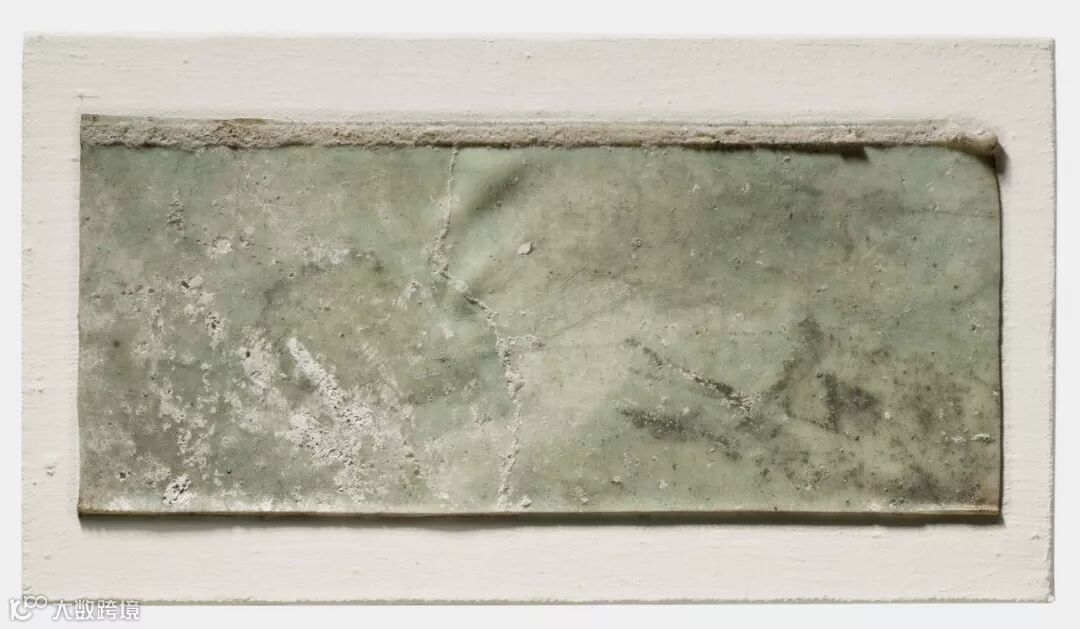
小切片-2布面综合材料29cm×53cm 2018年
为什么选择这样的材料?毫无疑问,这些化工制品是摧毁地球至关重要的技术成品。也就是说,尚扬一方面将地球被毁坏的现实和结果展示出来,另一方面将毁坏地球的媒介展示出来,他的作品是对手段和结果的同时呈现:化工制品既是毁灭地球的手段,也是对地球表面的最后覆盖;与之相呼应的是,化工制品既是作品的媒材,也是作品的最后效果。它就是作品本身。他暴露这些化工制品,让这些制品显赫地在场,让这些制品来自我诉说,让这些制品既暴露自己的肆虐,也暴露自己的脸面——暴露自己肆虐之后的脸面。
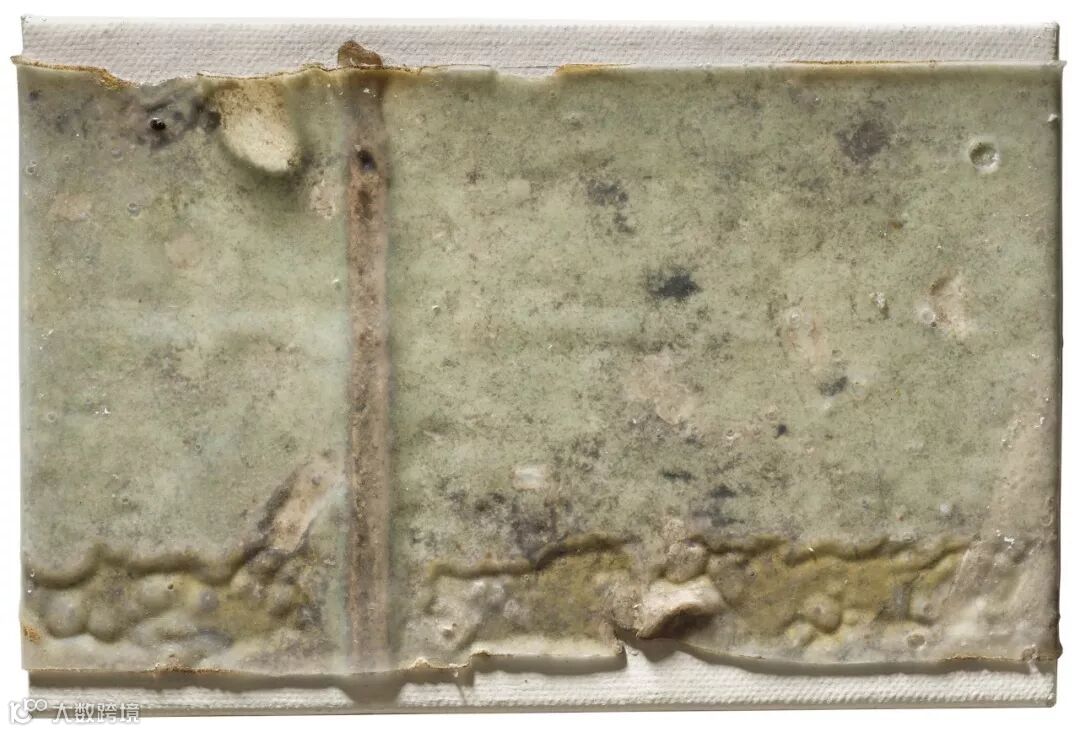
小切片No.3,2018 综合材料21x 31 cm
为此,尚扬一方面将它们直接展示到画布上(《白内障》),另一方面,他将这些乙烯制品处理成类似画布但有厚度的平面(《白内障切片》),在它干燥之后使之保持一个固定的形状并能悬挂。不仅如此,尚扬在这些厚重的乙烯制品中包裹了各种各样的零碎杂物——人们并不清晰这些杂质为何?
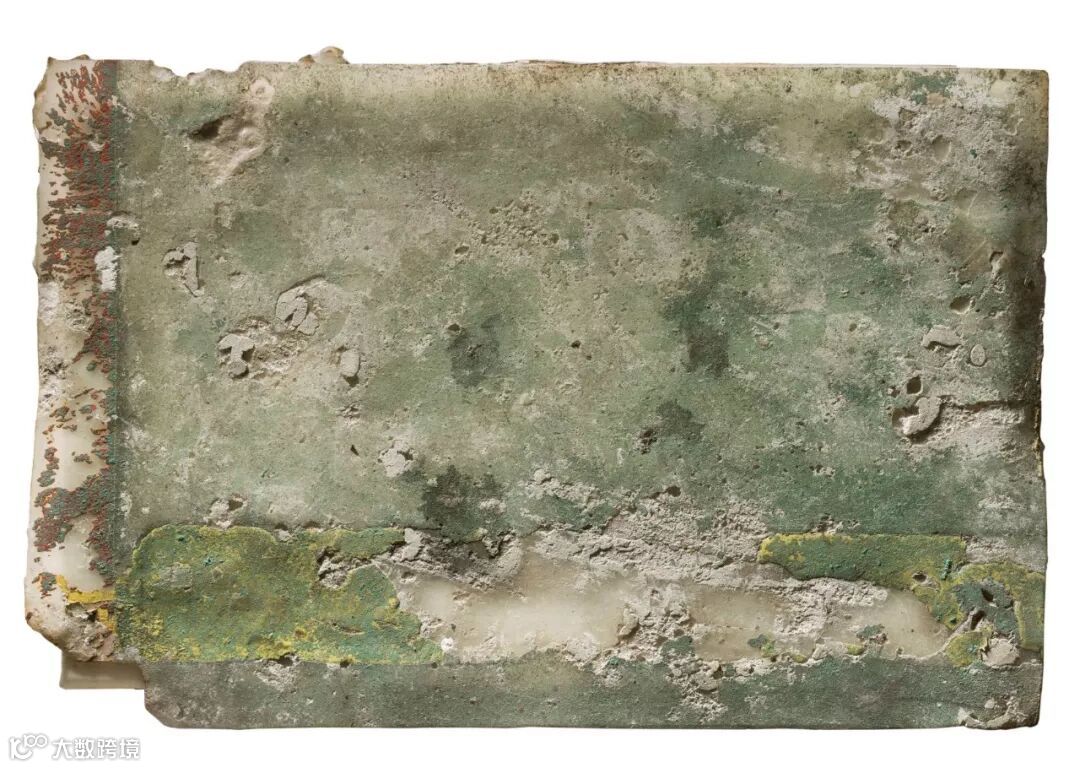
小切片-5 布面综合材料 21cm×31cm 2018
它们隐隐约约,斑斑点点,凹凸不平,构筑了这个化工“画面”景观:这个景观有时候看起来像剩余垃圾物那样,肮脏不堪;但有时候看起来却又有一种特殊的凌乱之美:它们色彩朦胧,有物质零星点缀,像一张随机而成的抽象画一样,似乎是一种特殊的风景——这些作品的效果,既和谐也混乱;既优美也肮脏——这不是今天的人造地表景观的如实隐喻吗?我们有各种各样可见的“风景”,但这可见的风景在其中包裹着某种隐秘的坏核。这些可见的风景有时候有一种人工的精致,但是,它难道不也是灾异的预言?那些奇怪的构图、奇诡的凹凸、奇异的点缀,不是一种灾异图式?灾异往往和优美携手同行,在优美之中包含着灾异。
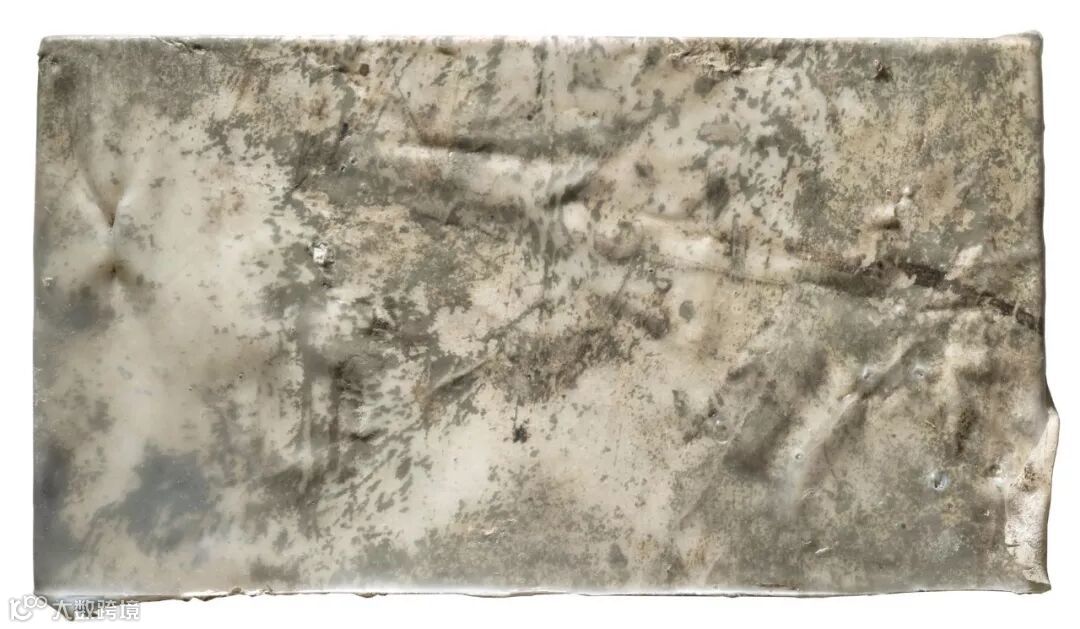
小切片No.6,2018 综合材料32x 54 cm
同样,这些奇怪的不平展的构图是抽象画,但不也是对地球的地理测绘吗?不是地球的一个俯视性截面吗?同样,这个截面这个切片有厚度,它们包裹着某些杂质,它们有浅表的深度,这难道不像是地球表面上的薄薄一层吗?而人类对地球的征用和折磨不正是在这虽然浅表但依然有厚度的层面进行的吗?在尚扬的《白内障切片》这里,我们看到了抽象风景和地理测绘的融合,优美和灾异的融合,深度和平面的融合,以及最根本的,有限性和无限性的融合——这些作品,这些切片,它们是如此地有限,但是,它们难道不也是无限地球的预示吗?不是对无限地球的灾异性预示吗?
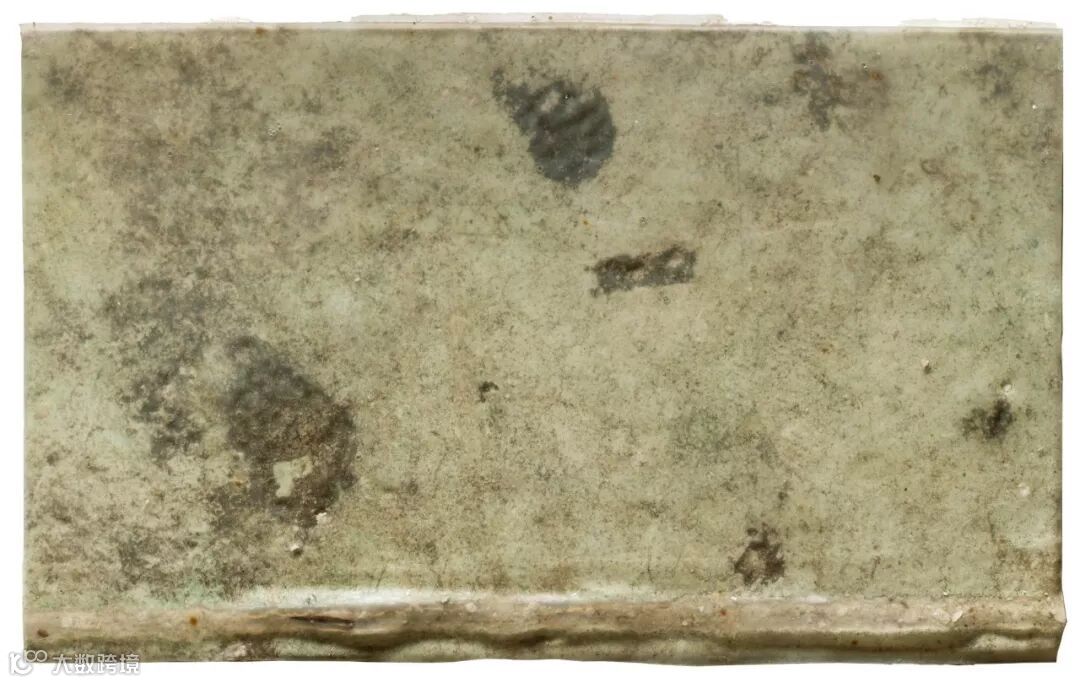
小切片No.7,2018 综合材料22x 35 cm
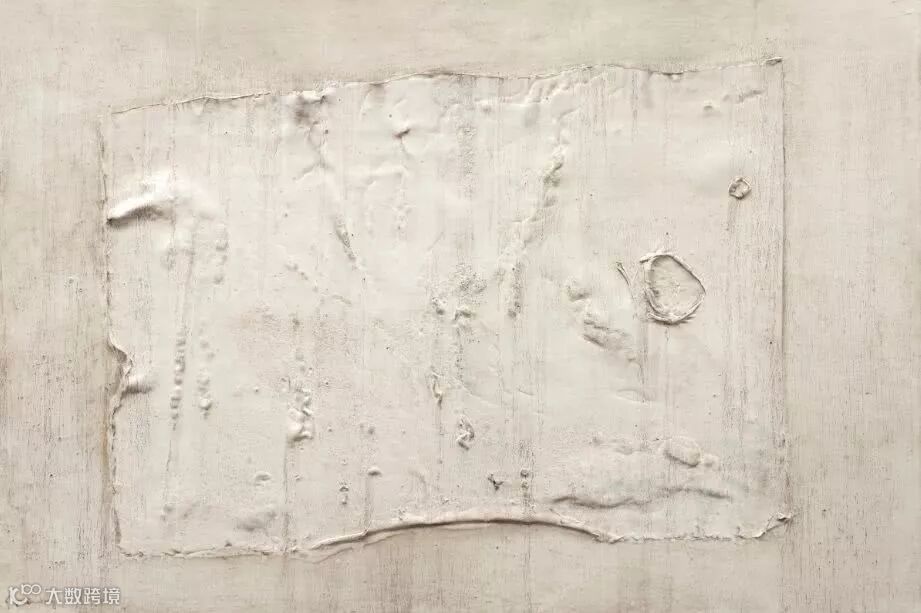
坏书-历史 布面综合材料 100cm×150cm 2018
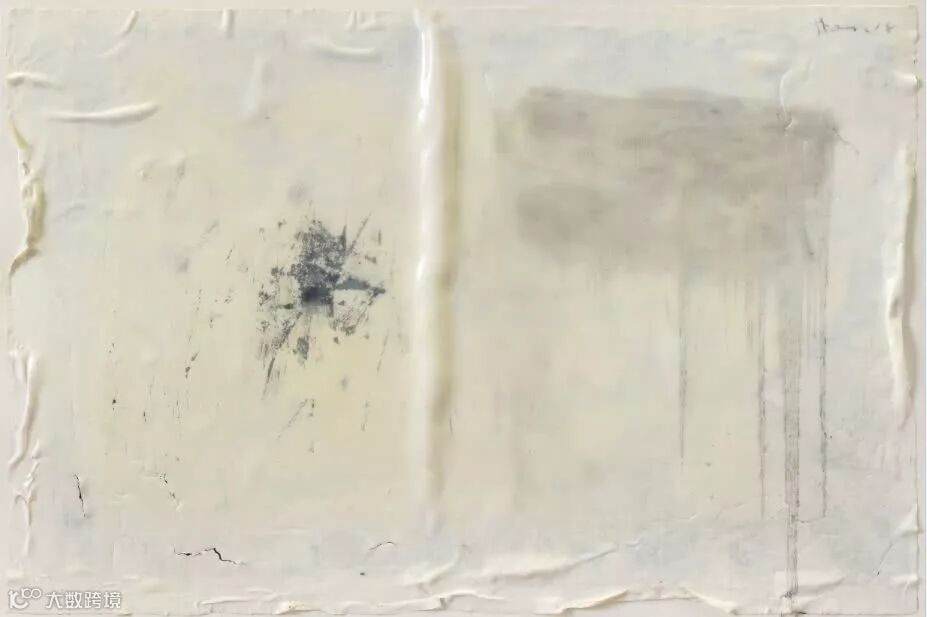
坏书-逻辑 布面综合材料 100cm×150cm 2018
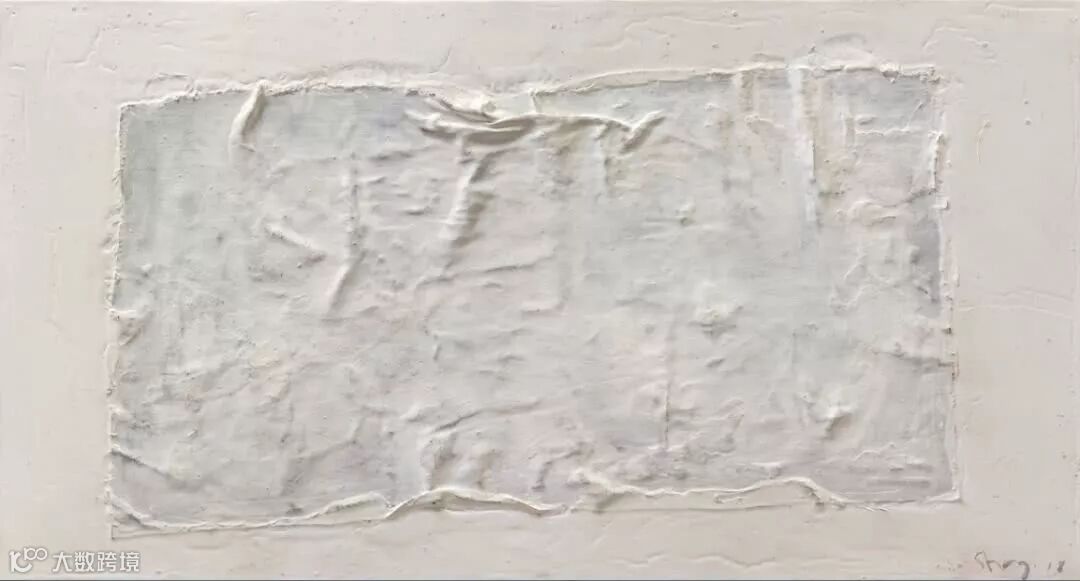
坏书-哲学 布面综合材料 89cm×166cm 2018
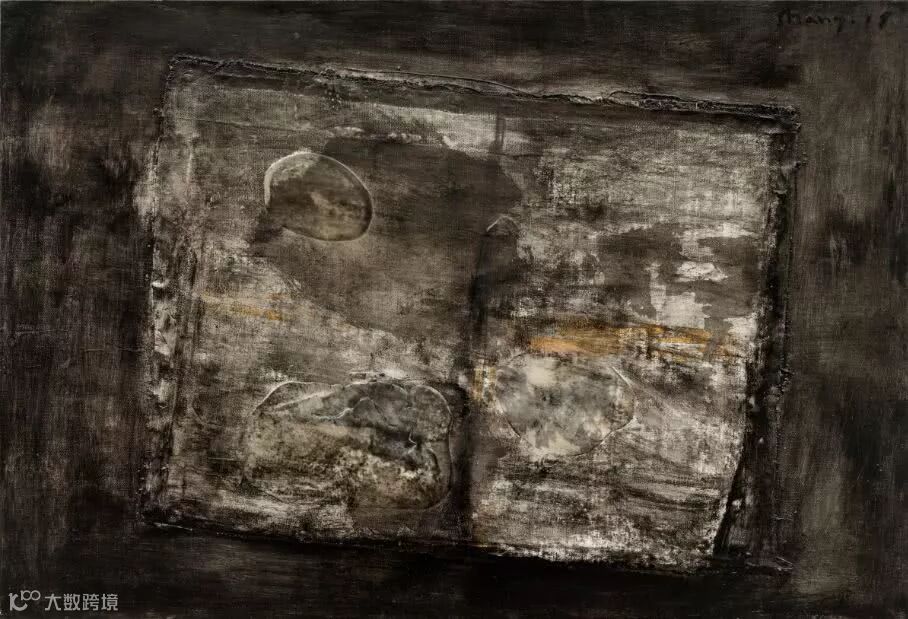
坏书-政治 布面综合材料 88cm×128cm 2018
而所有这一切——坏山水,坏地球——的根源是什么?尚扬同样画出了它的背景:坏山水源自坏的人文知识、坏的观念、坏书——他画出了《坏书》系列:《坏逻辑》,《坏文学》,《坏历史》,《坏政治》。这些坏书别别扭扭、毫无主见、随波逐流、东倒西歪地躺在画布上——它们如此地随意,如此地颠倒黑白(尚扬将历史书画成虚空,将文学书画成杂烩,将逻辑书画得矛盾丛生,将政治书画成漆黑)。我们不清楚,到底是因为它们对真理的远离导致了山水之坏,还是山水之坏也传染到它们身上导致了真理的败坏?坏山水难道不是知识之坏的结果吗?但无论如何,一个坏的局面涌现于此——哪怕它有时以优雅的面孔出现。
新展预告
Shang Yang: New Works
尚扬 | 新作
2018. 9.13 - 11. 3
前波画廊(纽约)
522 West 19th Street New York, NY 10011 & Salt Point, NY
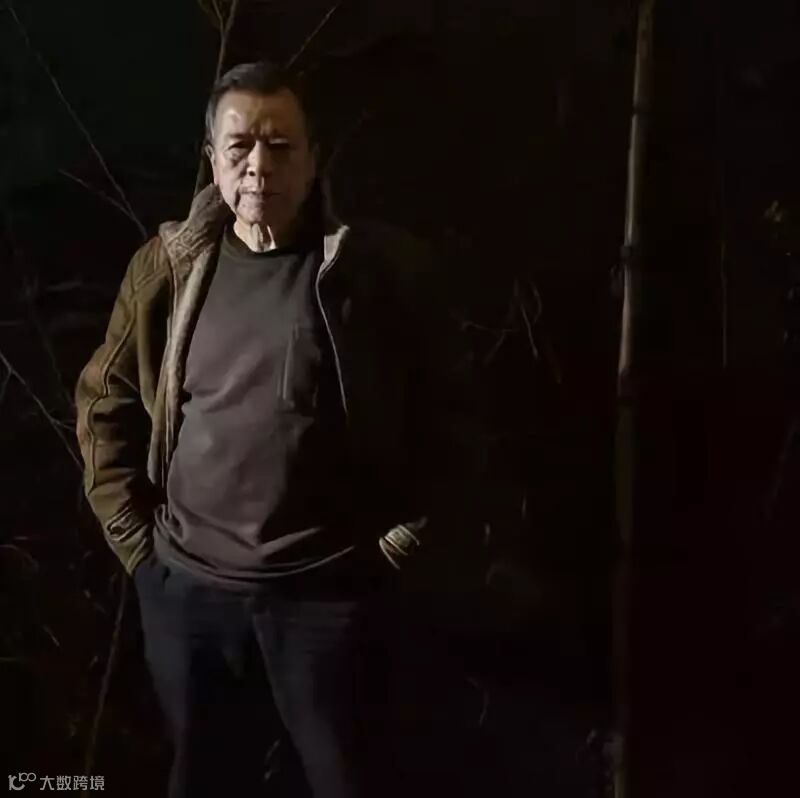
尚扬,四川人,生于湖北(1942-)。1965年毕业于湖北艺术学院,1981年油画硕士研究生毕业。曾任湖北美术学院教授、副院长,中国美术家协会理事、华南师范大学美术研究所所长。现为首都师范大学美术学院教授、中国油画学会副主席。
On Shang Yang's Works:
Visual Rhetoric and Others
(Feng Boyi)
I have read an impressive article entitled "Changing Trends in Learning Styles of Late Qing Dynasty (See Reading 1985, No.1) by Chinese scholar Liang Zhi. The so-called "trends" refer to the fact that revolutionists and scholars endeavored to introduce Western scientific thoughts systematically and participate social activities positively regardless of cost in modern Chinese history. But with time passing by, especially when they came to old age, these pioneers felt extremely disappointed toward Western science and political systems, and thus returned to research traditional Chinese culture. At that time, many people might have experienced this shift, such as Wang Guowei, Yan Fu, and Chen Duxiu. Recently, I read in a magazine that since "film director Chen Kaige is getting old", "the era he represented has ended". Although their rebellious part remained, they have turned into tender roles. They have already retired from the spotlight of the era into tranquility, even though they might still belong to an alien group. Therefore, I took the chance to observe the difference between those avant-garde artists' current works and their previous ones in "Stars Art Exhibition" and "85 New Tide Art Movement". The result is that they failed to escape from the historical destination of changing trends as well. Of course, for them, those are merely changes in their creative career. But from historical perspective, it has special meanings. However, this phenomenon is not limited to individual cases in the art world. Once the style was formed, most artists only stressed on the enhancement of their own approaches in the inherent mode, and drifted away from the critical, exploratory trend. Perhaps this is a reflection of social changes brought by various contradictions in artist's career, or a result of individual's temperament, experience, time, age, etc. In short, this is a cultural phenomenon worth considering. However, in the art world, there are also a different type of people who went beyond that, such as Wu Guanzhong, whose keen observations and sharp insight toward art ecology had been throughout his lifelong pursue of art. In my opinion, Shang Yang is an almost-70-year-old artist who took reality as creation basis. He tried to show alienations within the society as well as individual's real experience with a critical, experimental and clear personal aesthetic. In the face of relations among history, reality and individuals, he stressed on the spiritual aspect of individual lives and emphasized on a variety of hidden complex state of existence, showing a slow return rather than simply seeking paradise which is an escape from the noisy reality or an inexpensive embodiment of contemporary ideas. It provides resources, judgments and various possibilities in peaceful spiritual world. In other words, compared with "into the world" which means overindulging in the reality and getting lost, "out of the world" is preferred individual experience which is more faithful to the self.
In the arena of Chinese contemporary art, Shang Yang's artistic trajectory seems difficult to acquire a clear, specific definition. If avant-garde art means adopting unusual artistic patterns, Shang Yang of course lives in them, because he has already begun to question the painting concept of Soviet Union which had dominating positions in Chinese art education and creation ever since his college days in the early 1960s. Since then, he started seeking his own artistic coordinate system from European and American art, as well as traditional Chinese art. In the early 1980s, he created the "Loess" series as he obtained master degree from graduate school, and then actively involved in the "85' New Tide Art Movement". At the late 1980s, he completed the "State" series according to the properties of ready-made materials. His "Great Landscape" and "Big Portrait" series created after the year 2000, as well as the ongoing "Dong Qichang Project" series etc. have well illustrated his constant experiment. However, this positioning is too broad and empty to some extent. As for the state, some people said "Shang Yang is too changeable. We do not even know which style or genre he belongs to. It is really hard to define." (See Artistic Style 2011 Volume 20, P.49 "Follow The Heart: An Interview with Shang Yang", Sichuan Publishing Group, Sichuan Fine Arts Publishing House). If Chinese avant-garde art refers to the so-called post-modernism since the 1990s, Shang Yang seems still stay somewhere in-between. That is because his works are a kind of return, back to the original artistic state, which is beyond thoughts, painting skills, as well as the relationship between art and existence. Compared with modernism, he seems rather humanistic. While unlike post-modernism, he refuses meaningless creation. Also, different from realism, he emphasizes on self-expression, and refuses to simply copy the outer forms. He once said "Following the heart is a rather pleasant experience. Trying to follow other's will is painful. However, in today's society, a lot of people are more adaptive to the latter... Only when following the heart, real art works can be produced." (See Artistic Style 2011, Volume 20, P.49 "Follow The Heart: An Interview with Shang Yang", Sichuan Publishing Group, Sichuan Fine Arts Publishing House). Hence, I think Shang Yang is one of the artists who despised popular art forms.
Rather than a simple review of Shang Yang's artistic creative process, it is better to consider it as my personal view. Now, I think, in fact, these do not matter at all, only a perspective thing. But the course of history and reality are not often simple and uniform. Based on my current consideration, I concern more about Chinese contemporary art tendencies derived from the artistic experience of Shang Yang.
Since the 1919 "May Fourth New Culture Movement", the main stream of Chinese modern art has been cultural radicalism. The cry "Art for Life" has always been accompanied by changes in the Chinese modern art history. The root lies in our out-dated historical situation in world culture. We have been trying hard to achieve national prosperity and individual liberation through generations of struggle and resistance to the irrational world order. Although we have acquired considerable achievement and positive answers, the anxiety toward the unfinished task remains our central theme. The intense consciousness of "weakness" and "resistance still coexist and determines our modern value and ethics. Although since the foundation of New China in 1949, this left-wing radical attitude has been officially alienated as an ideology with political power. Today this revolutionary position is still influenced or continued cross generations. Therefore, Chinese avant-garde art since the social transformation of reform and opening-up in 1979 is in fact advertised upon this to challenge tradition, subverse order, and criticize reality, even with extreme behaviors. And the reason why Chinese avant-garde art is in full swing and constantly being paid attention home and abroad has a close and direct relationship with such situation. Of course, it is also why opportunism, worship for immediate success and other social phenomena merged and constantly criticized by the public. Another undercurrent "Art for Art" obscured by left-wing still has the modern features of aesthetics beside enlightenment and salvation. But as pure art, aesthetic modernity has not been fully realized, but repressed in Chinese modern art system. The globalization and marketization in China since the 1990s and China's rapid economic growth has brought a series of historical backgrounds and social patterns that are completely different from the modernity since the "May Fourth Movement". It is difficult to illustrate the changes in China today using the old framework. The "Art for Life" dream could barely handle the reality under the current globalization and marketization in China. Art appears to have finally reached the unprecedented "purity", and turned into a quiet area for people to explore, which characterized the new century culture. The heavy mission "Art for Life" has been quietly released. Pure art seems has an objective basis to develop independent characters. Art has gradually returned to the genuine "self". Of course, this is not to say art should be isolated from the real world, but our artistic imagination and requirements should change with the times, which is precisely the new form of art that has gradually become an advanced cutting-edge humanistic expression.
The over 30 years' art journey of Shang Yang has the double clues of "Art for Life" and "Art for Art" interspersed or paralleled with each other. Although the "Status" series in the late 1980s and early 1990s were only about still, quiet scenes or abstract objects, without noises from the real life, the logic was directly obtained from the real world, reflecting people's anxiety, loss, and hollowness of that period, as well as a metaphor for absurdity in life. By the "Great Landscape" series in the 1990s, Shang Yang's creative perspective had derivatized from the scenes and objects in the "State" series into the "Landscapes" of his inner heart. The portrayal of these landscapes all began with desolate scenarios, with a latent new era flavor and shadows behind the vitality. The further focus was the coldness, monotony, and lacking of personality caused by living environment, as well as visual barrenness brought by modernism, and thus brought a deeper questioning on the inorganic quality of modern life. These landscapes without cultural memories are not only symbolic presentations of modernism, but also true images of Chinese urbanization and future development. Compared with his early works, the creative idea is of the same strain, but with different scenarios. And the expression in oil painting is more pure and simple. However, the "Dong Qichang Project" series seems to be getting more and more isolated from the reality, with an air of indifference and nothingness. Shang Yang paid more attention to the cognitive experience and inner contemplation, as well as the deepening understanding and purification about the oil-painting language, full of Zen flavor. Beside, he tried to express oriental temperament in the context, and showed uncertainty after pursuing reasonability in nonspecific relationships, highlighting a kind of infinity. For him, this uncertainty is not a form, but a very specific experience and subtle feelings. Shang Yang is not an artist only indulged in physical forms. In some cases, the "open space" in his works do not have definite meanings. He just did it intentionally. They might be a real vacant place, or nothingness that is resistant to reality. Although he captured the appearance of the natural scenes which constituted the main background, these factors at the same time become symbolic metaphors in his works. In fact, Shang Yang's natural landscapes are full of social and historical connotations, and have always conveyed deeper cultural meanings. Due to this reason, he actually tried eliminating or abstracting those connotations. Thus those natural objects only constituted a self-contained context, with little historical and cultural meanings. For Shang Yang, social and historical connotations that fail to converse to natural objects are invalid. But his conversion has already changed the story. This is precisely the myth of Shang Yang's art works. Through this conversion, his expression obtained infinite possibilities. He placed history, present, and individuals together, or even dragged them into certain scenarios, forcing them to become something meaningful, as in his "Dong Qichang Project", "Dairy of Weathering", "Album" series etc. We can see his natural scenes have changed those social and historical connotations. He would rather smashed up all social and historical narratives, and rearranged them under certain natural scenes. Perhaps his idea is contradictory. Human life is only different on the surface. In the end, all substance tend to be the same. But Shang Yang's oneness is not rigid, but with ever-changing infinities.
Clearly, Shang Yang's visual rhetoric is far beyond the surface meanings. It has been extended to the new possibilities that Chinese paintings seek contemporary values under the present cultural context, the modern transformation of Chinese contemporary art, even innovation and boundary as well as a series of other questions. From this point, Shang Yang not only carried on "May Fourth New Culture Movement" tradition, but also extended the enlightenment and reflection of "85' New Tide Art Movement". At the same time, the artistic transformation and performance of this state is presented by monologue in front of natural scenes. His sensitivity toward contemporary cultural situation leads to sustainable method changes on previous art forms. These artistic methods or expressions are required to reflect conceptual ideas and experiments. It can be said that Shang Yang's works provided a visual reference for the transformation of Chinese contemporary art.
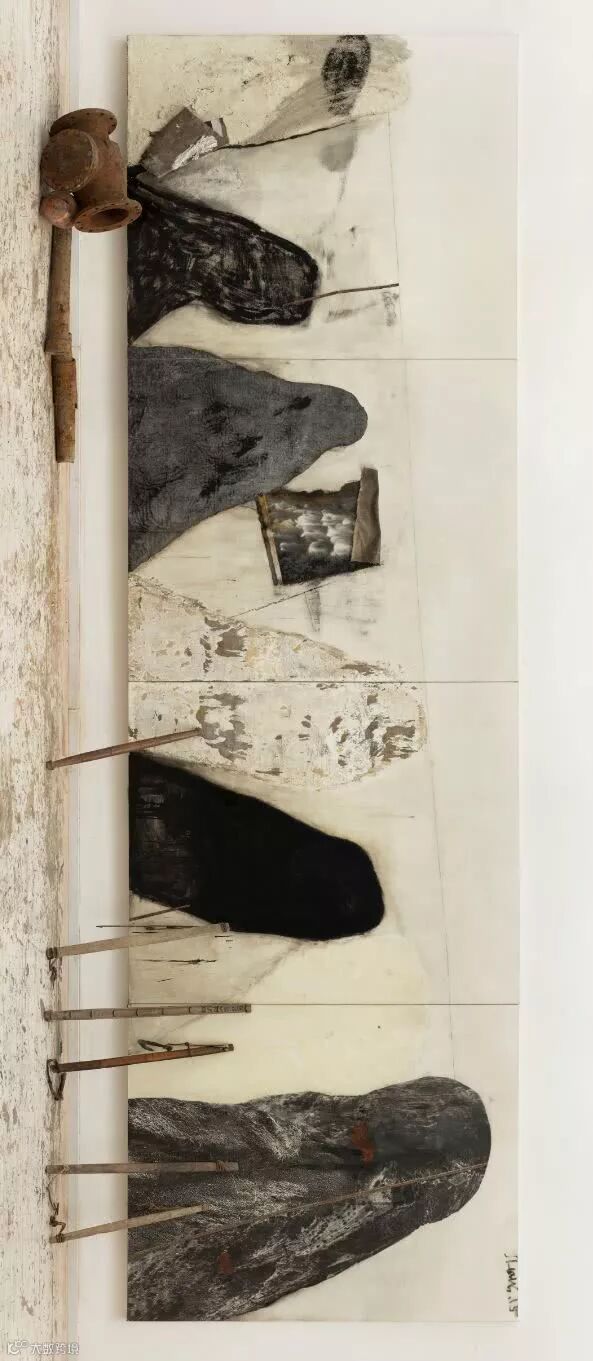
剩水图-1
布面综合材料、现成品及多媒体装置
253×852cm 可变尺寸2015
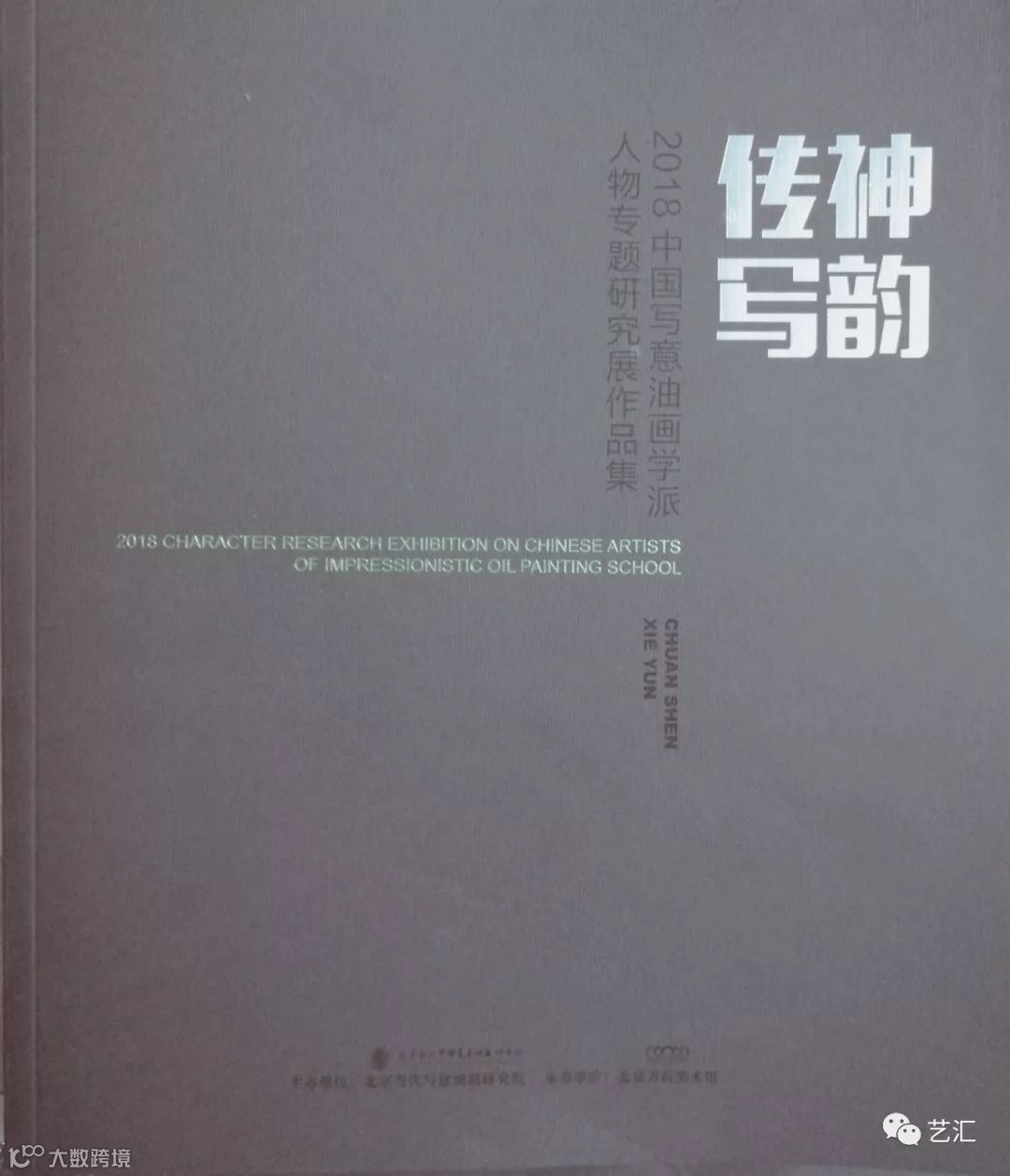
《传神写韵——2018 中国写意油画学派人物专题研究展作品集》
传神写韵展览画册开售啦,
12开272页精装
集众多艺术家作品高清印刷
微信抢购价仅售89元!!!
绝版书籍,数量有限
欲购从速!!!
订购微信:artyihui1
扫描二维码直接添加
平台开放投稿
为方便联络请提供有效电话、微信号。
邮箱:yihui201503@163.com
公众微信号:art-yihui
订阅号:艺汇

投稿邮箱:yihui201503@163.com