

2026年2月27日刊|第6篇,共6篇
You've made it through the firecrackers, the dumpling overload, and the red envelope etiquette. Just when you think Chinese New Year celebrations are winding down, here comes the grand finale—the Lantern Festival (元宵节, Yuánxiāojié).
Falling on the 15th day of the first lunar month (usually mid-February to early March), this festival marks the official end of Spring Festival celebrations. Think of it as the closing ceremony of the world's longest holiday. In 2008, it was even recognized as a National Intangible Cultural Heritage—so yes, it's kind of a big deal.
But here's what most foreigners (and honestly, many Chinese people) don't know: the Lantern Festival was ancient China's version of Valentine's Day.

What exactly is the lantern festival?
Dating back over 2,000 years to the Han Dynasty, the Lantern Festival has evolved through dynasties into the colorful celebration it is today. Traditionally, it's a time for family reunions—but also for letting loose a little.

In ancient times, most dynasties had strict night curfews. But during the Lantern Festival? All rules were suspended. People could stay out late, wander the streets, and enjoy the moonlight. For young women, who were usually confined to their homes, this was one of the rare nights they could go out dressed in their finest clothes and accessories.
Imagine the scene: streets packed with people, lanterns glowing everywhere, performers and musicians, fireworks lighting up the sky. And in that crowd, young men and women might catch a glimpse of someone special.
There's a famous poem from the Song Dynasty that captures this perfectly:
'But in the crowd once and again
I look for her in vain.
When all at once I turn my head,
I find her there where lantern light is dimly shed.'
Romantic, right? So if you're single and celebrating in China, keep your eyes open. You never know.
The legend behind the festival
Like most Chinese festivals, there's a dramatic origin story. According to legend, a celestial crane was accidentally killed by villagers. The Jade Emperor (basically the boss of heaven) was furious and ordered his troops to burn down the entire village on the 15th day of the first lunar month.
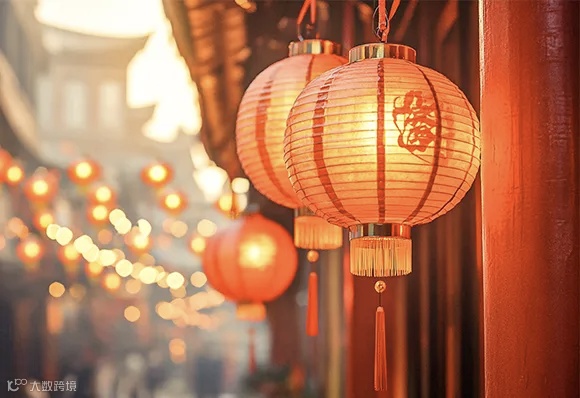
But one of his daughters felt bad for the humans. She secretly warned them. So every family lit fireworks, set off firecrackers, and hung red lanterns outside their homes for three days. When the heavenly troops looked down, they thought the village was already on fire—and left them alone.
The villagers survived. And the tradition of lighting lanterns and fireworks on this night was born.
What you'll actually do on lantern festival
1
Eat tangyuan
(or Yuanxiao)
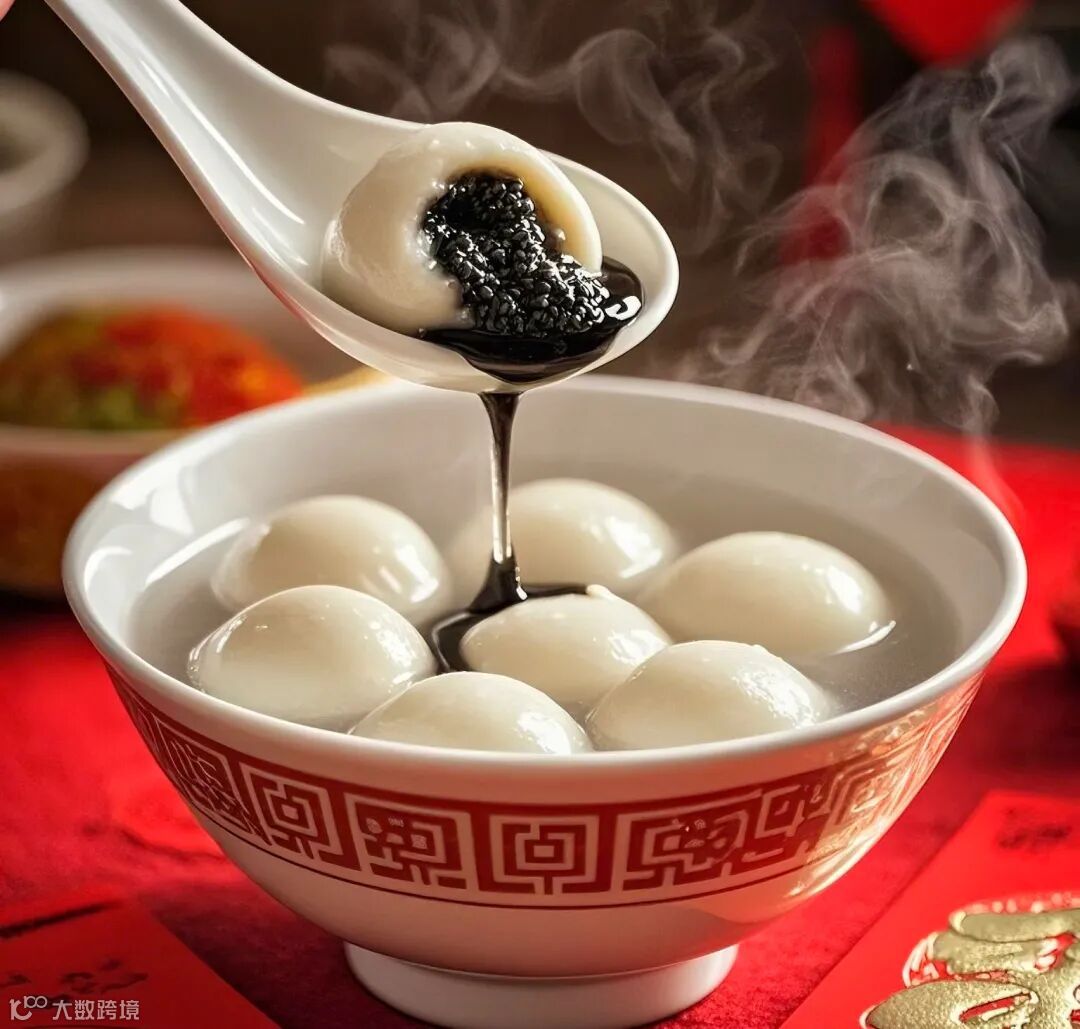
This is non-negotiable. These round, chewy dumplings are made of glutinous rice flour and filled with everything from black sesame and red bean paste to more creative modern fillings (chocolate, matcha, even peanut butter).
The round shape symbolizes reunion, completeness, and harmony. Eating them with family under the full moon? That's the whole point of the festival.

Quick tip:
In northern China, they're often called yuanxiao and are made by rolling the fillings in dry rice flour. In the south, they're called tangyuan and are more like filled dumplings boiled in sweet soup. Both are delicious. Try both.
2
Appreciate lanterns
(obviously)
Everywhere you look, there will be lanterns. Big ones, small ones, ones shaped like animals, ones with moving parts. Parks and temples transform into glowing wonderlands. In some cities, you'll see massive lantern displays that are honestly Instagram gold.
3
Guess lantern riddles
This tradition started in the Song Dynasty. Riddles are written on slips of paper and attached to lanterns. If you think you know the answer, you take it to the lantern owner. Get it right, and you might win a small prize.
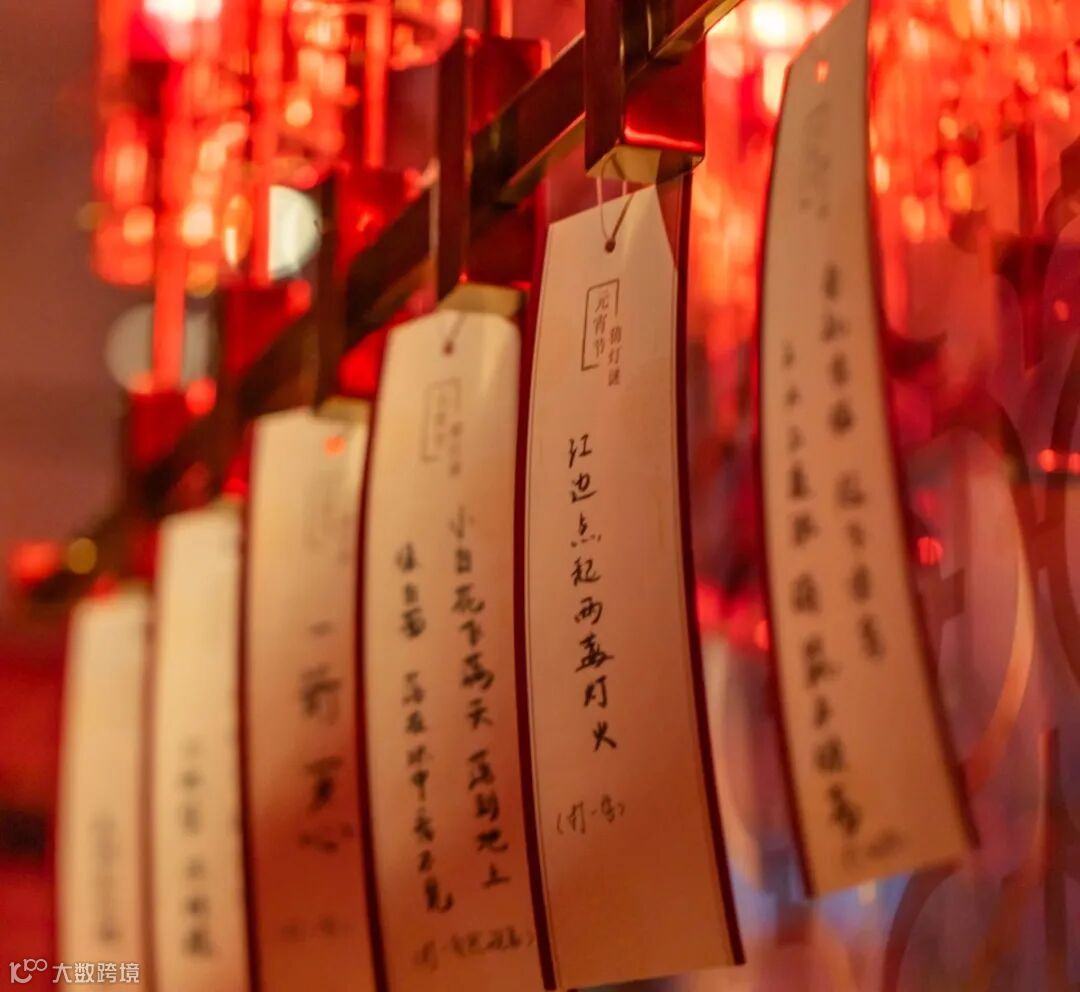
The riddles range from wordplay puzzles to ones requiring actual knowledge of classical literature. They're nicknamed "tiger lanterns" because solving them is supposedly as hard as slaying a tiger. No pressure.

Pro tip for foreigners:
Even if you can't read Chinese, join a group and watch. The collective 'aha!' moment when someone solves a tricky one is pure joy.
4
Watch folk performances
If you're lucky, you'll catch a land boat dance. Performers carry decorative boats around their waists, making it look like they're sailing on water. Red silk, colorful lanterns, sometimes four to seven dancers in a single long boat—it's a spectacle.
You might also see lion dances, stilt walkers, and drum performances. Basically, it's a street party with 2,000 years of history.
5
Set off fireworks
(or just enjoy the show)
Remember how the legend started with firecrackers saving the village? That tradition continues. Cities and towns light up the sky. If you're in a place that allows personal fireworks, you might be handed a sparkler or two. If not, find a good spot and watch the professionals do their thing.
A few practical tips for foreigners
Where to go: Major cities like Beijing, Shanghai, and Xi'an have huge lantern fairs. But smaller towns often have more authentic, community-based celebrations.
What to wear: Dress warmly—it's still winter in most of China. And comfortable shoes. You'll be walking.
What to say: Greet people with 'Yuánxiāojié kuàilè' (Lantern Festival happy). They'll be impressed you know the words.
Dietary note: Most tangyuan are made with glutinous rice and sweet fillings. If you have dietary restrictions, ask about fillings before diving in.
The deeper meaning
Beyond the lanterns and the food, the Lantern Festival is about closure and new beginnings. Families gather one last time before everyone heads back to work or school. Students leave for universities far from home. Workers return to their cities. It's a bittersweet moment—a final embrace before the year truly begins.
But it's also about hope. The full moon overhead, the warm glow of lanterns, the sweetness of tangyuan—they all point to one thing: better things ahead.
So whether you're strolling through a lantern fair with friends, solving riddles you barely understand, or just enjoying a bowl of something warm and sweet, know that you're part of a tradition that's been bringing people together for over two millennia.
A friendly reminder: The Lantern Festival this year falls on March 3, 2026. Wish you a happy Lantern Festival in advance!
*图片来源于网络