


非
遗
文
化
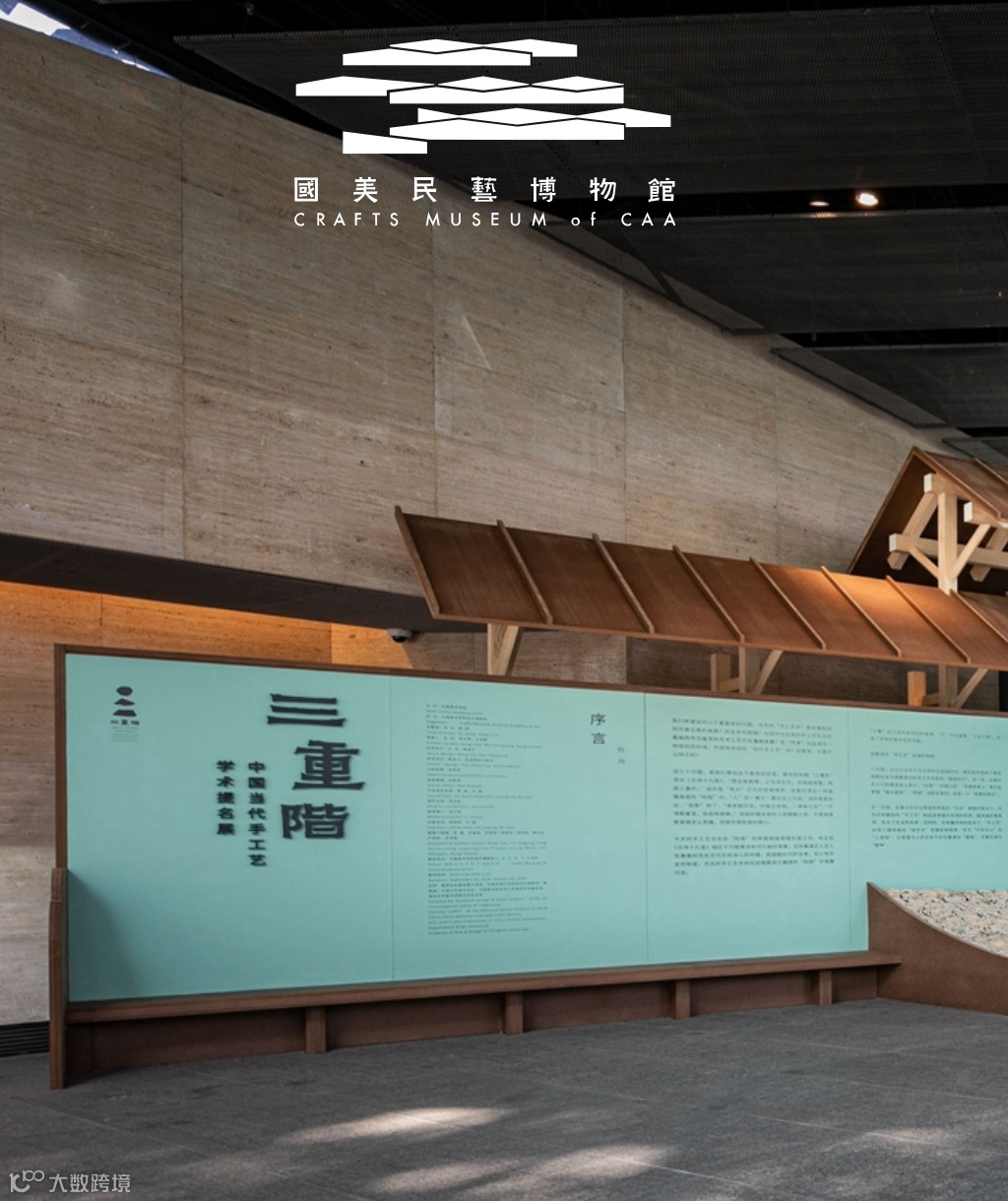
Coincidentally, the Guangdong provincial intangible cultural heritage project "Wooden dragon dance" from Houjie Town, Dongguan, has also officially settled in the Guangdong Museum of Art (BAIETAN).
Showecased
at the exhibition hall
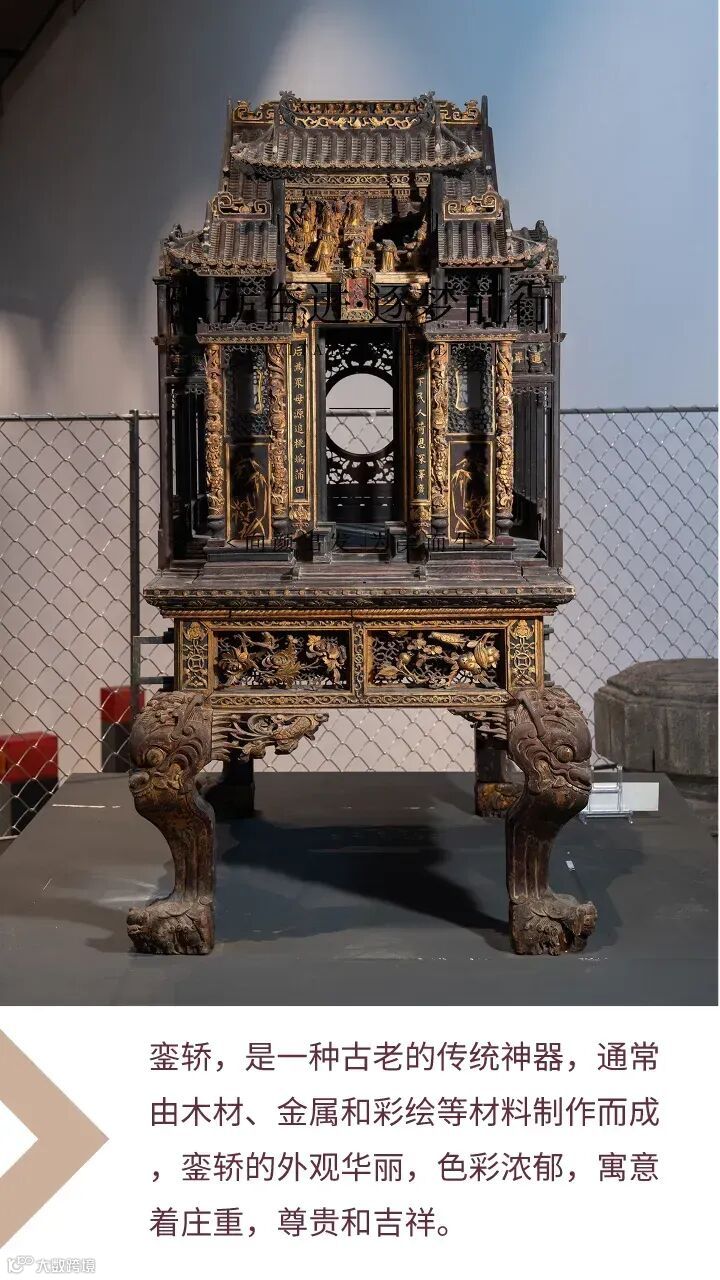
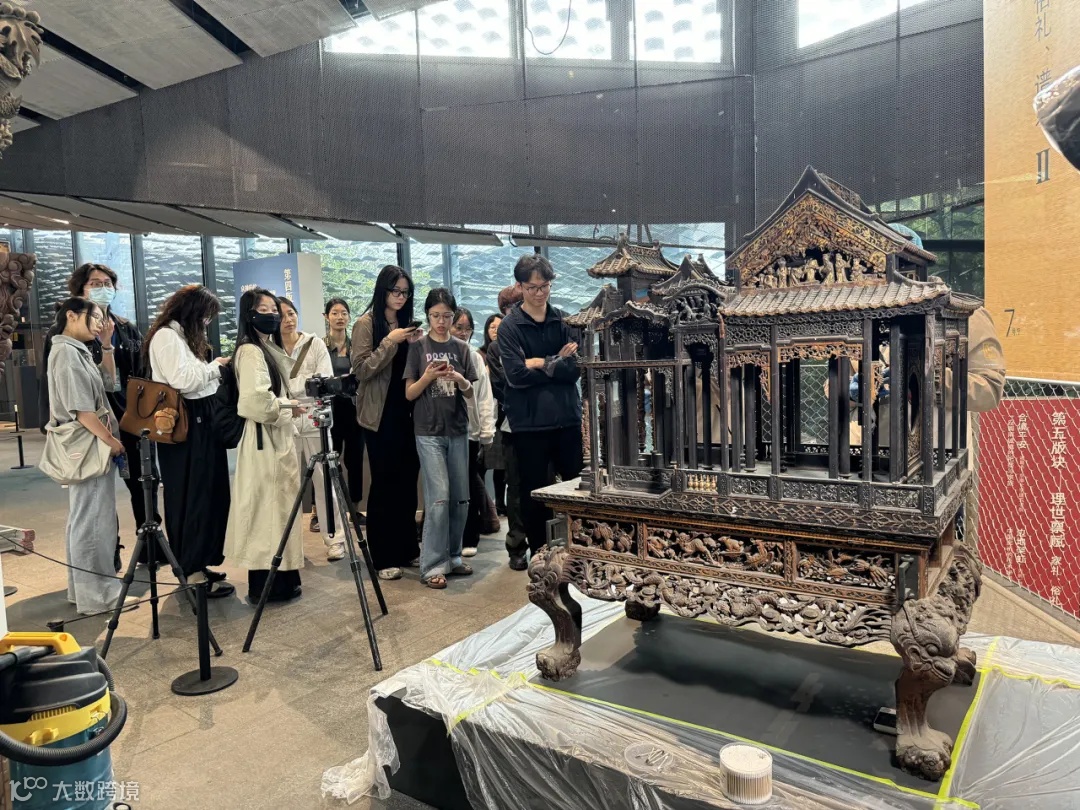
After professional cleaning by experts from the museum, the "Thean Hou Temple Sedan Chair" was exhibited on April 21st at the Crafts Art Museum of CAA, becoming a major highlight of the exhibition.
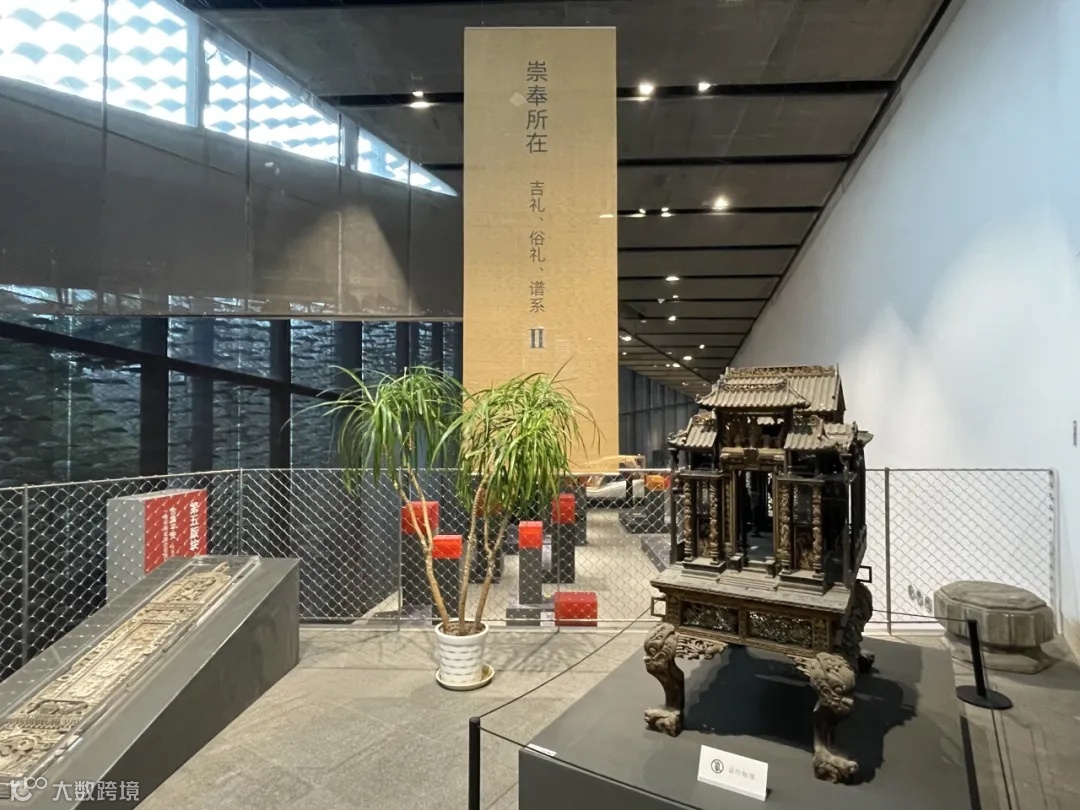
According to research, during the Ming Dynasty, Houjie Town was a coastal town where local residents worshipped Mazu (the Chinese Goddess of the Sea) and held a special folk event annually in the third lunar month. The "Thean Hou Temple Sedan" served as an important carrier for this event.
Wooden Dragon Dance
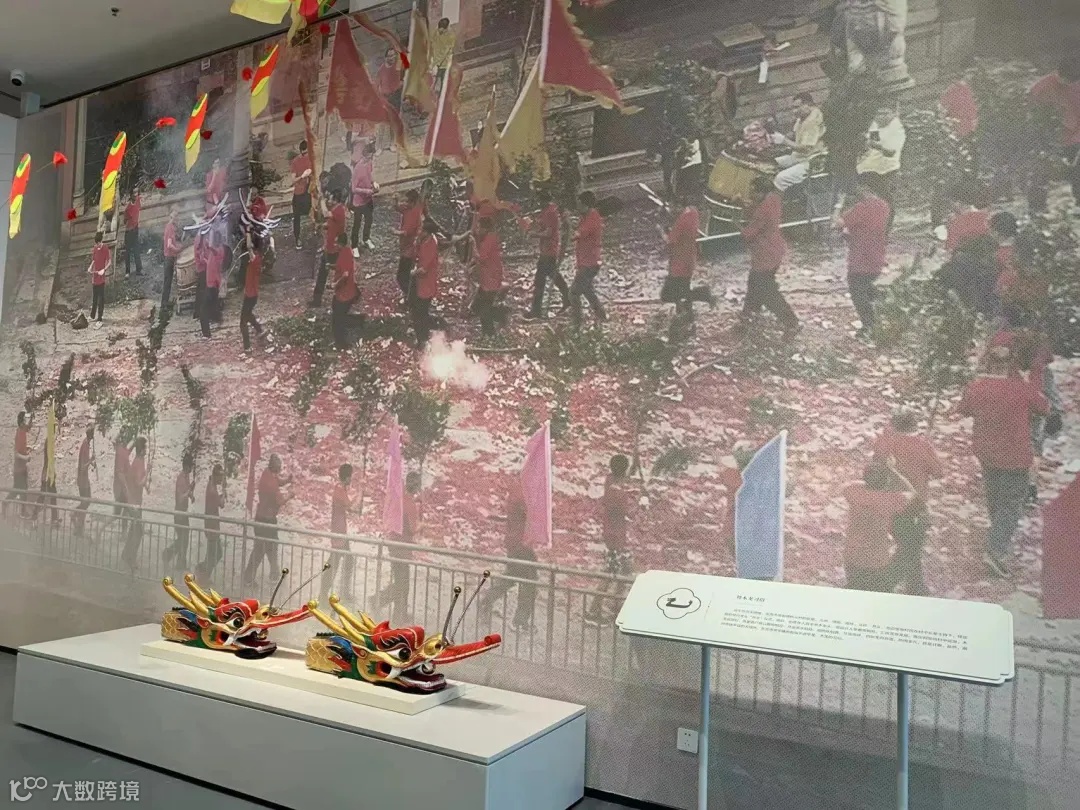
The exhibition aims to showcase the unique culture of Houjie Town, emphasizing the traditional spirit of unity embodied in the "Wooden Dragon," and highlighting the dissemination and influence of Lingnan culture.

The dragon head is carved from good wood, with an exquisite shape, generally measuring about 1.2 to 1.5 meters long, and weighing about 15 kilograms. The vivid wooden dragon head features a square forehead, fleshy horns, bulging eyes, an open mouth, and whiskers.
According to records, in order to preserve the Dragon Boat Festival dragon boat racing tradition in mountainous areas, people could only perform dragon dance on land. It is said that the custom of "Wooden Dragon dance" began during the period of the Southern Song Dynasty (1158 AD), and has a history of over 800 years to this day.