本期封面
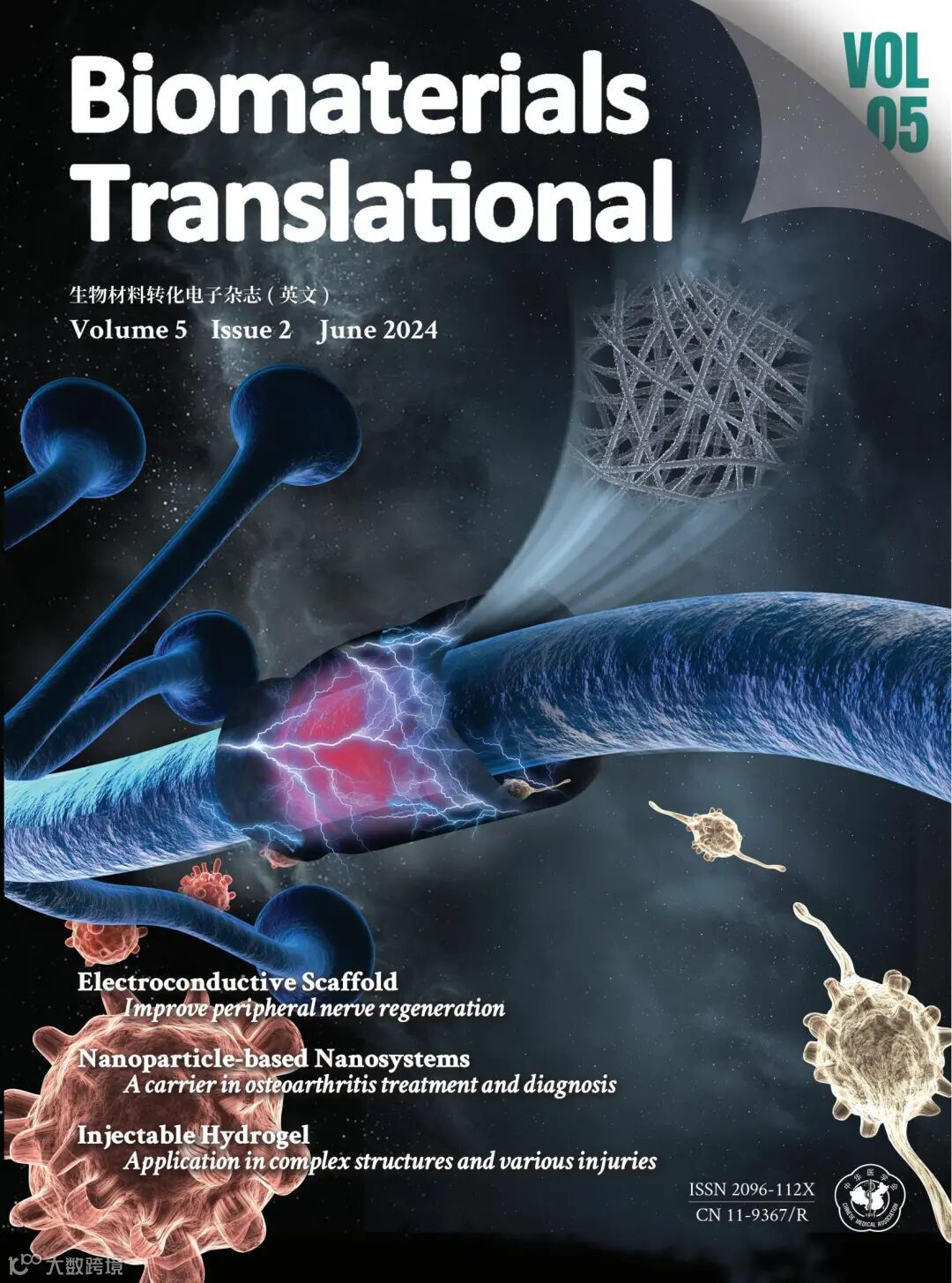
Electrical stimulation is a promising approach to promote peripheral nerve regeneration. However, whether a single proximal electrical stimulation can directly polarize macrophages towards a regenerative phenotype and thereby remodel the nerve environment remains unclear. This issue features a study utilizing an electrically conductive scaffold (PCL/SF fiber with PPy coating) to stimulate crushed sacral nerves in rats. The results demonstrate that a single round of electrical stimulation can effectively polarize macrophages towards a pro-regenerative state. The cover image visually depicts the scaffold morphology and the shift in macrophage polarization.

本期文章共 10 篇,围绕“组织再生与修复”,Editorial 1 篇,Research Article 3 篇,Review 4 篇,Commentary 2 篇。
EDITORIAL
Artificial intelligence-enabled studies on organoid and organoid extracellular vesicles
Han Liu, James T. Triffitt, Zhidao Xia*, Jiacan Su*
内容简介
The integration of artificial intelligence (AI) in organoid and organoid extracellular vesicles (OEVs) research is revolutionizing the field of medical science. Organoids are simplified, miniaturized versions of organs that replicate human tissue microenvironments, while OEVs are vesicles secreted from organoids containing crucial biomolecules. AI significantly enhances the efficiency and accuracy of studying these complex systems. It aids in tracking and analyzing cell behaviors, extracting valuable data, and identifying key signaling pathways and biomarkers. AI's application in OEVs accelerates biomarker discovery and precise treatment design in personalized medicine. However, challenges such as ensuring AI accuracy, interpretability, and data privacy remain. Advancing AI integration promises to unlock further secrets in life sciences, driving progress in diagnostics and treatment for a healthier future.
DOI: 10.12336/biomatertransl.2024.02.001
REVIEW
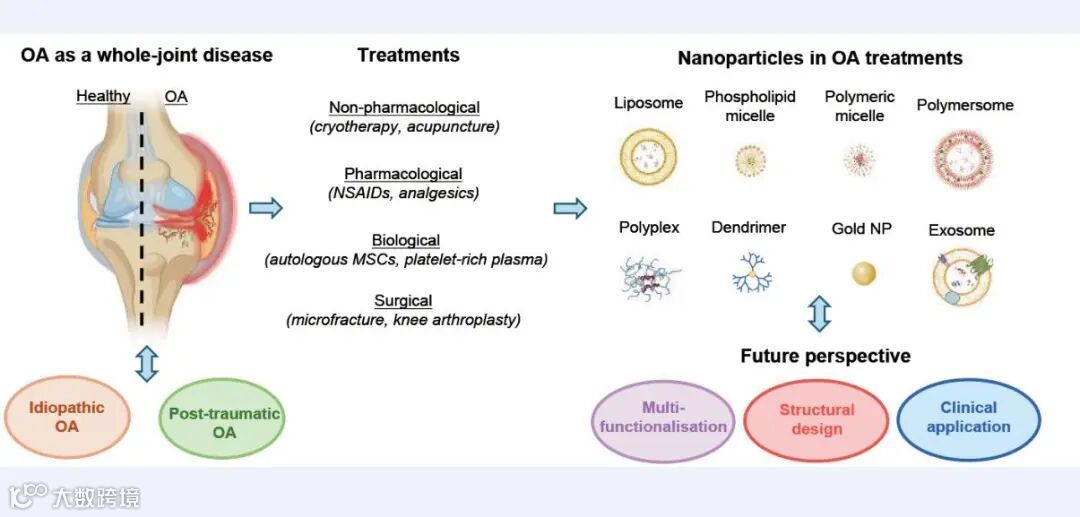
Advanced nanoparticles in osteoarthritis treatment
Qiushi Liang, Zhiliang Cheng*, Ling Qin*
内容简介
In this review, we begin by outlining the pathogenesis of osteoarthritis (OA) and the treatments currently available. We then highlight recent advances in the utilisation of nanoparticles as a drug delivery platform for OA therapy and diagnosis. The review concludes with our perspective on the challenges faced and future directions in this rapidly evolving field.

DOI: 10.12336/biomatertransl.2024.02.003
REVIEW
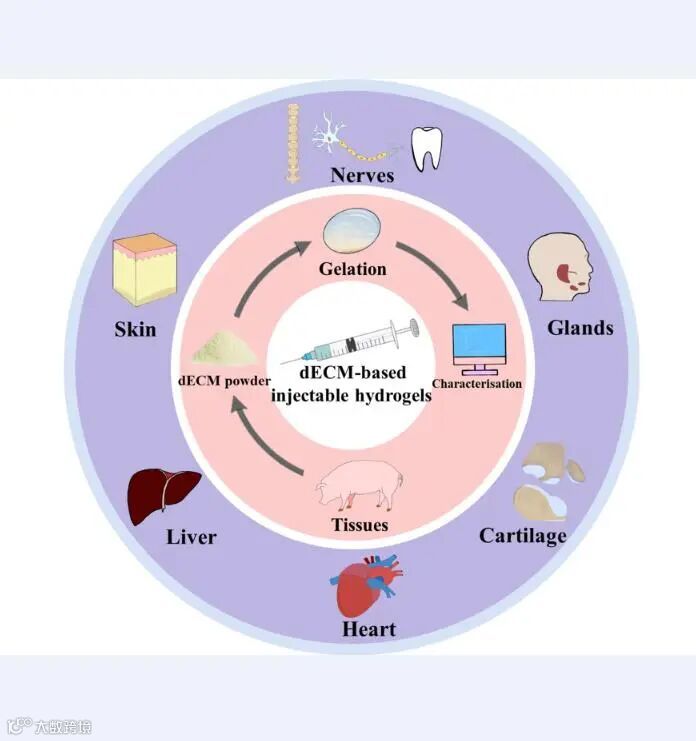
Decellularised extracellular matrix-based injectable hydrogels for tissue engineering applications
Wan-Ying Guo#, Wei-Huang Wang#, Pei-Yao Xu, Ranjith Kumar Kankala*, Ai-Zheng Chen*
内容简介
Schematic representation of decellularised extracellular matrix (dECM)-based injectable hydrogels for tissue engineering applications. dECM is an exquisite biomaterial that has attracted considerable attention from tissue engineering researchers. And dECM-based injectable hydrogels hold great promise for application in complex organ structures and various tissue injury models.
DOI: 10.12336/biomatertransl.2024.02.003
REVIEW
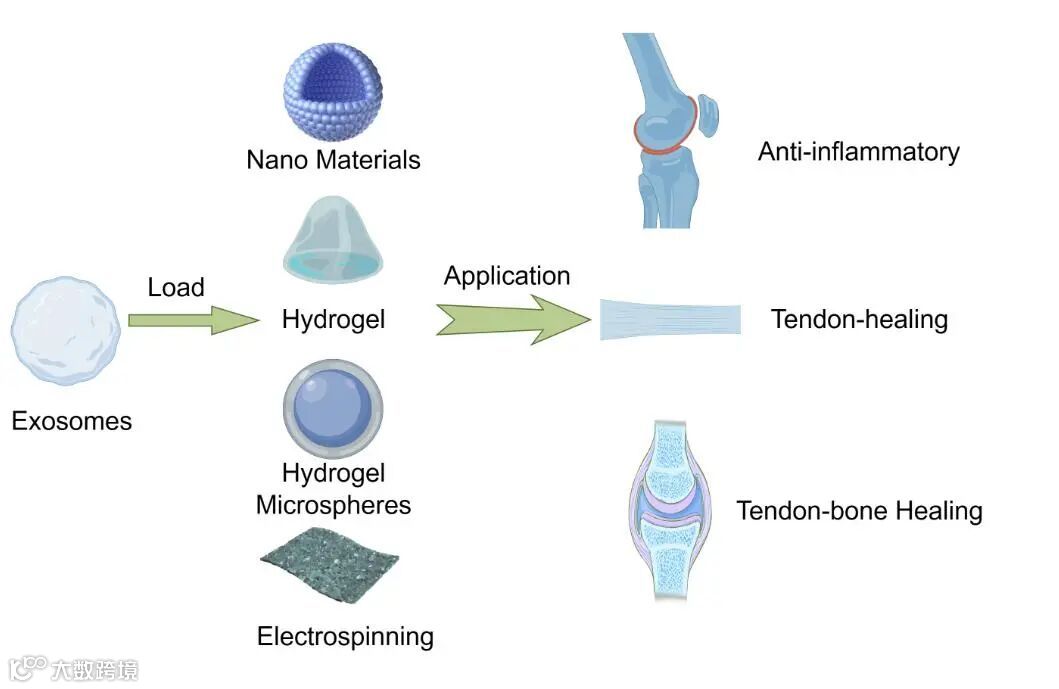
Exosome-loaded biomaterials for tendon/ligament repair
Haohan Wang#, Yonglin Guo#, Yiwen Jiang3#, Yingyu Ge, Hanyi Wang, Dingyi Shi, Guoyang Zhang, Jinzhong Zhao, Yuhao Kang*, Liren Wang*
内容简介
Conceptual diagram of exosome-based biomaterials in tendon/ligament repair. Exosome-based biomaterials mainly contain hydrogel microspheres, nanomaterials, hydrogels, and electrospinning, and they exert anti-inflammatory effects, promote tendon healing and tendon-bone healing. Created with Figdraw.
DOI: 10.12336/biomatertransl.2024.02.004
REVIEW
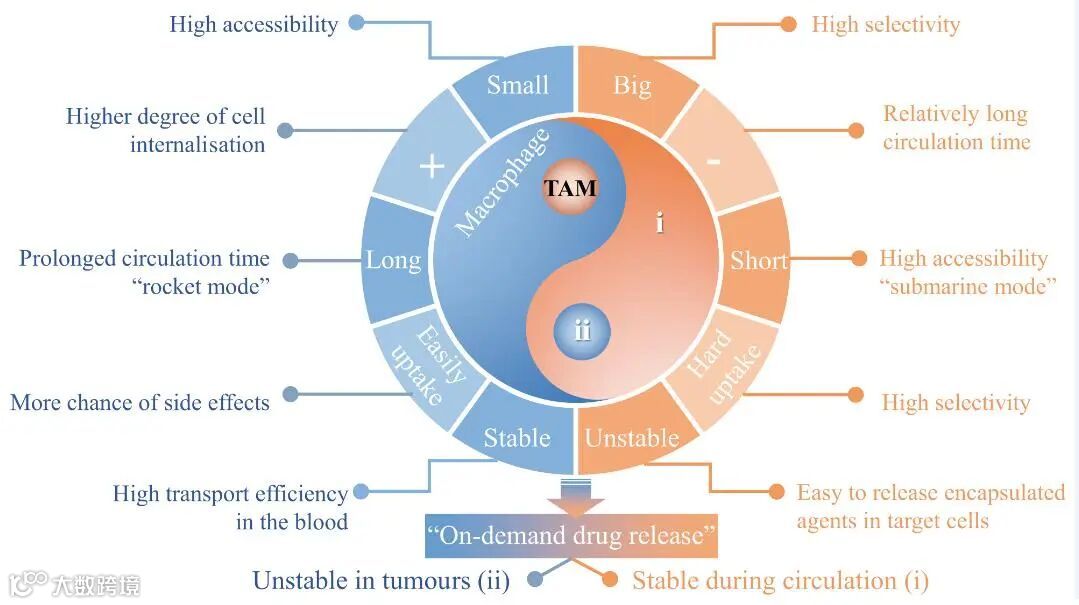
“Yin-Yang philosophy” for the design of anticancer drug delivery nanoparticles
Yanwen Ai#, Yuan Tian#, Jiaming Qiao, Changnan Wang, Huafei Li,*
内容简介
Both “Yin” and “Yang” of each physicochemical properties have pros and cons for drug delivery, the balance of which should be considered before the final design. An ideal drug delivery system should be stable during circulation (i), while unstable when reach target tumour issues and cells (ii). Macrophages act as a major limitation for nanotherapeutic delivery, while tumour-associated macrophages (TAM) might be utilized for drug delivery, as “Yin is within, but not against Yang”.
DOI: 10.12336/biomatertransl.2024.02.005
RESEARCH ARTICLE
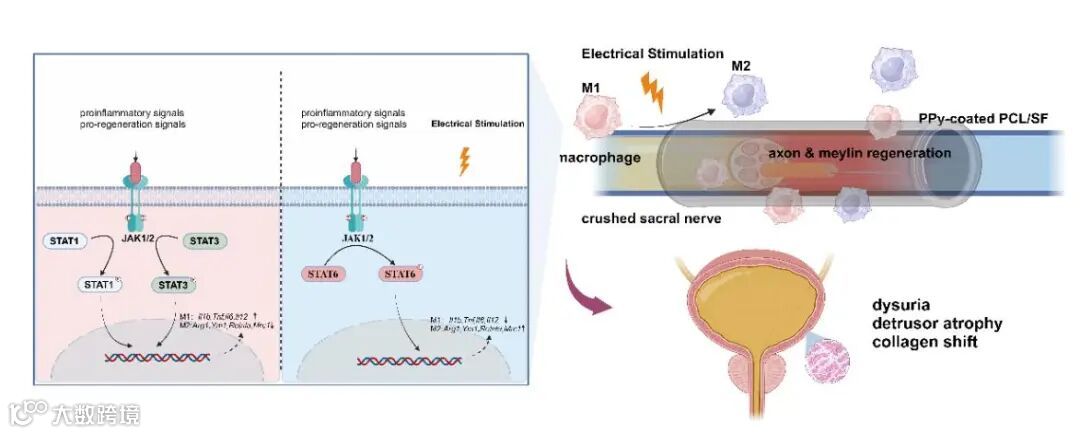
Electrical stimulation with polypyrrole-coated polycaprolactone/silk fibroin scaffold promotes sacral nerve regeneration by modulating macrophage polarisation
Haofeng Cheng#, Jun Bai#, Xingyu Zhou#, Nantian Chen, Qingyu Jiang, Zhiqi Ren, Xiangling Li, Tianqi Su, Lijing Liang, Wenli Jiang, Yu Wang*, Jiang Peng*, Aijia Shang*
内容简介
Our work described construction and authentication of polyprrole (PPy)-coated polycaprolactone (PCL)/silk fibroin (SF) scaffold for electrical stimulation over crushed sacral nerves. The electrical stimulation boosted nerve regeneration by polarising the macrophages towards the M2 phenotype. Bioinformatics analysis showed that signal transducer and activator of transcription (STAT) expressions were differentially regulated in a way that promoted M2-related genes expression.
DOI: 10.12336/biomatertransl.2024.02.006
RESEARCH ARTICLE
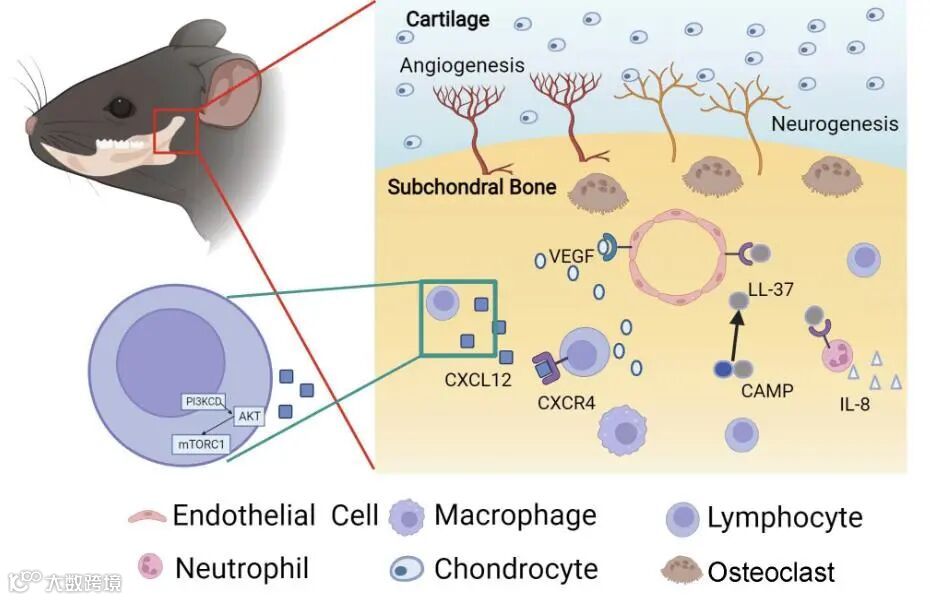
Microarray analysis of signalling interactions between inflammation and angiogenesis in subchondral bone in temporomandibular joint osteoarthritis
Wenpin Qin#, Jialu Gao#, Jianfei Yan#, Xiaoxiao Han, Weicheng Lu, Zhangyu Ma, Lina Niu, Kai Jiao*
内容简介
The osteoarthritic pain in the temporomandibular joint is due to the interaction among angiogenesis, neurogenesis and inflammation at subchondral bone. Several signal transductions, including mammalian target of rapamycin/nuclear factor-κB/tumour necrosis factor signalling and phosphoinositide 3-kinaseprotein kinase B/vascular endothelial growth factor/hypoxia-inducible factor 1 signalling, may be the efficient targets for curing temporomandibular joint osteoarthritis. And phosphatidylinositol-4,5-bisphosphate 3-kinase catalytic subunit delta (Pi3kcd), cathelicidin antimicrobial peptide (Camp), C-X-C motif chemokine receptor 4 (Cxcr4), and MYB proto-oncogene transcription factor (Myb) appear to play important roles in the signal interactions.
DOI: 10.12336/biomatertransl.2024.02.007
RESEARCH ARTICLE
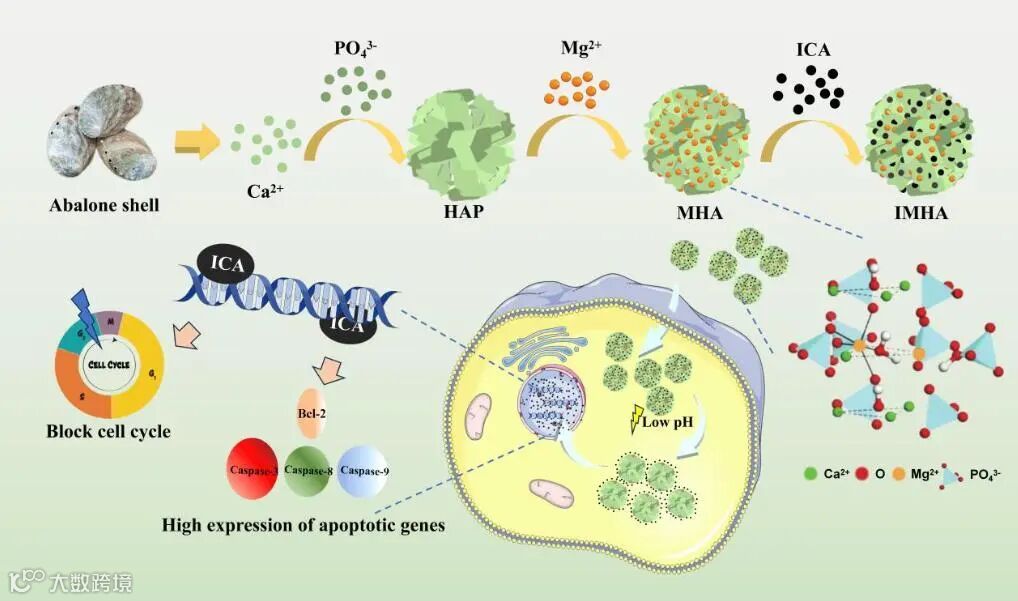
Abalone shell-derived Mg-doped mesoporous hydroxyapatite microsphere drug delivery system loaded with icariin for inducing apoptosis of osteosarcoma cells
Kaihua Liu#, Meiqi Cheng#, Hao Huang, Hui Yu, Shiyao Zhao, Jinnuo Zhou, Dan Tie, Jianhua Wang, Panpan Pan*, Jingdi Chen*
内容简介
Mg2+-doped abalone shell-derived mesoporous hydroxyapatite microspheres (MHA) for dual stable release of Mg2+ and icariin (IMHA) and application in drug delivery and tumour therapy by stimulating rapid proliferation of bone marrow mesenchymal stem cells and inducing high expression of apoptotic genes in osteosarcoma cells (MG63).
DOI: 10.12336/biomatertransl.2024.02.008
COMMENTARY
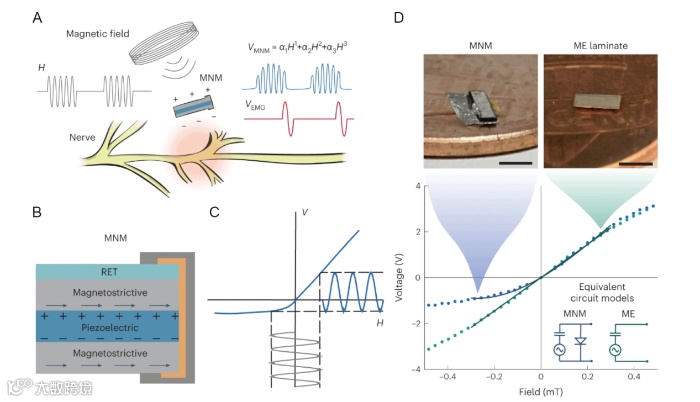
Self-rectifying magnetoelectric device for remote neural regeneration and function restoration
Yuanhao Tong, Yuanming Ouyang, Cunyi Fan, Yun Qian*
内容简介
A recent study from Rice University introduced a self-rectifying magnetoelectric nonlinear metamaterial (MNM) for remote neural regeneration and function restoration. This innovative device uses a nonlinear magnetoelectric coupling coefficient to generate steady bias voltage and arbitrary pulse sequences when exposed to an alternating magnetic field. The MNM effectively bridged sciatic nerve gaps in rats, enabling rapid sensorimotor responses and demonstrating potential for non-invasive nerve stimulation. MNM's biocompatibility was confirmed through cell viability tests and subcutaneous implantation in rats. Despite its promising results, future improvements in MNM performance and encapsulation for long-term stability are necessary. This commentary highlights the potential clinical applications and future research directions for MNM in neural regeneration therapies.
DOI: 10.12336/biomatertransl.2024.02.009
REVIEW
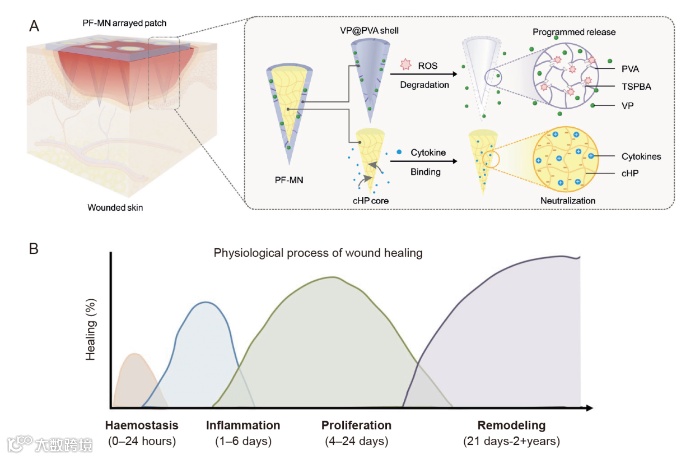
Dynamic regulation of the wound repair process: achieving one-stop scar-free repair
Min Wang, Xianwen Wang,*
内容简介
Chronic wound treatment faces challenges such as drug delivery efficiency and dynamic drug administration. Wound healing involves four stages: haemostasis, inflammation, proliferation, and remodelling, with bacterial infection and immune regulation playing critical roles. A recent study introduced a core-shell microneedle (MN) that dynamically regulates the wound immune microenvironment, accelerating healing and promoting scar-free repair. This MN, with a ROS-responsive shell and immunoregulatory core, was effective in mouse and rabbit models. However, its impact on key immune cells and its clinical applicability require further investigation. This approach offers a promising strategy for treating chronic refractory wounds.
DOI: 10.12336/biomatertransl.2024.02.010
本期封底
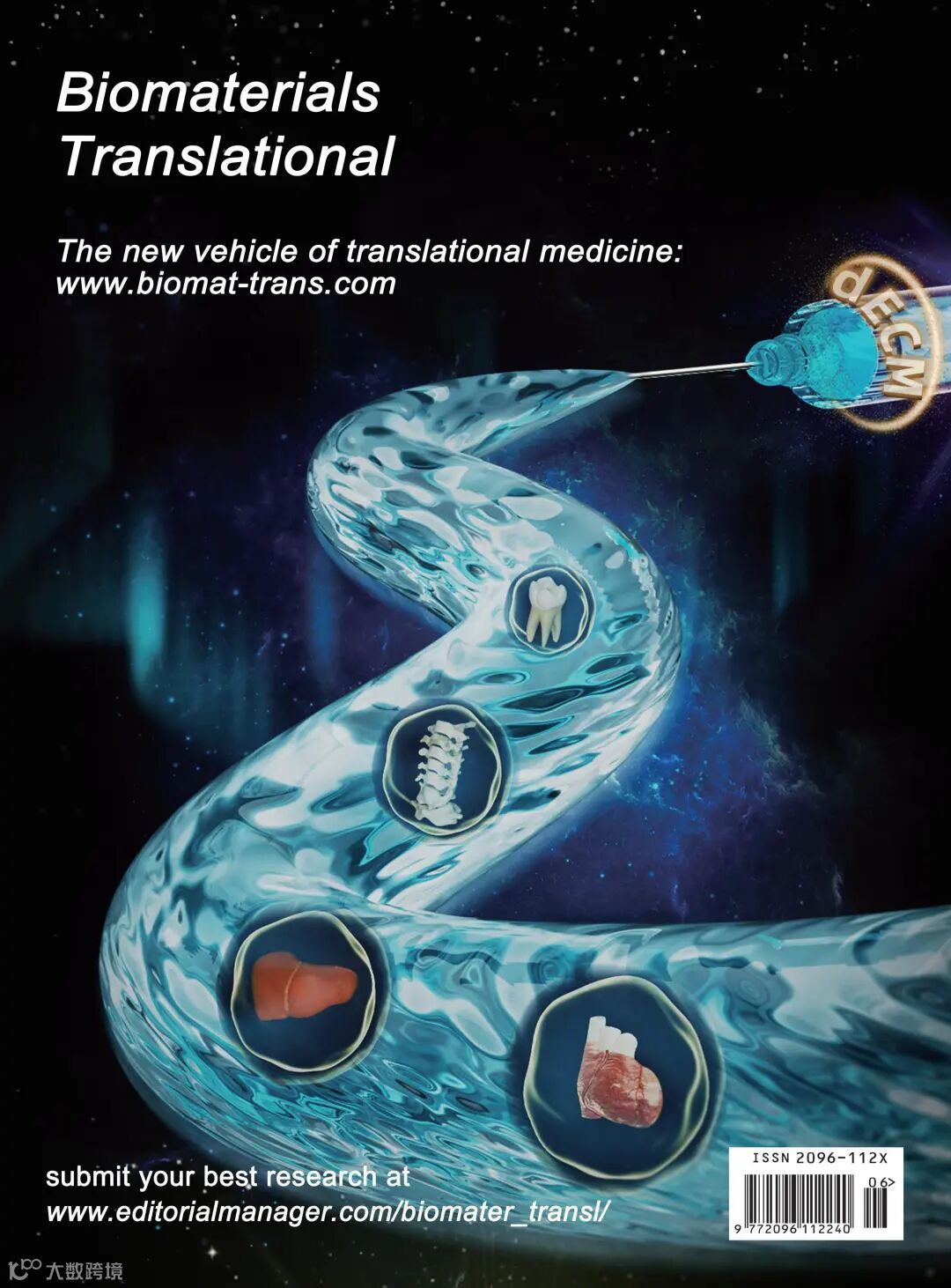

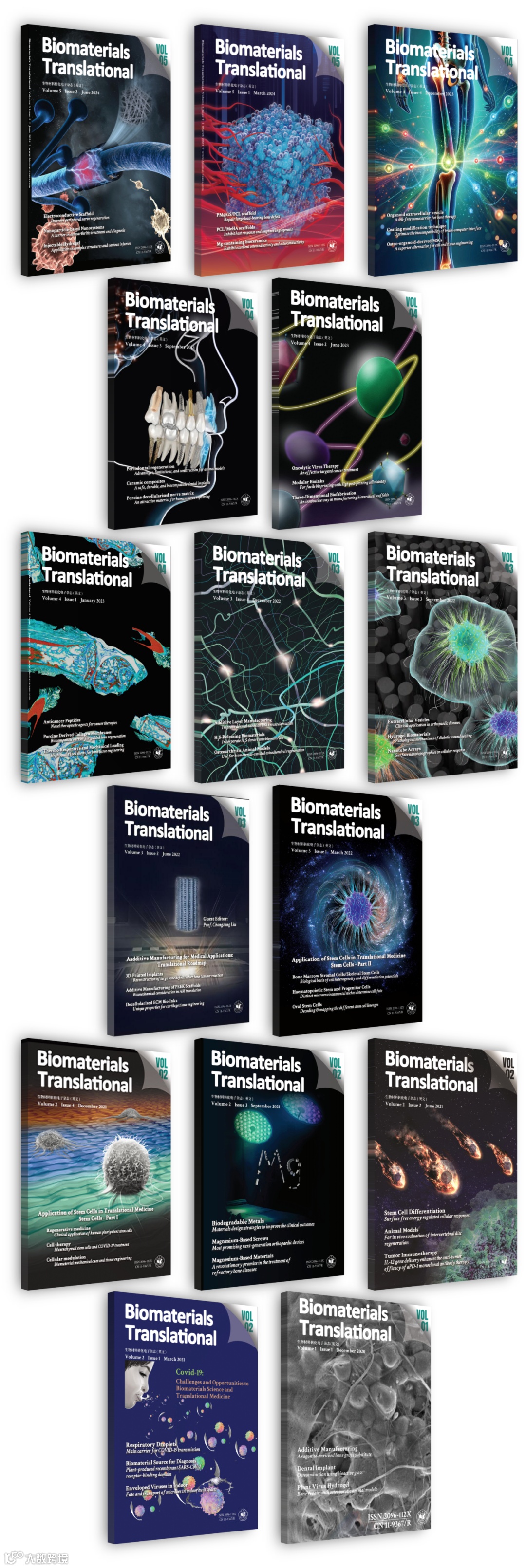
Biomaterials Translational (BMT)由中华人民共和国国家卫生健康委员会主管,中华医学会主办,中华医学电子音像出版社出版,上海大学承办。BMT致力于搭建生物材料-转化医学之间桥梁的国际期刊。该期刊发表原创、高质量的同行评审论文,包括研究性、综述性、观点性和评论性论文。期刊涵盖的研究领域包括但不限于:生物材料科学最新进展、生物材料结构构建及生物学特征、生物材料转化医学方面研究等。期刊目前已被Pubmed、Scopus等收录,SCI收录正在审核中。欢迎各位专家赐稿!
创始兼名誉主编
曹旭 教授
王倩 教授
名誉主编
张英泽 院士
付小兵 院士
王迎军 院士
James T Triffitt 教授
主编
刘昌胜 院士
邵增务 教授
执行主编
苏佳灿 教授
副主编
夏志道 教授
李斌 教授
徐臣杰 教授
期刊网址:
http://www.biomat-trans.com
投稿链接:
https://www.editorialmanager.com/biomater_transl/
邮箱:
bmt_editors@oa.shu.edu.cn
欢迎关注