探索未知、拓展边界
Biomaterials Translational杂志带您一同踏上生物材料与转化医学的前沿之旅!
本期十篇文章涵盖了干细胞与再生医学领域的最新研究进展,分别从不同角度深入探讨了干细胞与再生医学在细胞微环境和组织工程中的前沿应用,展现了研究者在这一领域的探索和拓展!

干细胞命运与微环境
Stem cell fate and microenvironment
James T. Triffitt*, Qian Wang*
内容简介:
The editorial use the analogy of the Three Musketeers to emphasize the importance of stem cell quality, bioactive factors, and the microenvironment for successful stem cell therapies. The review papers in this issue cover topics such as stem cell heterogeneity, differentiation, mapping, and the impact of synthetic materials on stem cell behavior. The editorial also highlight the challenges in developing artificial tissues using synthetic materials and stress the importance of creating precise and specific environmental niches for stem cell survival and function in the future.

DOI: 10.12336/biomatertransl.2022.01.001
骨髓干细胞的新视角
New perspective of skeletal stem cells
Guixin Yuan, Zan Li, Zan Li, Na Li*, Ren Xu*
内容简介:
Tissue–resident stem cells are a group of stem cells distinguished by their capacity for self–renewal and multilineage differentiation capability with tissue specificity. Among these tissue–resident stem cells, skeletal stem cells (SSCs) were discovered in the growth plate region through a combination of cell surface markers and lineage tracing series. With the process of unravelling the anatomical variation of SSCs, researchers were also keen to investigate the developmental diversity outside the long bones, including in the sutures, craniofacial sites, and spinal regions. Recently, fluorescence–activated cell sorting, lineage tracing, and single–cell sequencing have been used to map lineage trajectories by studying SSCs with different spatiotemporal distributions. The SSC niche also plays a pivotal role in regulating SSC fate, such as cell–cell interactions mediated by multiple signalling pathways. This review focuses on discussing the spatial and temporal distribution of SSCs, and broadening our understanding of the diversity and plasticity of SSCs by summarizing the progress of research into SSCs in recent years.


DOI:10.12336/biomatertransl.2022.04.007
骨髓干细胞/骨骼干细胞异质性的生物学基础的最新进展
Recent updates on the biological basis of heterogeneity in bone marrow stromal cells/skeletal stem cells
Deepika Arora, Pamela Gehron Robey*
内容简介:
Based on studies over the last several decades, the self-renewing skeletal lineages derived from bone marrow stroma could be an ideal source for skeletal tissue engineering. However, the markers for osteogenic precursors; i.e., bone marrow-derived skeletal stem cells (SSCs), in association with other cells of the marrow stroma (bone marrow stromal cells, BMSCs) and their heterogeneous nature both in vivo and in vitro remain to be clarified. This review aims to highlight: i) the importance of distinguishing BMSCs/SSCs from other “mesenchymal stem/stromal cells”, and ii) factors that are responsible for their heterogeneity, and how these factors impact on the differentiation potential of SSCs towards bone. The prospective role of SSC enrichment, their expansion and its impact on SSC phenotype is explored. Emphasis has also been given to emerging single cell RNA sequencing approaches in scrutinizing the unique population of SSCs within the BMSC population, along with their committed progeny. Understanding the factors involved in heterogeneity may help researchers to improvise their strategies to isolate, characterize and adopt best culture practices and source identification to develop standard operating protocols for developing reproducible stem cells grafts. However, more scientific understanding of the molecular basis of heterogeneity is warranted that may be obtained from the robust high-throughput functional transcriptomics of single cells or clonal populations.
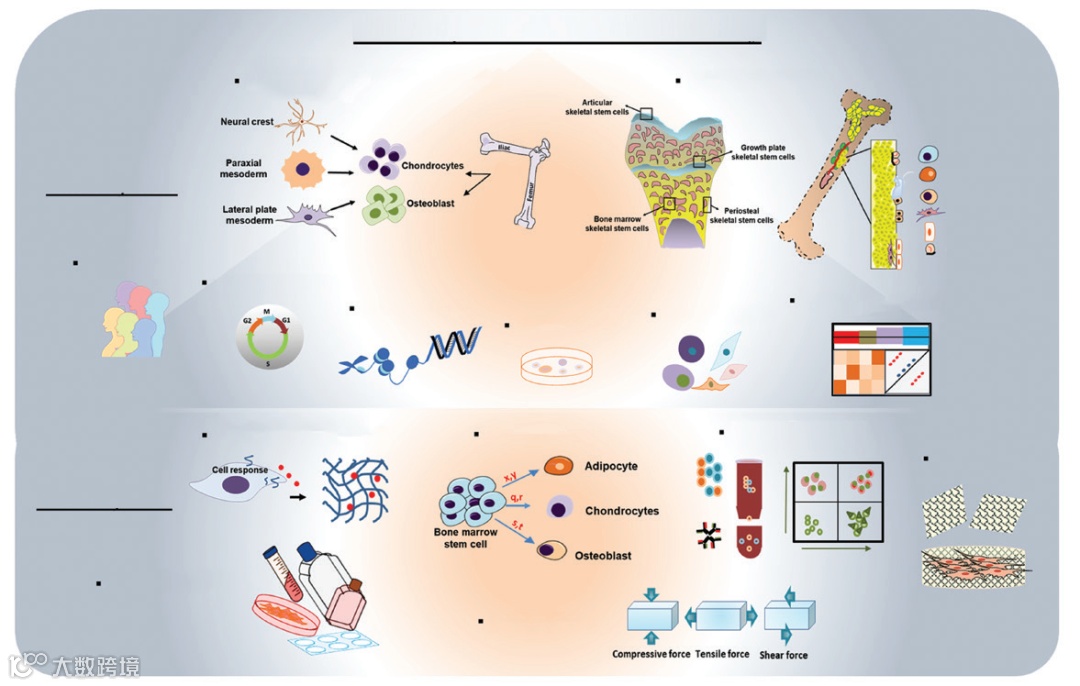

DOI: 10.12336/biomatertransl.2022.01.002
间充质干细胞的分化及其在生物技术中的应用:组织工程和食品制造
Mesenchymal stem cell differentiation and usage for biotechnology applications: tissue engineering and food manufacturing
Dafna Benayahu*
内容简介:
Recent advances in the field of stem cell research now enable their utilisation for biotechnology applications in regenerative medicine and food tech. The first use of stem cells as biomedical devices employed a combination of cells and scaffold to restore, improve, or replace damaged tissues and to grow new viable tissue for replacement organs. This approach has also been adopted to replace meat production in the food industry. Mesenchymal stem cells are the source material used to induce cells to differentiate into the desired lineage. These technologies require mass propagation and rely on supplying the regulatory factors that direct differentiation. Mesenchymal stem cells can differentiate into fibroblastic and skeletal cells; fibroblastic/chondrogenic/osteogenic/myogenic and adipogenic lineages. Each differentiation fate requires specific key molecular regulators and appropriate activation conditions. Stem cell commitment determination involves a concerted effort of coordinated activation and silencing of lineage-specific genes. Transcription factors which bind gene promoters and chromatin-remodelling proteins are key players in the control process of lineage commitment and differentiation from embryogenesis through adulthood. Consequently, a major research challenge is to characterise such molecular pathways that coordinate lineage-specific differentiation and function. Revealing the mechanisms of action and the main factors will provide the knowledge necessary to control activation and regulation to achieve a specific lineage. Growing cells on a scaffold is a support system that mimics natural tissue and transduces the appropriate signals of the tissue niche for appropriate cellular function. The outcome of such research will deepen the understanding of cell differentiation to promote and advance the biotech, allowing the cell expansion required for their usage in therapy or the development of food tech.
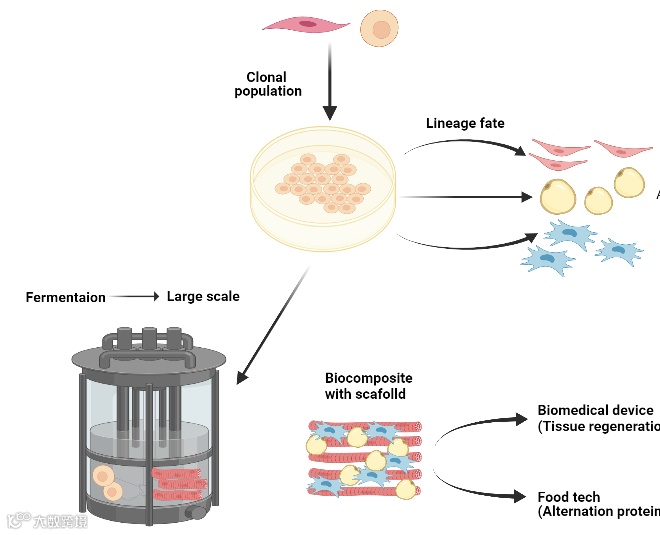

DOI:10.12336/biomatertransl.2022.01.003
口腔干细胞:解码和绘制驻留细胞群体
Oral stem cells, decoding and mapping the resident cells populations
Xuechen Zhang, Ana Justo Caetano, Paul T. Sharpe*, Ana Angelova Volponi*
内容简介:
The teeth and their supporting tissues provide an easily accessible source of oral stem cells. These different stem cell populations have been extensively studied for their properties, such as high plasticity and clonogenicity, expressing stem cell markers and potency for multilineage differentiation in vitro. Such cells with stem cell properties have been derived and characterised from the dental pulp tissue, the apical papilla region of roots in development, as well as the supporting tissue of periodontal ligament that anchors the tooth within the alveolar socket and the soft gingival tissue. Studying the dental pulp stem cell populations in a continuously growing mouse incisor model, as a traceable in vivo model, enables the researchers to study the properties, origin and behaviour of mesenchymal stem cells. On the other side, the oral mucosa with its remarkable scarless wound healing phenotype, offers a model to study a well-coordinated system of healing because of coordinated actions between epithelial, mesenchymal and immune cells populations. Although described as homogeneous cell populations following their in vitro expansion, the increasing application of approaches that allow tracing of individual cells over time, along with single-cell RNA-sequencing, reveal that different oral stem cells are indeed diverse populations and there is a highly organised map of cell populations according to their location in resident tissues, elucidating diverse stem cell niches within the oral tissues. This review covers the current knowledge of diverse oral stem cells, focusing on the new approaches in studying these cells. These approaches “decode” and “map” the resident cells populations of diverse oral tissues and contribute to a better understanding of the “stem cells niche architecture and interactions. Considering the high accessibility and simplicity in obtaining these diverse stem cells, the new findings offer potential in development of translational tissue engineering approaches and innovative therapeutic solutions.
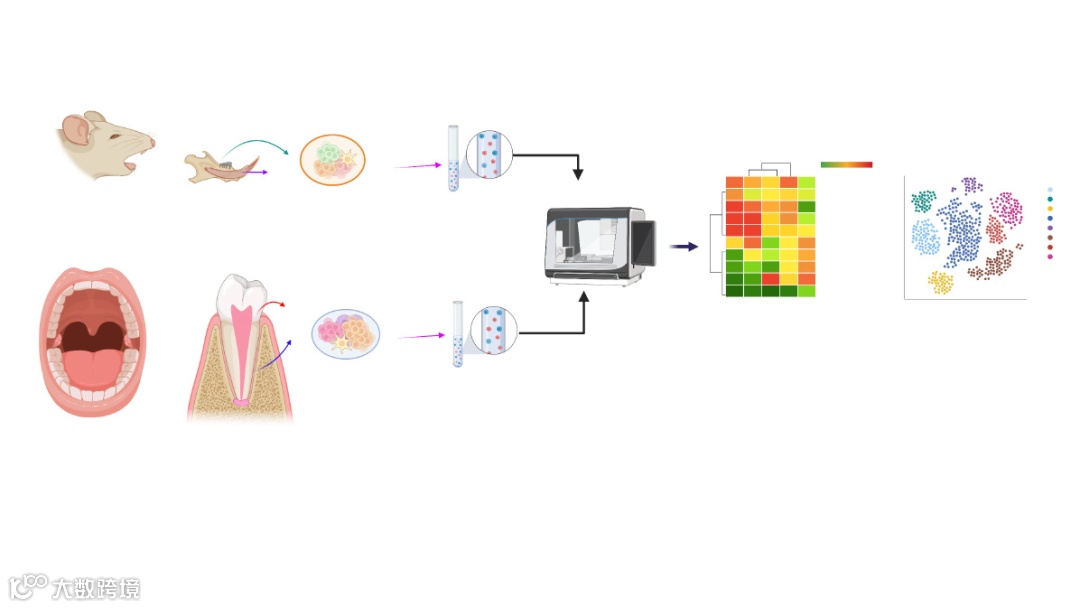

DOI: 10.12336/biomatertransl.2022.01.004
漫长而曲折的道路:体内稳态和紊乱的造血微环境生态位
The long and winding road: homeostatic and disordered haematopoietic microenvironmental niches: a narrative review
Suzanne M. Watt*
内容简介:
Haematopoietic microenvironmental niches have been described as the ‘gatekeepers’ for the blood and immune systems. These niches change during ontogeny, with the bone marrow becoming the predominant site of haematopoiesis in post-natal life under steady state conditions. To determine the structure and function of different haematopoietic microenvironmental niches, it is essential to clearly define specific haematopoietic stem and progenitor cell subsets during ontogeny and to understand their temporal appearance and anatomical positioning. A variety of haematopoietic and non-haematopoietic cells contribute to haematopoietic stem and progenitor cell niches. The latter is reported to include endothelial cells and mesenchymal stromal cells (MSCs), skeletal stem cells and/or C-X-C motif chemokine ligand 12-abundant-reticular cell populations, which form crucial components of these microenvironments under homeostatic conditions. Dysregulation or deterioration of such cells contributes to significant clinical disorders and diseases worldwide and is associated with the ageing process. A critical appraisal of these issues and of the roles of MSC/C-X-C motif chemokine ligand 12-abundant-reticular cells and the more recently identified skeletal stem cell subsets in bone marrow haematopoietic niche function under homeostatic conditions and during ageing will form the basis of this research review. In the context of haematopoiesis, clinical translation will deal with lessons learned from the vast experience garnered from the development and use of MSC therapies to treat graft versus host disease in the context of allogeneic haematopoietic transplants, the recent application of these MSC therapies to treating emerging and severe coronavirus disease 2019 (COVID-19) infections, and, given that skeletal stem cell ageing is one proposed driver for haematopoietic ageing, the potential contributions of these stem cells to haematopoiesis in healthy bone marrow and the benefits and challenges of using this knowledge for rejuvenating the age-compromised bone marrow haematopoietic niches and restoring haematopoiesis.
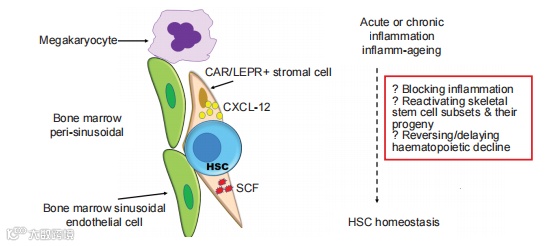

DOI:10.12336/biomatertransl.2022.01.005
来源于间充质干细胞的细胞外囊泡:一种治疗骨科疾病的潜在策略
Mesenchymal stem cell–derived extracellular vesicles: a possible therapeutic strategy for orthopaedic diseases: a narrative review
Zhao–Lin Zeng, Hui Xie*
内容简介:
Accumulating evidence suggests that the therapeutic role of mesenchymal stem cells (MSCs) in bone diseases is closely related to paracrine–generated extracellular vesicles (EVs). MSC–derived EVs (MSC–EVs) carry proteins, nucleic acids, and lipids to the extracellular space and affect the bone microenvironment. They have similar biological functions to MSCs, such as the ability to repair organ and tissue damage. In addition, MSC–EVs also have the advantages of long half–life, low immunogenicity, attractive stability, ability to pass through the blood–brain barrier, and demonstrate excellent performance with potential practical applications in bone diseases. In this review, we summarise the current applications and mechanisms of MSC–EVs in osteoporosis, osteoarthritis, bone tumours, osteonecrosis of the femoral head, and fractures, as well as the development of MSC–EVs combined with materials science in the field of orthopaedics. Additionally, we explore the critical challenges involved in the clinical application of MSC–EVs in orthopaedic diseases.
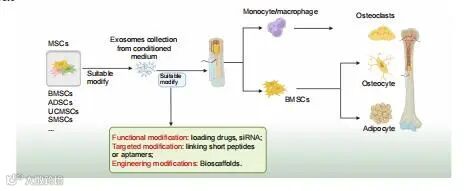

DOI: 10.12336/biomatertransl.2022.03.002
计算机模型辅助软骨组织工程的机械环境研究
Mechanical environment for in vitro cartilage tissue engineering assisted by in silico models
Rob Jess#, Tao Ling#,†, Yi Xiong*, Chris J. Wright, Feihu Zhao,*
内容简介:
Mechanobiological study of chondrogenic cells and multipotent stem cells for articular cartilage tissue engineering (CTE) has been widely explored. The mechanical stimulation in terms of wall shear stress, hydrostatic pressure and mechanical strain has been applied in CTE in vitro. It has been found that the mechanical stimulation at a certain range can accelerate the chondrogenesis and articular cartilage tissue regeneration. This review explicitly focuses on the study of the influence of the mechanical environment on proliferation and extracellular matrix production of chondrocytes in vitro for CTE. The multidisciplinary approaches used in previous studies and the need for in silico methods to be used in parallel with in vitro methods are also discussed. The information from this review is expected to direct facial CTE research, in which mechanobiology has not been widely explored yet.
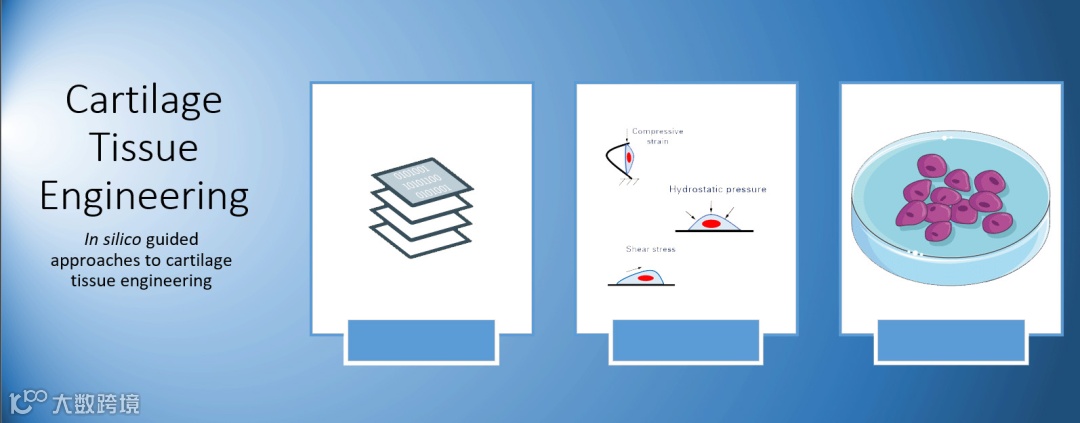

DOI: 10.12336/biomatertransl.2023.01.004
三种猪源性胶原膜诱导骨再生的系统评价
Systematic evaluation of three porcine-derived collagen membranes for guided bone regeneration
Andrew Tai#, Euphemie Landao-Bassonga#, Ziming Chen#, Minh Tran, Brent Allan, Rui Ruan, Dax Calder, Mithran Goonewardene, Hien Ngo, Ming Hao Zheng*
内容简介:
This study evaluates commercially available porcine-derived collagen membranes, crucial for guided bone regeneration in dental implant procedures. Comparing three non-crosslinked membranes (Striate+TM, Bio-Gide®, CreosTM Xenoprotect), the research found similarities in collagen fibril distribution and barrier properties, effectively blocking various sized beads. Notably, Striate+TM exhibited collagen D-periodicity closest to native collagen, indicating minimal manufacturing-induced deformation. While no alpha-gal or DNA was detected through immunohistochemistry, sensitive real-time PCR identified DNA in the Bio-Gide® membrane. The study highlights subtle differences among membranes, attributed to variances in porcine tissue sources and manufacturing methods, suggesting further research to ascertain clinical significance.


DOI: 10.12336/biomatertransl.2023.01.006
生物学方法在肩袖肌腱-骨附着点修复与再生中的应用:文献综述
Biological approaches to the repair and regeneration of the rotator cuff tendon-bone enthesis: a literature review
Ahlam A. Abdalla*,†, Catherine J. Pendegrass*
内容简介:
This review emphasizes the complexities of healing fibrocartilaginous entheses, notably in rotator cuff tendons, and the challenges in enhancing repair due to their inherent poor healing capacity and the prevalence of retears. It advocates for tissue engineering strategies involving cells, growth factors, and scaffolds to improve healing, citing promising results from animal studies and some clinical trials. The review stresses the necessity of customizing treatments based on the tear's chronicity, extent, and patient demographics, considering biological, mechanical, and lifestyle factors for optimal outcomes. Future research should aim to refine these tailored approaches, ensuring that regenerative medicine protocols are accurately informed and effective.
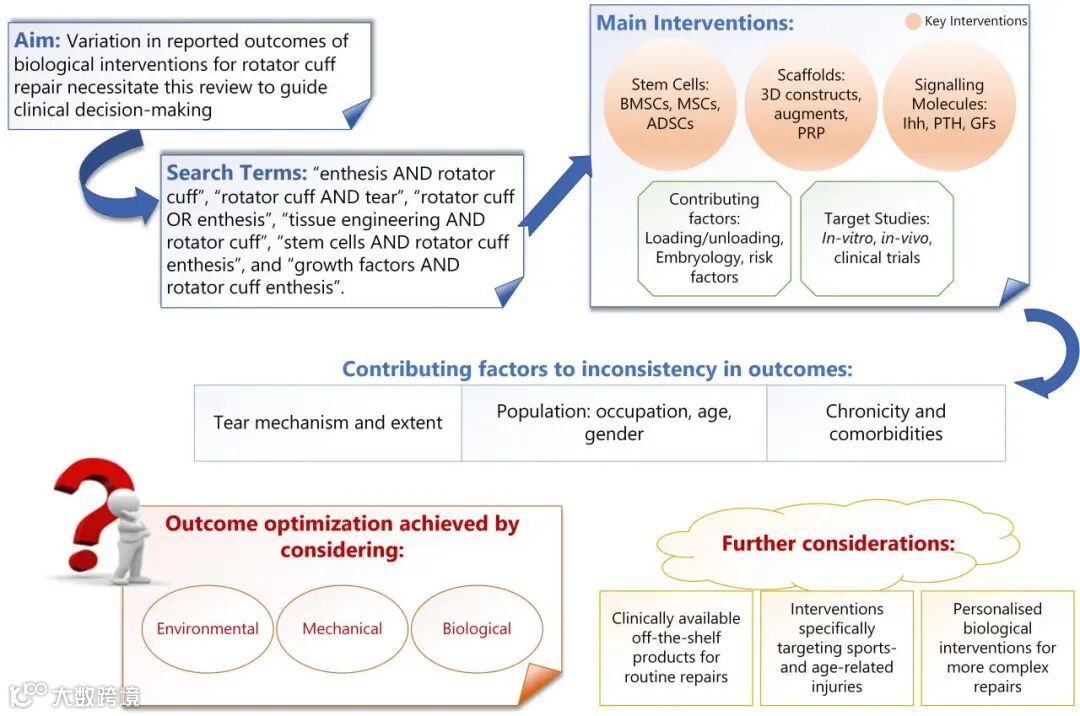

DOI: 10.12336/biomatertransl.2023.02.004

关于我们
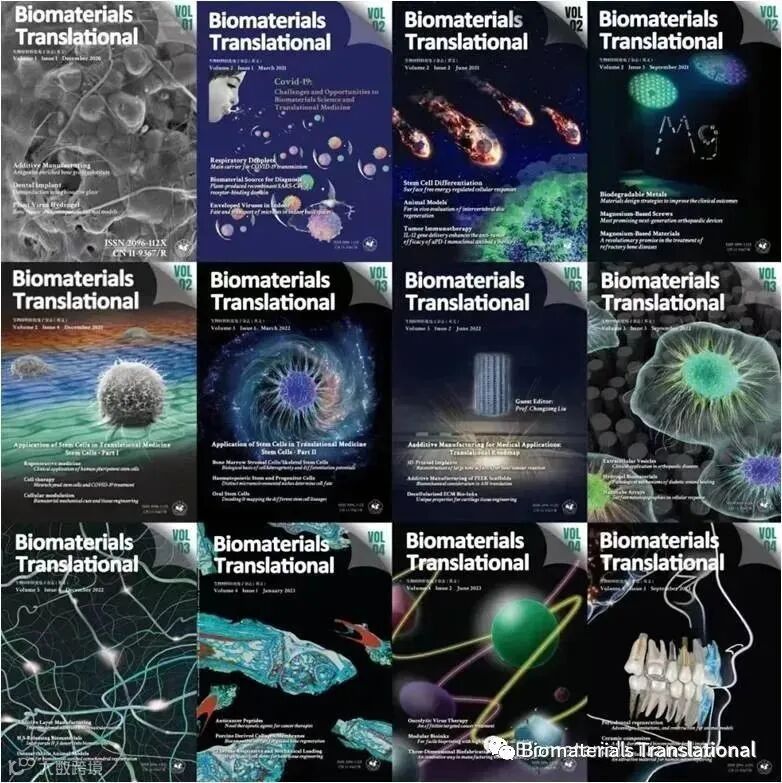
Biomaterials Translational (BMT)由中华人民共和国国家卫生健康委员会主管,中华医学会主办,中华医学电子音像出版社出版,上海大学承办。BMT致力于搭建生物材料-转化医学之间桥梁的国际期刊。该期刊发表原创、高质量的同行评审论文,包括研究性、综述性、观点性和评论性论文。期刊涵盖的研究领域包括但不限于:生物材料科学最新进展、生物材料结构构建及生物学特征、生物材料转化医学方面研究等。期刊目前已被Pubmed、Scopus等收录,SCI收录正在审核中。欢迎各位专家赐稿!
创始兼名誉主编
曹 旭 教授 王 倩 教授
名誉主编
张英泽 院士 付小兵 院士
王迎军 院士 James T Triffitt 教授
主编
刘昌胜 院士 邵增务 教授
执行主编
苏佳灿 教授
副主编
夏志道 教授 李 斌 教授
期刊网址:
http://www.biomat-trans.com
投稿链接:
https://www.editorialmanager.com/biomater_transl/
欢迎关注