
在重大疾病治疗中,药物的精准递送和靶向治疗已成为非常有效的策略。选择合适的靶向药物、药物载体、和药物靶点等对于提升疗效非常关键,因此本期合集共收录九篇研究与综述文章,展示了药物递送系统的创新设计在在肿瘤治疗和骨再生领域的前沿应用进展。其中,药物载体包括仿生纳米颗粒、微纳复合材料、外泌体、类器官外囊泡、基因提送、及自组装多肽等。作为一种新型的药物载体和/或药物分子,本期还介绍了自组装多肽的相关研究,包括人工智能加速自组装肽的发现,以及辐射灭菌对抗菌肽结构和抗菌特性的影响。此外,本合集对HIF-1α作为骨关节炎治疗靶点的治疗策略也进行了相关综述。希望通过上述深入的研究与评述,为生物材料转化领域贡献丰富的学术价值和实践指导。

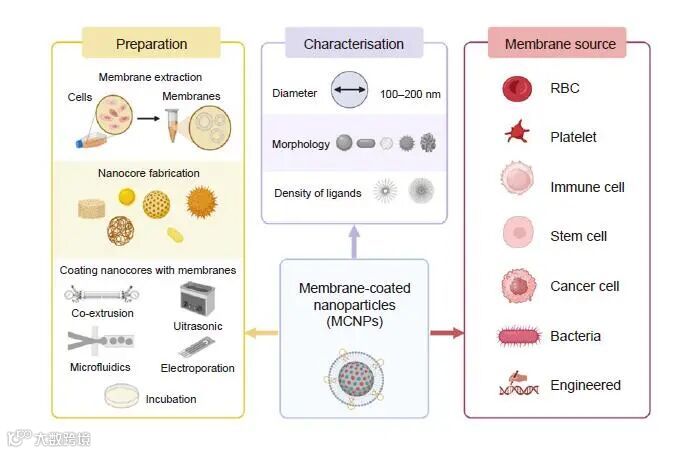
膜包被仿生纳米颗粒靶向治疗肿瘤
Membrane-coated nanoparticles as a biomimetic targeted delivery system for tumour therapy
Haoyu Guo#, Mingke Guo4#, Zhidao Xia*, Zengwu Shao*
内容简介:
Drug therapy towards tumours often causes adverse effects because of their non-specific nature. Membrane-coated technology and membrane-coated nanoparticles provide an advanced and promising platform of targeted and safe delivery. By camouflaging the nanoparticles with natural derived or artificially modified cell membranes, the nano-payloads are bestowed with properties from cell membranes such as longer circulation, tumour or inflammation-targeting, immune stimulation, augmenting the performance of traditional therapeutics. In this review, we review the development of membrane coating technology, and summarise the technical details, physicochemical properties, and research status of membrane-coated nanoparticles from different sources in tumour treatment. Finally, we also look forward to the prospects and challenges of transforming membrane coating technology from experiment into clinical use. Taken together, membrane-coated nanoparticles are bound to become one of the most potential anti-tumour strategie2024.01s in the future.
DOI:10.12336/biomatertransl.2024.01.004
利用外泌体进行靶向治疗:策略与应用
Harnessing exosomes for targeted therapy: strategy and application
Xiaoxiang Ren, Ruixue Xu*, Chenjie Xu*, Jiacan Su*
内容简介:
Exosomes, nanoscopic extracellular vesicles produced by cells, are pivotal in mediating intracellular communication by transporting nucleic acids, proteins, lipids, and other bioactive molecules, thereby influencing physiological and pathological states. Their endogenous origin and inherent diversity confer distinct advantages over synthetic vehicles like liposomes and nanoparticles in diagnostic and therapeutic applications. Despite their potential, the clinical utility of exosomes is hampered by challenges such as limited storage stability, yield, purity, and targeting efficiency. This review focuses on exosomes as targeted therapeutic agents, examining their biogenesis, classification, isolation, and characterisation, while also addressing the current limitations in yield, purity, and targeting. We delve into the literature to propose optimisation strategies that can enhance their therapeutic efficacy and accelerate the translation of exosome-based therapies into clinical practice.


DOI:10.12336/biomatertransl.2024.01.005
HIF-1α:作为骨关节炎治疗靶点
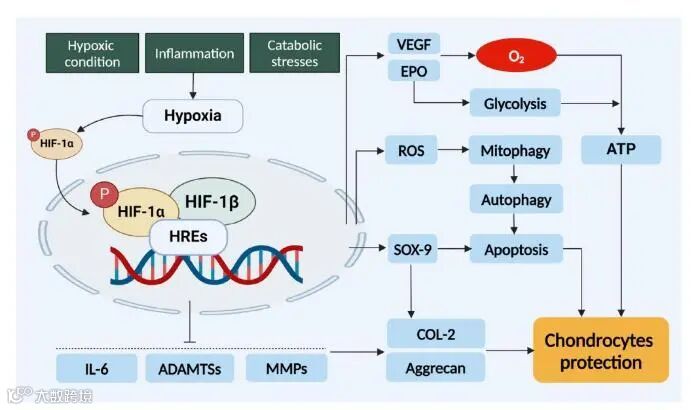
HIF-1α: linking subchondral bone and cartilage as a therapeutic target in osteoarthritis
Kaibo Zhang, Weili Fu*
内容简介:
This commentary explores subchondral bone deterioration as a critical factor in the progression of osteoarthritis (OA), emphasizing the interplay between abnormalities of the subchondral bone microenvironment and OA pathology. While much research targets osteoclast overactivity and abnormal blood vessel proliferation in subchondral bone, therapies with bisphosphonates remain controversial due to the inconsistent clinical trial outcomes. Recent findings highlight the significant role of hypoxia-inducible factor-1 alpha (HIF-1α) in cartilage degeneration, independent of subchondral bone alterations. Stabilizing HIF-1α in chondrocytes shows promise in delaying OA progression by preserving a hypoxic environment and promoting cartilage health. However, the impact of HIF-1α on subchondral bone turnover remains unclear, warranting further investigation. The commentary underscores the importance of timing and targeting interventions, suggesting that maintaining a hypoxic environment and stabilizing HIF-1α could be effective strategies for OA treatment, despite some uncertainties.
DOI:10.12336/biomatertransl.2024.01.010
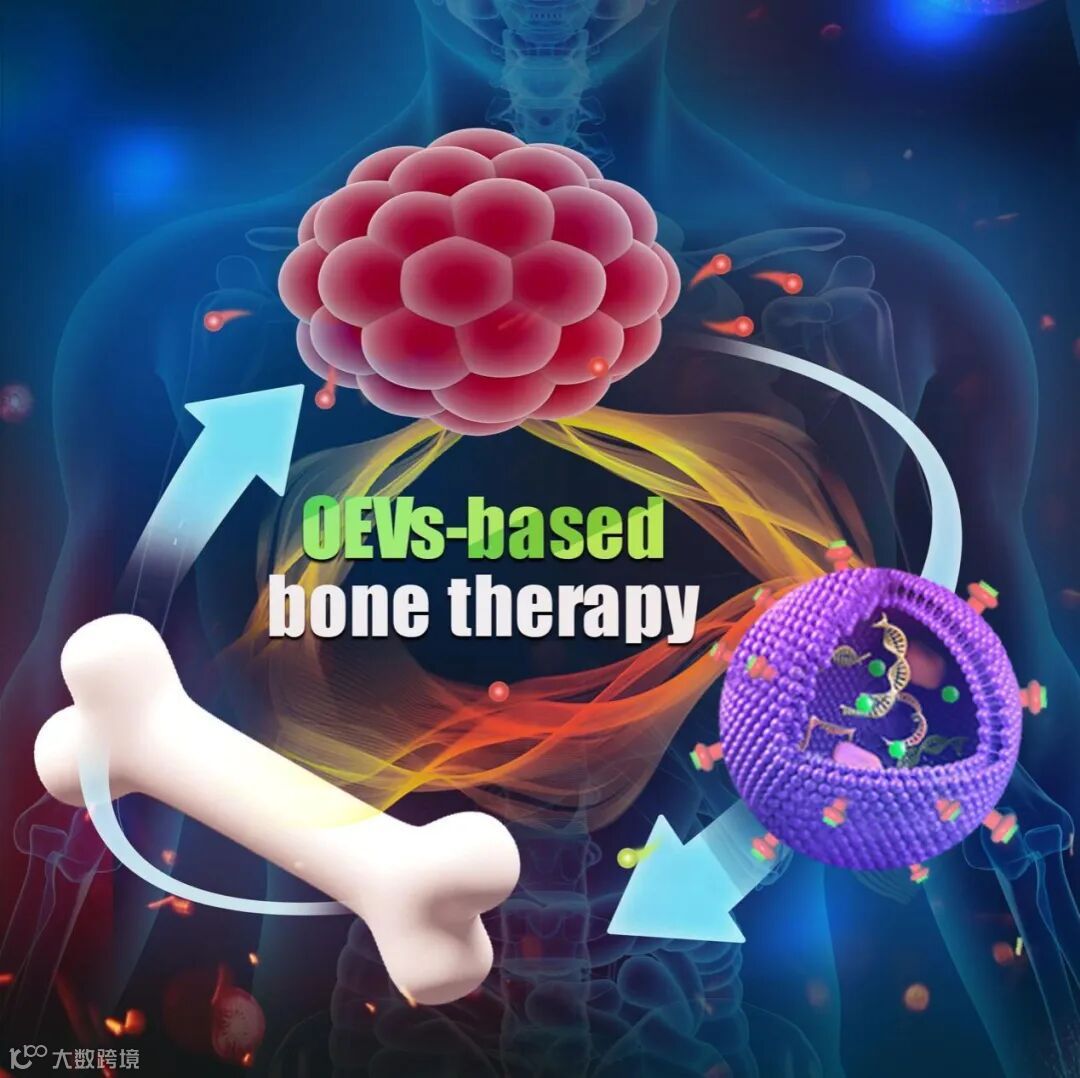
基于类器官外囊泡的骨治疗策略
Organoid extracellular vesicle-based therapeutic strategies for bone therapy
Han Liu, Jiacan Su*
内容简介:
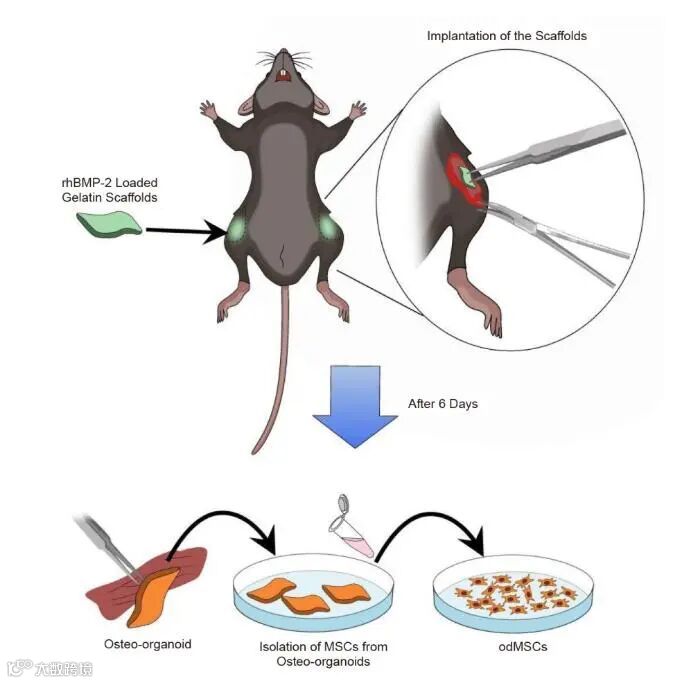
With the rapid development of population ageing, bone-related diseases seriously affecting the life of the elderly. Over the past few years, organoids, cell clusters with specific functions and structures that are self-induced from stem cells after three-dimensional culture in vitro, have been widely used for bone therapy. Moreover, organoid extracellular vesicles (OEVs) have emerging as promising cell-free nanocarriers due to their vigoroso physiological effects, significant biological functions, stable loading capacity, and great biocompatibility. In this review, we first provide a comprehensive overview of biogenesis, internalisation, isolation, and characterisation of OEVs. We then comprehensively highlight the differences between OEVs and traditional EVs. Subsequently, we present the applications of natural OEVs in disease treatment. We also summarise the engineering modifications of OEVs, including engineering parental cells and engineering OEVs after isolation. Moreover, we provide an outlook on the potential of natural and engineered OEVs in bone-related diseases. Finally, we critically discuss the advantages and challenges of OEVs in the treatment of bone diseases. We believe that a comprehensive discussion of OEVs will provide more innovative and efficient solutions for complex bone diseases.

DOI:10.12336/biomatertransl.2023.04.002
靶向树突状细胞的白细胞介素-12基因经皮递送增强程序性细胞死亡蛋白1单克隆抗体的抗肿瘤效应
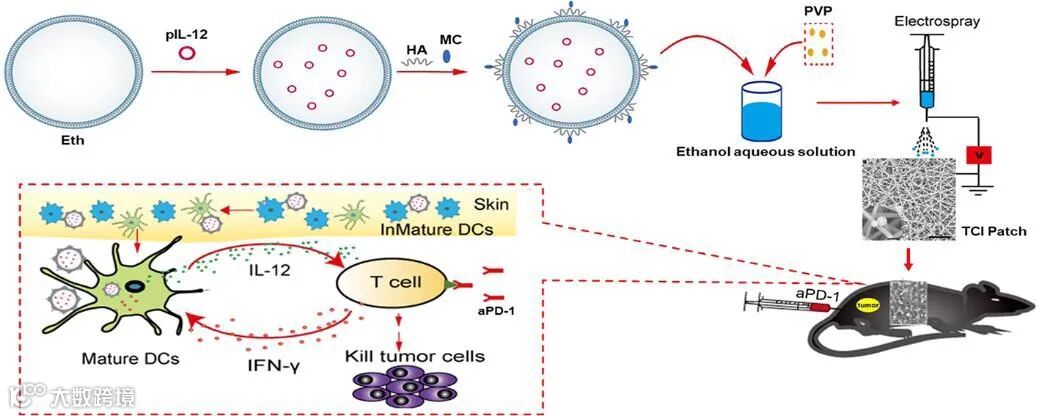
Transdermal delivery of interleukin-12 gene targeting dendritic cells enhances the anti-tumour effect of programmed cell death protein 1 monoclonal antibody
Huoyan Hong#, Xiaoyun Wang#, Xinran Song, Gomaa El Fawal, Kaili Wang, Di Jiang, Yifei Pei, Zhe Wang, Hongsheng Wang*
内容简介:
Recent studies have suggested that the anti-tumour effect of the programmed cell death protein 1 monoclonal antibody (aPD-1) depends on the expression of interleukin-12 (IL-12) by dendritic cells (DCs). Since DCs are abundant in skin tissues, transdermal delivery of IL-12 targeting DCs may significantly improve the anti-tumour effect of aPD-1. In this study, a novel mannosylated chitosan (MC)-modified ethosome (Eth-MC) was obtained through electrostatic adsorption. The Eth-MC loaded with plasmid containing the IL-12 gene (pIL-12@Eth-MC) stimulated DCs to express mature-related molecular markers such as CD86, CD80, and major histocompatibility complex-II in a targeted manner. The pIL-12@Eth-MC was then mixed with polyvinyl pyrrolidone solution to make microspheres using the electrospray technique, and sprayed onto the surface of electrospun silk fibroin-polyvinyl alcohol nanofibres to obtain a PVP-pIL-12@Eth-MC/silk fibroin-polyvinyl alcohol composite nanofibrous patch (termed a transcutaneous immunization (TCI) patch). The TCI patch showed a good performance on transdermal drug release. Animal experiments on melanoma-bearing mice showed that topical application of the TCI patches promoted the expression of IL-12 and inhibited the growth of tumour. Furthermore, combined application of the TCI patch and aPD-1 showed a stronger anti-tumour effect than aPD-1 monotherapy. The combination therapy significantly promoted the expression of IL-12, interferon-γ and tumour necrosis factor-α, the infiltration of CD4+ and CD8+ T cells into tumour tissues, and thus promoted the apoptosis of tumour cells. The present study provides a convenient and non-invasive strategy for improving the efficacy of immune checkpoint inhibitor therapy. This study was approved by the Institutional Animal Care and Use Committee at Donghua University (approval No. DHUEC-NSFC-2020-11) on March 31, 2020.
DOI:10.12336/biomatertransl.2021.02.005
3D打印高精度支架控制肽释放增强骨再生
Meticulously engineered three-dimensional-printed scaffold with microarchitecture and controlled peptide release for enhanced bone regeneration
Jin Yang, Kanwal Fatima, Xiaojun Zhou, Chuanglong He*
内容简介:
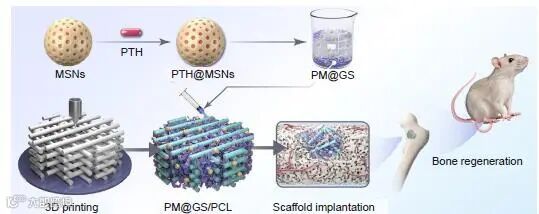
The repair of large load-bearing bone defects requires superior mechanical strength, a feat that a single hydrogel scaffold cannot achieve. The objective is to seamlessly integrate optimal microarchitecture, mechanical robustness, vascularisation, and osteoinductive biological responses to effectively address these critical load-bearing bone defects. To confront this challenge, three-dimensional (3D) printing technology was employed to prepare a polycaprolactone (PCL)-based integrated scaffold. Within the voids of 3D printed PCL scaffold, a methacrylate gelatin (GelMA)/methacrylated silk fibroin (SFMA) composite hydrogel incorporated with parathyroid hormone (PTH) peptide-loaded mesoporous silica nanoparticles (PTH@MSNs) was embedded, evolving into a porous PTH@MSNs/GelMA/SFMA/PCL (PM@GS/PCL) scaffold. The feasibility of fabricating this functional scaffold with a customised hierarchical structure was confirmed through meticulous chemical and physical characterisation. Compression testing unveiled an impressive modulus of 17.81 ± 0.83 MPa for the composite scaffold. Additionally, in vitro angiogenesis potential of PM@GS/PCL scaffold was evaluated through Transwell and tube formation assays using human umbilical vein endothelium, revealing the superior cell migration and tube network formation. The alizarin red and alkaline phosphatase staining assays using bone marrow-derived mesenchymal stem cells clearly illustrated robust osteogenic differentiation properties within this scaffold. Furthermore, the bone repair potential of the scaffold was investigated on a rat femoral defect model using micro-computed tomography and histological examination, demonstrating enhanced osteogenic and angiogenic performance. This study presents a promising strategy for fabricating a microenvironment-matched composite scaffold for bone tissue engineering, providing a potential solution for effective bone defect repair.
DOI:10.12336/biomatertransl.2024.01.007
探索微纳复合材料在COVID-19疫苗领域及其他广泛应用
Exploring the potential of micro-nano composite structures for COVID-19 vaccines and beyond
Danli Cui, Yiting Lei*
内容简介:
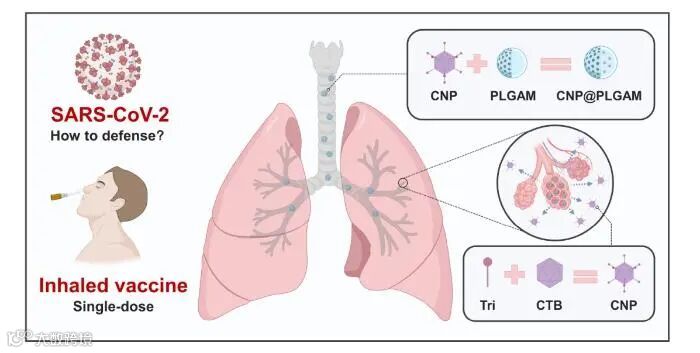
The COVID-19 pandemic highlights the importance of vaccination. While most vaccines are injected intramuscularly, intranasal or nebulized vaccines are being explored for immediate respiratory tract protection. These dry powder vaccines, encapsulated in micro-nano composites, induce localized immune responses and offer potential advantages like single-dose administration and enhanced stability. Preclinical studies show promising results, offering protection against SARS-CoV-2 variants. Beyond COVID-19, micro-nano composites hold promise in drug delivery, diagnostics, and regenerative medicine. Exploring these structures in vaccines could improve efficacy and broaden medical applications.
DOI:10.12336/biomatertransl.2024.01.009
人工智能加速自组装肽的发现
AI accelerated discovery of self-assembling peptides
Yejiao Shi*, Honggang Hu*
内容简介:
Nature-inspired self-assembly of biomimetic peptides presents challenges in material design due to the vast sequence space. Sankaranarayanan’s team introduced an AI expert combining Monte Carlo tree search (MCTS) and molecular dynamic (MD) simulations to efficiently identify self-assembling peptides. Validated with tripeptides, the AI expert discovered self-assembling pentapeptides, showing promising results in experiments. Integrating MD, machine learning, and experiments, the AI expert offers a promising approach for peptide-based therapeutics and materials.
DOI:10.12336/biomatertransl.2023.04.008
辐射灭菌对抗菌肽结构和抗菌特性的影响
Effect of radiation sterilisation on the structure and antibacterial properties of antimicrobial peptides
Xiaodan Wang*, Qinmei Li, Huawei Yang*
内容简介:
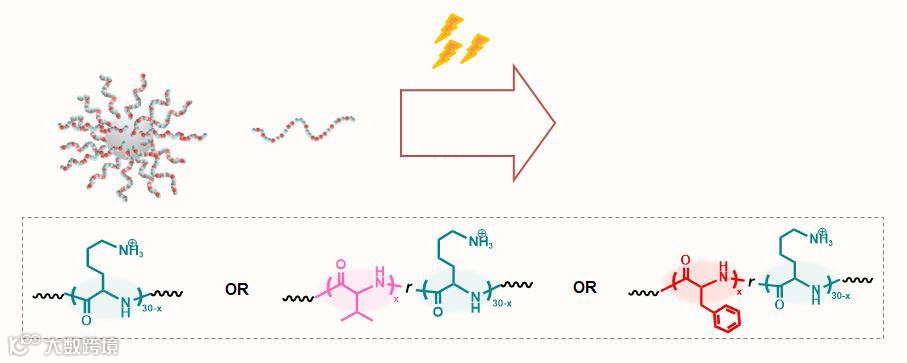
Antimicrobial peptides (AMPs) have recently been exploited to fabricate anti–infective medical devices due to their biocompatibility and ability to combat multidrug–resistant bacteria. Modern medical devices should be thoroughly sterilised before use to avoid cross–infection and disease transmission, consequently it is essential to evaluate whether AMPs withstand the sterilisation process or not. In this study, the effect of radiation sterilisation on the structure and properties of AMPs was explored. Fourteen AMPs formed from different monomers with different topologies were synthesised by ring–opening polymerisation of N–carboxyanhydrides. The results of solubility testing showed that the star–shaped AMPs changed from water–soluble to water–insoluble after irradiation, while the solubility of linear AMPs remained unchanged. Matrix–assisted laser desorption/ionisation time of flight mass spectrometry showed that the molecular weight of the linear AMPs underwent minimal changes after irradiation. The results of minimum inhibitory concentration assay also illustrated that radiation sterilisation had little effect on the antibacterial properties of the linear AMPs. Therefore, radiation sterilisation may be a feasible method for the sterilisation of AMPs, which have promising commercial applications in medical devices.
DOI:10.12336/biomatertransl.2023.01.007

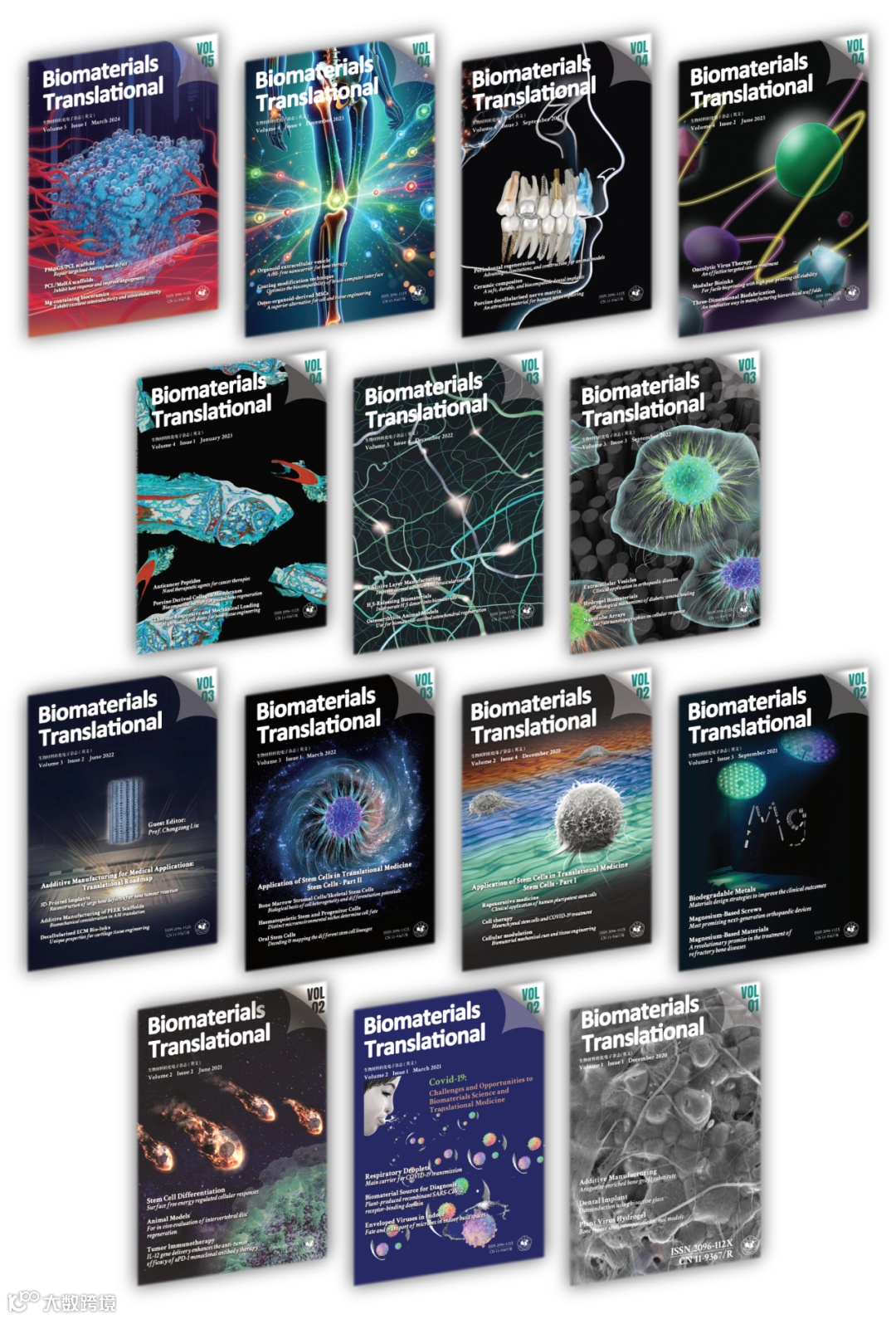
Biomaterials Translational (BMT)由中华人民共和国国家卫生健康委员会主管,中华医学会主办,中华医学电子音像出版社出版,上海大学承办。BMT致力于搭建生物材料-转化医学之间桥梁的国际期刊。该期刊发表原创、高质量的同行评审论文,包括研究性、综述性、观点性和评论性论文。期刊涵盖的研究领域包括但不限于:生物材料科学最新进展、生物材料结构构建及生物学特征、生物材料转化医学方面研究等。期刊目前已被Pubmed、Scopus等收录,SCI收录正在审核中。欢迎各位专家赐稿!
创始兼名誉主编
曹 旭 教授
王 倩 教授
名誉主编
张英泽 院士
付小兵 院士
王迎军 院士
James T Triffitt 教授
主编
刘昌胜 院士
邵增务 教授
执行主编
苏佳灿 教授
副主编
夏志道 教授
李 斌 教授
期刊网址:
http://www.biomat-trans.com
投稿链接:
https://www.editorialmanager.com/biomater_transl/
邮箱:
bmt_editors@oa.shu.edu.cn
欢迎关注