



We all fall ill from time to time 🤒️
If you get sick in China, it's important to be able to tell your Chinese friends or colleagues that you're not feeling well, so that you can get some help or advice.
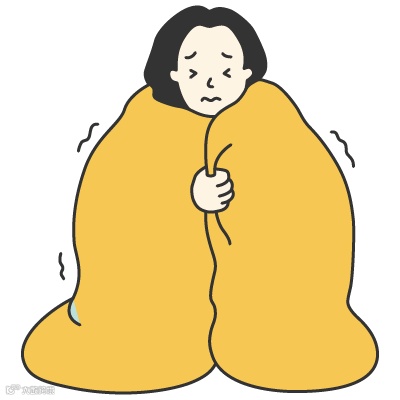
In this week's article, let's learn some essential Chinese words and sentences related to falling ill.
'Being Sick' in Chinese
01. I'm sick
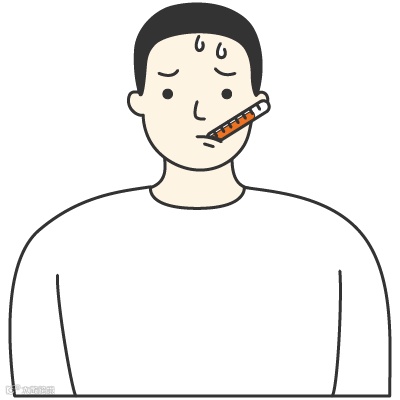
我病了。
Wǒ bìng le.
(lit."I-sick-[le].")
The key word in this sentence is the second character 病 (bìng), which can be either used as a verb ("to fall ill") or a noun ("illness"). Don't forget to add 了 to show a change of state (from "healthy" to "sick").
02. I'm not feeling well
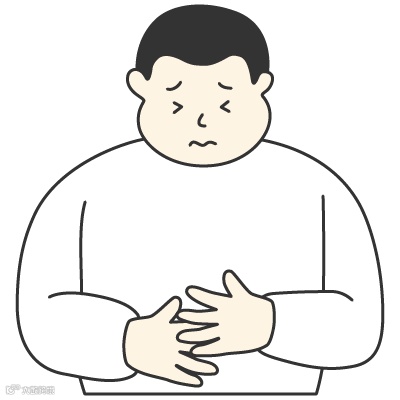
我觉得不舒服。
Wǒ juéde bù shūfu.
(lit."I-feel-not-comfortable.")
This is the most common sentence that Chinese people say when they are under the weather. However, this sentence doesn't necessarily mean that you are ill. You can use it when you are just feeling a bit nauseous. The word 舒服 (shūfu) means "comfortable", and in addition to describing people’s feelings, it can also be used to "evaluate" different items, for example:

我想请假。
Wǒ xiǎng qǐngjià.
(lit."I-want-ask-leave of absence.")
In most Chinese companies, it is possible to ask for a leave without giving a notice if you are feeling really sick. You can also use this sentence when you need to take a day off due to personal reasons; but in this case you might notify your company about it a few days in advance.
04. I’m going to see a doctor this afternoon

我下午去看医生。
Wǒ xiàwǔ qù kàn yīshēng.
(lit."I-afternoon-go-see-doctor.")
In this sentence, the phrase 看医生 (kàn yīshēng) means "to see a doctor". In China, you can go to the hospital and see a doctor whenever you want without making an appointment. The only downside is waiting in line.
05. I’m feeling much better now

我好多了。
Wǒ hǎo duō le.
(lit."I-good-much-[le].")
When you've almost recovered from your illness and your friend asks you how you are feeling, you can reply with this sentence. The key structure here is "adj. + 多了 duō le", which means "much more ...".
Let’s take a look at an example that can help you better understand the use of this structure:
Bonus: Common
Symptoms in Chinese
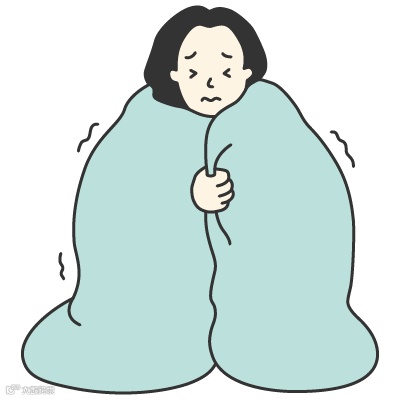
gǎnmào
to catch a cold; cold
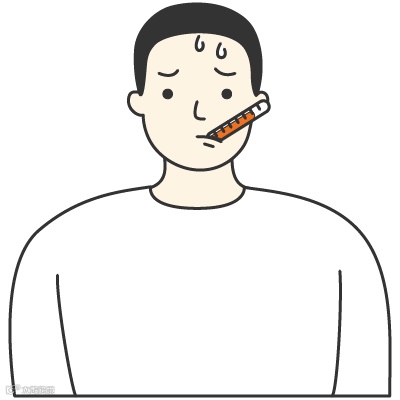
发烧
fāshāo
to have a fever
(lit. "to emit-heat")
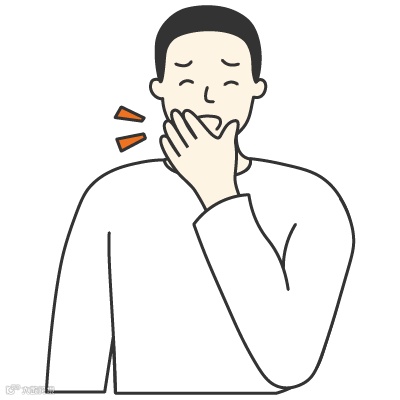
咳嗽
késou
to cough; cough
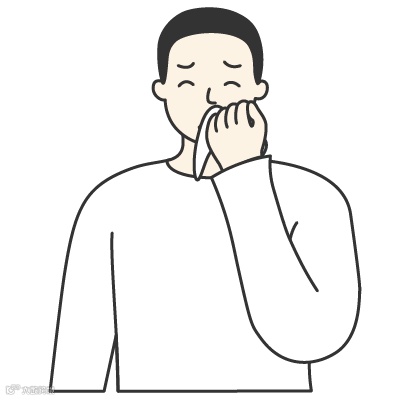
流鼻涕
liú bítì
to have a runny nose
(lit. "to flow-nose-mucus")
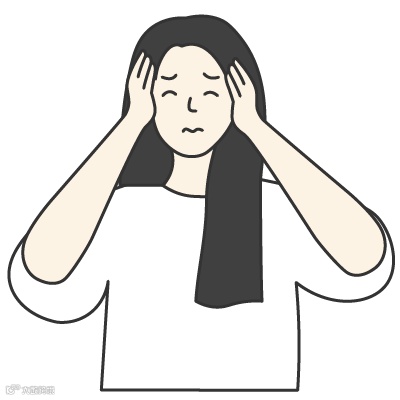
头疼
tóu téng
to have a headache
(lit. "head-hurts")
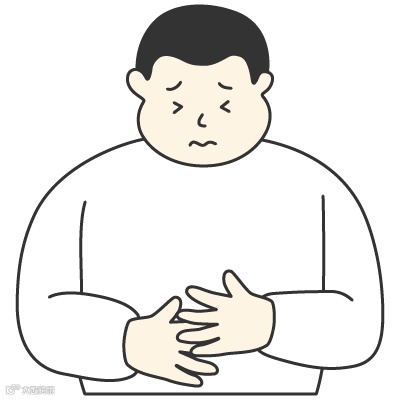
胃疼
wèi téng
to have a stomach ache
(lit. "stomach-hurts")
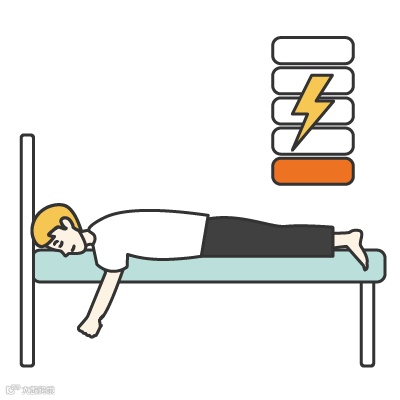
乏力
fálì
fatigue/weak
Practice with Teachers

Have questions?
Ask us on WeChat!
@thatsmandarin006