



Recently you've likely been watching for signs of spring and eagerly anticipating the end of the cold (and rainy ☔️) weather.
As the beginning of the spring brings us the long-awaited warmth, let's learn about the traditional Chinese calendar system known as the 24 Solar Terms.
2024年二十四节气
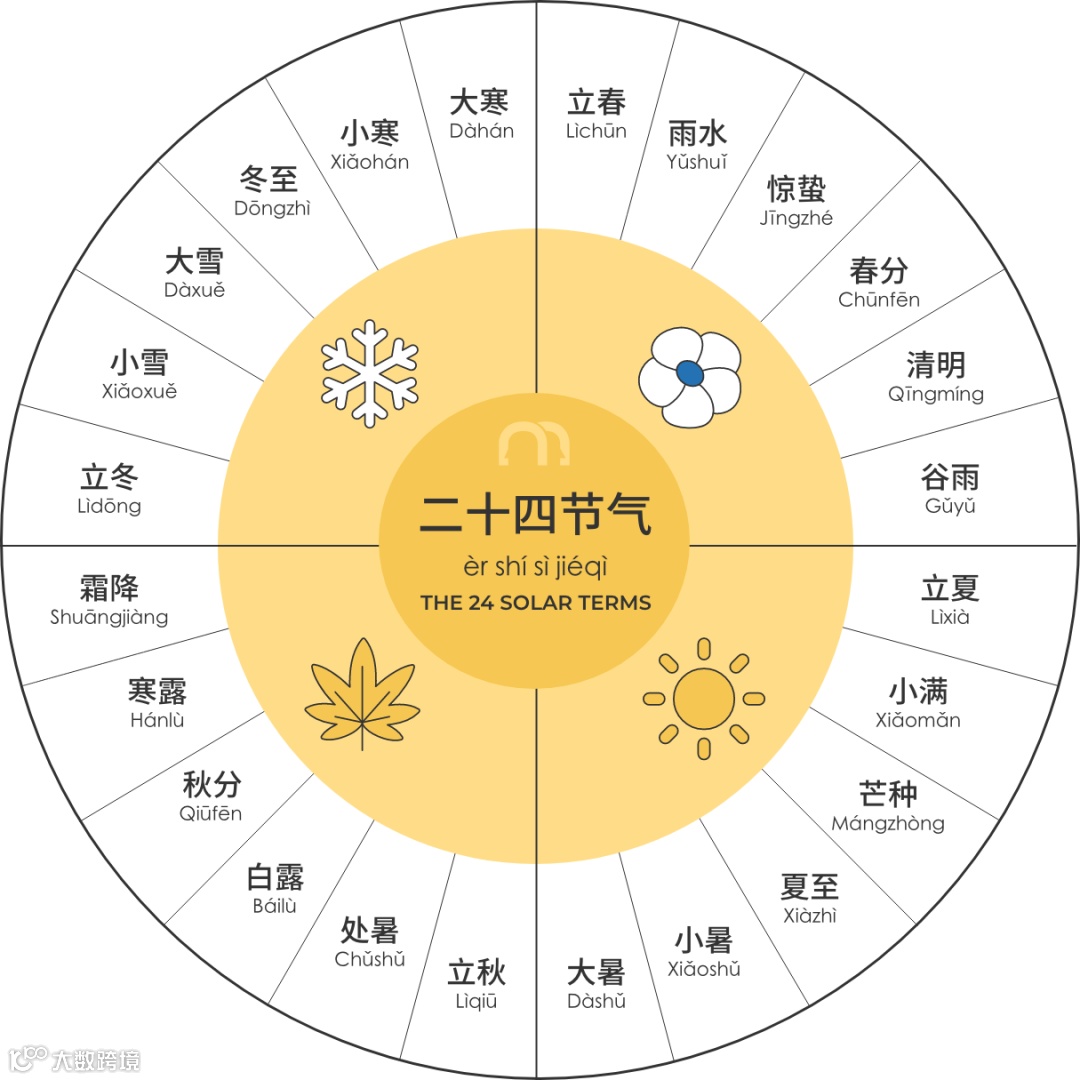
The 24 Solar Terms, or 二十四节气 (èr shí sì jiéqì), is a traditional Chinese calendar system that divides the year into 24 periods, each lasting about two weeks.
The system captures the essence of each season, marking the changes in the natural world. These terms, based on the sun's position in the zodiac, were created by farmers in ancient China and have guided agricultural practices, culinary traditions, and daily life for generations.
二十四节气
èr shí sì jiéqì
The 24 Solar Terms
Seasons
Let's take a closer look into
each of the 24 solar terms.
01. Lichun or Beginning of Spring
⏰ Feb 04, 1st of the 24 solar terms
立春
Lìchūn
Beginning of Spring
Lichun (立春 Lìchūn) marks the beginning of spring. Although spring is still cold at this time, the daylight hours gradually begin to lengthen.
TRADITIONS.
On the first day of Lichun, there's a tradition known as "biting spring" (咬春 yǎo chūn). People celebrate by eating 春饼 (chūnbǐng) - spring pancakes filled with vegetables and meat. They also enjoy other seasonal foods like five-spice dishes and radishes.
02. Yushui or Rain Water
⏰ Feb 19, 2nd of the 24 solar terms
雨水
Yǔshuǐ
Rain Water
You probably noticed the rainy weather in February, didn't you? As the Rain Water (雨水 Yǔshuǐ) arrives, temperatures begin to rise, and rainfall becomes more frequent.
03. Jingzhe or Insects Wake
⏰ Mar 05, 3th of the 24 solar terms
惊蛰
Jīngzhé
Insects Wake
惊蛰 (Jīngzhé), the Insects Wake is the time when hibernating insects begin to awaken as spring approaches.
TRADITIONS.
In terms of TCM, the Insects Wake is seen as a time to focus on taking care of health by eating pears 🍐. During this season, the temperature changes frequently, and the climate is relatively dry, which can lead to dry mouth and coughing. Eating pears can help support the body during this period.
04. Chunfen or Spring Equinox
⏰ Mar 20, 4th of the 24 solar terms
春分
Chūnfēn
Spring Equinox
The Spring Equinox, or 春分 (Chūnfēn) marks the midpoint of the spring season. During the Spring Equinox, the day and night are approximately equal in length.
With the weather warming up, it's the perfect time for outdoor activities. In China, one popular tradition during this season is flying kites 🪁
05. Qingming or Pure Brightness
⏰ Apr 04, 5th of the 24 solar terms
清明
Qīngmíng
Pure Brightness
During this term it is clear and bright, and the weather becomes noticeably warmer. The season marks a traditional Chinese festival called 清明节 (Qīngmíng Jié), or Tomb Sweeping Day.
It is a time to pay respects to ancestors by visiting their graves, cleaning the tombstones, and making offerings of food and other items.
06. Guyu or Grain Rain
⏰ Apr 19, 6th of the 24 solar terms
谷雨
Gǔyǔ
Grain Rain
谷雨 (Gǔyǔ), or Grain Rain, marks the end of the spring rainy season, and it is an important time for agriculture, which signifies the time when crops such as barley and wheat start to ripen. Farmers begin to prepare their fields for the upcoming harvest, and the weather becomes more stable, with less rain and more sunshine.
07. Lixia or Start of Summer
⏰ May 05, 7th of the 24 solar terms
立夏
Lìxià
Start of Summer
As the spring is ready to end, people welcome the first solar term in summer, 立夏 (Lìxià). The term consists of two Chinese characters: 立 (lì), meaning "establish" or "begin," and 夏 (xià), meaning "summer".
TRADITIONS.
Certain foods are traditionally eaten during specific solar terms, and one of the traditions during Lixia also relates to food. People would cook "seven-family porridge", or 七家粥 (qī jiā zhōu). Traditionally, they would ask for rice from their neighbors, cook it with multicolored beans and brown sugar, and share with family, friends, and neighbors.
08. Xiaoman or Lesser Full Grain
⏰ May 20, 8th of the 24 solar terms
小满
Xiǎomǎn
Lesser Full Grain
The term 小满 (Xiǎomǎn) reflects the idea that grains are beginning to fill but are not yet fully ripe. The increased rainfall fills rivers, making The Lesser Full Grain a perfect time for enjoying fresh fish.
09. Mangzhong or Grain in Ear
⏰ June 05, 9th of the 24 solar terms
芒种
Mángzhòng
Grain in Ear
Mangzhong, or Grain in Ear, is the 9th of the 24 Solar Terms in the traditional Chinese calendar. It usually falls around June 5th each year and marks the time when crops start to grow grains.
TRADITIONS.
In TCM, Mangzhong is time to focus on nourishing the heart and calming the mind. People may consume foods that are light and easy to digest, such as vegetables and fruits, to support their bodies during this period.
10. Xiazhi or Summer Solstice
⏰ June 21, 10th of the 24 solar terms
夏至
Xiàzhì
Summer Solstice
Xiazhi marks the longest day and shortest night of the year in the Northern Hemisphere, when the sun reaches its highest point in the sky. After Xiazhi, the days begin to shorten, and the nights gradually become longer.
TRADITIONS.
In much of China, it is traditional to eat noodles on the Summer Solstice. As the popular saying goes:
冬至饺子夏至面。
Dōngzhì jiǎozi Xiàzhì miàn.
Winter Solstice eat dumplings,
Summer Solstice eat noodles.
11. Xiaoshu or Lesser Heat
⏰ July 06, 11th of the 24 solar terms
小暑
Xiǎoshǔ
Lesser Heat
小暑 (Xiǎoshǔ), the Lesser Heat marks the period of time when the weather becomes noticeably hotter.
NOTE.
It is important take precautions against the heat of summer and to take care of health: stay hydrated, seek shade, and avoid prolonged exposure to the sun.
12. Dashu or Great Heat
⏰ July 22, 12th of the 24 solar terms
大暑
Dàshǔ
Great Heat
During Dashu, temperatures are at their peak. It is the time of year when the duration of the sunshine is the longest, the rainfall is the greatest, and the thunderstorms are the most frequent.
NOTE.
The Great Heat is a time to be mindful of the heat and take steps to protect one's health. Let's look at some traditional and creative ways to stay cool during this period 🧊
| 6 Ways to Beat the Summer Heat
13. Liqiu or Start of Autumn
⏰ Aug 07, 13th of the 24 solar terms

立秋
Lìqiū
Start of Autumn
立秋 (Lìqiū) marks the transition from summer to autumn. During Liqiu, the weather begins to cool down, and the days start to shorten.
TRADITIONS.
In recent years, a charming tradition is becoming popular among young people, especially in urban areas: drinking milk tea on the first day of autumn.
People marking the start of autumn with a cup of milk tea saying:

秋天的第一杯奶茶。
Qiūtiān de dì yī bēi nǎichá.
The first cup of milk tea in autumn.
14. Chushu or End of Heat
⏰ Aug 22, 14th of the 24 solar terms
处暑
Chǔshǔ
End of Heat
处暑 (Chǔshǔ) brings the end of the summer heat with it and the temperature starts to cool down for autumn.
TRADITIONS.
The tradition of eating duck during the End of Heat period remains popular today. Duck is favored for its naturally sweet flavor and, according to TCM, its ability to stop the heat.
15. Bailu or White Dew
⏰ Sep 07, 15th of the 24 solar terms
白露
Báilù
White Dew
The true arrival of autumn is marked by 白露 (Báilù). As temperatures cool, moisture in the air turns into dew on grass and trees during night.
During this season, Chinese people celebrate The Mid-Autumn Festival and have family reunions with a feast featuring delicate foods.
16. Qiufen or Autumn Equinox
⏰ Sep 22, 16th of the 24 solar terms
秋分
Qiūfēn
Autumn Equinox
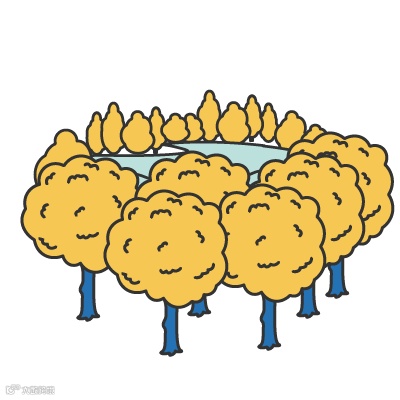
The Autumn Equinox usually falls around September 22nd, marking the midpoint of autumn. During 秋分 (Qiūfēn), the weather becomes cooler, and the leaves start to change color, painting the landscapes with vibrant hues of red, orange, and yellow.
17. Hanlu or Cold Dew
⏰ Oct 08, 17th of the 24 solar terms
寒露
Hánlù
Cold Dew
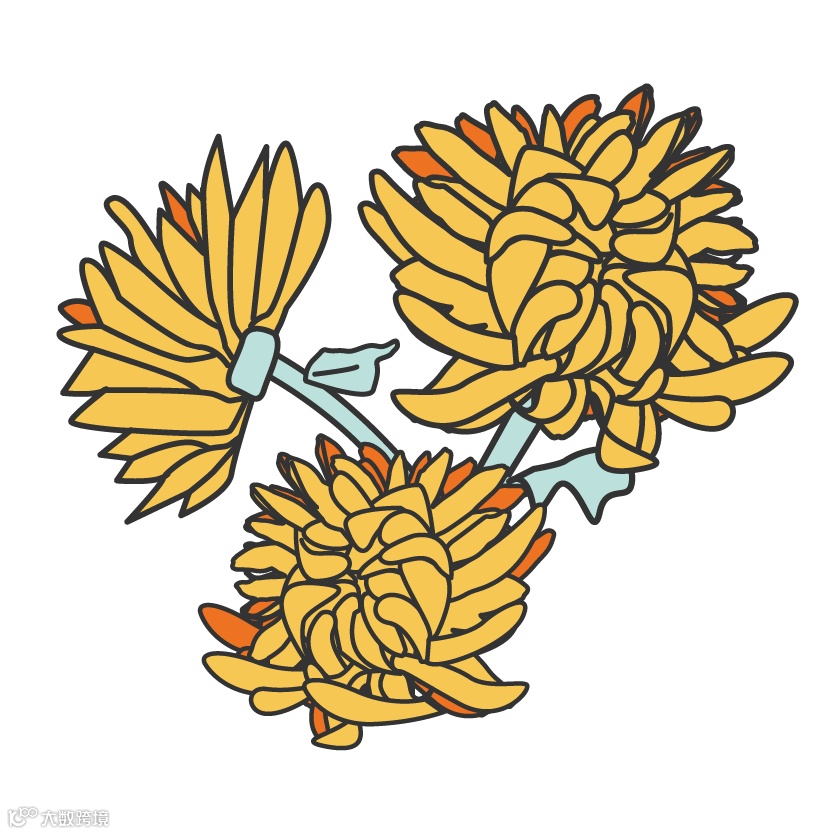
The Cold Dew marking the time when the temperature drops and people focus is on preparing for the colder months ahead and switch from lighter summer clothing to warmer autumn attire.
TRADITIONS.
One important date that may fall within the span of 寒露 (Hánlù) is the Double Ninth Festival, or 重阳节 (Chóngyáng Jié). On this day, people celebrate the health of the elder members in their family and pay respects to their ancestors.
According to TCM, the air tends to be cleaner and pollution lower around this time. So, hiking in the nearby mountains is a great way to enjoy the Cold Dew period.
18. Shuangjiang or Frost Descends
⏰ Oct 23, 18th of the 24 solar terms
霜降
Shuāngjiàng
Frost Descends
19. Lidong or Start of Winter
⏰ Nov 07, 19th of the 24 solar terms

立冬
Lìdōng
Start of Winter
| 6 Cozy Ways to Stay Warm During the Winter Season
20. Xiaoxue or Minor Snow
⏰ Nov 22, 20th of the 24 solar terms

小雪
Xiǎoxuě
Minor Snow
TRADITIONS.
Customs during the Minor Snow period include pickling salted vegetables like sauerkraut and potherb mustard.
小雪腌菜,大雪腌肉。
Xiǎoxuě yān cài, Dàxuě yān ròu.
Preserve pickles during Minor Snow,
preserve meat during Major Snow.
21. Daxue or Major Snow
⏰ Dec 06, 21st of the 24 solar terms
大雪
Dàxuě
Major Snow
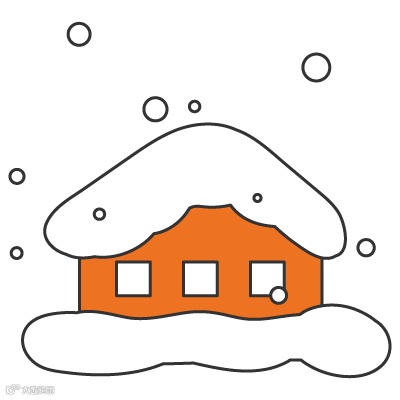
Major Snow, known as 大雪 (Dàxuě) is the third solar term of winter. During this time, the temperature drops day by day as the year draws to a close.
Similar to the previous solar term Xiaoxue (Light Snow), Major Snow is also a good time to make preserved meat like pork, chicken, duck, fish.
22. Dongzhi or Winter Solstice
⏰ Dec 21, 22nd of the 24 solar terms
冬至
Dōngzhì
Winter Solstice
The Winter Solstice, or 冬至 (Dōngzhì) marks the shortest day of the year and the longest night.
TRADITIONS.
Traditions during Dongzhi are also related to food. In the northern regions, people have a tradition of eating dumplings (饺子 jiǎozi), while in the south, there is a tradition of eating tangyuan (汤圆 tāngyuán) - glutinous sweet rice balls typically filled with fillings such as red bean paste or sesame paste.
23. Xiaohan or Lesser Cold
⏰ Jan 05, 23rd of the 24 solar terms
小寒
Xiǎohán
Lesser Cold
Xiaohan marks the beginning of the coldest days of the year for most areas of China.
TEACHERS RECOMMEND.
Soaking feet in warm water during winter can be helpful. Not only does it help to warm up cold feet, but it can also improve circulation and relieve tension. This simple practice can be a comforting way to take care of your health during the colder months.
24. Dahan or Major Cold
⏰ Jan 20, 24th of the 24 solar terms
大寒
Dàhán
Major Cold
TRADITIONS.
Dahan typically falls around January 20th, close to the Spring Festival, and the festive atmosphere grows stronger. People start preparing for the Chinese New Year by cleaning, making preserved meats, and getting ready for the festivities, as the most important festival for Chinese people is approaching.
Take It Further

Have questions?
Ask us on WeChat!
@thatsmandarin006