Zhejiang University team first discovered #Coronavirus in tears and conjunctival secretions of patients #, watch out for new modes of transmission! ] According to Zhejiang University.
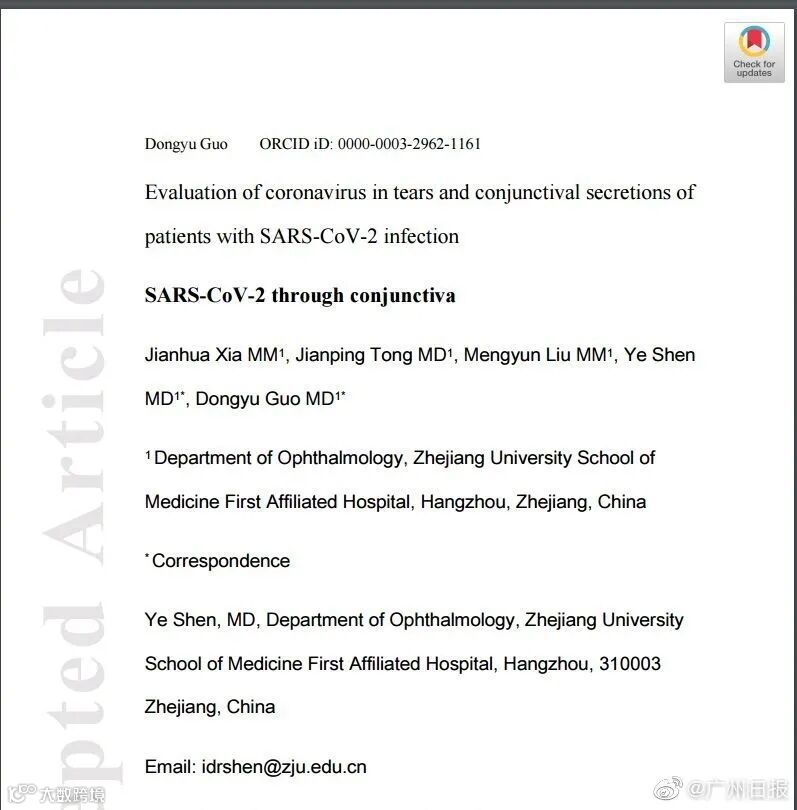
On February 26, the team of Professor Shen Ye, the dean of the First Affiliated Hospital of Zhejiang University School of Medicine and the leader of the ophthalmology department, published a research work online in the Journal of Medical Virology, revealing the research Among the samples of patients with neocoronary pneumonia, a sample of tears and conjunctival secretion from a patient with conjunctivitis showed a virus-positive result in a nucleic acid test.
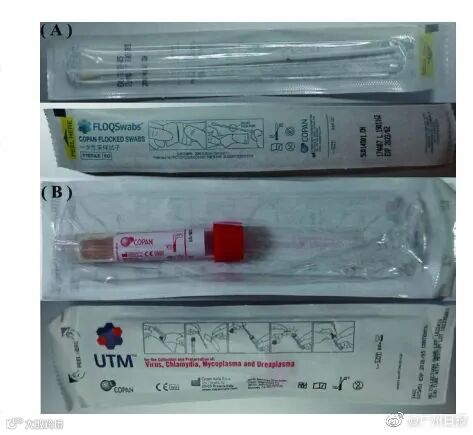
Researchers from Zhejiang University from January 26 to February 9 confirmed 30 patients with neocoronary pneumonia diagnosed at the First Affiliated Hospital of Zhejiang University Medical College, and studied their mixture of tears and conjunctiva secretions. The research team found the patient has conjunctival inflammation in the left eye, which is red eye disease caused by the coronavirus, but not in the right eye. Through nucleic acid testing, researchers at Zhejiang University found that the left eye novel coronavirus with conjunctivitis was positive while the right eye was negative. At present, the patient has undergone comprehensive antiviral treatment, and if the overall cure is achieved, the conjunctival inflammation has also improved, and the eye virus is negatively detected again. Researchers continue to study how patients develop ocular conjunctival inflammation due to novel coronavirus.
Shen Ye introduced that through this study, the following conclusions can be drawn: 1. The patient's left eye conjunctivitis is related to the novel coronavirus; 2. There is a risk of ocular infection of the novel coronavirus; 3. The respiratory tract may not be the only way to spread the novel coronavirus. Shen Ye said that the practical significance of this study is to remind medical staff to wear goggles in addition to wearing masks when examining suspicious cases. This research provides scientific basis for further improvement of national guidelines and standards for the prevention and control of novel coronavirus.