China‘s Dragon Boat Festival 端午节 duān wǔ jié, is also called the Double Fifth Festival 五月初五 wǔ yuè chū wǔ, is celebrated on the fifth day of the fifth month of the lunar calendar. It falls on June 25, Thursday this year. The festival holiday is from 25th to 27th.


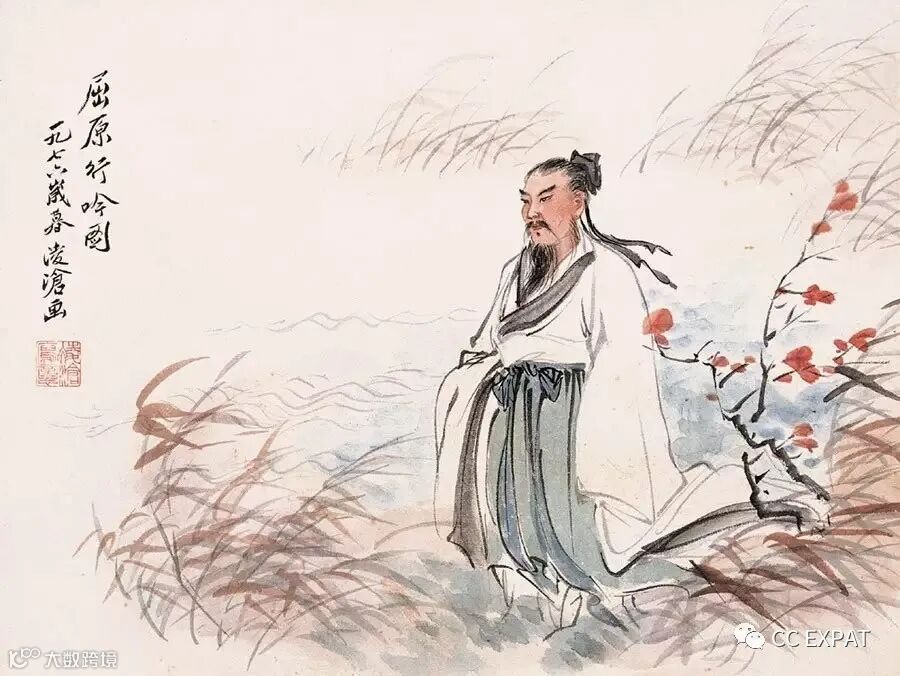
The Dragon Boat Festival commemorates the death of Qu Yuan, a Chu state official and poet who lived during the Warring States Period (475-221 BC) before the reunification of China under the Qin Dynasty (221-206 BC). He was exiled after opposing his king's decision to ally with the neighboring state of Qin, and when Chu was finally conquered by Qin, he committed suicide by drowning in the Miluo River on the fifth day of the fifth lunar month.
The Chu people, who admired Qu Yuan for his loyalty and integrity, threw rice dumplings into the river to feed the fish so they would not eat the body of their poet hero. People then started dragon boat racing to scare off the fish.
Since then, the fifth day of the fifth month on the lunar calendar is celebrated as the Dragon Boat Festival.


To greet people for the festival, we should say 端午安康 duān wǔ ān kāng ( good health ), can not say 节日快乐 ( happy festival).


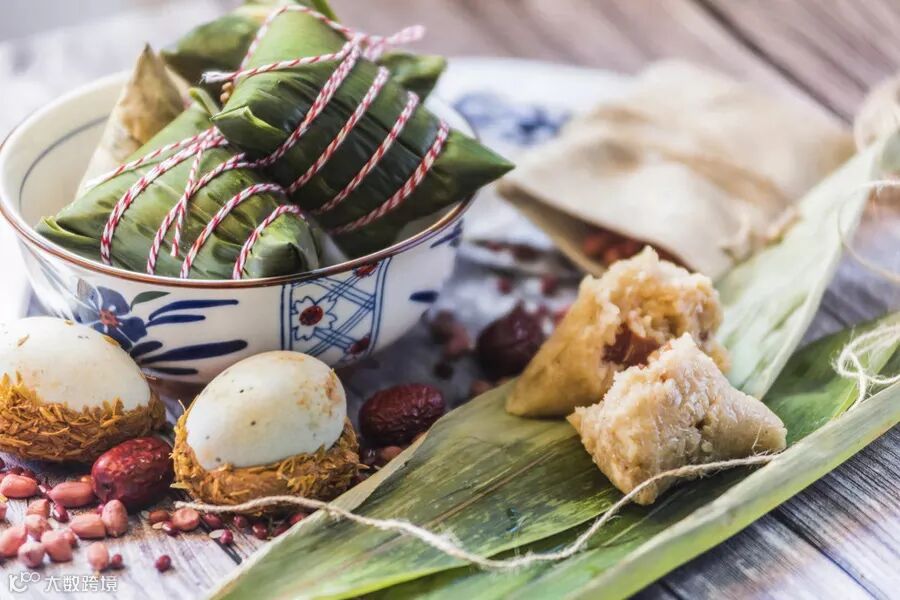
A very popular dish during the Dragon Boat Festival is zongzi. It consists of rice dumplings with meat, peanuts, egg yolks or other fillings wrapped in reed leaves.


At the center of the festival are the dragon boat races. Competing teams drive their colorful dragon boats forward to the rhythm of the beating drums. These exciting races were inspired by the villagers' valiant attempts to rescue Qu Yuan from the Miluo River. This tradition has remained unbroken for centuries.



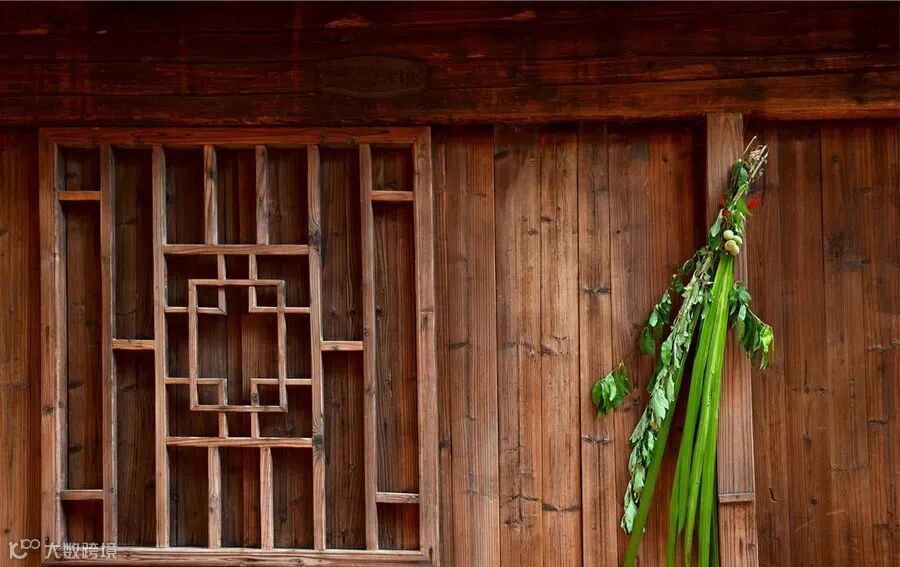
During the Dragon Boat Festival, Chinese put mugwort leaves and calamus on the doors or windows to repel insects, flies, fleas and moths from the house. Those leaves have curative properties and can prevent an epidemic.


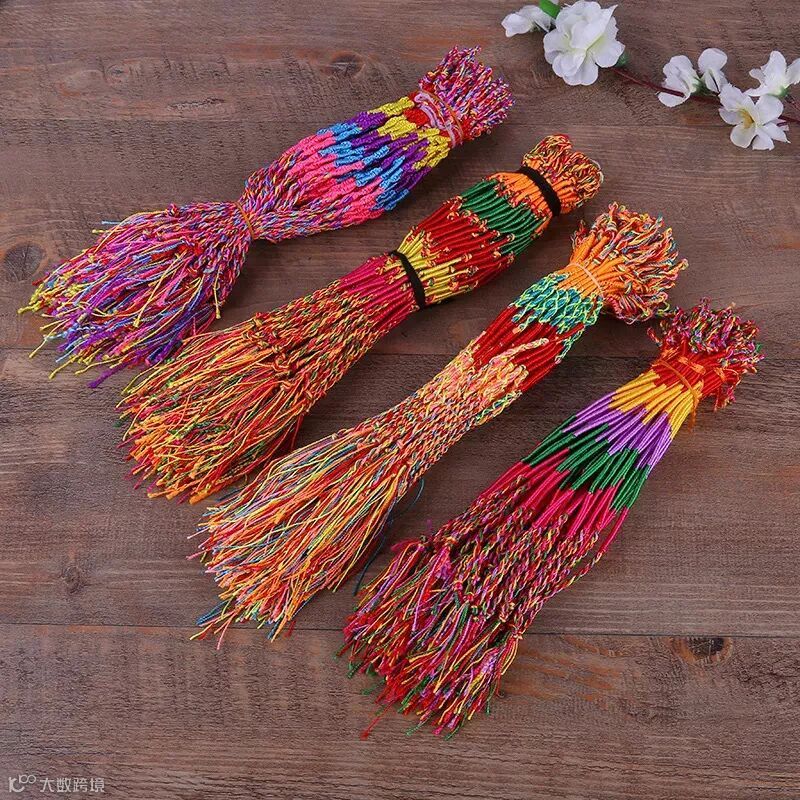
On the Dragon Boat Festival, children normally wear scented sachets threaded with five-color silk string to ward off evil. A scented sachet is an ornament worn on the front of the dress. The sweet-smelling sachet contains cinnabar, realgar and aromatic herbs.
It is usually wrapped in a silk cloth and sometimes embroidered with exquisite patterns. Multicolor silk threads are attached to the sachet as decorative tassels.

Five-color string holds a special significance in China, as it is thought to contain magical and healing properties.