

点击“北漂文学社”关注我们
1月1日
故宫一日游—大会堂赏乐
One-Day Tour to thePalace Museum—Enjoy the Music in the Great Hall of the People
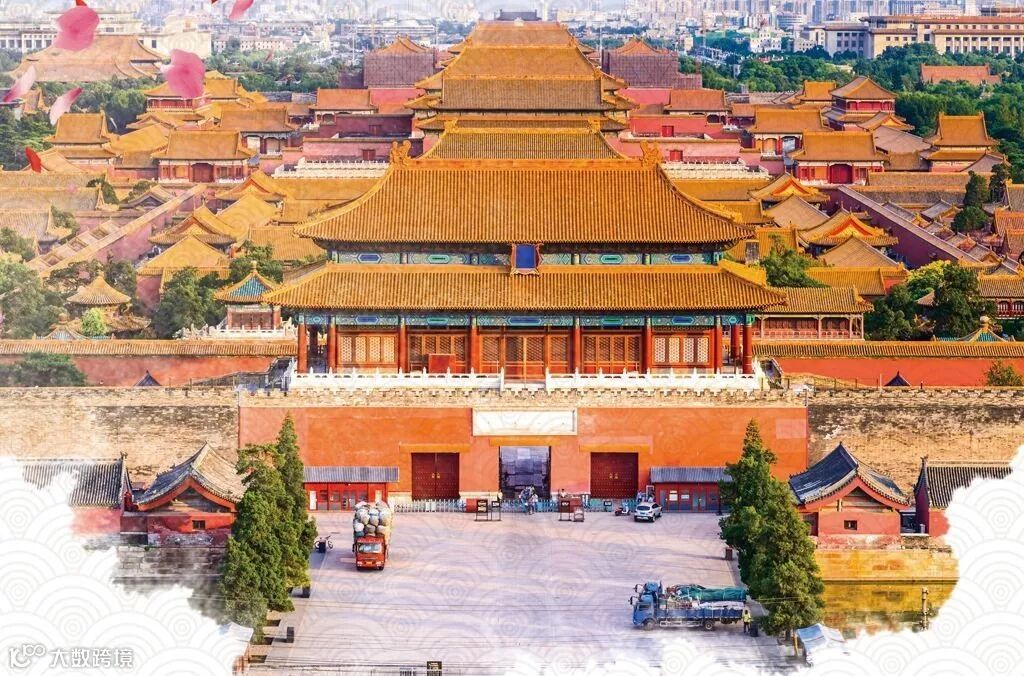
故宫啥时候游览都可以,最佳游览时间是每年的八九月份,元旦游览故宫,一是游人较少,最主要的则是为了晚上聆听人民大会堂的新年音乐会,元旦前后走进人民大会堂,已然是一种文化时尚。
The Palace Museum can be visited at any time, but the best time to visit is in August and September. I chose to visit the Palace Museum on New Year's Day when there were fewer visitors, when there were fewer visitors, and more importantly, I also planned to attend the New Year concert in the evening at the Great Hall of the People. Walking into the Great Hall of the People around New Year has become a cultural fashion.
先说一下故宫。
First, let's talk about the Palace Museum.
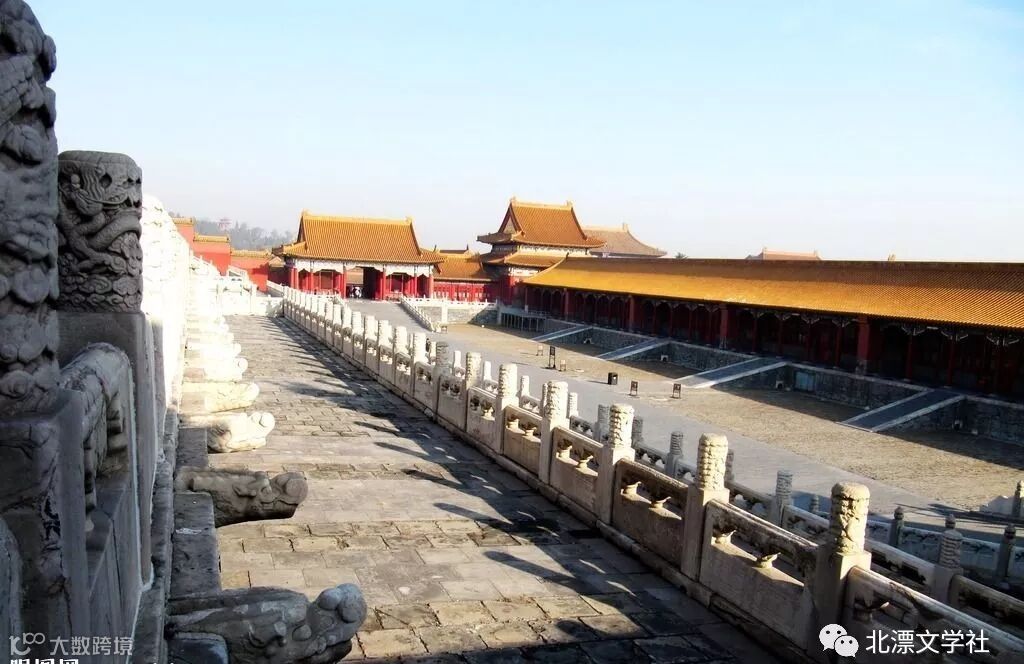
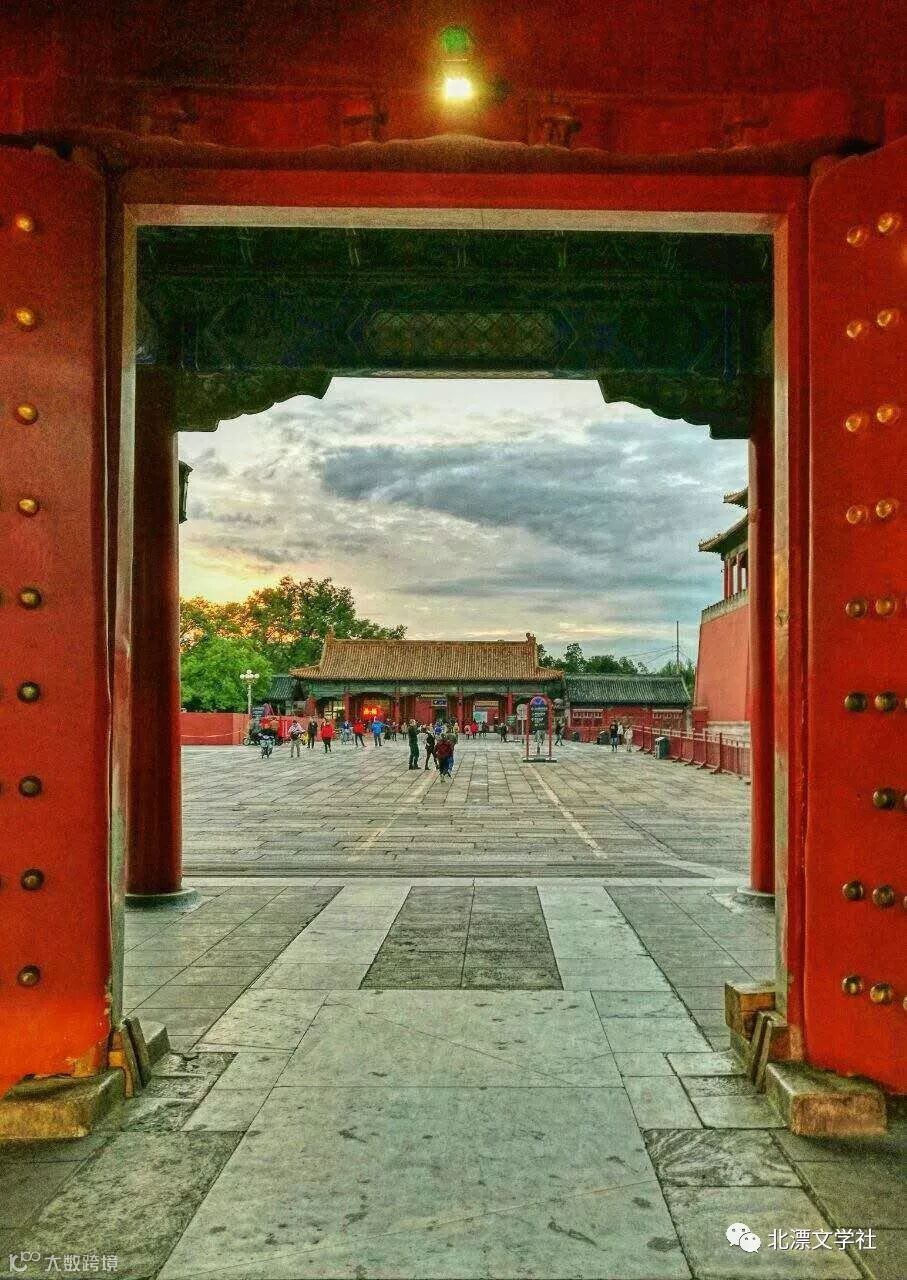
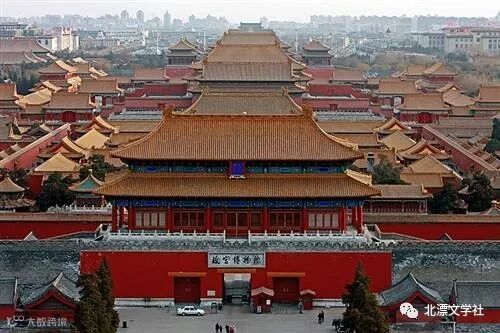
故宫又称紫禁城,是中国明、清两代的皇宫。依照中国古代星象学说,紫微垣(即北极星)位于中天,乃天帝所居,所以,皇帝住紫禁城,天人对应。
The Palace Museum, also known as the Palace Museum, was the imperial palace of the Ming and Qing dynasties of China. According to ancient Chinese astrology, he emperor’s abode, which was considered the pivot of the terrestrial world, was correlated with the Ziweiyuan( the Pole Star), where the emperor of heaven lives.
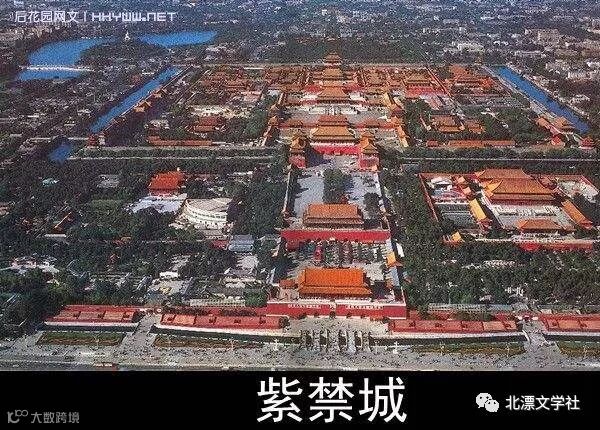
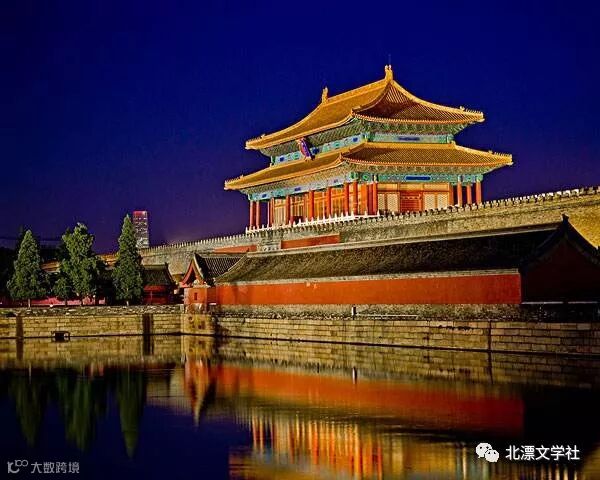
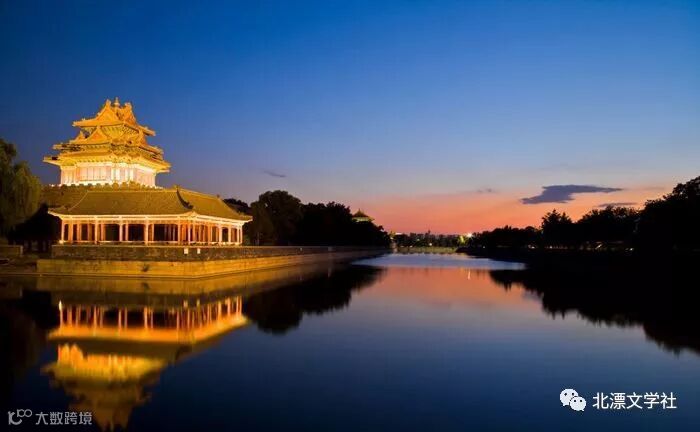
北京故宫是世界上最大的古建筑群---规模最大、保存最完整,位于北京中轴线的中心。
The Palace Museum in Beijing is the largest ancient architectural complex in the world -- the largest and best preserved. It is located in the center of the central axis of Beijing.
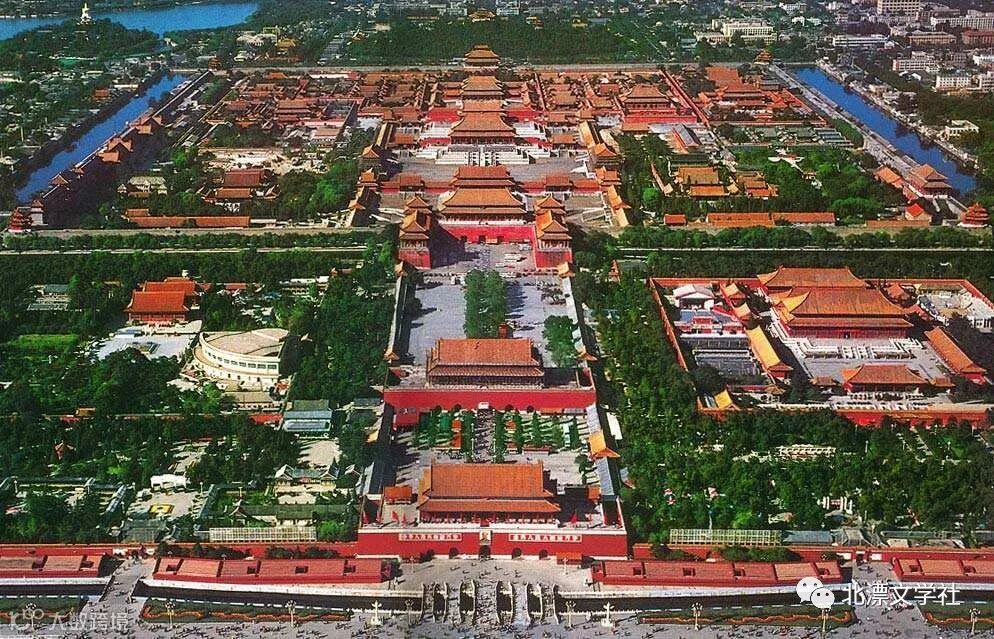
北京为五朝帝都:辽、金、元、明、清,明清时期的故宫和紫禁城是在元皇宫和元大都的地基之上建造起来的。
Beijing used to bethe capital of five dynasties: Liao, Jin, Yuan, Ming and Qing. The imperial palace and the Palace Museum during the Ming and Qing dynasties were built on the foundation of the imperial palace and the capital of the Yuan dynasty.
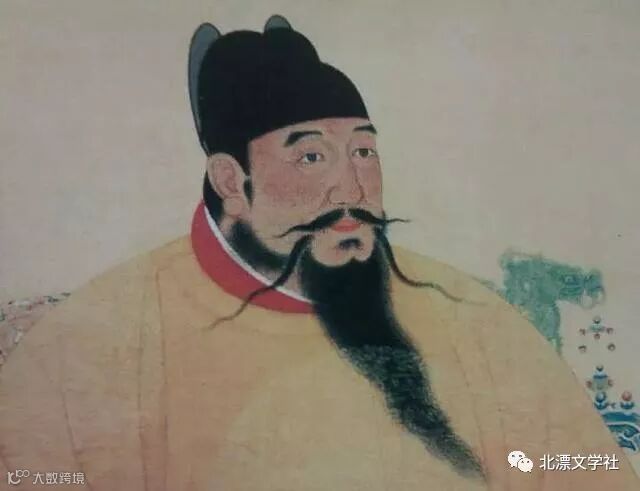
明代第三位皇帝朱棣在夺取帝位后,为了巩固统治,控制北方,震慑蒙古,决定迁都自己的封地北京。公元1406年开始,在元大都的基础上营造宫殿,到明永乐十八年,即公元1420年落成。.
After taking the throne, Zhu Di, the third emperor of the Ming dynasty, decided to move the capital to his fiefdom Beijing in order to consolidate his rule, control the north and awe Mongolia. The palace was then built on the basis of the capital of Yuan dynasty from 1406 to 1420.
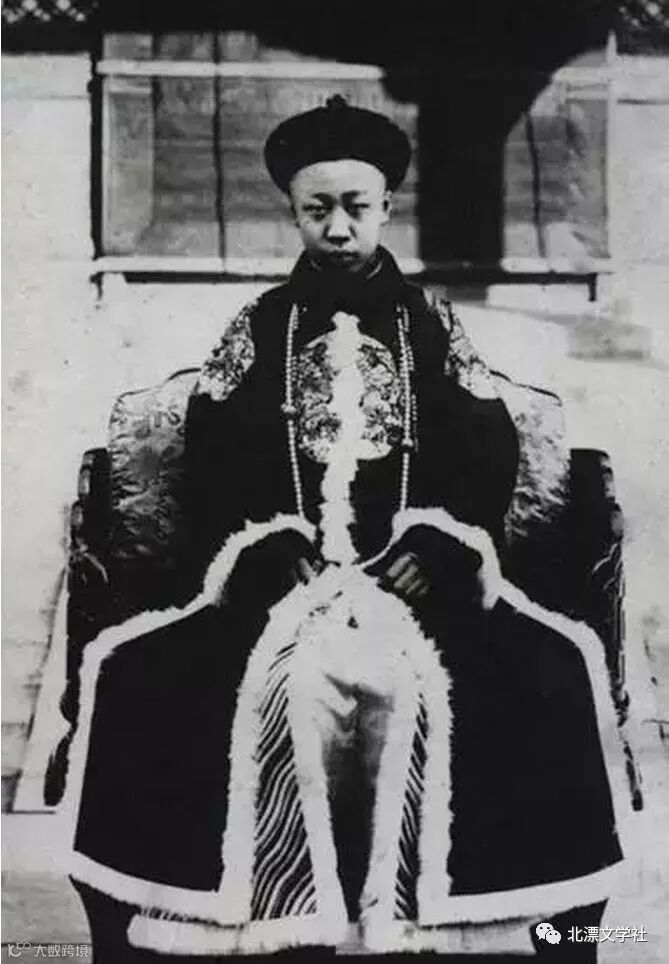
1911年,辛亥革命推翻了中国最后的封建帝制——清王朝,按常理,皇帝不应在此地居住了,但根据当时临时革命政府拟定的《清室优待条件》,逊帝溥仪仍被允许暂居宫禁,即紫禁城后部的后寝,又称内廷。1924年,清逊帝爱新觉罗•溥仪被逐出宫禁,从此,故宫不再是皇帝的专属。至此,故宫共计居住过明清24个皇帝。
In 1911, the Qing dynasty, the last feudal monarchy of China, wasoverthrown by the Xinhai Revolution (the Revolution of 1911), and according tocommon sense, the emperor should not continue to live here. However, based onthe "Preferential Treatment Conditions of the Imperial Family ofQing" provided by the provisional revolutionary government at that time,"preferential treatment conditions of the family of Qing dynasty", Puyi,the last emperor of Qing, was still allowed to temporarily residence live inthe Inner Court, the northern part of the Forbidden City the palace, namely thebedroom after the Forbidden City, also known as the imperial palace. In 1924, EmperorPuyi of the Qing dynasty was expelled from the imperial palace. Till then, thePalace Museum served as residence of a total of 24 emperors of the Ming andQing dynasties.
此后,政权交接频繁,故宫文物历经多次迁移,但总有光明磊落、胸怀未来的文物工作者精心呵护,所以,经过几代文物保护者的清理整顿,故宫及其文物的修缮保护逐步完善。
Since then, though with frequent changes ofregimes and several transfers of the collections of the Palace Museum, thecollections of the Palace Museum have always been carefully protected by thoseforward-looking and right-minded people who dedicate to takinggood care of the collections.Therefore, after unremitting efforts of several generations of theseprotectors, the repair and protections of the Palace Museum and its collectionswas gradually improved.
由于历史原因,1948到1949年,部分清宫旧藏文物被国民党政府迁往台北故宫,但北京故宫博物院通过收回溥仪私带出宫的珍品,接受民间捐赠,并参与考古发掘,故宫博物院在1949年以后更是多种渠道丰富馆藏。
Due to historical reasons, part of the old Qing’s palace treasures were moved to the Palace Museum in Taipei by the Kuomintang government from1948 to 1949, but the Palace Museum in Beijing has been retrieving and enriching its collections through a variety of channels including recovering the treasures privately taken out of the palace by Puyi, accepting private donations, and participating in archaeological excavations, especially since 1949.
到目前,文物总数达到一百八十多万件,其中珍贵文物一百六十多万件、一般文物十一万多件、标本七千多件,主要门类有档案古籍、古书画、瓷器、铜器、玉器等,涵盖几乎整个古代中国文明发展史和几乎所有文物门类。
Up to now, the total number of cultural relics has reached more than 1.8 million, including more than 1.6 million precious cultural relics, more than 110,000 general cultural relics and more than 7,000 specimens. The clock hall, treasure hall, stone drum hall, opera hall, etc., it exhibits these precious cultural relics in different categories.
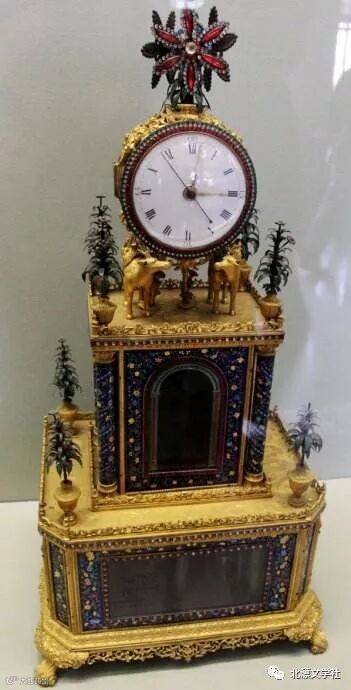
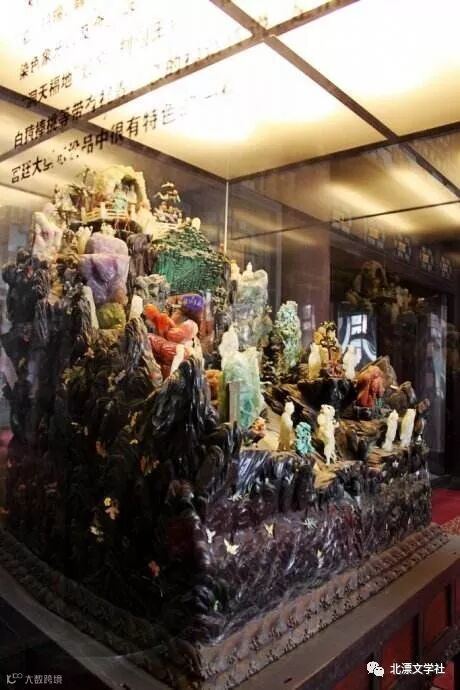
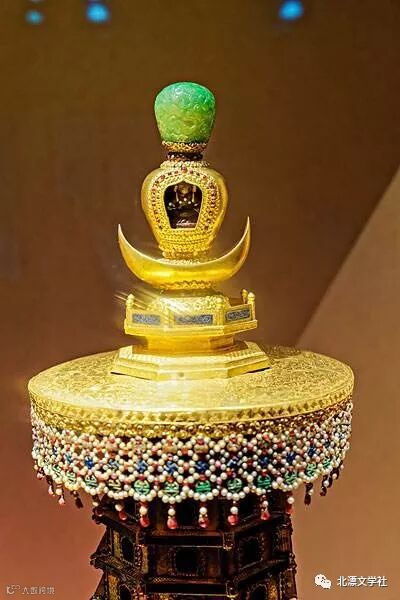
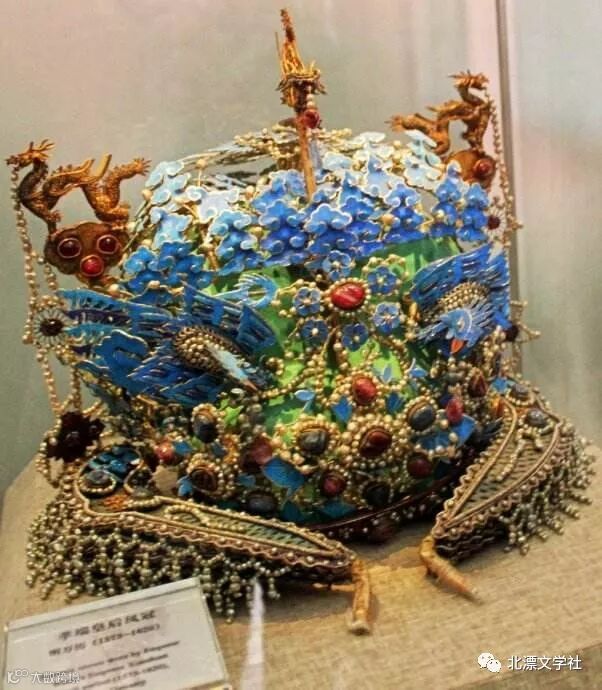
目前,故宫分别设有书画馆、瓷器馆、铜器馆、玉器馆、金银器馆、青铜器馆、钟表馆、珍宝馆、石鼓馆、戏曲馆等,分门别类地展览这些珍贵文物。
At present, the Palace Museum has a museum of calligraphy and painting, a museum of porcelain, a museum of bronze, a museum of jade, a museum of gold and silver, a museum of bronze, a museum of clocks and watches, a museum of treasures, a museum of stone drums, and a museum of operas, which exhibit these precious cultural relics in different categories.
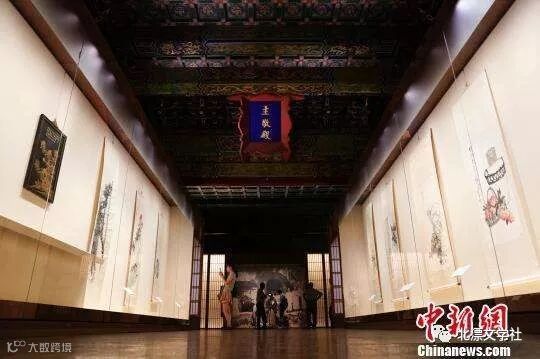
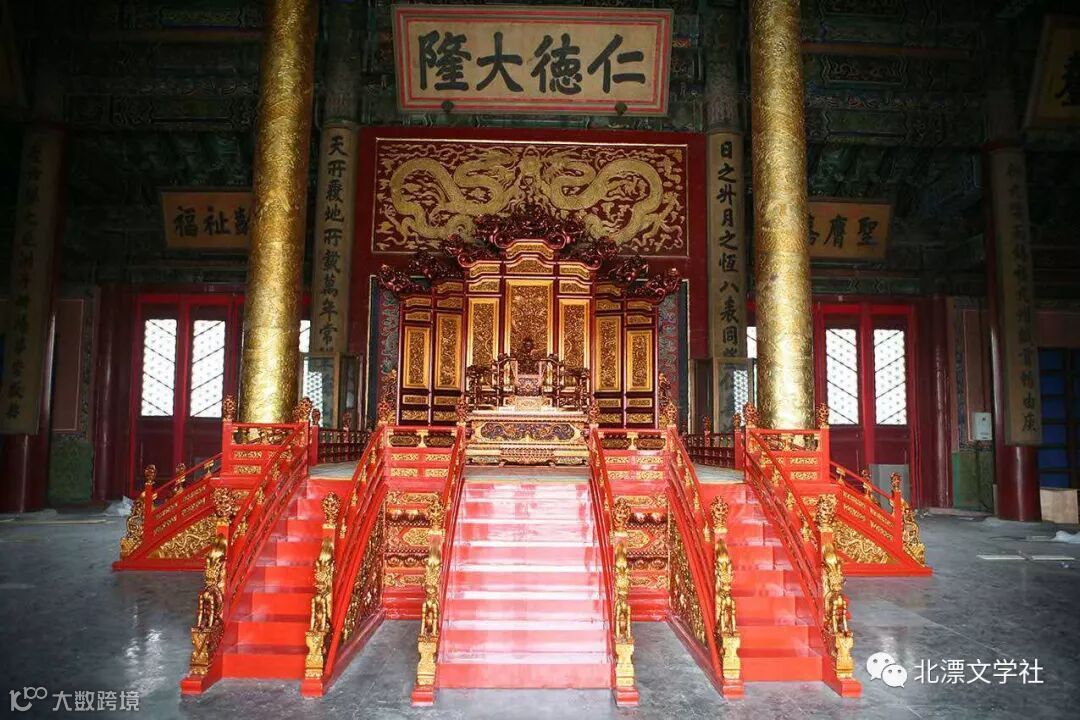
另外,为了对故宫文物捐献人的纪念,特辟捐献馆展示,并镌刻捐献人姓名于展厅中以示尊重和感谢。
In addition, in order to commemorate the donors of cultural relics of the Palace Museum, a special donation hall is separated for display and engraved donor name in the exhibition hall to show respect and gratitude.
1987年,故宫入选《世界文化遗产名录》
In 1987, the Palace Museumwas included in the world cultural heritage list.
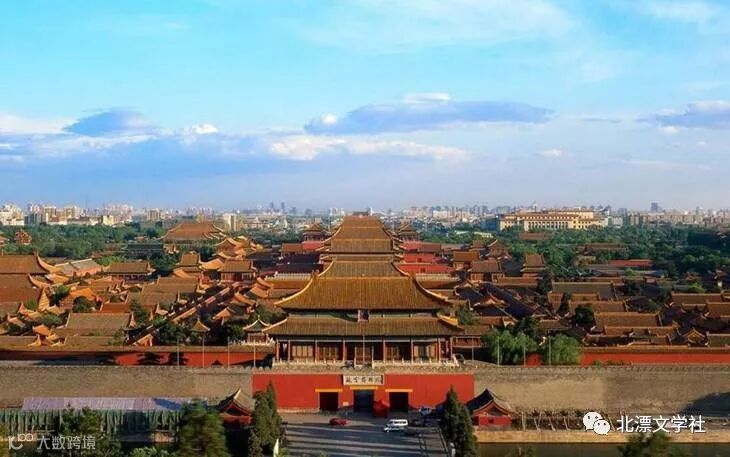
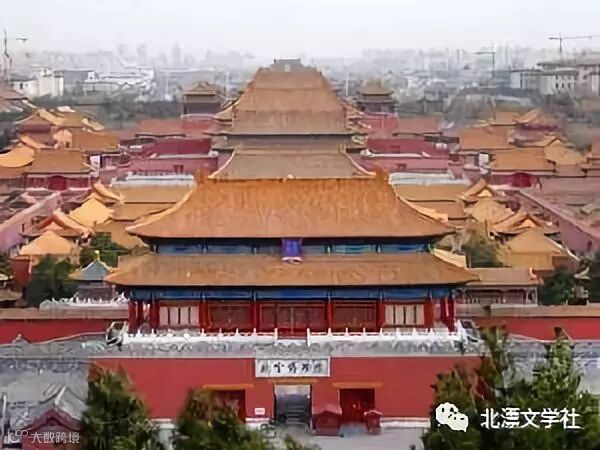
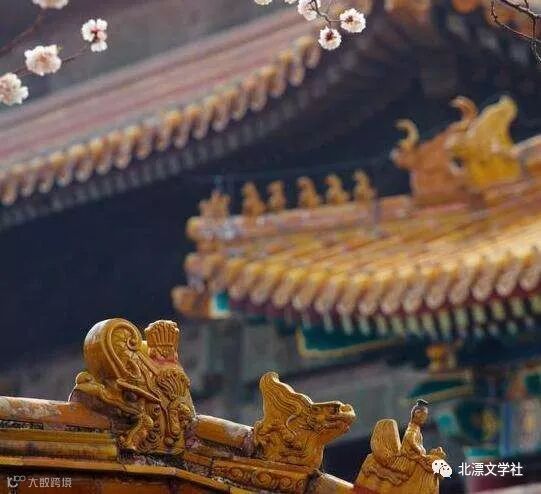
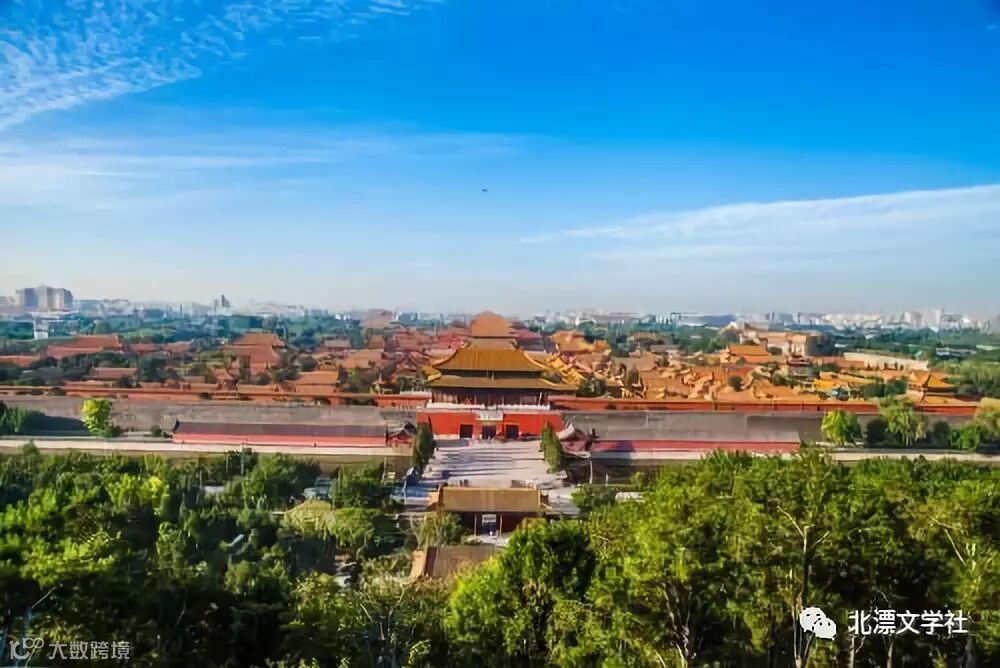
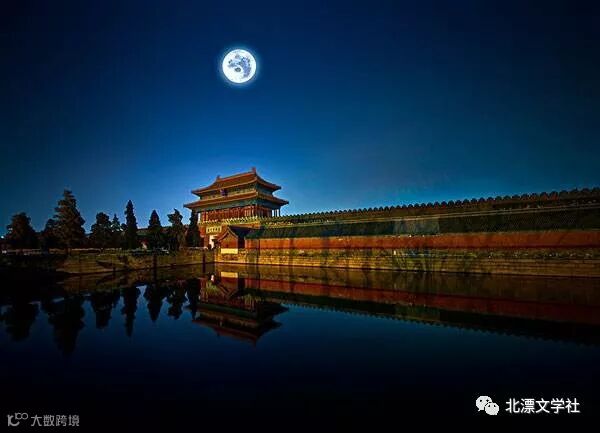
游故宫,你可以欣赏它精美的建筑风格:红墙金瓦、雕栏玉砌、描金鎏彩,在宏伟的建筑物旁,拍下自己美丽的倩影……
Visiting the Palace Museum, you will still be able to appreciate its fine architectural style, such as red walls, golden tiles, carved columns, jade bricks and stones, gilding and gilding.
游故宫,你可以参观馆藏的珍贵文物,看尽天下金翠珠玉,奇珍异宝,你会慨叹天下财富,尽聚于此;
Visiting the imperial palace, you can visit the collection of precious cultural relics, see the world gold and jade, rare treasures, you will lament the world wealth, do gather here;
游故宫,你可以赏视几朝皇帝遗留下来的三代鼎彝、远古玉器、唐宋元明之书法名画、宋元陶瓷、珐琅漆器、金银器、竹木牙角匏、金铜宗教造像以及大量的帝后妃嫔服饰、衣料和家具等等,体验天下即我家的皇帝般的感受;
Visiting the PalaceMuseum, you can have a taste of three generations of Ding Yi, ancient jade, calligraphy and painting of Tang, Song, Yuan and Ming dynasties, porcelain of Song and Yuan dynasties, enamel lacquer, gold and silver, bamboo, gourd, metal and copper religious statues, as well as a large number of clothes, materials and furniture of concubines and concubines left by several emperors.
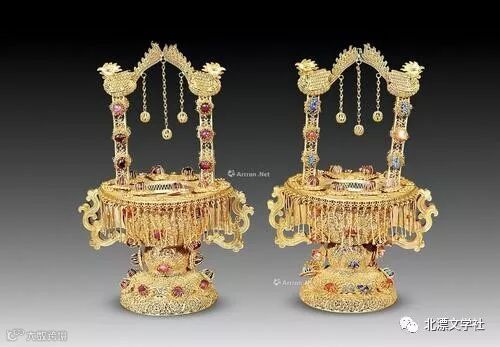
总之,故宫这个东西宽753米,南北长961米,占地面积723600余平方米的宫殿,估计你转一整天都研究不完!
Anyhow, the Palace Museum is 753-meter long from east to west, 961-meter wide from north to south, covering an area of more than 723,600 square meters, estimating you spend a whole day to appreciate!
夜幕来临,华灯初放,请移步至附近的人民大会堂,到里面去欣赏新年音乐会:每年北京新年演出系列都会在这里举办,元旦期间走进人民大会堂欣赏演出成为新北京人潜移默化的文化消费习惯。
As night falls and the lights are on, please goto the nearby great hall of the people to enjoy the New Year concert: theBeijing New Year performance series will be held here every year. During NewYear's Day, walking into the great hall of people to enjoy the performancebecomes the new Beijingers' imperceptible cultural consumption habit.

每年元旦前后,北京市演出有限责任公司都会在这里举办“北京新年音乐会”,已经连续举办了20多年。
Every year around New Year's Day, one of the companies of Beijing will hold the "Beijing New Year Concert" here, which has been held for more than 20 years.
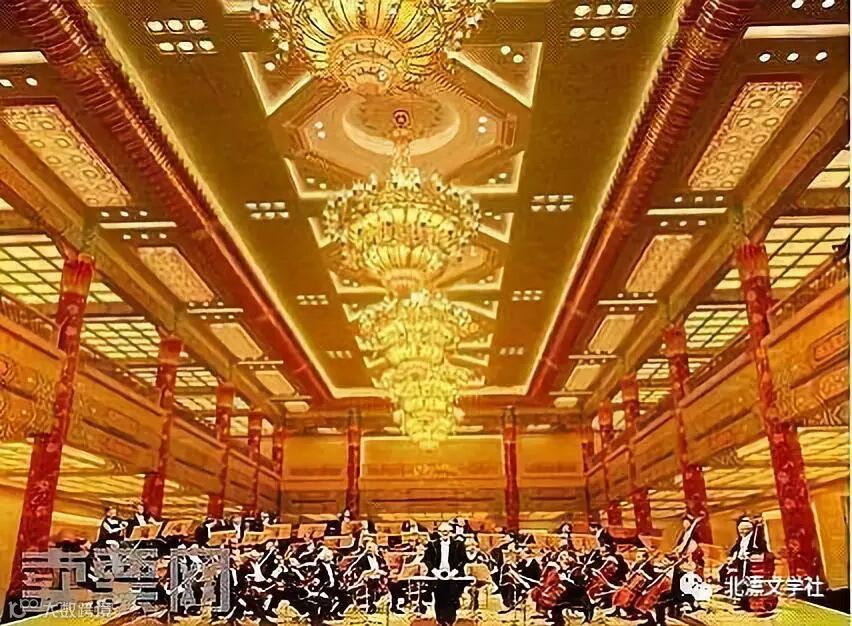
北京新年音乐会坚持“名团、名家、名曲”和“国际水准、中国气派、北京特色、节日气氛”的品牌创意理念,以固定的演出时间、固定的演出场地、固定的演出形式形成了品牌特征,已成为北京市标志性的音乐盛事和文化名片,形成了国家级重点演出品牌。
Beijing New Year concert, insisting the label of "Famous team, famous composer, famous music" and "international standards, China's air, Beijing characteristic, festival atmosphere" brand creative concept, with a fixed performance time, fixed the venue, fixed performance to form the brand characteristics, has become a trademark of Beijing music events and cultural card, which forms a national key performance brand…
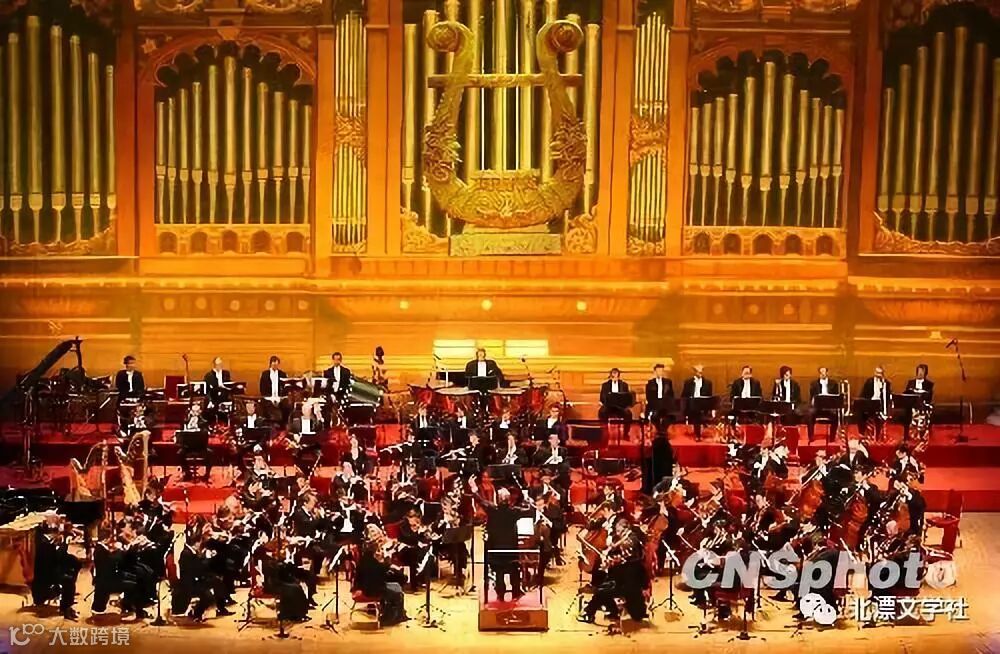
2016年,北京新年音乐会被评为北京十大文化展演项目。
In 2016, the Beijing New Year concert was rated as one of the top ten cultural performance projects in Beijing.
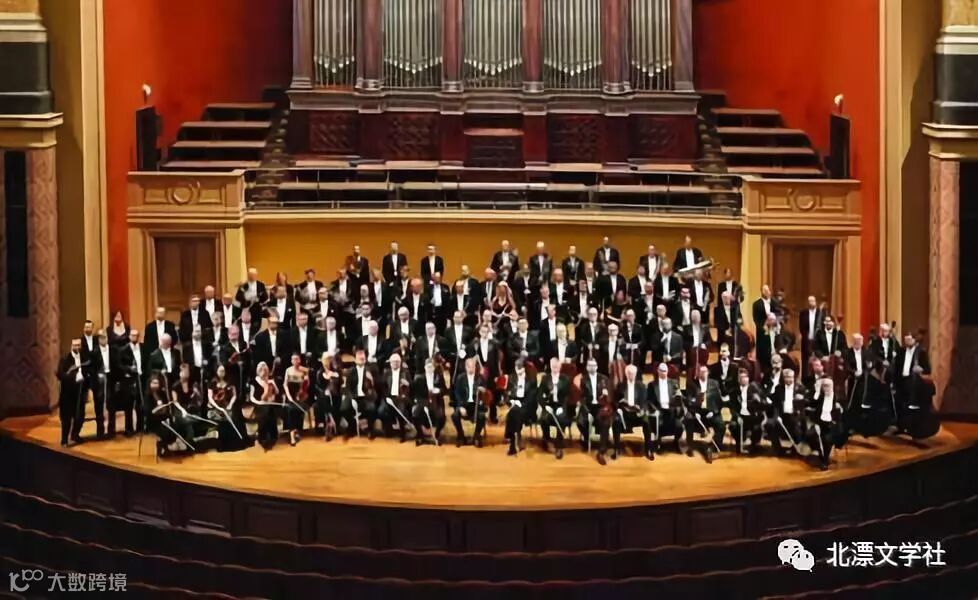
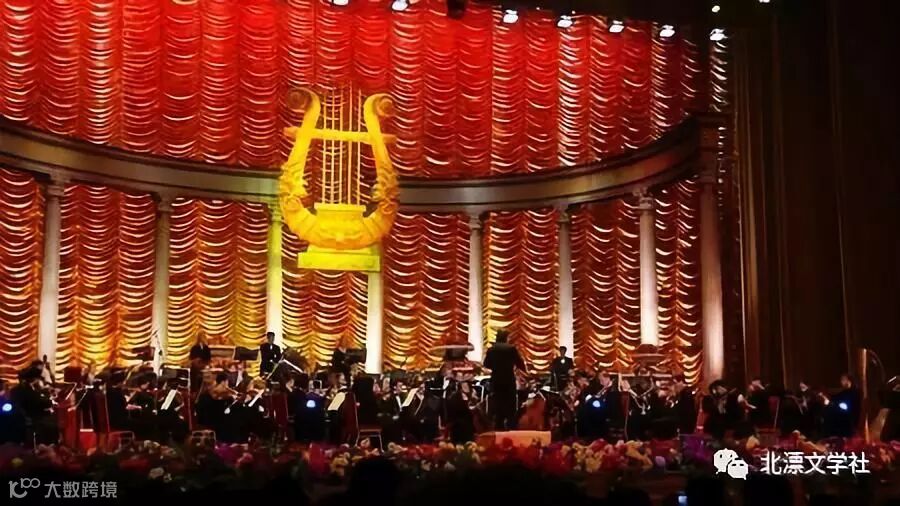
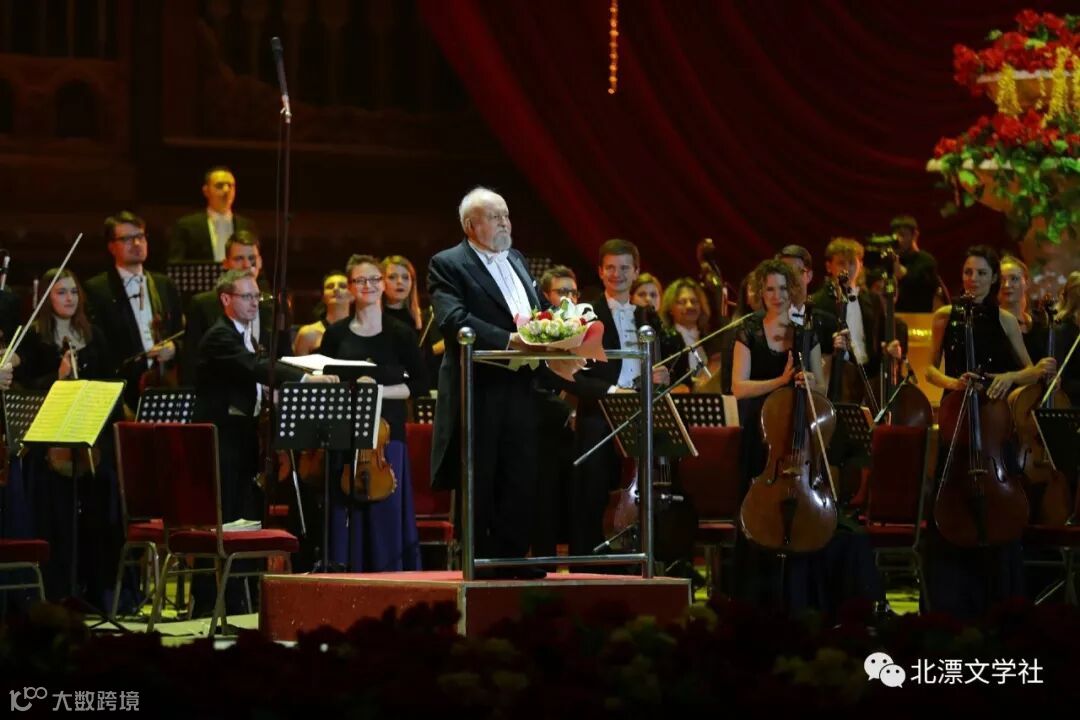
最近几年,北京新年音乐会更是融合了交响、芭蕾、京剧、国乐四种形式,强强联手、相得益彰,荟萃中西文化精髓,带给你高雅的艺术享受。
In recent years, the Beijing New Year concert is a fusion of symphony, ballet, Beijing Opera, Chinese music in four forms, strongly together, bring out the best of them in each other, the essence of Chinese and western culture, which brings you elegant artistic enjoyment.
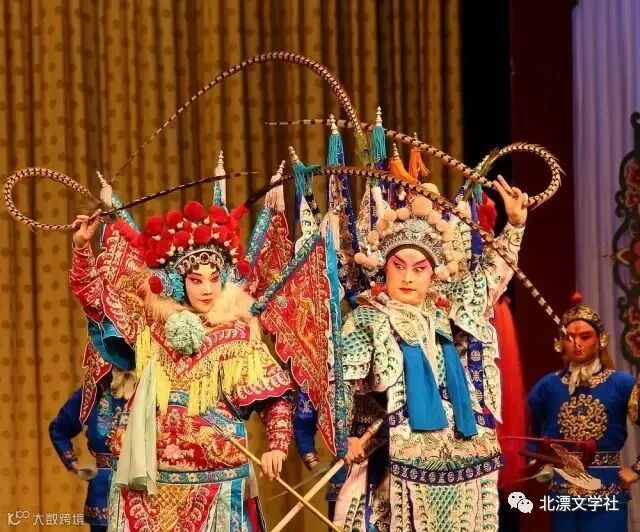
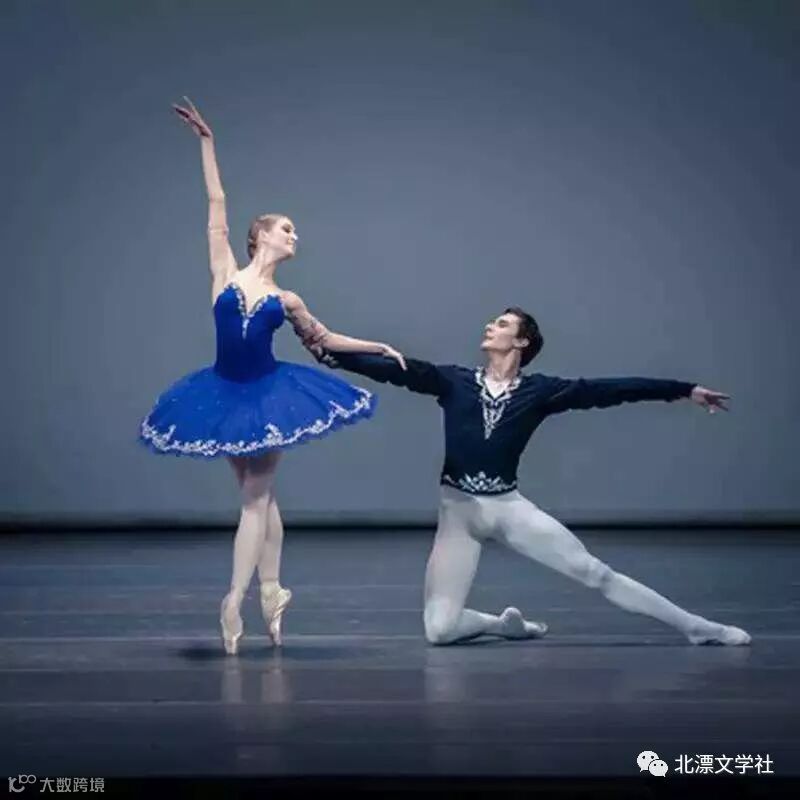
故宫一日游,你可追忆王朝背影,回味前朝往事;大会堂赏乐,你会沐浴笙歌萧舞,品味当下生活……
During the one-day tour, you can recall the dynasties back and the aftertaste of the past; enjoyingmusic in the great hall, you will alsoappreciate the life...


***中文作者简介***
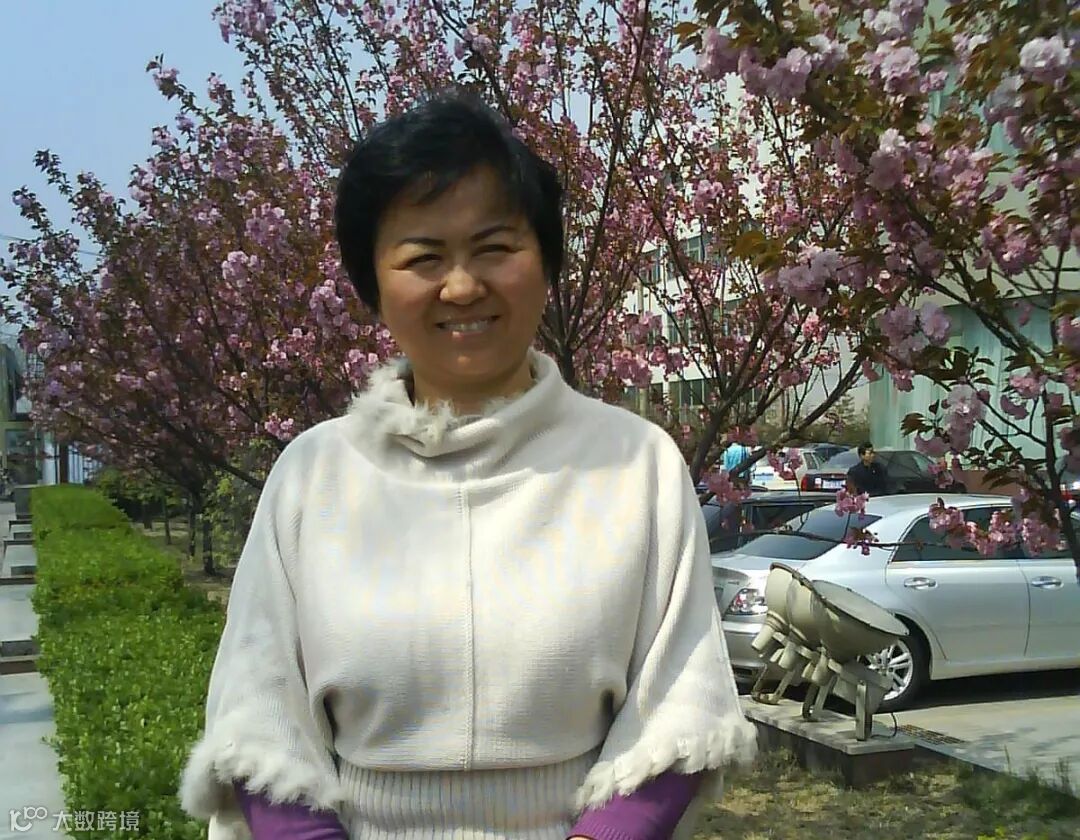
徐进,作家,编辑,生于山东兖州,文学学士,山东师范大学中文系新闻专业毕业,而后又就读于山东省委党校涉外经济管理、中国人民大学汉语言文学和山东大学经济管理学院工商管理MBA研究生班。在山东济宁电视台一线工作30年,目前为济宁电视台栏目制片人,主任编辑,已经出版《那一片青春的时空》《大记者妈妈教小记者女儿写作文》2本书,指导的学生作文多次在全国省市获奖,撰稿编导的电视作品先后50多次荣获全国、省、市级奖励,20多篇论文先后在发表在《电视研究》、《南方电视学刊》、《山东视听》、《现代视听》、《理论学习》等全国核心期刊上并获奖,在中央电视台、山东电视台、中国黄河电视台和美国斯科拉电视台刊发专题20多部,多次被评为山东电视台优秀通讯员、济宁市委宣传部、济宁广播电视局台先进工作者、济宁电视台建台25周年突出贡献奖等,名字被收入《世界华人文学艺术界名人录》、《科学中国人—中国专家人才库》等。
***英文作者简介***
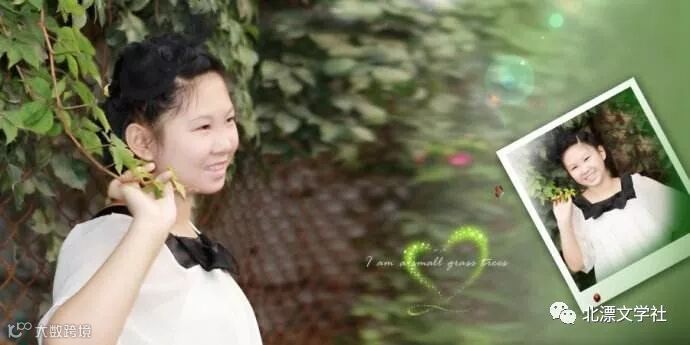
宋和煦,北京中国地质大学外国语学院学生,山东省三好学生、00后十大少年作家、叶圣陶杯全国十佳小作家、雨花杯全国十佳文学少年、文心雕龙杯全国优秀小作家、语文周报全国校园文学之星,第十届全国青少年“中华情·中国梦”活动形象大使、联合国儿童基金会儿童福利小小义务宣传员、中国散文学会会员、中国少年作家学会副主席。作品在《中学生》《杂文报》《作文周刊》《中国中学生报》《新作文》《语文周报》《疯狂作文》《雪花精彩阅读》和当地报刊发表,作品先后40多次获得全国、省、市奖,已经出版《00后九人诗选》《春风和煦花正开》《最美的遇见》《玉痕的味道》《有个铃铛爱旅行》《大记者妈妈教小记者女儿写作文》等六本书;文章被收入多部文集;个人成长事迹被《中学生》报头版头条、《年轻人》《课堂内外创新作文》《学语文之友》《疯狂作文》《七彩语文》《新作文》《初中生写作》中国少年作家网、浙江萧然校园文学网等多家媒体报道。

中文:徐进
英文:宋和煦
图片来源网络 侵删
编辑:雨下听风
喜欢我们就请:
1、关注本公众号,别让我们失联哦;
2、点击最下方点“好看”,推荐给您的朋友吧;
3、铁杆粉丝就请打赏作者吧,1元也是您的爱!