


点击“北漂文学社”关注我
1月8日
北京孔庙和国子监
Beijing Confucius Temple
and Imperial Academy
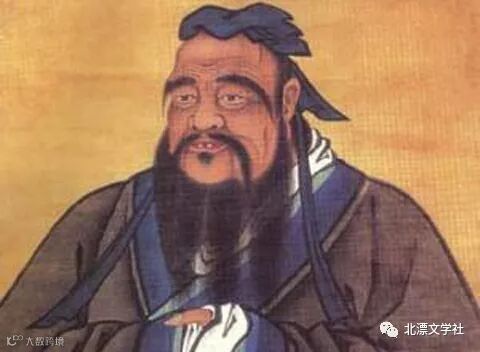
孔子出生在中国春秋战国的乱世,社会动荡,乱世中,孔子渴望和平安宁,所以,他倡导积极入世的实践精神,极具强烈的历史感、文化感、道德感。“礼义廉耻、仁爱忠孝”是儒家最主要的价值观,成为普通百姓的一种行为准则,也促成了温良忠厚、礼貌友善、勤奋负责的民族性格,自汉朝”罢黜百家,独尊儒术”受到后世封建统治者的强烈认同,已成为东方文化的代表,也深受世界人民的认可,根据不完全统计,世界上一共有两千多座孔庙,零星分布在中国、日本、越南、朝鲜、美国、印度尼西亚、新加坡等诸多国家,其中,在中国国内就有一千六百多座,最大规模的孔庙在山东曲阜。北京孔庙也极具代表性,是仅次于山东曲阜孔庙的中国第二大孔庙。
Confucius was born in the Spring and Autumn and Warring States period in China when the society was unrest. So Confucius longed for peace and tranquility and he advocated the spirit of practice of active participation in the WTO, with a strong sense of history, culture and morality. "Ritual and shameful, benevolent and loyalty" is the most important value of Confucianism which is the code of conduct for ordinary people and has also contributed to the loyalty of gentle and good, courteous and friendly, diligent and responsible national character. Since the Han Dynasty, Dong Zhongshu of Confucianism had slammed 100 schools where the only belief was Confucianism, the strong recognition of the feudal rulers of later generations has become the representative of the eastern culture and it is also recognized by the people of the world. According to incomplete statistics, there are more than 2,000 Confucius Temples in the world, being scattered in China, Japan, Vietnam, North Korea, and the United States. In Indonesia, Singapore and many other countries, there are more than 1,600, and the largest Confucius Temple is in Qufu, Shandong province. Confucius Temple of Beijing is also very representative, and it is the second largest Confucius Temple in China after Temple in Qufu.
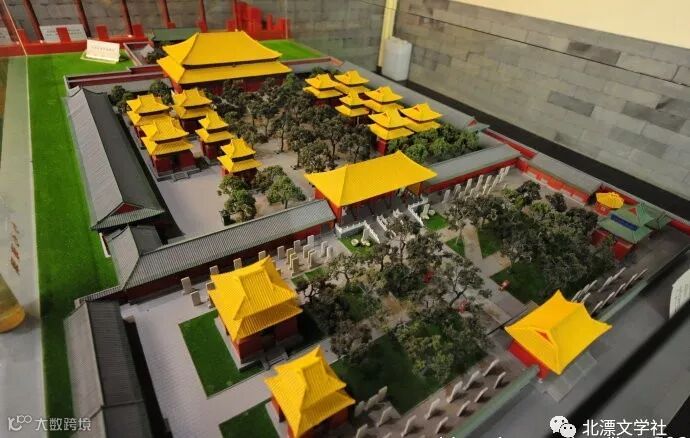
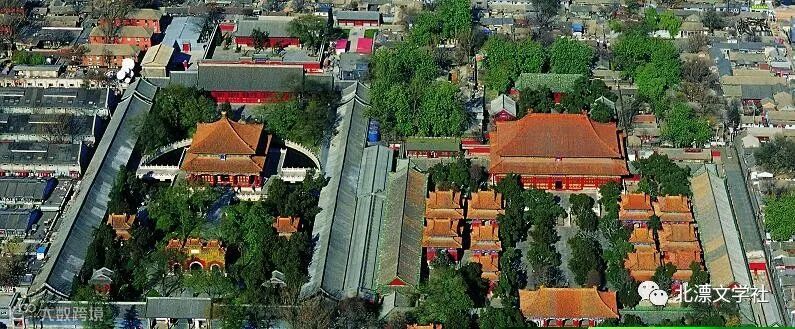
北京孔庙位于北京安定门内国子监街,始建于元大德六年(1302年),是元明清三代中央政府官方祭祀孔子的场所。孔庙门内院落共有三进,中轴线上的建筑从南向北依次为大成门、大成殿、崇圣门及崇圣祠。
Beijing Confucius Temple is located in Imperial Academy Street, Anding Gate, Beijing. It was built in the sixth year of Dade in Yuan Dynasty (1302). It is the official place of the Central Government of the Yuan, Ming and Qing Dynasties to worship Confucius. There are three entrances in the courtyard of Confucius Temple. The buildings on the central axis are Dacheng Gate, Dacheng Hall, Chongsheng Gate and Chongsheng shrine from south to north.
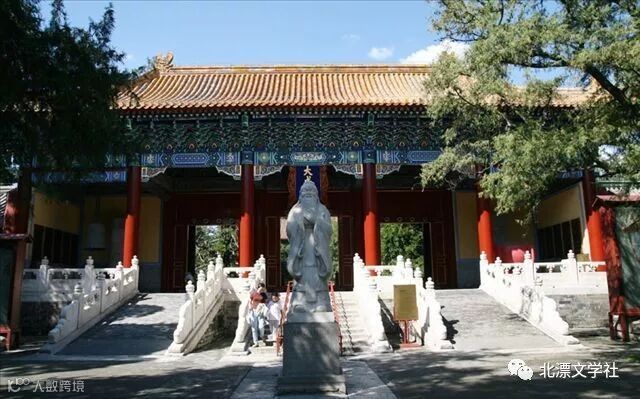
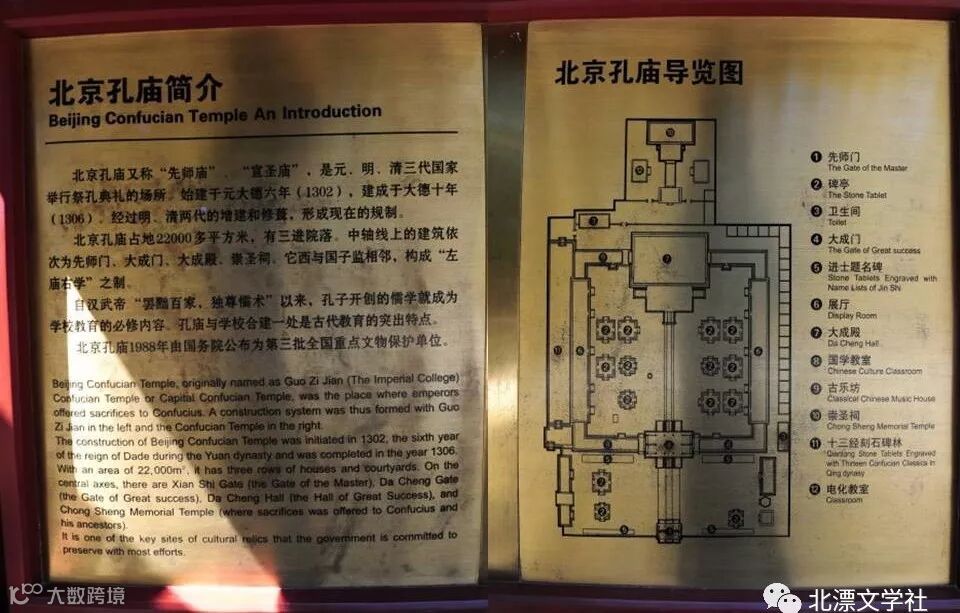
北京孔庙主体建筑都覆以黄色琉璃瓦,是封建社会的最高建筑规制。整座孔庙建筑布局科学,规模宏大,凸显皇家气派。
The main building of the Confucius Temple in Beijing is covered with yellow glazed tiles, which is the highest building regulation in the feudal society. The entire Confucius Temple has a scientific layout and a grand scale, which highlight the royal style.
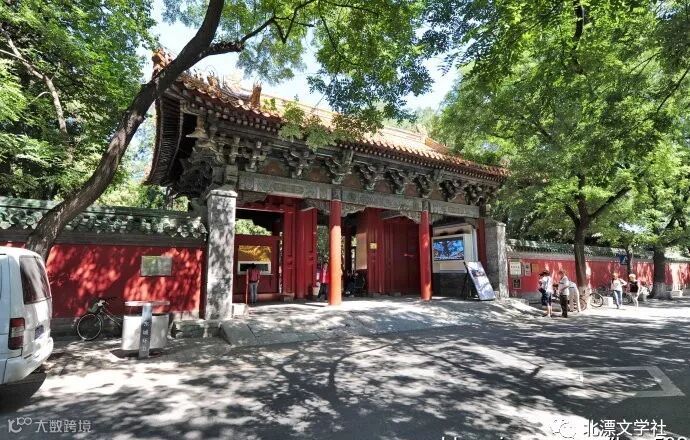
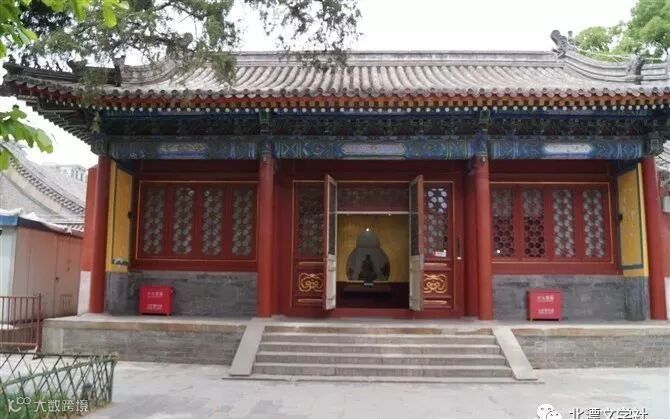
先师门又称棂星门,是孔庙的大门,面阔三间,进深七檩,单檐歇山顶,基本上保留了元代的建筑风格,先师门两侧连接庙宇的外围墙,犹如一座城门。
The first teacher's door, also known as the Xingxing Gate, is the front gate of the Confucius Temple. It has three rooms and seven balks, and the top is a mountain, which basically retains the architectural style of the Yuan Dynasty. The Xingxing Gate of the temple is connected to the outer walls of the temple like a city gate.

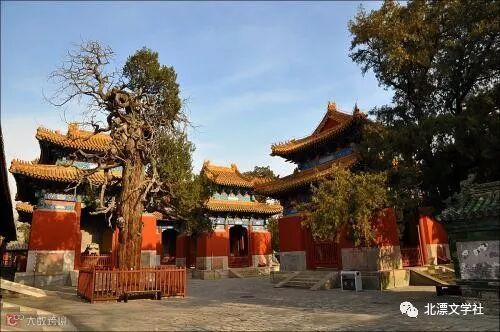
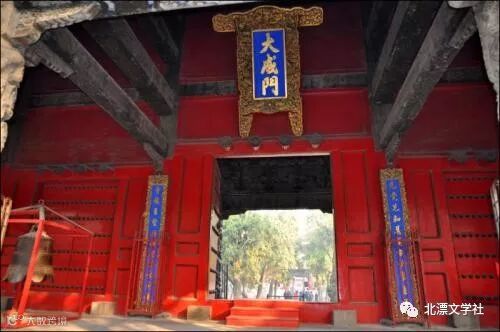
进入先师门,迎面看到的便是大成门。大成门创建于元代,清代重修,面阔五间,进深九檩,单檐歇山顶。整座建筑坐落在高大的砖石台基上,中间的御路石上高浮雕海水龙纹图样,五龙戏珠,栩栩如生。
Entering the first division door, you will see Dacheng Gate immediately. Dacheng Gate was founded in the Yuan Dynasty and was rebuilt in the Qing Dynasty. It has five rooms and nine balks. The whole building is located on a tall masonry platform. The high-relief sea dragon pattern is located on the imperial road stone in the middle, where the five lifelike dragons play the balls.
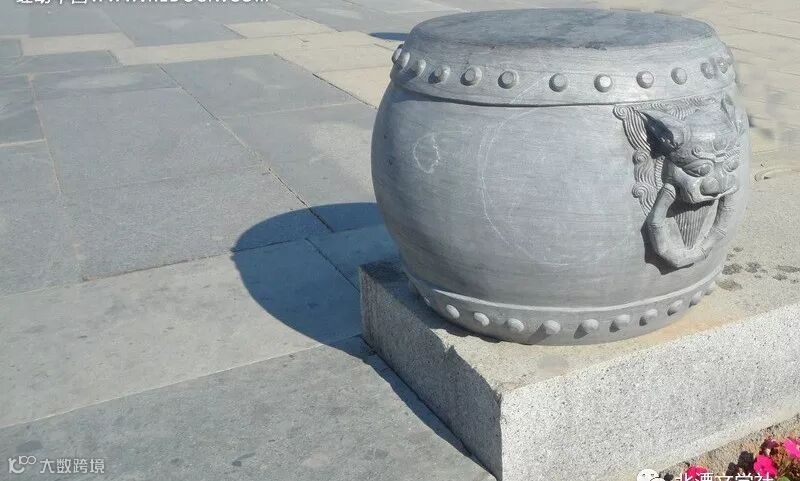
大成门前廊两侧摆放着10枚石鼓,每枚石鼓的鼓面上都篆刻一首上古游猎诗。这是清乾隆时仿公元前8世纪周宣王时代的石鼓遗物刻制的,那难辨的文字和深邃的诗意恐怕只有学识渊博的孔老夫子才能完全理解吧。
There are 10 stone drums on both sides of the front porch of Dacheng Gate, and an ancient safari poem is engraved on the drum surface of each stone drum. This was carved out by the stone drum relics of the King Zhouxuan era in the 8th century BC during the Qing Emperor Qianlong. The incomprehensible words and profound poetry may only be fully understood by the knowledgeable Confucius.
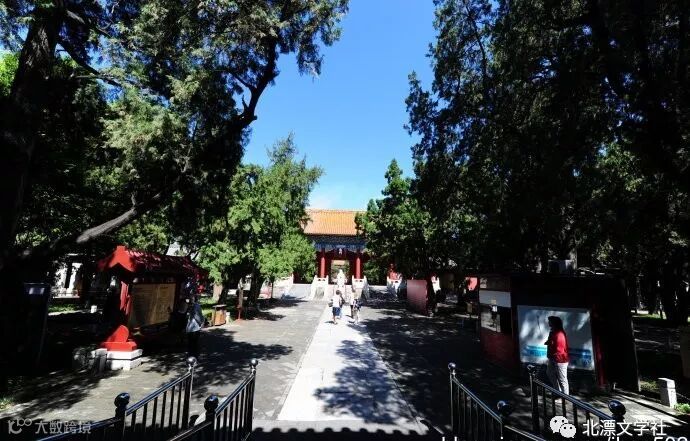
第一进院落是皇帝祭孔前筹备各项事宜的场所,其东侧设有宰牲亭、井亭、神厨,用于祭孔三牲的宰杀、清洗和烹制。两侧有神库、致斋所用于祭孔礼器的存放和供品的备制。
The first entrance to the courtyard was the place where the emperor had prepared various matters before the sacrifice of the emperor. On the east side, there were some Pavilions where could be use as killing the animals and well and mysterious kitchen for slaughtering, cleaning and cooking of animals. On both sides, there are god warehouse and houses for tools used for the storage of rituals and the preparation of supplies.
第二进院落是孔庙的中心院落,每逢祭孔大典,这里便钟鼓齐鸣,乐舞升平,仪仗威严。
The second entrance to the courtyard is the center courtyard of the Confucius Temple. Every time the memorial ceremony is held, the bells and drums are ringing, the music and dance are flat, and the majesty is majestic.
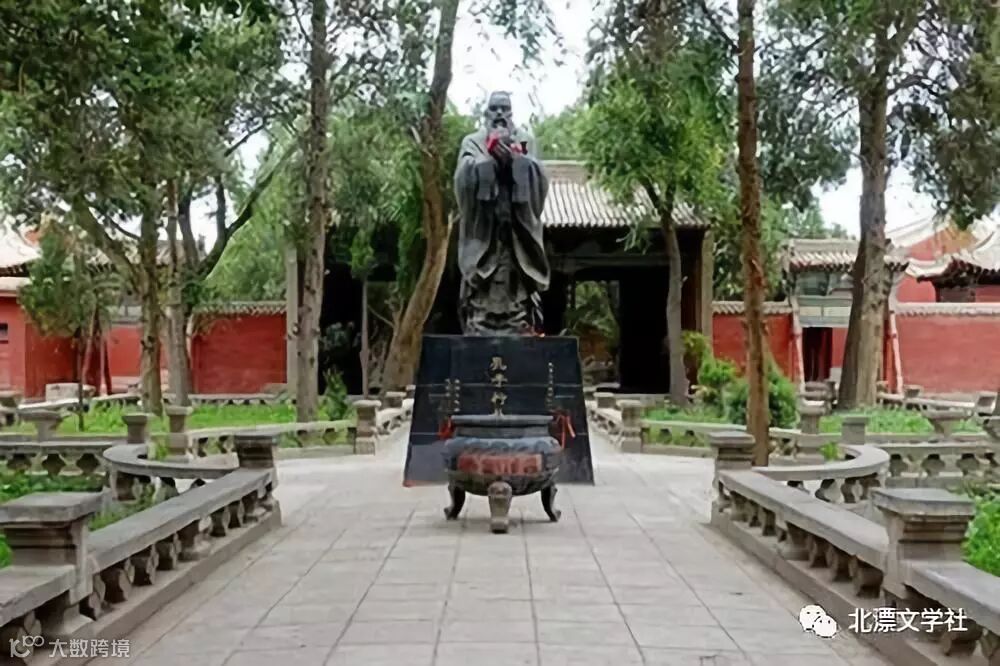
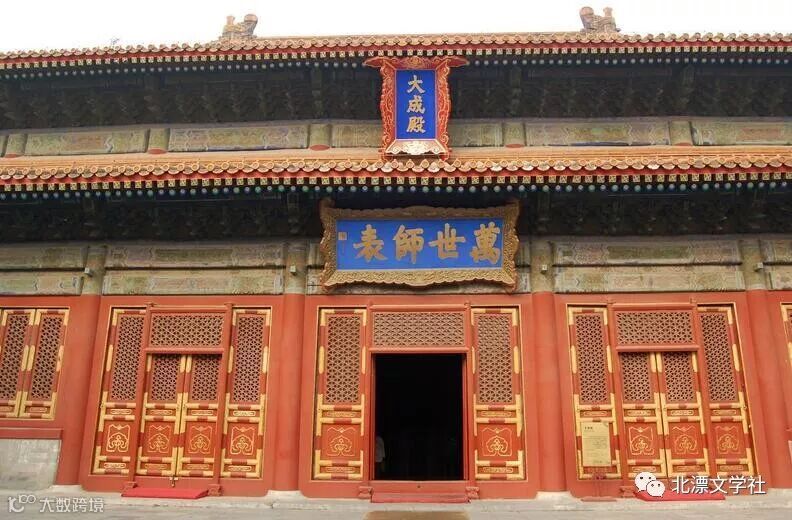
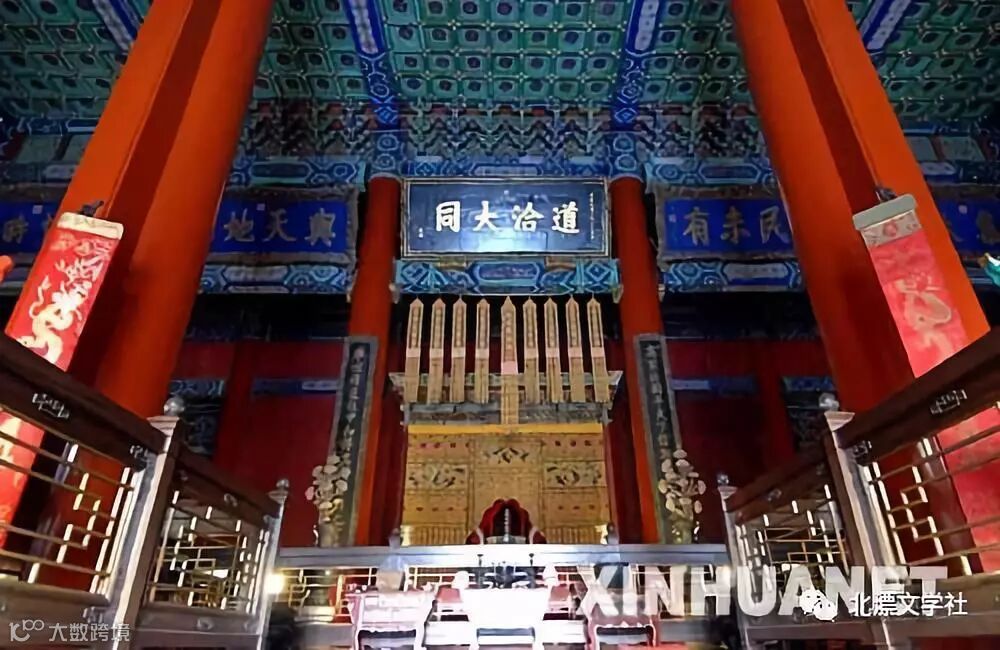
大成殿是第二进院落的主体建筑,也是整座孔庙的中心建筑,是孔庙内最神圣的殿堂。大成殿始建于1032年,后毁于战火,1411年(明永乐九年)重建,1906年(光绪三十二年)将殿由7间扩建为9间。殿内金砖铺地,内顶施团龙井口天花,其规制是我国封建社会的最高建筑等级,堪与故宫太和殿媲美。殿中供奉孔子“大成至圣文宣王”木牌位,神位两边设有配享的“四配十二哲”牌位。神位前置祭案,上设尊、爵、卣、笾、豆等祭器均为清乾隆时的御制真品。大殿内外高悬清康熙至宣统9位皇帝的御匾,均是皇帝亲书的对孔子的四字赞语,是珍贵的文物。
The Dacheng Hall is the main building for the second entrance to the courtyard. It is also the central building of the entire Confucius Temple and the most sacred temple in the Confucius Temple. Dacheng Hall was built in 1032, and was later destroyed in the war. In 1411 (Ming Yongle nine years) it got the reconstruction and in 1906 (Guangxu 32 years) it was expanded from 7 to 9 rooms. The gold bricks were paving in the temple, the inner top of the group were some smallpox like the mouth of dragon, whose regulation is the highest building level of China's feudal society, comparable to the Palace Museum Taihe Temple. The temple is dedicated to Confucius's “The Greatest King Xuan of Dacheng” wooden sign, and there are memorial tablets of "twelve philosophers" on both sides of the throne. Beside the predecessor of the gods, there are many royal masters of the Qing Emperor Qianlong. Inside and outside the main hall, the nine emperors, the Emperor Kangxi to Xuantong gave praises of four-character of Confucius, and they were precious cultural relics.
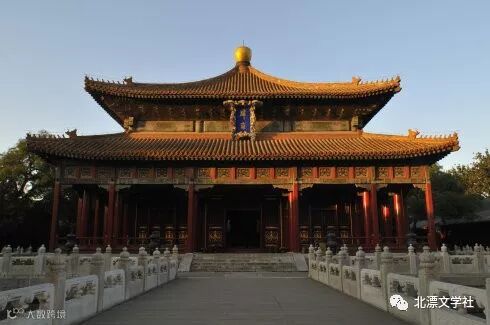
北京孔庙的第三进院落最具特色,由崇圣门、崇圣殿和东西配殿组成独立完整的院落,与前二进院落分割明显而又过渡自然,反映出古人在建筑部局上的巧妙构思。这组建筑称为崇圣祠,是祭祀孔子五代先祖的家庙。建于1530年(嘉靖九年),1737年(乾隆二年)重修,并将灰瓦顶改为绿琉璃瓦顶。崇圣殿又称五代祠,面阔五间,进深七檩,殿前建有宽大的月台,月台三面建有垂带踏步各十级。殿内供奉孔子五代先人的牌位及配享的颜回、孔伋、曾参、孟轲四位先哲之父的牌位。
The third entrance to the Confucius Temple in Beijing is the most distinctive one that is combined with the Chongsheng Gate, the Chongsheng Temple and the East-West Temple form an independent and complete courtyard. The division with the former two courtyards is distinct and transitional, reflecting the ingenious conception of the ancients in the Ministry of Construction. This group of buildings is called Chongsheng Temple and is the home of the five ancestors of Confucius. It was built in 1530 (Jiajing nine years), rebuilt in 1737 (the second year of Qianlong) when the gray tile roof was changed to green glazed tile roof. The Chongsheng Temple is also known as the shrine of five generations and has five rooms and seven balks. There is a wide platform in front of the temple and are ten steps on the three sides of the platform. In the hall, the cards of Confucius's five generations of ancestors were enshrined and the cards of the fathers of Yanhui, Kongtong, Zengshen and Menke.
东西配殿坐落在砖石台基上,面阔三间,进深五檩,单檐悬山顶,内奉程颐、程颢兄弟、张载、蔡沈、周敦颐、朱熹6位先儒之父。
The East-West Hall is located on the masonry platform. It has three rooms and five balks. It is suspended from the top of the mountain and is the father of Chengru, Chenghao, Zhangzai, Caishen, Zhou Dunyi and Zhuxi.
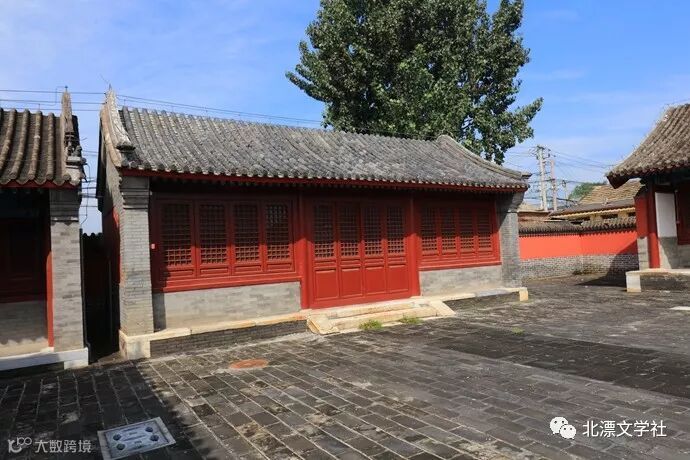
三进院落及其建筑有明确的建筑等级差别和功能区域划分,和谐统一地组成一整套皇家祭祀性建筑群落,是中国古代建筑的杰出代表。
The Sanjin Courtyard and its buildings have clear architectural grade differences and functional areas, and form a complete set of royal sacrificial buildings in a harmonious and unified manner. They are outstanding representatives of ancient Chinese architecture.
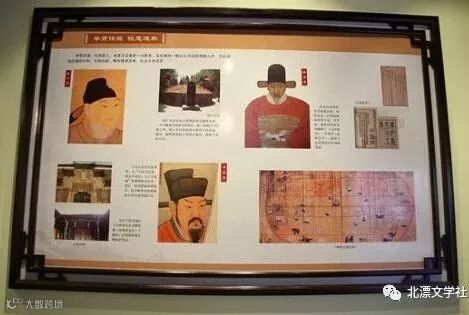
在北京孔庙的第一进院落御路两侧分四部分树立着198座高大的进士题名碑,其中元代3座、明代77座、清代118座。这些进士题名碑上刻着元、明、清三代各科进士的姓名、籍贯、名次,共计51624人。在众多的进士当中有我们熟知的一些名人如张居正,于谦、徐光启,严嵩,纪昀、刘墉及近代名人刘春霖、沈钧儒等。
In the first section of the Confucius Temple in Beijing, there are 198 tall monuments of scholars in four parts, including three in the Yuan Dynasty, 77 in the Ming Dynasty, and 118 in the Qing Dynasty. These scholars are engraved with the names, birth places and rankings of the scholars of the Yuan, Ming and Qing dynasties, with a total of 51,624 people. Among the scholars, there are some well-known celebrities such as Zhang Juzheng, Yuqian, Xu Guangqi, Yanyan, Jiwei, Liuwei and some modern celebrities like Liu Chunlin and Shen Yuru.
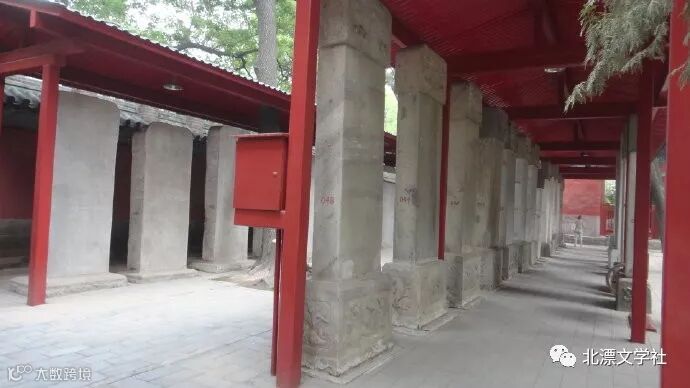
在孔庙与国子监之间的夹道内,有一处由189座高大石碑组成的碑林。石碑上篆刻着儒家经典:《周易》、《尚书》、《诗经》、《周礼》、《仪礼》、《礼记》、《春秋左传》、《春秋公羊传》、《春秋谷梁传》、《论语》、《孝经》、《孟子》、《尔雅》。这部石经的蓝本是雍正年间的江苏金坛贡生蒋衡历时12年手书而成。1791年(乾隆五十六年)下旨刻石立碑。全部石经共计63万余字,规模宏大,楷法工整,内容的准确性和刻制的精美度都优于西安的“开成石经”,而在规模上也是仅次于西安碑林的全国第二大碑林。
Inside the corridor between Confucius Temple and Imperial Academy, there is a forest of 189 tall stone tablets. The stone tablets are engraved with Confucian classics: "Book of Changes", "Book of Shang ", "Book of Songs", "Ritual of Zhou ", "Ritual of Yi", "Book of Rites", "Spring and Autumn Biography of Zuo", "Spring and Autumn Biography of Gongyang", "Spring and Autumn Biography of Guliang", The Analects of Confucius, The Book of Filial Piety, Mencius, and Erya. The blueprint of this stone scripture was made by the 12-year handwritten book of Jiangheng in Jiangsu province during the Yongzheng period. In 1791 (the fifty-six year of Qianlong), the stone was carved. All the stone scriptures have more than 630,000 words, the scale is grand, the method is neat and tidy, the accuracy of the content and the exquisiteness of the engraving are better than the Kaicheng Stones of Xi’an, and the scale is second largest monument compared with the on in Xi’an.
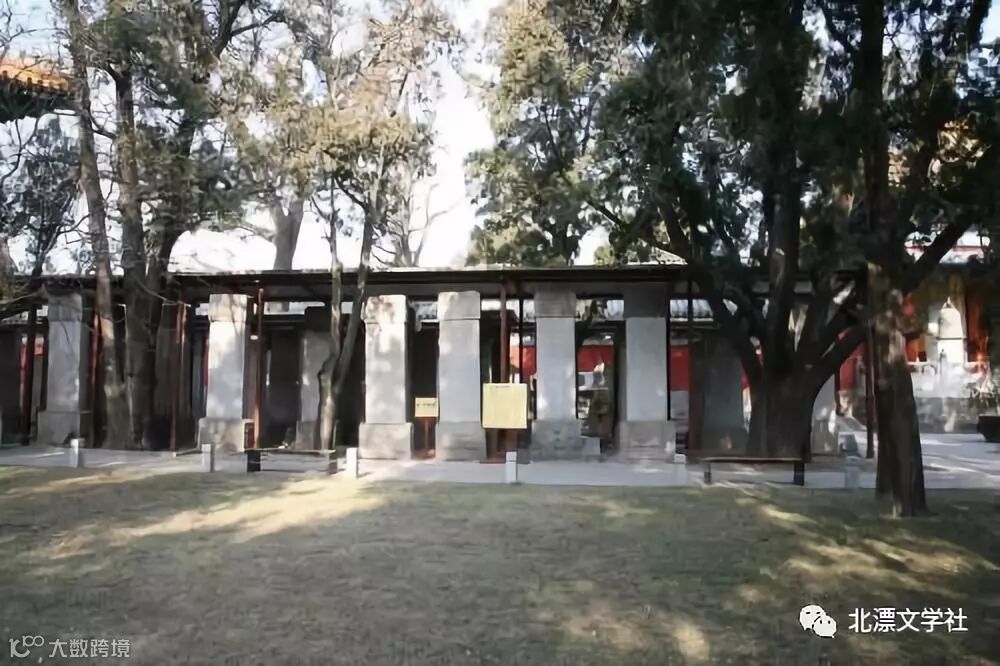
穿梭在这片时间跨度达数百年的碑林中,轻抚旧貌斑驳的碑身,仰望碑面上已模糊的字迹,不免让人慨叹“江山代有才人出,各领风骚数百年”!
In this part of the forest, which spans hundreds of years, I caress the old and mottled body and look at the blurred writings on the tablet. There are many talented people in the world and each of them will lead the trend for hundreds of years.

国子监是与北京孔庙仅一墙之隔,门前街道称为国子监街,东西两边各有两座过街牌楼,四周为传统四合院民居建筑。国子监是中国元明清三代国家设立的最高学府和教育行政管理机构,又称“太学”“国学”,它其实是中国古代设立的皇家大学,这个皇家大学始建于元代至元二十四年(公元1287年),明代永乐、正统年间曾大规模修葺和扩建,清乾隆四十八年又增建“辟雍”一组皇家建筑,形成现在的规制。
Imperial Academy is separated from Beijing Confucius Temple by a wall. The front street is called Imperial Academy Street. There are two cross-street archways on both sides of the east and west, surrounded by traditional courtyard houses. The Imperial Academy is the highest institution and educational administrative institution established by the three generations of the Yuan, Ming, and Qing Dynasties. It is also known as the "Taixue" and "National Studies". It is actually a royal university established in ancient China. This royal university was founded in the Yuan Dynasty to the Yuan Dynasty. In 1287 AD, during the Yongle and Zhengtong years of the Ming Dynasty, large-scale repairs and expansions were carried out. In the 48th year of Qing Emperor Qianlong, a group of royal buildings was built to create the current regulations.
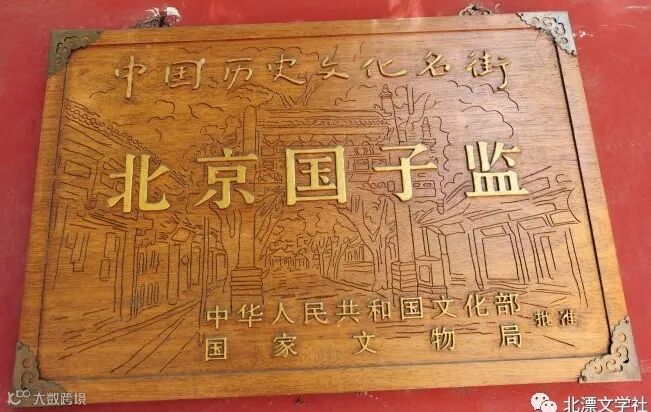
国子监整体建筑坐北朝南,为三进院落,占地面积二万七千多平方米。中轴线上依次排列着集贤门(大门)、太学门(二门)、琉璃牌坊、辟雍殿、彝伦堂、敬一亭。
The overall construction of Imperial Academy is facing south and is a three-institution courtyard, covering an area of over 27,000 square meters. On the central axis, Jixian Gate (the front gate), Taixue Gate (the second gate), glazed arches, pilgrimage halls, Yilun Hall, and Jingyi Pavilion are arranged in turn.
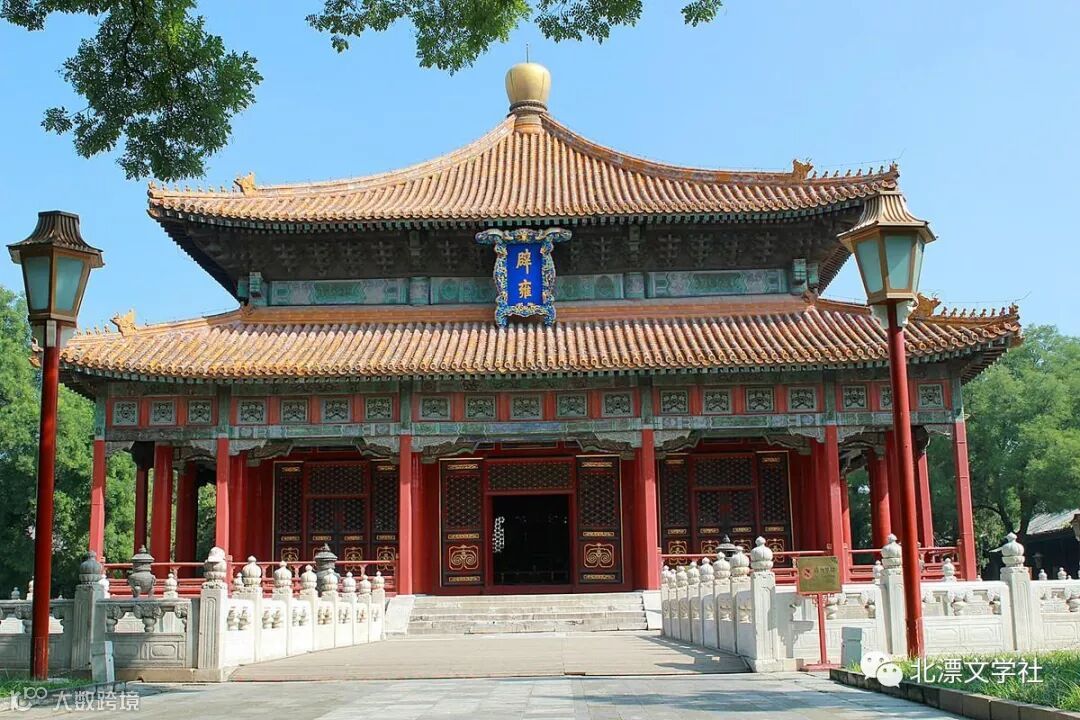
古代在国子监读书的学生称为“监生”。在中国古代,国子监不仅接纳全国各族学生,还接待外国留学生,为培养国内各民族人才,促进中外文化交流,曾起到积极的作用。
The students who studied in the Imperial Academy in ancient times were called "supervisors." In ancient China, the Imperial Academy not only accepted students from all ethnic groups in the country, but also received foreign students. It played a positive role in cultivating domestic talents and promoting cultural exchanges between China and foreign countries.
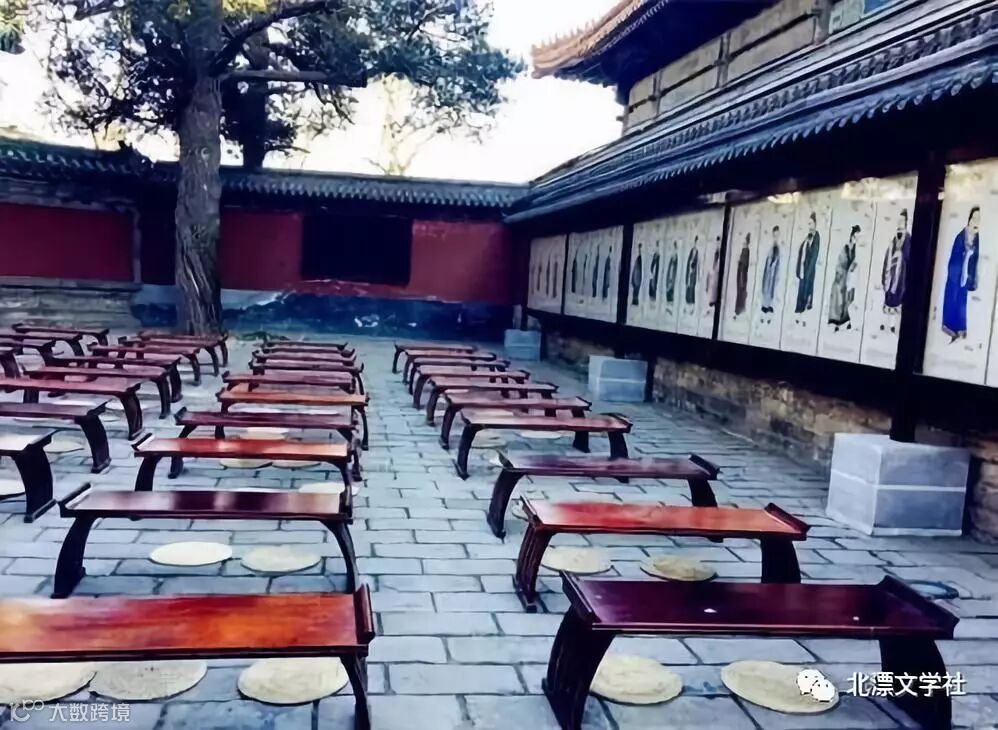
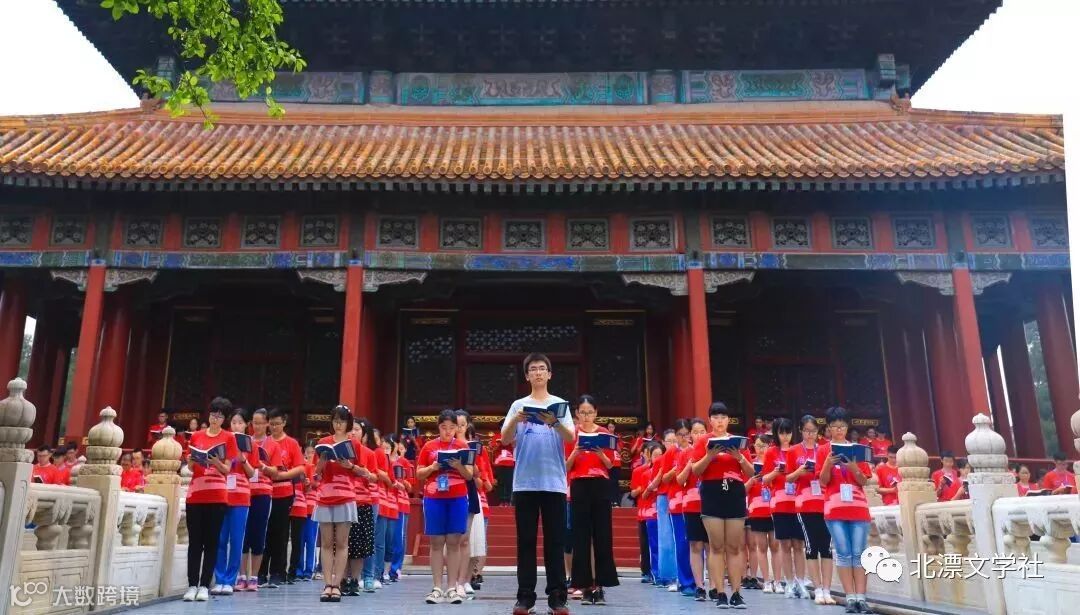
国子监主体建筑经历700多年依然保存完好,是唯一保存完整的古代最高学府校址,国子监以其悠久的历史,独特的建筑风貌,深厚的文化内涵而闻名于世。
The main building of Imperial Academy has been preserved for more than 700 years and is the only preserved ancient university campus. The Imperial Academy is famous for its long history, unique architectural style and profound cultural connotation.
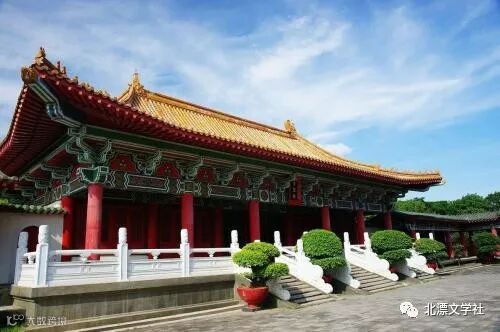
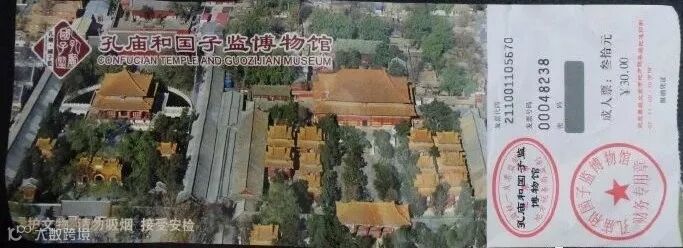
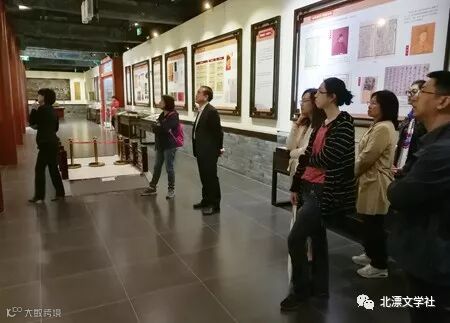
目前,北京孔庙和国子监对外合为一个博物馆,里面常设一些主题展览,如古代官德展览、中国古代科举制度展览、明清皇家祭孔文物文化展演等。
At present, Beijing Confucius Temple and Imperial Academy are combined into a museum, which has some theme exhibitions, such as the ancient official exhibition, the ancient Chinese imperial examination system exhibition, and the Ming and Qing Dynasties cultural relics as well as cultural exhibition.
一. 中英文作者简介
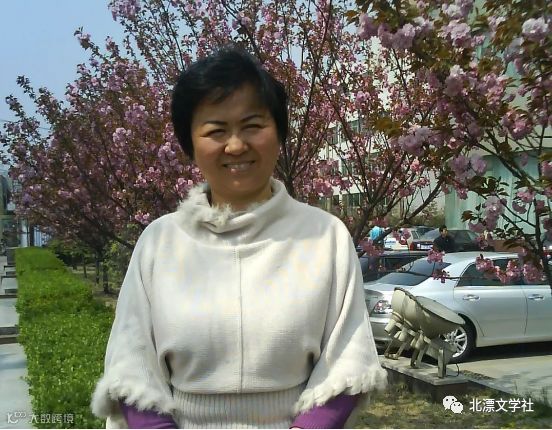
中文作者简介:徐进,作家,编辑,生于山东兖州,文学学士,山东师范大学中文系新闻专业毕业,而后又就读于山东省委党校涉外经济管理、中国人民大学汉语言文学和山东大学经济管理学院工商管理MBA研究生班。在山东济宁电视台一线工作30年,目前为济宁电视台栏目制片人,主任编辑,已经出版《那一片青春的时空》《大记者妈妈教小记者女儿写作文》2本书,指导的学生作文多次在全国省市获奖,撰稿编导的电视作品先后50多次荣获全国、省、市级奖励,20多篇论文先后在发表在《电视研究》、《南方电视学刊》、《山东视听》、《现代视听》、《理论学习》等全国核心期刊上并获奖,在中央电视台、山东电视台、中国黄河电视台和美国斯科拉电视台刊发专题20多部,多次被评为山东电视台优秀通讯员、济宁市委宣传部、济宁广播电视局台先进工作者、济宁电视台建台25周年突出贡献奖等,名字被收入《世界华人文学艺术界名人录》、《科学中国人—中国专家人才库》等。
英文作者简介:宋和煦,北京中国地质大学外国语学院学生,山东省三好学生、00后十大少年作家、叶圣陶杯全国十佳小作家、雨花杯全国十佳文学少年、文心雕龙杯全国优秀小作家、语文周报全国校园文学之星,第十届全国青少年“中华情·中国梦”活动形象大使、联合国儿童基金会儿童福利小小义务宣传员、中国散文学会会员、中国少年作家学会副主席。作品在《中学生》《杂文报》《作文周刊》《中国中学生报》《新作文》《语文周报》《疯狂作文》《雪花精彩阅读》和当地报刊发表,作品先后40多次获得全国、省、市奖,已经出版《00后九人诗选》《春风和煦花正开》《最美的遇见》《玉痕的味道》《有个铃铛爱旅行》《大记者妈妈教小记者女儿写作文》等六本书;文章被收入多部文集;个人成长事迹被《中学生》报头版头条、《年轻人》《课堂内外创新作文》《学语文之友》《疯狂作文》《七彩语文》《新作文》《初中生写作》中国少年作家网、浙江萧然校园文学网等多家媒体报道。
二. 作者往期作品
1.序 2.太庙跨年 3.大会堂赏乐 4.登天安门城楼&游前门大街 5.遨游国博 6.瞻仰毛主席纪念堂 7.中国美术馆赏画 王府井逛吃逛喝 8.天坛祈福 9.陶然赏亭
三. 扫描二维码,关注本公众号

四. 《北漂爱心社》免费公益广告宣传
敬请收看,支持公益,请打赏,谢谢!
2019.4.15更新版免费宣传广告说明 1号—蜘蛛侠承接内外墙装饰 2号—批发配送专业货架 3号—塞上手纺面 4号—江苏丰县昌平罐头厂 5号—马可波罗地板招商加盟 6号—国产珍品香兰阁化妆品 7号—绿色安全的“曹妃秸宝”柏各庄大米 8号—蚂蚁省电王节电10-30% 9号—丰县三杰休闲电动车总代理
五. 致《北漂文学社》粉丝
1、点击“在看”推荐;感谢打赏好作品!
3、投稿至2754797237@qq.com,附作者照片、简介,为原创首发;
4、打赏60%作者稿费,10%引荐费,30%平台维护;阅读达300专项奖励。
六. 表达留言表达爱