
By Rachel Wu
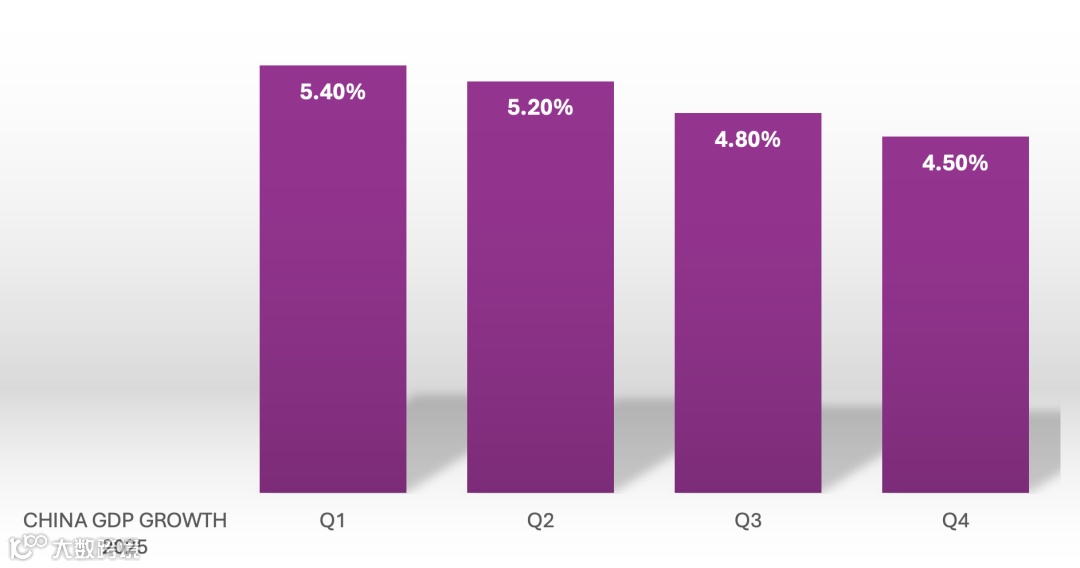
Quarterly, GDP growth eased from 5.4% (Q1) to 5.2% (Q2), 4.8% (Q3), and 4.5% (Q4), pointing to softer momentum in the latter half of the year.
What Stood Out in 2025
Rather than relying on a single engine, growth in 2025 came from a broader mix of forces.
Consumption played a larger role, accounting for more than half of overall growth, while services continued to outpace goods, reflecting a gradual shift in how people spend and how the economy is structured.
At the same time, high-tech manufacturing and digital industries gained weight, signaling continued progress in industrial upgrading and innovation capacity.
Investment and exports remained important supports, particularly as trade diversified and higher value-added products featured more prominently.
The steady expansion of green and technology-driven sectors, from digital manufacturing to new-energy vehicles, showed how innovation is becoming increasingly embedded in everyday economic activity, not just headline projects.
READ MORE: China Launches World's First 'Floating Power Station'
Taken together, the numbers point to an economy that absorbed pressure without losing direction.
Through policy support, ongoing structural adjustments, and an innovation-led shift, China delivered steady growth in 2025.
While challenges remain, the year reinforced a sense of resilience and set an optimistic, measured tone as the economy moves forward into 2026.
[Cover image via Pexels]