



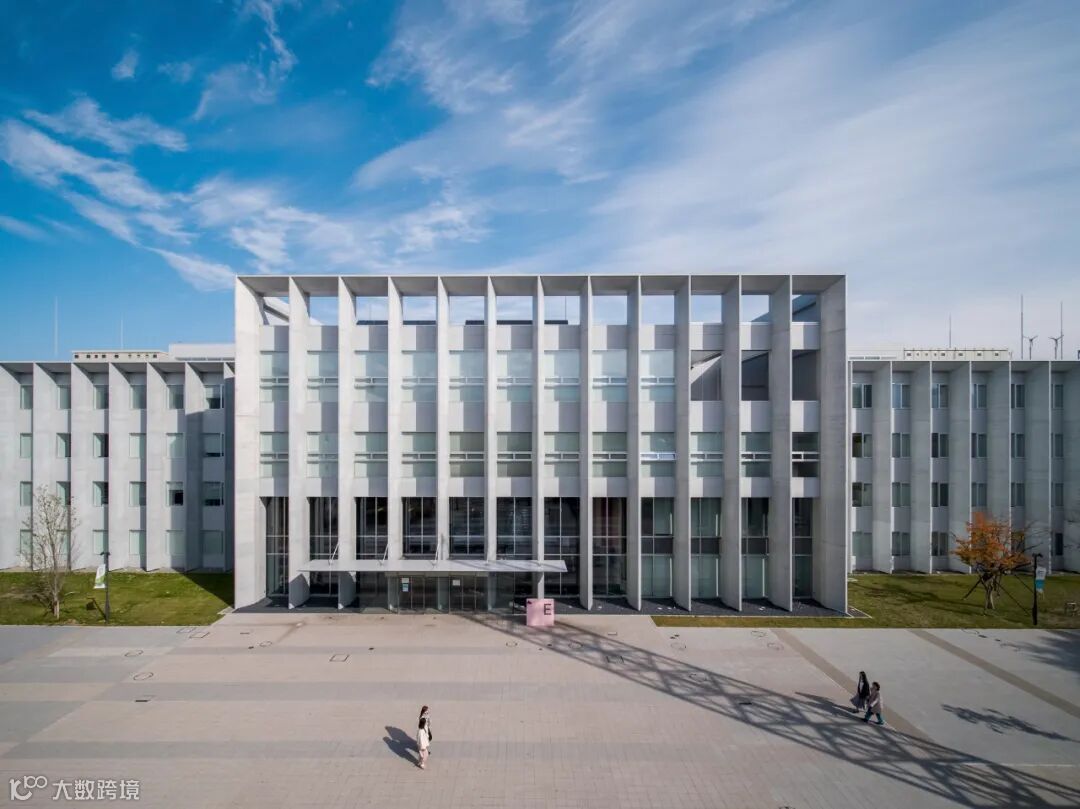
There were many goals to be achieved by Buildings D, E, and F, when they were planned as new buildings of the Faculty of Engineering, Hokkaido University of Science.


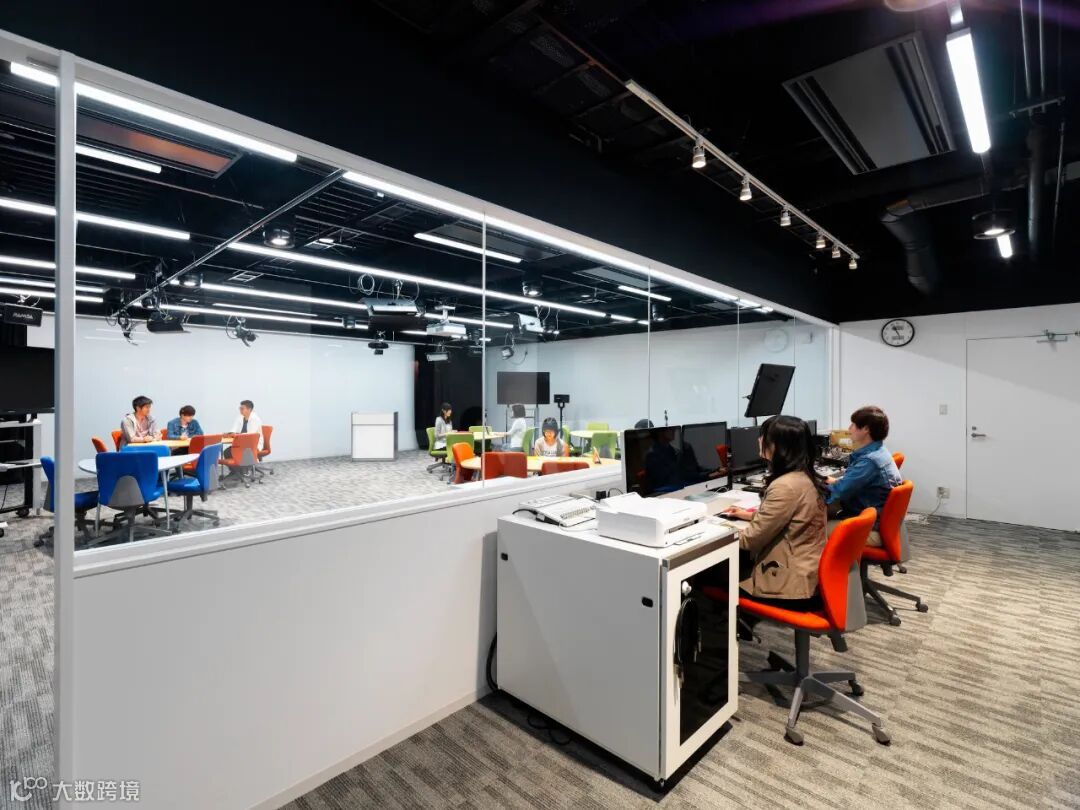
It should be possible to construct them in phases under the rolling design concept and to extend them in the future. They should be reconfigurable and renewable so as to meet changing research needs. They should be capable of being constructed in a short period of time while avoiding long snowbound periods in the snowy region.

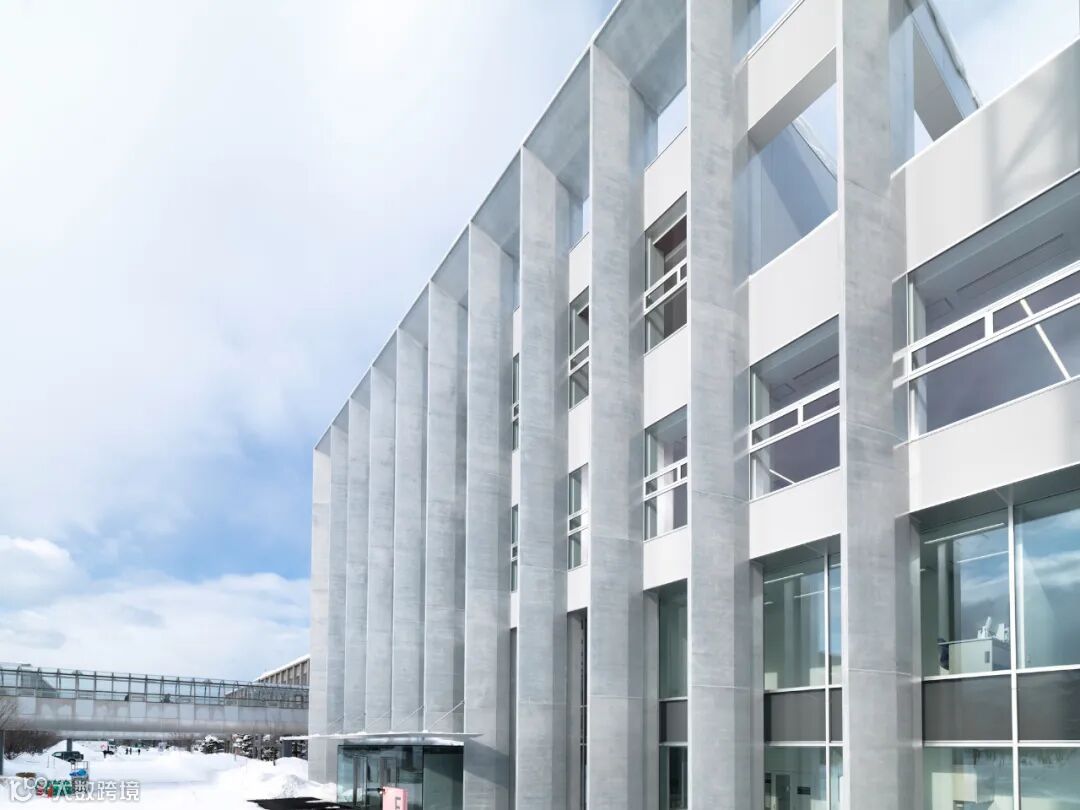
To achieve these goals, a chain of common-use zone plates equipped with a concentration of amenities, circulation elements, and infrastructure was laid out in the longitudinal direction of the plan. This system aimed to enable future longitudinal extension along the axis of those extensible plates. The extensible system concept using the common-use zone plates was implemented, and the buildings, as can be seen today, were constructed in three stages in the order of Building E (center), Building F (east), and Building D (west).


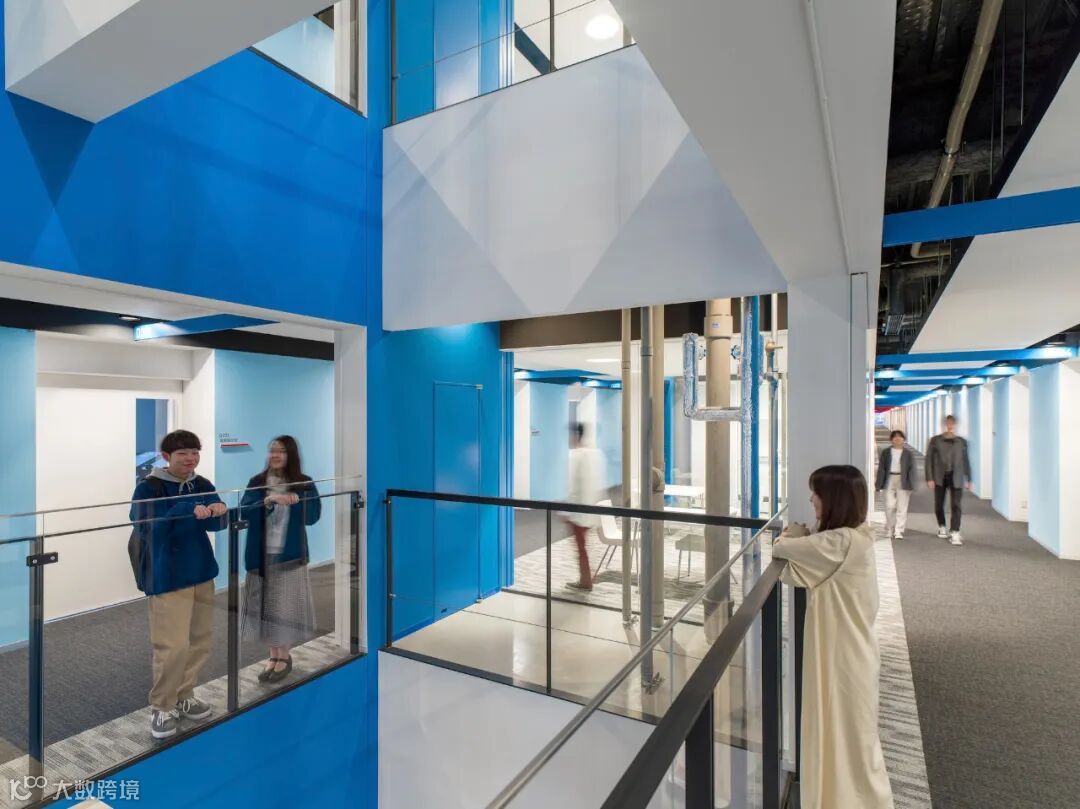
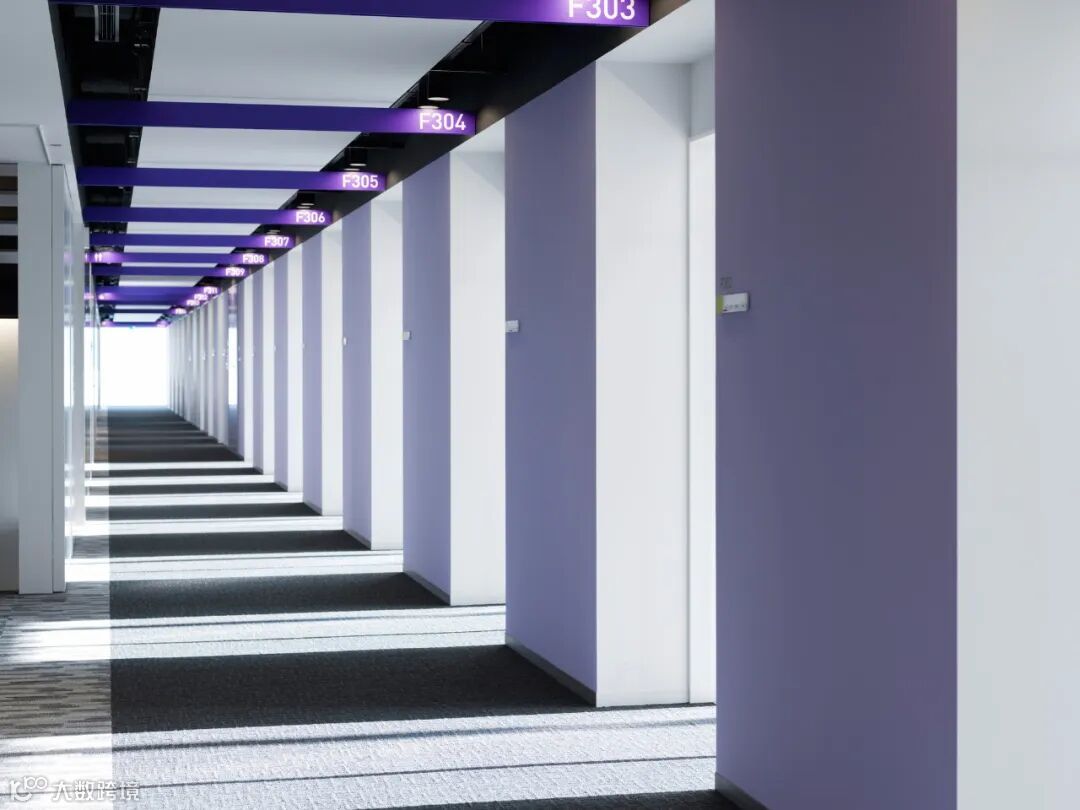
In building and equipment planning, the characteristic system of iteration, seen from the exterior appearance, was intended to impart versatile extensibility and reconfigurability to the internal space formed by 3-meter modules. The module is designed to serve not only as a structural unit but also as a unit for lighting and air-conditioning installations, so the space formed by the module connection can be changed easily.


At the construction planning stage, the 3-meter unit concept was applied to industrialization and standardization to reduce labor requirements and avoid the need for construction work during snowbound periods. Prefabricated members were assembled at the construction site by repeating the same procedures to achieve constructibility goals, such as high-quality construction and scaffold-less work, while at the same time taking advantage of economies of scale.
Thus, Buildings D, E, and F of the Hokkaido University of Science showcase the process of developing an extensible and reconfigurable system. The goal of their design was to explore a building design that meets essential needs without pursuing external architectural factors that are now dominant, such as sociality and locality. In some cases, the history of a building determines its design, and consequently, the building so designed shows its inherent order and beauty.


手绘图
项目信息
建筑师:TAISEI DESIGN Planners Architects & Engineers
地点:日本
面积:16490 m²
年份:2021

本资料声明:
1.本文为建筑设计技术分析,仅供欣赏学习。
2.本资料为要约邀请,不视为要约,所有政府、政策信息均来源于官方披露信息,具体以实物、政府主管部门批准文件及买卖双方签订的商品房买卖合同约定为准。如有变化恕不另行通知。
3.因编辑需要,文字和图片无必然联系,仅供读者参考;

微信公众号“搜建筑”(ID:sjz9999)
合作、宣传、投稿
联系微信:soujianzhu006