BIAD

项目规划用地面积为107,071平方米,总建筑面积为110,916平方米,地上7层,地下2层(局部地下3层),建筑高度57米。设计团队尝试以文化脉络为线索、以市民生活为导向、以剧场设计为契机,重塑城市空间的在地性与亲和性。
The site area of the project is 107,071㎡, with a total building area of 110,916㎡. It consists of 7 floors above ground and 2 underground floors (3 underground floors in certain points), with a building height is 57m. The BIAD team aims to reconstruct the locality and the affinity of urban spaces by using cultural context as a guidance, citizen life as a focus, and theatrical design as an opportunity.

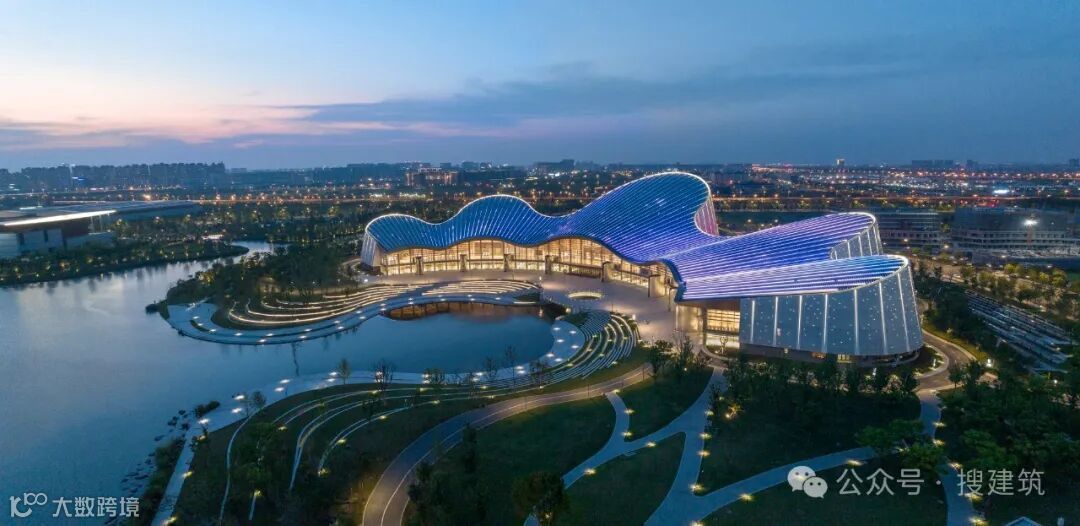
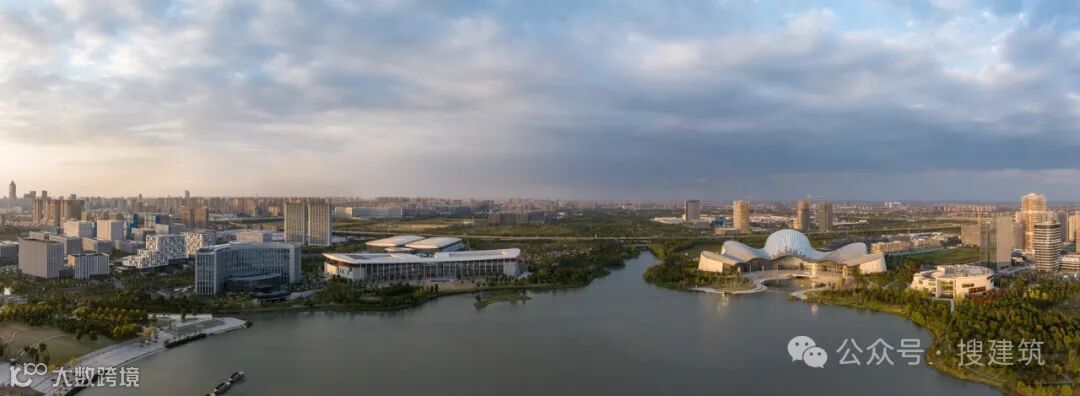
南通古称“通州”,以其“地据江海之会,通达吴越之路”而得名。是连接吴越地区的重要交通枢纽。南通大剧院周围的水体和城市边界空间是南通地理和历史意义的缩影。剧院位于南通市崇川区紫浪湖东北岸。南接南通美术馆,西接南通国际会展中心,构成南通中央创新区文化会展区。南通中央创新区三大公共建筑的组合在紫琅湖畔打造了一片对市民开放的公共空间。这是对水域与城市边界的消隐,是对城市空间组织形式的再定义,更是这个区域在地性与亲和性特征的基本姿态和自我定位。
Nantong, formerly known as "Tongzhou," derives its name from its strategic location at the confluence of the Yangtze River and the East China Sea, making it a key transportation hub that connects the regions of Wu and Yue. The water body and urban boundary space surrounding Nantong Grand Theatre serve as a microcosm of the city's geographic and historical significance. The theatre is located on the northeast bank of Zilang Lake in Chongchuan District, Nantong. Along with Nantong Art Museum to the south and Nantong International Convention & Exhibition Center to the west, it forms the cultural and MICE area of Nantong Central Innovation Zone. The combination of the three major public buildings in Nantong Central Innovation Zone serves to obscure the boundaries between the water and the city, redefining the urban spatial organization. An open space to the public in this area represents the fundamental stance and self-positioning of the region in terms of the locality and affinity.


从湖边望去,舒展起伏的屋面在湖岸边飘扬,在水域与城市的交汇处塑造出一个优雅的建筑形体。洁白、连续的屋顶宛若祥云,使得建筑体量更加轻盈。舒展的建筑形体不断吸引着人们靠近,这幅“琴山珠水”的秀美画卷徐徐展现在紫琅湖畔。湖面一侧,大剧院以开敞的玻璃幕墙拥抱紫琅湖景;沿城市道路一侧,渐变孔径的穿孔铝板使得建筑形体更加完整。两种不同主题的立面是对于两侧环境的解读和延续,更是建筑重塑水域与城市边界的重要方式。
From the lakeside, the undulating roof floats along the shore, shaping an elegant form, at the intersection of water and city. The pristine, continuous roof resembles auspicious clouds, lending a sense of lightness to the building's structure. The smooth architecture continuously draws people closer, as this astonishing "Qin Mountain and Pearl Water" landscape slowly unfolds by the shore of Zilang Lake. On the lakeside, the theatre is opened to the dramatic view of Zilang Lake with glass curtain wall; on the cityside, perforated aluminum panels with varying apertures enhance the cohesion of building. The two distinct facades are the interpretation and extension of the surrounding environment, marking the first step in the building's redefinition of the boundary between the water and the city.
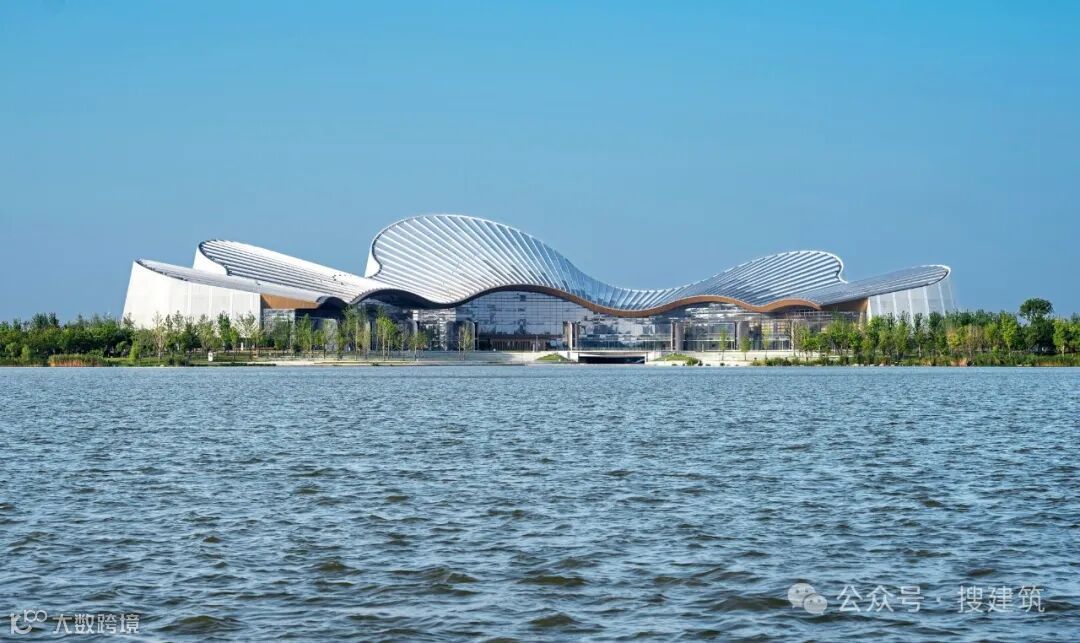
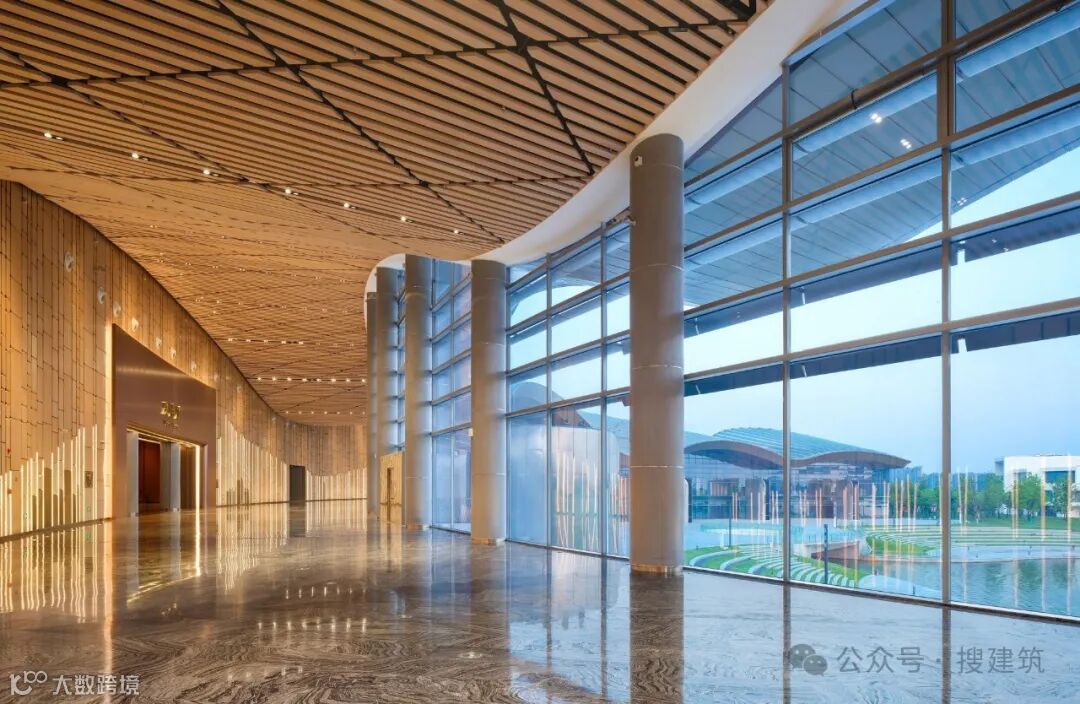
大剧院一共有五个观众厅,从西北向东南成弧线型分布,分别是:300座少年活动中心、605座戏剧院、1523座歌剧院、1184座音乐厅、406座多功能厅,共同构成一片“五彩祥云”。五座观众厅的布局方向一致,观众厅和前厅在湖面一侧,舞台和化妆区在城市道路一侧。五个观众厅被一个环形大厅串连起来,全时对外开放。环形大厅共两层,均有出入口,可以通过8个疏散楼梯直接到达湖边。
北向的主入口门厅是整个建筑的序厅,将从城市方向来的人群引入到环形大厅中。大剧院清晰而明确的建筑流线,是设计师基于亲和力与在地性体验的综合考量。前厅与两层环形大厅共同组成了大剧院的公共大厅。公共大厅整合了寄存处、卫生间、咖啡厅、休息厅和票务等功能,同时组织了观众厅的垂直交通——观众在首层购票或取票,经过安检,再通过公共大厅中的垂直交通到达二层,最后分别进入各个观演厅。清晰的流线是观演体验的保障,也是建筑对观演者具有亲和力的基础。
另外,灵动的空间布置使得公共空间产生更多可能性,也真正让城市与水域环境渗透进建筑中。附属空间(纪念品店、咖啡厅等)与小型的展览空间均布置在首层,可独立、多时段的向民众开放,即使在剧院的非运营时段,也可服务紫琅湖公园游览的人群。
Nantong Grand Theatre has five auditoriums, arranged in an arc from northwest to southeast, including a 300-seat Children's Theatre, a 605-seat Drama Theatre, a 1,523-seat Opera House, a 1,184-seat Concert Hall, and a 406-seat Studio Theatre, collectively forming a "Five-Colored Lucky Cloud." The five auditoriums are aligned centripetally, with the auditoriums and foyers facing the lake, while the stage and backstage areas facing the urban roads. The five auditoriums are connected by a circular lobby, which is open to the public at all times. The circular lobby has two floors, both with entrances and exits equipped, and can be accessed by eight emergency stairways leading directly to the lake. The north-facing lobby serves as the main entry to the entire building, guiding visitors from the city into the circular lobby. The clear and well-defined circulation of the Grand Theatre reflects the designers' comprehensive consideration of affinity and local experiential qualities. The foyer and two levels of circular halls together form the theatre's lobby. This space integrates essential programs such as cloakrooms, restrooms, a café, lounges, and box offices while organizing vertical flow to the auditoriums. Visitors collect tickets on the first floor, pass through security checks, and use the vertical circulation within the public lobby to access the second floor, where they enter their respective performance halls. This flow ensures a high-quality viewing experience and serves as the foundation of the theatre's affinity with its audience. Additionally, the flexible spatial arrangement enhances the versatility of the public areas, allowing the urban and waterfront environments to permeate into the building. Auxiliary spaces, such as the souvenir shop and café, along with small exhibition areas, are located on the first floor. These spaces can operate independently and remain open during different hours, serving visitors to Zilang Lake Park even when the theatre is not in operation.

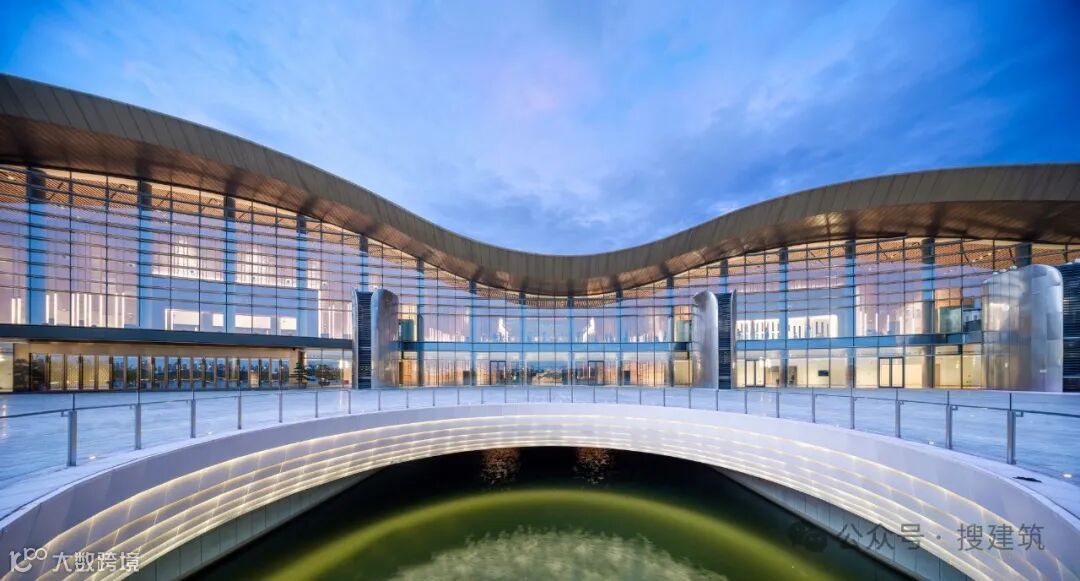
大剧院的主入口门厅是水域与城市空间的双向延展。前厅位于歌剧院和音乐厅之间,通高的中庭带来明亮开阔的空间体验。设计师调整河道使得运河穿过前厅,原本仅为过境的水系成为剧场空间的轴线。紫琅湖水也作为重要空间元素被引入室内。顶面为艺术化的不锈钢水波纹吊顶。
同时,在紫琅湖与运河间穿梭的游船可通过大厅中央的圆形玻璃地面,窥视到大剧院内精致的室内空间。吊顶和地面、室内和室外,形成了多重的视觉和艺术互动,精彩纷呈。这个充满惊喜的设计是大剧院空间连贯性的保障,更是对建筑在地性与亲和性的巧妙诠释——无论剧院开放与否,建筑在视觉感知层面,永远是城市公共空间的延续,以公众体验及参与为第一性。
The main lobby of Nantong Grand Theatre serves as a dual extension of the water and urban spaces. Located between the Opera House and the Concert Hall, the foyer features a soaring atrium that creates a bright and spacious experience. A canal runs through the foyer, the result of a design adjustment to its original course, transforming what was once a transitional waterway into the spatial axis of the theatre. The interior design reflects the essence of Zilang Lake, bringing its waters indoors. The ceiling features stainless steel panels shaped into artistic water ripple patterns, while a circular glass floor in the central hall offers a glimpse into the refined interior spaces of the theatre, as boats glide between Zilang Lake and the canal. The interplay of the ceiling and floor, interior and exterior, creates layers of visual and artistic interaction, rich in vibrancy and creativity. This surprising and seamless design ensures the spatial coherence of Nantong Grand Theatre and stands as a testament to its embodiment of locality and affinity. Regardless of whether the theatre is open, the building visually extends the city's public space, prioritizing public engagement and participation as its primary essence.
如果说主入口门厅是大剧院对城市文脉的尊重,那么环形大厅则是对紫琅湖“琴山珠水”的回应。环形大厅串联五个大厅,是大剧院最主要的公共区域。环形大厅面向紫琅湖面,拥有绝佳的自然景观。作为对湖景的呼应,环形大厅可直接通往室外的观景平台。观众在平台上既可眺望景观走廊西端的狼山,又能涉足于紫琅湖畔,与湖边游人形成视觉互动。同时,丰富的植被也在建筑与水面之间添加了一个新的层次。在城市与水域之间,一切人、事、物都可以同时成为观看与被观看的对象。
The main entrance reflects the Grand Theatre's respect for the city's cultural heritage, while the circular lobby is its response to "Qin Mountain and Pearl Waters" around Zilang Lake. Connecting all five halls, the circular lobby serves as the theatre's primary public space. Facing Zilang Lake, it offers unparalleled natural views. As a tribute to the lakeside scenery, the circular lobby directly accesses an outdoor viewing platform. From the platform, visitors can gaze at Lang Mountain at the western end of the corridor or step closer to lakeside, engaging in a visual dialogue with people strolling along the lakeside. Additionally, the landscape design adds a new layer between the building and the water, enriching the spatial experience. Between the city and the water, everything—people, events, and objects—becomes simultaneously an observer and the observed, creating a dynamic interplay of perspectives.
正如南通这座四通八达的城市所具有的不同群体间的多元与包容一样,南通大剧院的五座大厅因其不同的功能需求,也体现出不同层面的在地性与亲和性的诠释。大厅内的室内装饰材料的风格独立而富有个性,然而,从技术的视角审视,这五个剧场展现出了高度的统一性。它们均采用了表面带有精致凹凸纹理的玻璃纤维增强石膏板(GRG)作为墙面材料,这一设计旨在最大限度地优化声学效果。
此外,舞台灯光、音响、机械的设计,无一不体现出对现代化表演与观演体验的极致追求,旨在为观众与演员共同营造一个前沿而沉浸式的艺术空间。歌剧院是五个大厅的中心。观众从歌剧院的两侧的观众厅入口进入,香槟金色的基调,配合着幻影变化的竖向光带,使观众立刻感受到歌剧院高雅纯粹的殿堂级观演效果。错落起伏的竖向线条增加了歌剧院的整体感和纵深感,墙面“光带”可根据演出内容或会议模式切换不同亮度及色彩。座椅采用暗红色系,与墙面的金色互相映衬。
Just as Nantong, a city of connectivity, embodies diversity and inclusivity across different communities, the five halls of Nantong Grand Theatre reflect various interpretations of locality and affinity based on their distinct functional requirements. The interior design of each hall are uniquely styled and full of characters. However, from a technical perspective, these five theatres demonstrate a high degree of uniformity. All utilize glass fiber reinforced gypsum (GRG) panels with intricate textured surfaces as wall materials, designed to optimize acoustic performance to the fullest extent. Furthermore, the design of stage lighting, sound systems, and stage machinery exemplifies a relentless pursuit of modern performance excellency and immersive audience experiences, creating a cutting-edge artistic space for both spectators and performers. The Opera House serves as the centerpiece of the five halls. Audiences reach the auditorium through entrances on either side of the Opera House. The golden and dynamic vertical light strips, immediately evoke the elegance and purity of a world-class performance venue. The undulating vertical lines enhance the cohesiveness and depth of the space. The "light strips" on the walls can adjust their brightness and colors to suit different performance themes or conference settings. The seats, in rich shades of deep red, beautifully complement the golden walls, creating a striking visual harmony.

戏剧院是大剧院在地性的重要体现。戏剧院采用圆形包裹式墙体,中央金色浮雕柱廊围合出与众不同的观众席位。戏剧院的整体风格提取自南通悠久典雅的地方传统文化,通过运用不同材质及现代手法,观众能提前感受到迷人精彩的戏剧氛围。观众席座椅采用高雅的丝绒质感,渐变色的处理增强圆形剧场的向心性。墙表面喷涂夜蓝色哑光雾面漆,与柱廊一起营造出神秘高贵的气氛。
The Drama Theatre is a significant representation of the affinity of the theatre. It features a circular, enveloping wall structure, with a central golden relief colonnade that defines a unique seating arrangement. The overall style of the theatre draws inspiration from Nantong's long-standing and elegant local cultural traditions. Through the use of different materials and modern techniques, the audience can sense the captivating atmosphere of the drama even before the performance begins. The seats are upholstered in velvet, and the gradient color treatment enhances the centripetal focus of the circular theatre. The walls are coated with a matte night-blue finish, which, along with the colonnade, creates a mysterious and noble ambiance.

音乐厅以银灰色金属漆覆盖墙面,整体色调明亮轻快。通过音乐厅独特的内部环状走道,观众可以便捷地到达各个座位。池座及侧面座席墙面表面为不同的曲线,提供良好的反射声。管风琴位于舞台后的中轴上,其前方为合唱团席。舞台上方有一系列椭圆形彩釉玻璃反声板,具备自发光功能,将观众的注意力聚焦在舞台中央。音乐厅沉浸式视听体验,让人与建筑环境本身融为不可分割的整体,这是建筑亲和力的终极目标。
The concert hall is enveloped in a silver-gray metallic paint on its walls, creating an overall bright and lively atmosphere. Through the unique circular walkway within the hall, audience members can easily access their seats. The surfaces of the pool seating and side walls feature various curves, providing excellent sound reflection. The organ is positioned along the central axis behind the stage, with the choir seats placed in front of it. Above the stage, a series of elliptical stained glass acoustic panels with self-illuminating functionality direct the audience's attention to the center of the stage. The immersive auditory and visual experience of the concert hall integrates the audience with the architectural environment, achieving the ultimate goal of architectural affinity.

 设计草图
设计草图
 功能分析
规划、概念设计及方案设计阶段:保罗·安德鲁巴黎事务所+北京市建筑设计研究院股份有限公司+法国泊思设计及顾问公司
初步设计阶段:北京市建筑设计研究院股份有限公司+法国泊思设计及顾问公司
建筑专业:彭琳、杨姗、许任飞、刘琛、抗莉君、蒋辰希、郭晓晨、乔一兵、李晓彬
结构专业:韩巍、常婷、程翰文、滕飞、郝彤、王桂云、方云飞、王媛
设备专业:章利君、张大伟、刘国洋、孙俞、孙倩、张丽莉
电气专业:汪云峰、钱宇、董姗姗、李岩、刘念、张天佑
室内设计顾问:北京市建筑设计研究院股份有限公司+北京怡景艾特环境艺术设计有限公司
舞台工艺设计顾问:中广电广播电影电视设计研究院有限公司
声学设计顾问:华东建筑设计研究院有限公司·声学及剧院专项设计研究所
功能分析
规划、概念设计及方案设计阶段:保罗·安德鲁巴黎事务所+北京市建筑设计研究院股份有限公司+法国泊思设计及顾问公司
初步设计阶段:北京市建筑设计研究院股份有限公司+法国泊思设计及顾问公司
建筑专业:彭琳、杨姗、许任飞、刘琛、抗莉君、蒋辰希、郭晓晨、乔一兵、李晓彬
结构专业:韩巍、常婷、程翰文、滕飞、郝彤、王桂云、方云飞、王媛
设备专业:章利君、张大伟、刘国洋、孙俞、孙倩、张丽莉
电气专业:汪云峰、钱宇、董姗姗、李岩、刘念、张天佑
室内设计顾问:北京市建筑设计研究院股份有限公司+北京怡景艾特环境艺术设计有限公司
舞台工艺设计顾问:中广电广播电影电视设计研究院有限公司
声学设计顾问:华东建筑设计研究院有限公司·声学及剧院专项设计研究所
本资料声明:
1.本文为建筑设计技术分析,仅供欣赏学习。
2.本资料为要约邀请,不视为要约,所有政府、政策信息均来源于官方披露信息,具体以实物、政府主管部门批准文件及买卖双方签订的商品房买卖合同约定为准。如有变化恕不另行通知。
3.因编辑需要,文字和图片无必然联系,仅供读者参考;

微信公众号“搜建筑”(ID:sjz9999)
合作、宣传、投稿
联系微信:soujianzhu006