


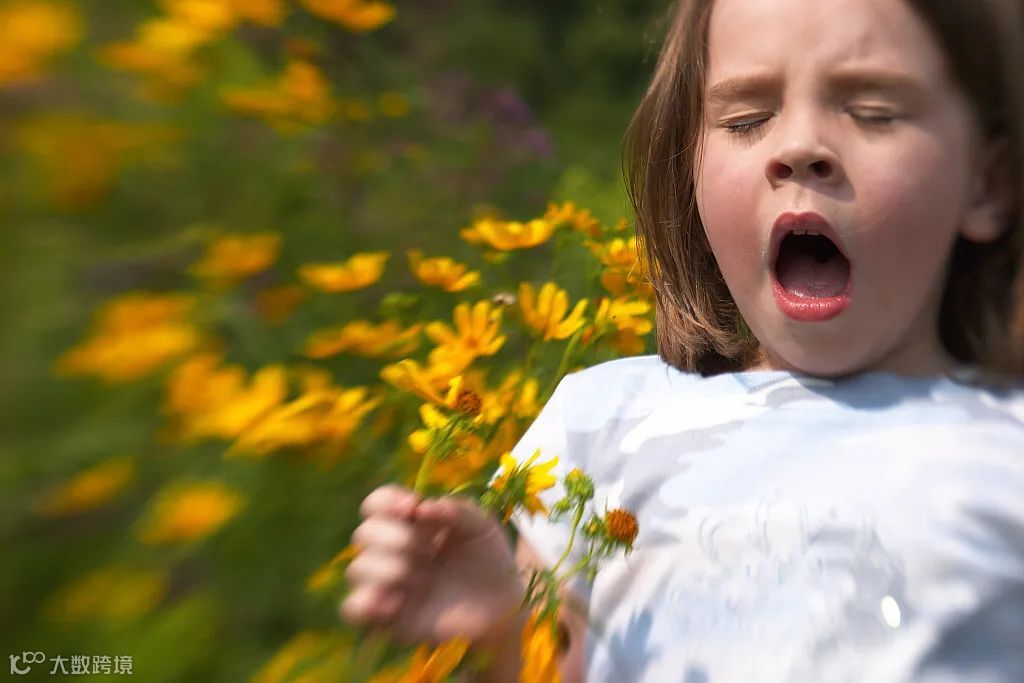
春暖花开,万物……阿嚏!本是一年好时节,奈何不少人却因“闻花打喷嚏、流鼻涕”而无法感受“春色满园关不住”的愉悦。
图源:CFP
目前全国正处在春季的花粉季。每到此时,各家医院的耳鼻喉科室都会挤满了过敏性鼻炎患者。近年,我国过敏性疾病发病率呈现逐年升高的趋势。
Every spring, when the pollen concentration rises, the nose and throat departments of hospitals will be packed. Incidence of the allergic diseases has been growing in China in recent years. Incidence of allergic rhinitis, which used to be widespread in some developed Western countries only, also began to prevail in China.
研究显示,我国过敏性鼻炎患病率达18%,估计患病人群超过2.5亿,尤其在儿童和青壮年中发病较多。
通过对全国几万病例进行分析,北京同仁医院院长、国家卫健委变态反应科临床重点专科负责人张罗教授团队的研究显示,花粉是导致我国过敏性鼻炎的主要室外过敏原。
例如,在北京地区,春季最容易引起过敏的是大果榆、青杨、旱柳、白蜡、刺槐、白桦等植物的花粉;夏天的致敏主力为野牛草、狗尾草等;而在秋天,引起花粉症的植物主要包括葎草、藜草、蒿草、豚草等。
In Beijing, for example, the most common allergenic pollens in spring include those from the large-fruited elm tree, Cathay poplar, ash, acacia and white birch.

图源:CFP
专家表示,过敏由外部环境比如空气污染、花粉浓度等,以及内部环境如遗传和自身免疫系统因素引起。过敏多器官疾病,除了鼻部症状,还会引发哮喘、其它支气管、肺部问题,严重时还会危害心理健康,如造成失眠、抑郁、焦虑等问题。
Allergic rhinitis is caused by both the external environment — which includes air pollution and pollen — and internal factors, in which heredity and an individual’s immune system come into play. Besides nose-related symptoms, it can also lead to lung disease, asthma, insomnia, anxiety and depression if not controlled properly, according to experts.
随着我国经济社会的进步,过敏人群还会不断增加。这是因为,在欠发达地区,人们在儿童时期接触环境中的细菌和病毒的可能性大,促进了免疫系统的发育,成年时过敏的几率就会降低。反之则会升高。
As the economy develops, more Chinese will have the disease. In less-developed countries, children contact bacteria and viruses in the environment more often, which promotes their immune system, so they are less likely to experience allergies when they grow up.
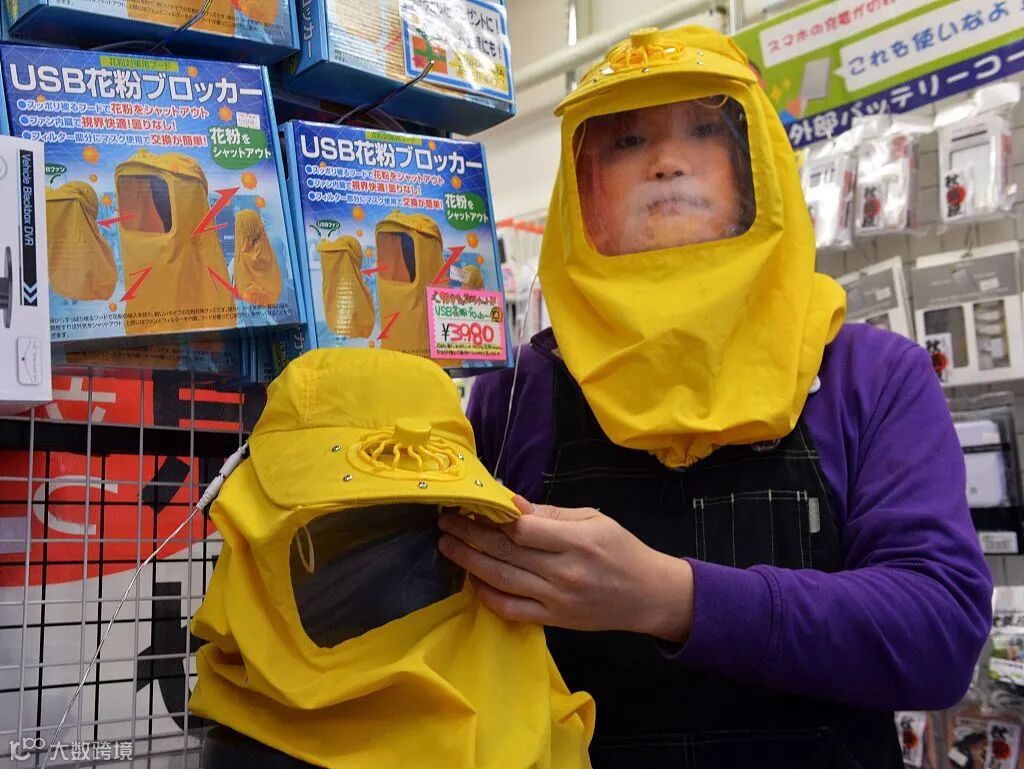
2014年3月5日,日本东京某电子商店为花粉过敏人士推出一款防护面具,据称可过滤99.99%的花粉 图源:CFP
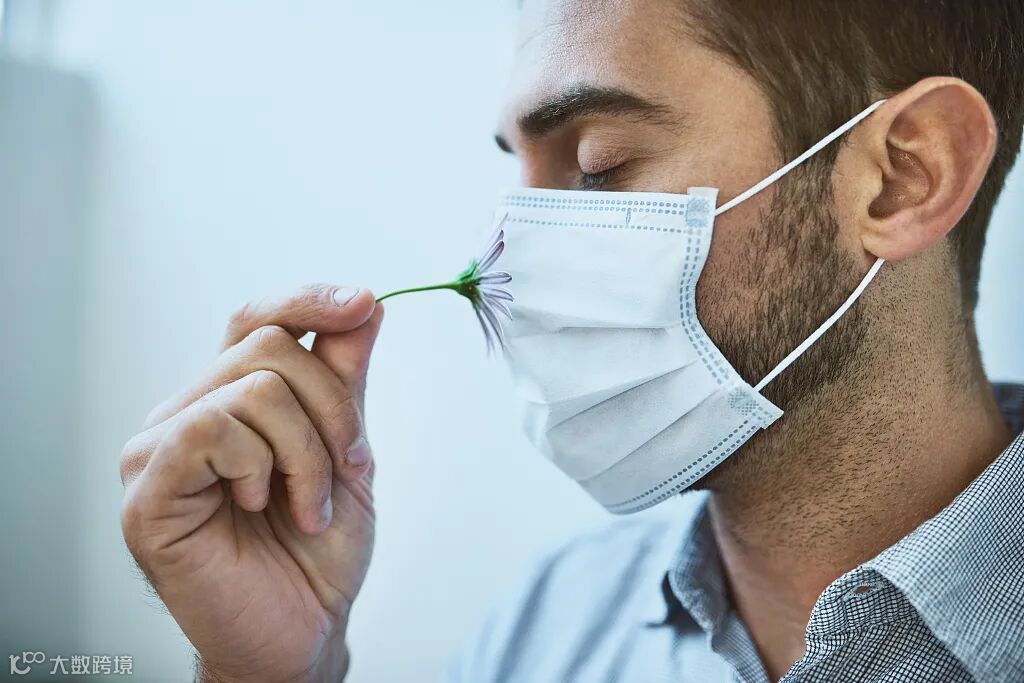
张罗教授提示过敏性鼻炎患者,在花粉浓度高的时候减少户外活动,出门做好防护,如佩戴口罩,如眼睛有干痒的症状,可以佩戴护目镜,起到阻隔作用。如症状进一步加重,需要及时就医,进行临床诊断和药物治疗。
“过敏性鼻炎病人的症状时好时坏,主要是因为他们往往在症状较重的时候比较关注,用药规范,症状一旦减轻就会忘记用药。坚持用药,等到花粉季过去之后,再考虑减药或停药,这是花粉过敏治疗非常重要的环节。”他说。“另外,如果掌握了发病规律,明确了过敏原。在花粉浓度还没有升高,症状还没有出现的时候提前用药能起到很好的辅助作用。”
When the pollen concentration is high, patients should reduce their outdoor activities and wear face masks and goggles when they go out. It’s helpful to take immunity-modulating drugs in advance before symptoms appear, and continue to use medicines based on a doctor’s guidance until the pollen season passes.
北京大学人民医院皮肤科主任张建中教授提示,正值花粉传播季节,要注意预防和用药控制“双管齐下”。
花粉症患者要减少外出,注意关窗;出门戴口罩,避免到花粉浓度较高的地区;外出回家后注意洗脸尤其是清洗鼻子、眼睛,更换沾到花粉的衣物。
用药方面,花粉症患者可用海盐水清洗鼻腔,使用抗过敏的滴眼剂控制过敏性结膜炎的眼痒等症状;出现咳嗽或哮喘的患者需加用口服和(或)吸入药物控制症状。症状重、持续时间长的患者,应及时去医院进行脱敏治疗。
世界范围来讲,过敏性疾病仍然是一个难以攻克的难题。因为疾病的发病机制没有彻底搞清楚,且现在的治疗手段无法延缓疾病进程。根本原因也在于过敏原,如花粉、尘螨等,和人类的生活环境密切相关,无处不在,没办法彻底根除,导致没办法脱离接触。现在多数的治疗手段也仅能控制症状,并不能彻底治愈。
It is still a global challenge because the pathogenesis is unclear and current treatments cannot delay progression of the disease. In addition, most allergens are closely linked to human living environments and are impossible to simply wipe out. And most treatment methods can only control symptoms.
图源:CFP
张罗教授表示,国家层面最主要的是加大研究力度,早日找到更有效的解决办法。同时,尽量让现有的有效手段惠及更多病人。他也呼吁,将过敏性鼻炎纳入国家慢病监控和防治体系当中,形成国家层面的过敏性疾病防控战略。他也建议在园林绿化上考虑选取引起过敏反应少的花草树木进行种植。
Zhang suggested enhancing medical research, raising public awareness and making current treatment methods accessible to more people. It will also help to place allergic rhinitis under the national chronic disease supervision, prevention and treatment system, as well as planting flowers, trees and grass that induce fewer allergic reactions in city landscaping, he said.
“现阶段,多数治疗过敏的药物已经纳入医保,说明对于患者的关爱和照顾在基础层面上是做的很不错的。”他说。“对个人来讲,找到过敏原,并避免接触过敏原,是最有效的方法。比如对蒿粉植物过敏,春秋季节就不要去内蒙古草原地区骑马了。”
记者:陈美玲
编辑:陈月华
实习编辑:李金昳
来源:中国日报 新华社 北京日报

推 荐 阅 读
