
Europe has seen record temperatures in recent weeks, with a heat wave that’s disrupted public transportation and fueled wildfires in multiple countries.

Thousands of firefighters across southern Europe were battling hundreds of wildfires in countries including Portugal, Spain and France, amid an intense heat wave that has caused hundreds of deaths.

CNN:观点:针对空调问题的一种欧式解答

NBC:欧洲人正在面对一股热浪之谜

时代周刊:空调在欧洲成稀有物。高温能改变这一情况吗?
In Europe, according to one industry estimate, just 20% of homes have AC units. In the United Kingdom, which suffered through its highest recorded temperature, it's less than 5%. In Germany, it's only about 3%. That's compared to 90% in the US.
根据一项业内估计,在欧洲,只有20%的家庭有空调。经历了创纪录高温的英国,这一比例不及5%,德国仅为3%。而美国90%的家庭有空调设备。
AC:空气调节系统,air conditioning的缩写

图源:视觉中国
欧洲普遍缺乏空调有多种原因。
Europe is located farther north than much of the continental US, making the weather there generally cooler than it is here. The average July high in London is 75°F (24°C), which is 10 degrees cooler than the average July high in New York.
纬度上,欧洲比美国大陆的大部分更靠北,因此欧洲气候通常更加凉爽。例如,伦敦7月份的平均最高气温为24°C,比纽约的低约5.6°C。
While it’s possible to retrofit older houses with air-conditioning units, many are built with brick and have no—or very small—air cavities. This makes it harder and more expensive to install air-conditioning, particularly when pre-existing hot water and electrical systems get in the way.
虽然可以改造房子来装空调,但许多房子是用砖建造的,没有或只有很有限的通风槽。这使得安装空调更困难和昂贵,尤其还要考虑到固有的热水和电力系统会阻碍安装。
air cavity:空气槽

当然,欧洲人不装空调的还因为花费太高。
Electricity costs more in Europe, with prices in Germany and Denmark more than twice as high as in the US. Climate consciousness makes many reluctant to embrace technology that contributes to climate change. Other cultural differences may also play a role, with some attributing all manner of maladies to moving air. 欧洲的电力成本更高,德国和丹麦的电价是美国的两倍多。人们的气候意识让欧洲很多人不愿意接受导致气候变化的新技术。还有其他文化差异,比如有些人认为空调带来的空气流动会让人生病。
reluctant [rɪˈlʌktənt] adj.不情愿的;勉强的
malady [ˈmælədi] n.疾病;毛病
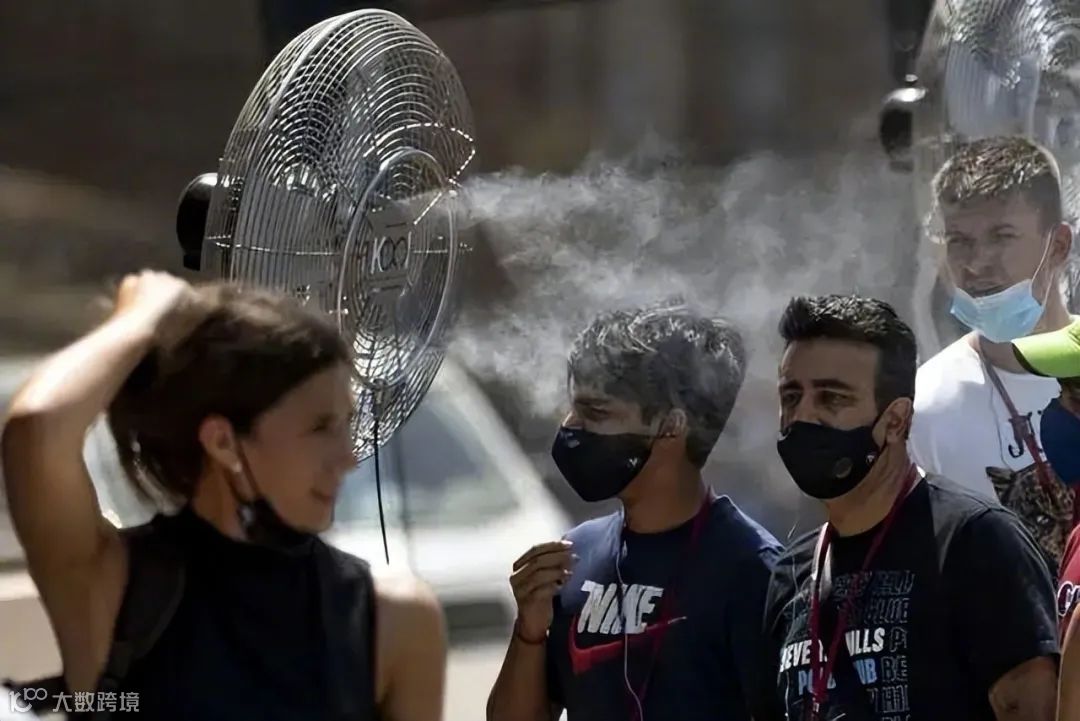
图源:微天下

But the planet's recent record-breaking heat waves—and the desperate urge to stay cool—has Europeans in particular, rethinking their prejudices and shelling out for indoor cooling systems. 但是,地球近些年破纪录的高温——以及人们想要降温解暑的强烈愿望——让欧洲人重新考量了他们的偏见,开始掏腰包采购室内制冷系统。
prejudice [ˈpredʒədɪs] n.偏见;成见 shell out:交出,付款
The current heat wave has killed more than 2,000 people in Spain and Portugal alone and stopped some routine hospital operations in the UK.
仅在西班牙和葡萄牙,目前的高温就已造成2000多人死亡,英国的一些常规医院手术也因此停止运转。
This year's sweltering temperatures have seen AC purchases skyrocket in France and the UK, according to the climate data firm Kayrros.
根据气候数据公司Kayros的数据,今年的酷热使得法国和英国的空调购买量飙升。
sweltering [ˈsweltərɪŋ] adj.酷热的
空调恶性循环

得天独厚的气候优势让欧洲人传统上不热衷于使用空调。还有一种声音也不能忽视,空调作为一种能源密集型降温手段,其温室气体排放不可忽视。
According to a World Bank report from 2019, cooling tech such as refrigerators, air conditioners, and other devices chalk up as much as 10% of all global greenhouse gas emissions. This is more than double the footprint of aviation and maritime together! At this rate, cooling emissions could double by 2030 and triple by 2100, added the report.
根据世界银行2019年的一份报告,冰箱、空调和其他设备等冷却技术的温室气体排放量占全球总量的10%,是航空和海运碳足迹总和的两倍多!按照这个速度,到2030年,冷却设备排放量可能会翻一番,到2100年可能达到三倍。

气温越高需要的空调越多,空调的使用又会加剧气候变暖,这就是所谓的“空调恶性循环”。
As temperatures climb inexorably upward, which science attests they will until greenhouse gas emissions are curbed, the world finds itself in an ostensibly inextricable bind—called the vicious circle of air conditioning.
科学证明,在温室气体排放得到控制之前,随着温度不可避免地上升,世界陷入了一个无法摆脱的困境,即所谓的空调恶性循环。
inexorably [ɪn'eksərəbli] adv.不可抗拒地
ostensibly [ɑˈstensəbli] adv. 表面上
事实上,自2000年气温开始显著升高以来,全世界选择空调的家庭和企业数量稳步上升。CNN报道称,到2050年,世界上三分之二的家庭可能拥有空调。
但美媒评论称,相对于气候变化的长期影响,欧洲各国可能更应该关注眼下老百姓的安危。
Air conditioners are not the best thing for the well-being of the planet, and it’s important to care about their effect on climate change long term, but Europeans may need to care a bit more about themselves in the short term. 空调对地球来说并不有利,关注空调对气候变化的长期影响很重要,但欧洲人可能需要在短期内更加关注自己。

推 荐 阅 读